Marius S. Ostrowski - Böcker
Visar alla böcker från författaren Marius S. Ostrowski. Handla med fri frakt och snabb leverans.
9 produkter
9 produkter
600 kr
Skickas inom 7-10 vardagar
Over its long history, the concept of ideology has acquired a vast and at times incommensurable roster of meanings: positive and negative, analytic and critical, philosophical, psychological and scientific. But how precisely should we understand and study ideology today? What is its connection to key issues in social life and social research, such as capitalism and class, democracy and partisanship, nationality, sex and gender, race and ethnicity?In this book, Marius S. Ostrowski navigates a path through the complex maze of ideology’s rival interpretations, tracing the shifting fortunes of ideology analysis from its classical origins to its recent renaissance. The result is a concise interdisciplinary overview of how ideologies combine and arrange ideas and how they manifest in our psychology and behaviour. Drawing on a wide array of examples from across the world, the book outlines the historical preconditions that allowed modern ideologies to emerge and illuminates how we experience ideology’s influence in our day-to-day lives.Ideology will be an indispensable resource for students and scholars across the social sciences and anyone seeking to understand the way ideology shapes how we understand the world around us.
205 kr
Skickas inom 7-10 vardagar
Over its long history, the concept of ideology has acquired a vast and at times incommensurable roster of meanings: positive and negative, analytic and critical, philosophical, psychological and scientific. But how precisely should we understand and study ideology today? What is its connection to key issues in social life and social research, such as capitalism and class, democracy and partisanship, nationality, sex and gender, race and ethnicity?In this book, Marius S. Ostrowski navigates a path through the complex maze of ideology’s rival interpretations, tracing the shifting fortunes of ideology analysis from its classical origins to its recent renaissance. The result is a concise interdisciplinary overview of how ideologies combine and arrange ideas and how they manifest in our psychology and behaviour. Drawing on a wide array of examples from across the world, the book outlines the historical preconditions that allowed modern ideologies to emerge and illuminates how we experience ideology’s influence in our day-to-day lives.Ideology will be an indispensable resource for students and scholars across the social sciences and anyone seeking to understand the way ideology shapes how we understand the world around us.
1 142 kr
Skickas inom 10-15 vardagar
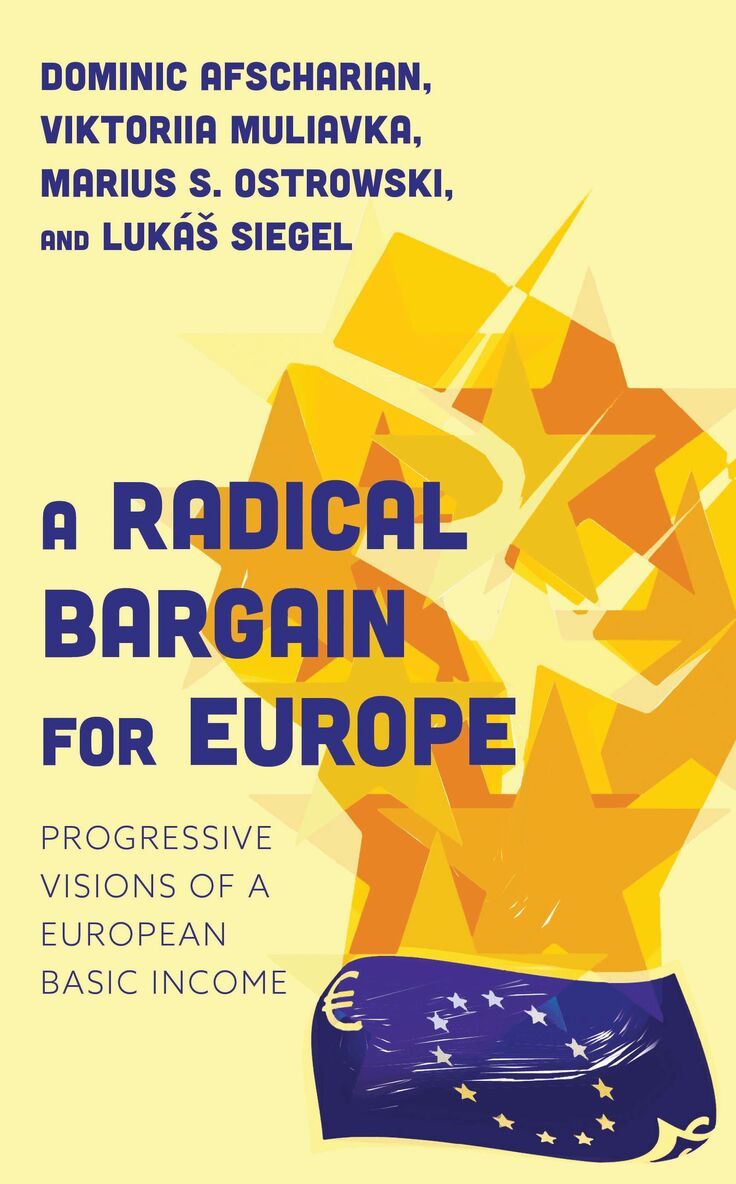
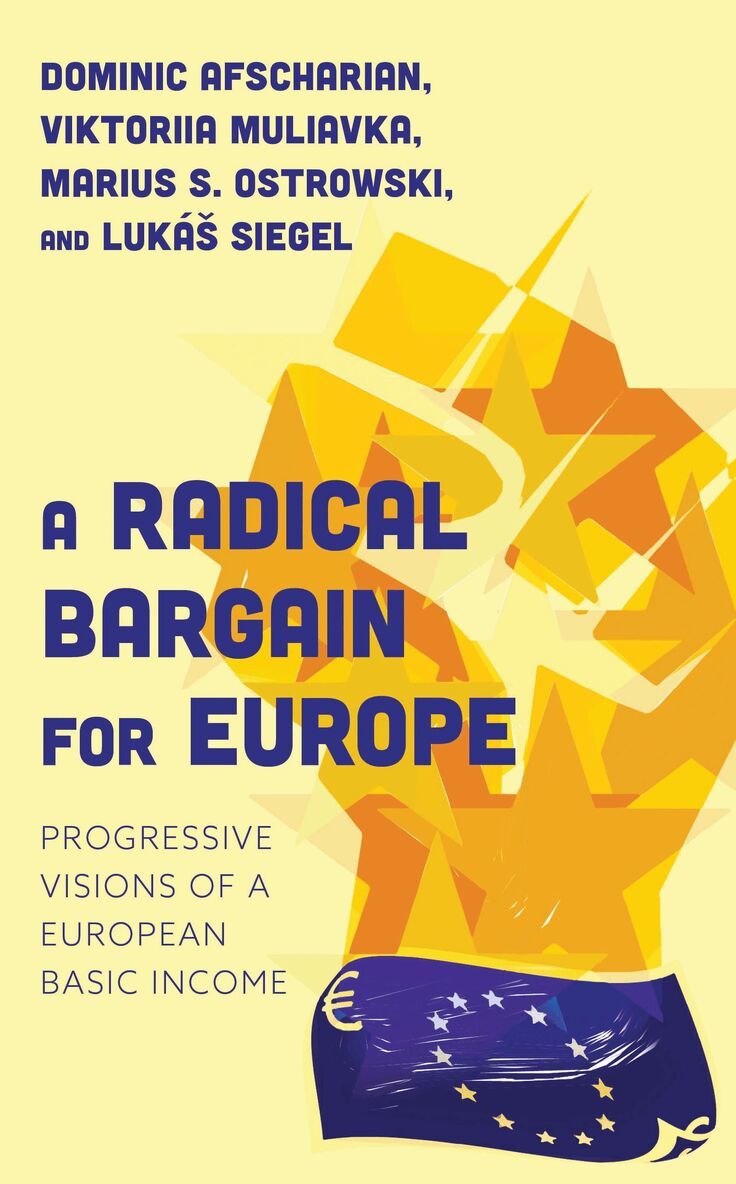
During the last two decades, the European Union has come under increasing existential threat. Successive historic crises have called into question the EU’s ability to meet the needs of its citizens, and effectively navigate the emerging challenges of the 21st century. From sovereign debt, Mediterranean migration, and Brexit to climate change, the Covid-19 pandemic, and spiralling conflicts just beyond its borders, the EU has struggled to carve out a meaningful path forward. Worse, through action or inaction, it has often failed to live up to the lofty ideals of its foundation. In response, the EU has faced a growing tide of Europhobic dissent, driven by insurgent populism and nationalism. Left unanswered, this tide promises to overwhelm the EU and irretrievably damage the legitimacy of its institutions—or see them coopted into the chauvinist projects of a new and emboldened ‘authoritarian international’. In light of this, progressive forces who value the positive role the EU can play in the world face a stark and urgent choice. They can give the EU a new fundamental vision, centred on elevating the situation of the worst-off in all corners of European society. Or they must reconcile themselves to losing it permanently as a force for freedom and equality, justice, solidarity, and pluralism across the European continent and beyond. A Radical Bargain for Europe makes an impassioned case for the first of these two choices. It argues that social policy is the site where this new vision must be developed, as the live frontier of the latest debates over the course of European integration. And it presents the concept of a basic income as a concrete step towards fulfilling the promise of a ‘social Europe’—folding in one of the greatest questions of modern social policy debates in many national contexts. This book presents an outline of what a European basic income (EUBI) would look like. It argues that, in its fundamental form, an EUBI has its attractions to a wide range of progressive ideologies, from the far left, greens, and social democracy to liberalism and Christian democracy. Each of these ideologies adds its own unique colour to the shape an EUBI could take, in principle and in practice. Yet all of them must work together in a broad ‘agenda coalition’ to take the next step towards European social integration, embrace an EUBI, and realise the EU’s radical potential.
635 kr
Kommande
During the last two decades, the European Union has come under increasing existential threat. Successive historic crises have called into question the EU’s ability to meet the needs of its citizens, and effectively navigate the emerging challenges of the 21st century. From sovereign debt, Mediterranean migration, and Brexit to climate change, the Covid-19 pandemic, and spiralling conflicts just beyond its borders, the EU has struggled to carve out a meaningful path forward. Worse, through action or inaction, it has often failed to live up to the lofty ideals of its foundation. In response, the EU has faced a growing tide of Europhobic dissent, driven by insurgent populism and nationalism. Left unanswered, this tide promises to overwhelm the EU and irretrievably damage the legitimacy of its institutions—or see them coopted into the chauvinist projects of a new and emboldened ‘authoritarian international’. In light of this, progressive forces who value the positive role the EU can play in the world face a stark and urgent choice. They can give the EU a new fundamental vision, centred on elevating the situation of the worst-off in all corners of European society. Or they must reconcile themselves to losing it permanently as a force for freedom and equality, justice, solidarity, and pluralism across the European continent and beyond. A Radical Bargain for Europe makes an impassioned case for the first of these two choices. It argues that social policy is the site where this new vision must be developed, as the live frontier of the latest debates over the course of European integration. And it presents the concept of a basic income as a concrete step towards fulfilling the promise of a ‘social Europe’—folding in one of the greatest questions of modern social policy debates in many national contexts. This book presents an outline of what a European basic income (EUBI) would look like. It argues that, in its fundamental form, an EUBI has its attractions to a wide range of progressive ideologies, from the far left, greens, and social democracy to liberalism and Christian democracy. Each of these ideologies adds its own unique colour to the shape an EUBI could take, in principle and in practice. Yet all of them must work together in a broad ‘agenda coalition’ to take the next step towards European social integration, embrace an EUBI, and realise the EU’s radical potential.
354 kr
Skickas inom 10-15 vardagar
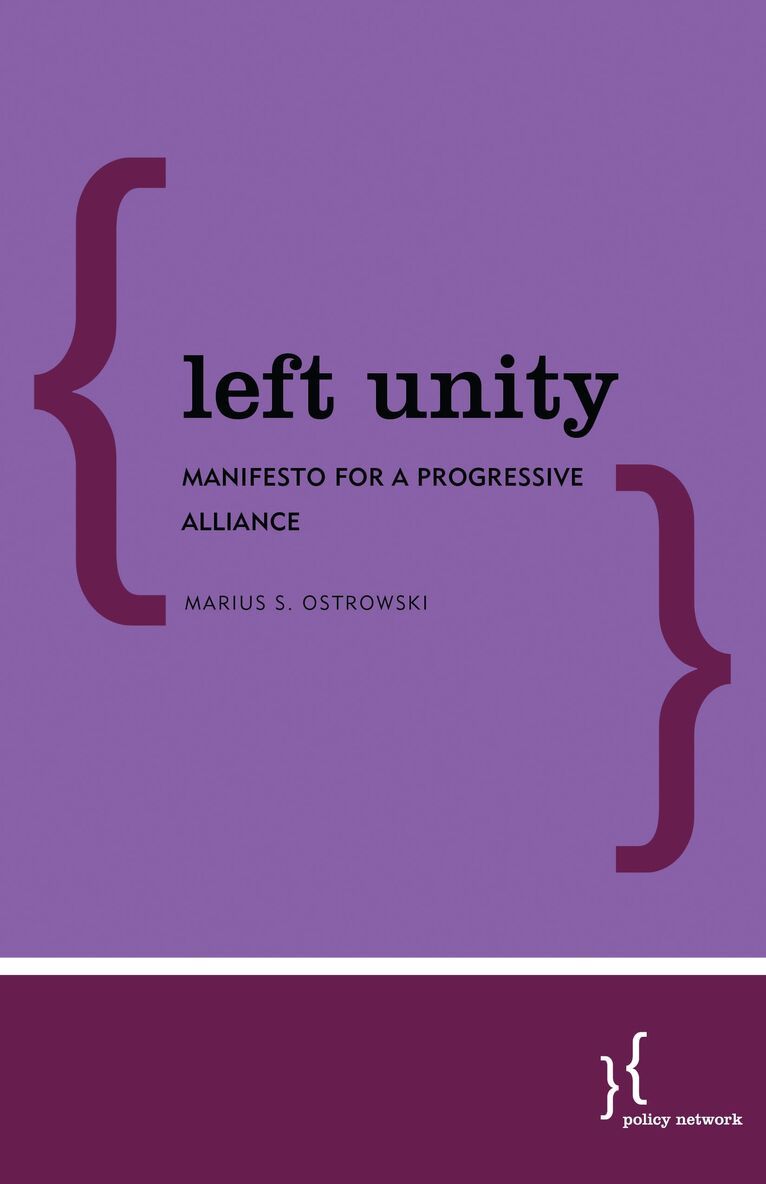
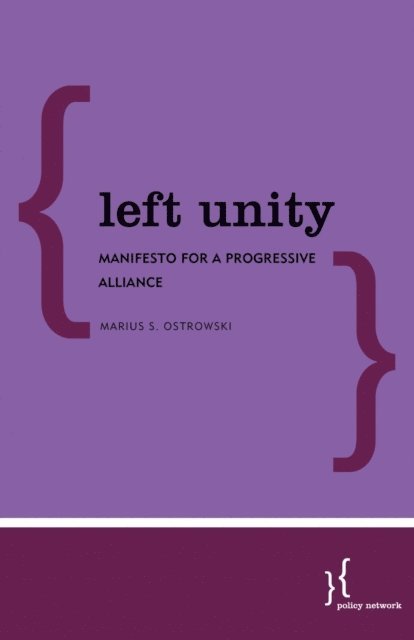
Progressive politics is facing a crisis that has been several decades in the making. The ‘crisis of social democracy’ in the wake of the 1980s neoliberal revolution has been followed shortly afterwards by the demise of the liberal ‘end of history’ since the wars and financial crises of the 2000s. Rapid increases in the size, complexity, and fluidity of modern societies have disrupted old communities and identities, and brought new ones into being to challenge them. Cultural tensions have risen alongside older economic and political divisions to the forefront of ideological contests. The result has been a very specific form of polarisation: the resurgence of the far right, and a fragmentation of the left towards the centre and the extremes.To confront this crisis, the progressive left must reevaluate its approach to ideological and strategic competition. The last major precedent it has for what can happen when the left is fragmented and the right has turned towards extremism stems from one of the darkest periods of world history. The rise of fascism, the schism of the left between social democracy and communism, and the nadir of a disoriented liberalism eventually allowed bloodshed and destruction to take place on a scale never seen before. In this light, the contemporary left must work to overcome its divisions and bring about ideological unity across its various manifestations—socialist and liberal, green and anarchist, republican, regionalist, anti-racist, feminist, or pro-LGBTQ*.The left needs clear visions and proposals for how to combine its forces and face the tasks ahead with strength and determination. This book makes the case for today’s progressives to adopt a policy of ‘left unity’ across parties and all other parts of the left movement, and outlines strategies for how the contemporary left can start to build a ‘progressive alliance’. These strategies are inspired by the spirit of past efforts to achieve progressive unity, but they are motivated by the needs and possibilities of the crisis the left faces today. It is for progressives of all colours to learn from them what they can before it is too late.
876 kr
Skickas inom 10-15 vardagar
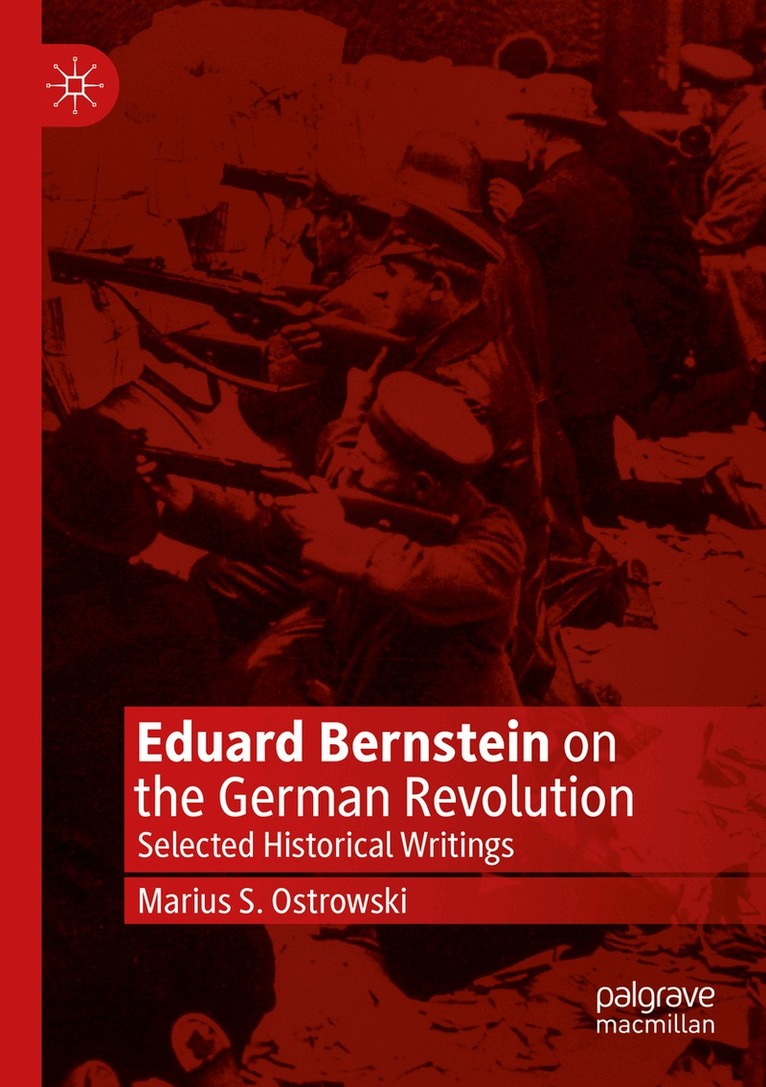
This book presents two major texts and selected shorter writings by the social-democratic thinker and politician Eduard Bernstein, translated into English in full for the first time: The German Revolution: A History of the Emergence and First Working Period of the German Republic;
608 kr
Skickas inom 10-15 vardagar
This book presents two major texts and selected shorter writings by the social-democratic thinker and politician Eduard Bernstein, translated into English in full for the first time: The German Revolution: A History of the Emergence and First Working Period of the German Republic;
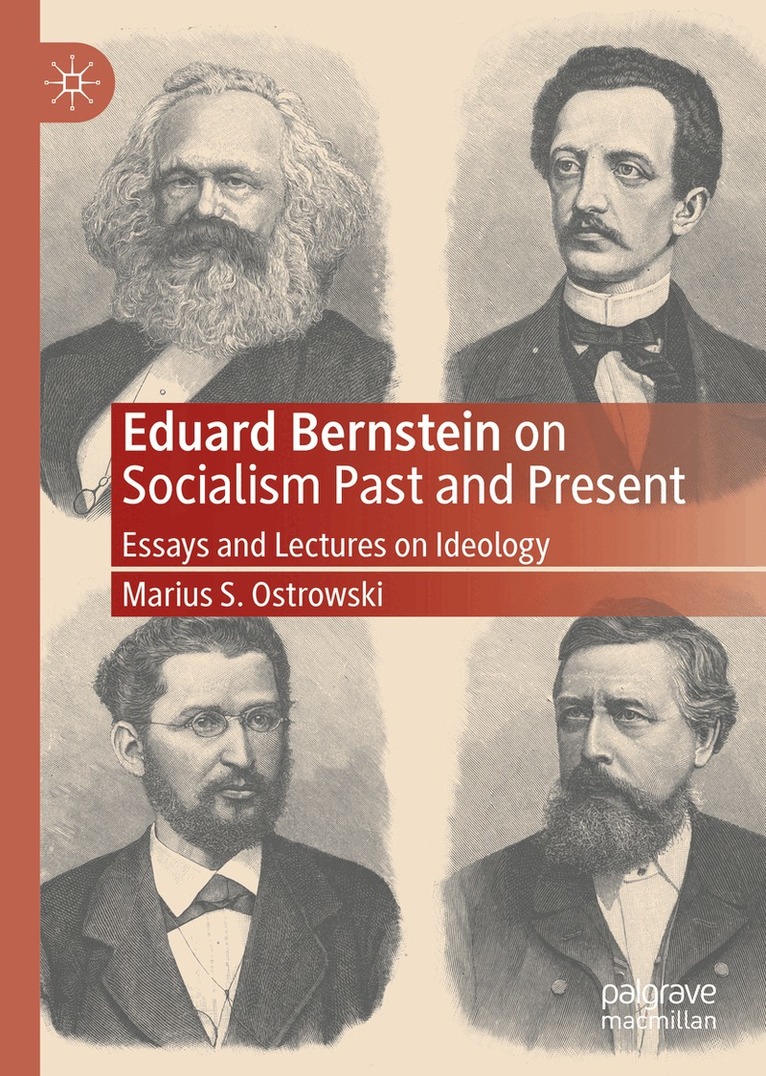
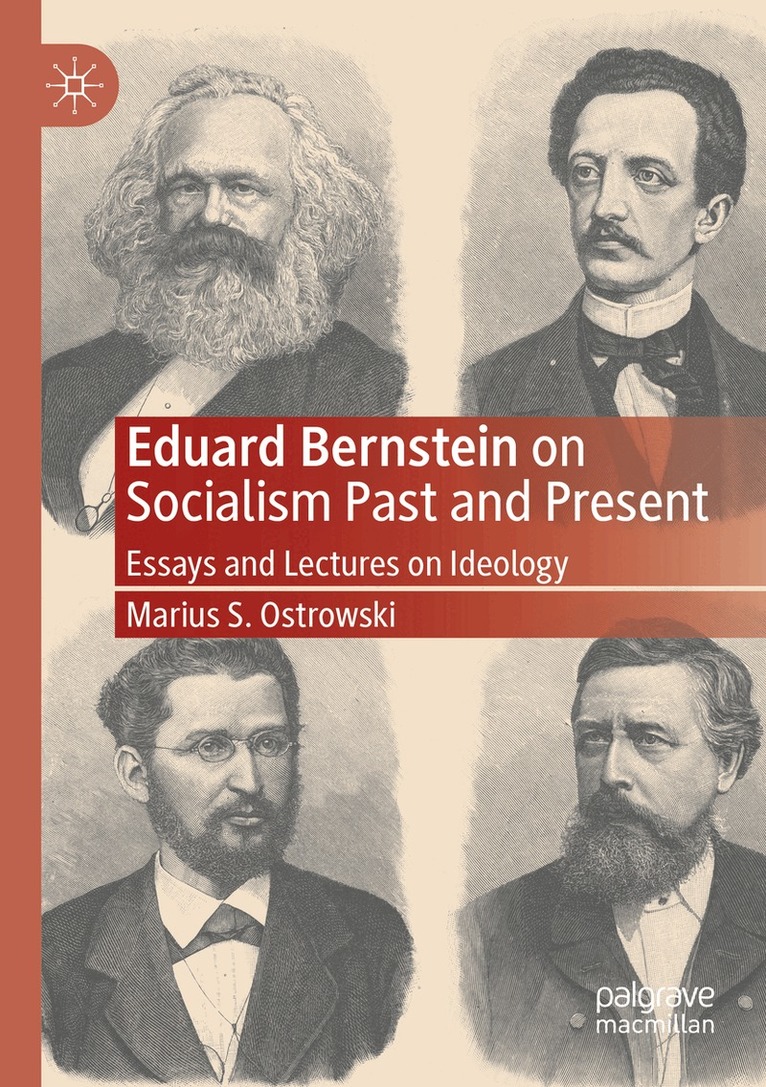
Eduard Bernstein on Socialism Past and Present
Essays and Lectures on Ideology
Inbunden, Engelska, 2021
1 094 kr
Skickas inom 10-15 vardagar
This book presents six major texts and selected shorter writings by the social-democratic thinker and politician Eduard Bernstein, translated into English for the first time: Socialism Past and Present; The Social Doctrine of Anarchism; Social Liberalism or Collectivism?; How is Scientific Socialism Possible?; What is Socialism?; The Socialisation of Enterprises; and articles from the periodicals Neue Zeit and Sozialistische Monatshefte alongside several unpublished manuscripts. Written over the period 1893 to 1931, these works focus on socialism as an ideology, and trace debates about ethics, social science, and class struggle that preoccupied the early-20th-century socialist movement. Bernstein carefully demarcates the boundaries between socialism and its ideological rivals, contrasting its communitarian aspirations with individualistic liberalism and anarchism, and itsadherence to democratic methods with the totalitarian violence of communism and fascism. He revisits the intellectual canon of socialist thought, recentring contributions by Ferdinand Lassalle, Karl Rodbertus, and other neglected figures alongside those of Karl Marx and Friedrich Engels. Urging socialists to seize the opportunities afforded by their growing political representation, Bernstein addresses the strategies needed to achieve progressive policy reforms, including the prospects for realising socialism with the foundation of the Weimar Republic. 'In this illuminating collection, Marius Ostrowski brings together several essays by Eduard Bernstein, spanning a forty-year period of activity and addressing the question of “what is socialism”. At a time of renewed reflection on the foundation and value of social democracy, engaging with the thought of one of its founding fathers will be immeasurably valuable for both supporters and critics.'—ProfessorLea Ypi, London School of Economics, UK 'During his long life, Eduard Bernstein made a contribution of great significance to both the theoretical and political development of the left, emerging as a founding figure of European social democracy. In this splendid volume, Marius Ostrowski presents Bernstein’s writing in its full richness and complexity, bringing together his lucid translations into English of some of the major theoretical works published by Bernstein during the years of the Weimar Republic. This book makes a valuable contribution to our understanding of the development of the socialist tradition during a period of great political turmoil, and gives us a three-dimensional understanding of Bernstein’s contributions to socialism and social democracy.'— Dr Martin O’Neill, University of York, UK
1 094 kr
Skickas inom 10-15 vardagar
This book presents six major texts and selected shorter writings by the social-democratic thinker and politician Eduard Bernstein, translated into English for the first time: Socialism Past and Present; The Social Doctrine of Anarchism; Social Liberalism or Collectivism?; How is Scientific Socialism Possible?; What is Socialism?; The Socialisation of Enterprises; and articles from the periodicals Neue Zeit and Sozialistische Monatshefte alongside several unpublished manuscripts. Written over the period 1893 to 1931, these works focus on socialism as an ideology, and trace debates about ethics, social science, and class struggle that preoccupied the early-20th-century socialist movement. Bernstein carefully demarcates the boundaries between socialism and its ideological rivals, contrasting its communitarian aspirations with individualistic liberalism and anarchism, and itsadherence to democratic methods with the totalitarian violence of communism and fascism. He revisits the intellectual canon of socialist thought, recentring contributions by Ferdinand Lassalle, Karl Rodbertus, and other neglected figures alongside those of Karl Marx and Friedrich Engels. Urging socialists to seize the opportunities afforded by their growing political representation, Bernstein addresses the strategies needed to achieve progressive policy reforms, including the prospects for realising socialism with the foundation of the Weimar Republic. 'In this illuminating collection, Marius Ostrowski brings together several essays by Eduard Bernstein, spanning a forty-year period of activity and addressing the question of “what is socialism”. At a time of renewed reflection on the foundation and value of social democracy, engaging with the thought of one of its founding fathers will be immeasurably valuable for both supporters and critics.'—ProfessorLea Ypi, London School of Economics, UK 'During his long life, Eduard Bernstein made a contribution of great significance to both the theoretical and political development of the left, emerging as a founding figure of European social democracy. In this splendid volume, Marius Ostrowski presents Bernstein’s writing in its full richness and complexity, bringing together his lucid translations into English of some of the major theoretical works published by Bernstein during the years of the Weimar Republic. This book makes a valuable contribution to our understanding of the development of the socialist tradition during a period of great political turmoil, and gives us a three-dimensional understanding of Bernstein’s contributions to socialism and social democracy.'— Dr Martin O’Neill, University of York, UK