Mark A. Prelas – författare
Visar alla böcker från författaren Mark A. Prelas. Handla med fri frakt och snabb leverans.
25 produkter
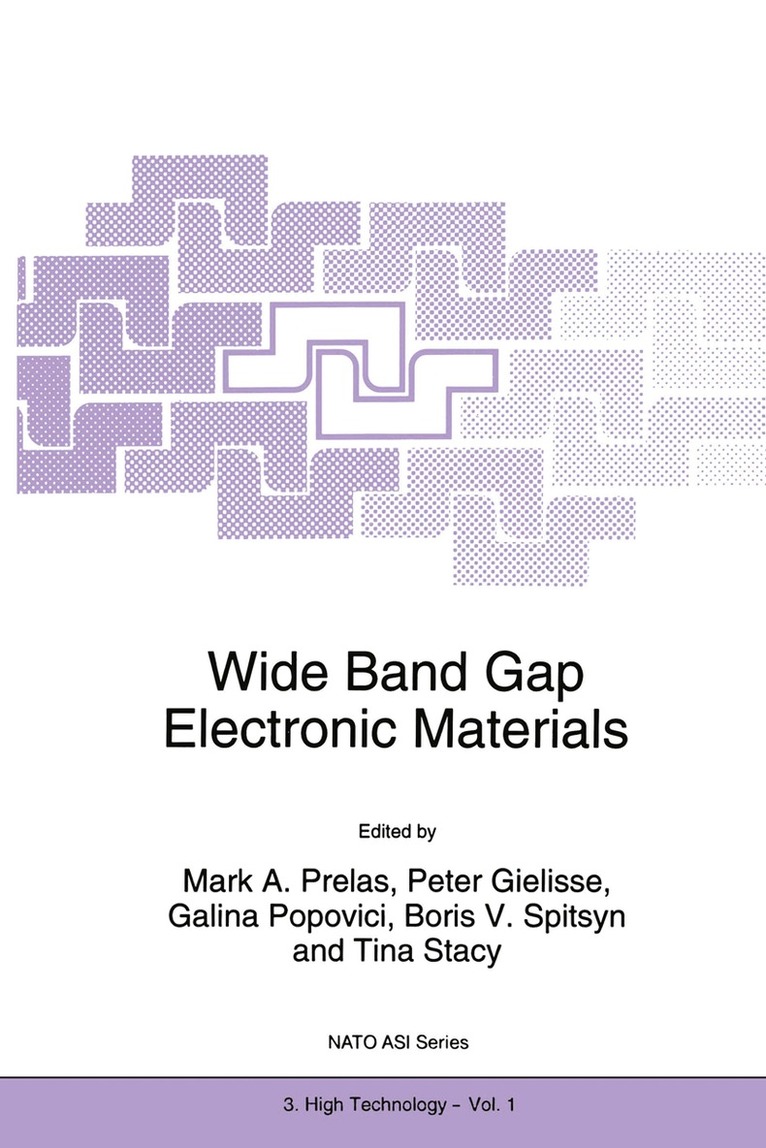
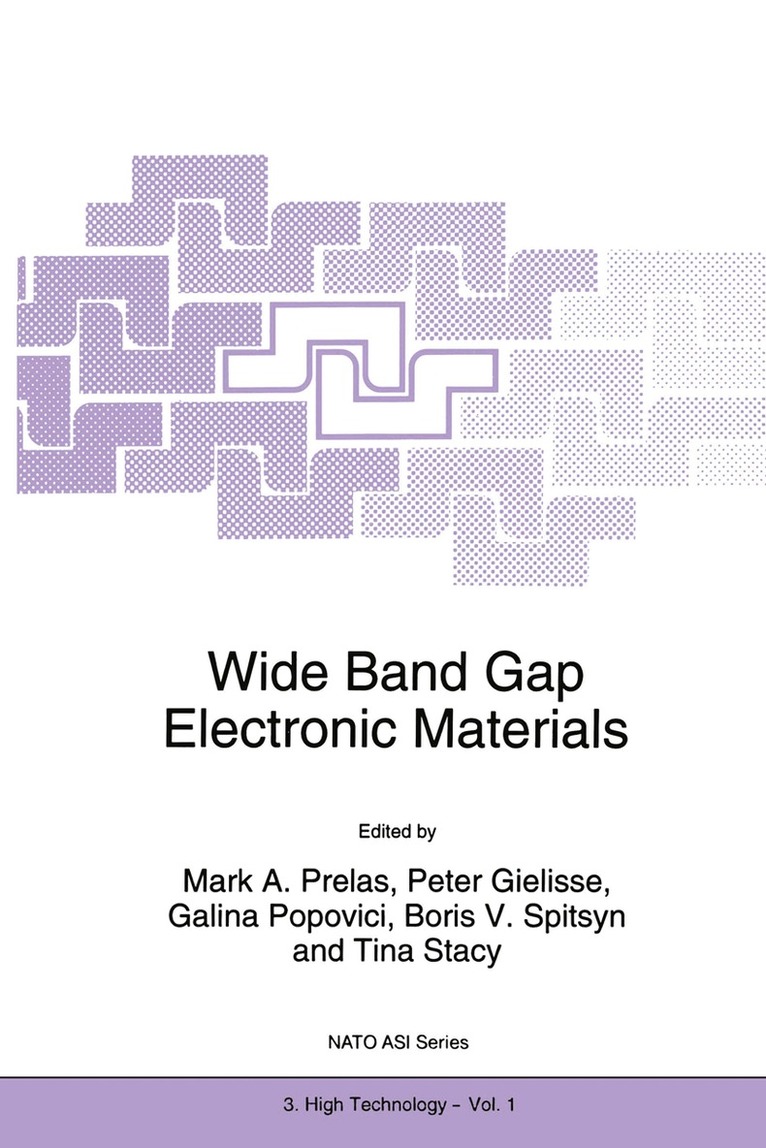
Wide Band Gap Electronic Materials
Av Mark A. Prelas, Peter Gielisse m. fl.
Inbunden, 1995
3601 kr
Lägg i varukorg
Minsk, Belarus was the site of the NATO ARW on Wide Band-Gap electronic Materials May 3 through 6,1994; 143 participants and observers from 15 countries met for the NATO Advanced Research Workshop on Wide Band-Gap Electronic Materials (NATO ARW). The meeting was marked by a remarkable free exchange …
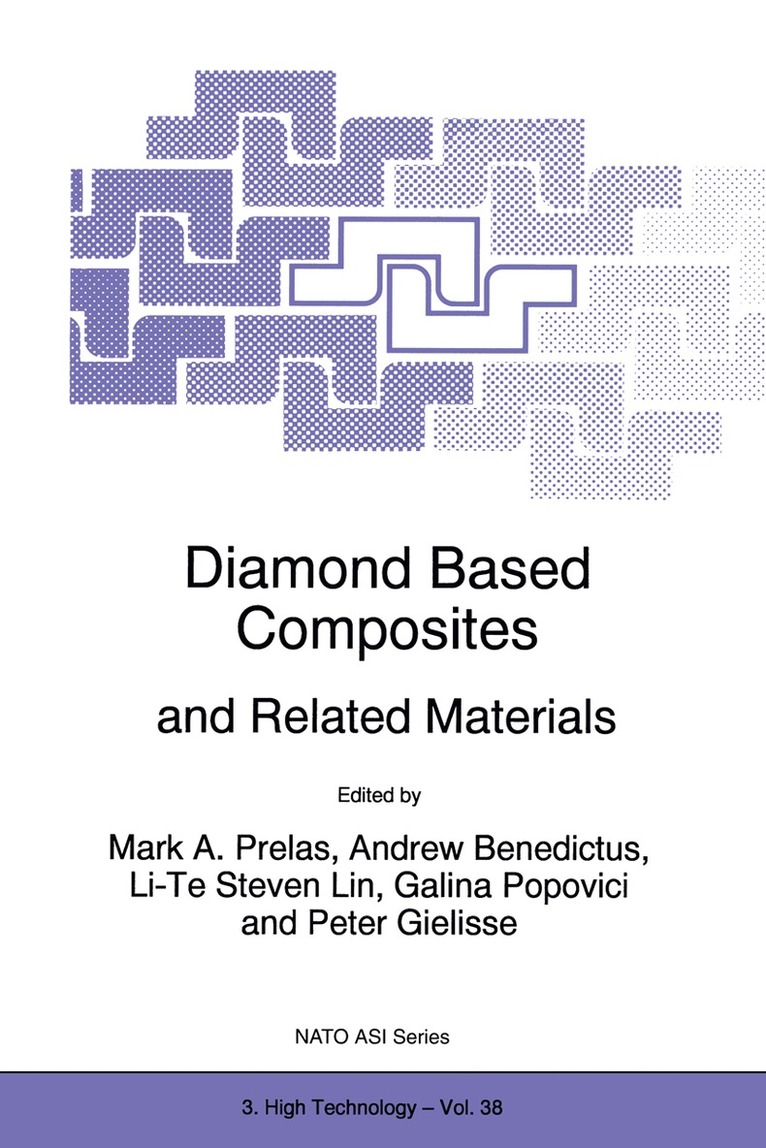
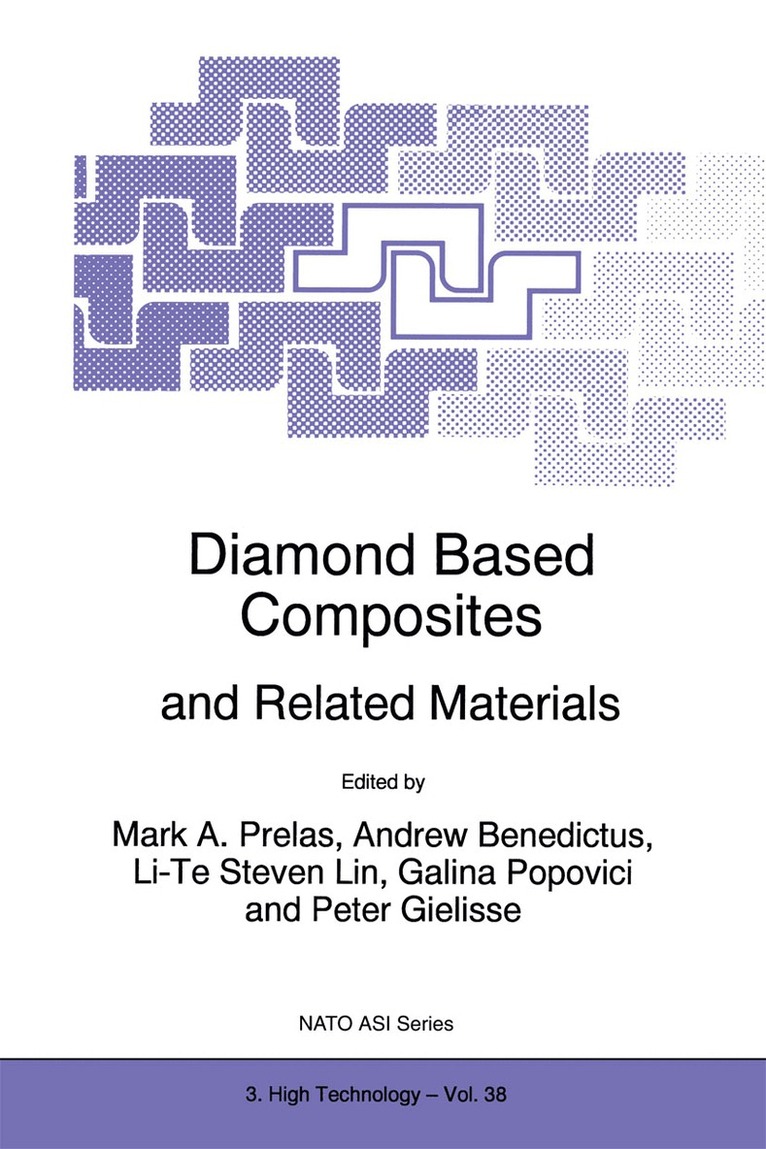
Diamond Based Composites
and Related Materials
Av Mark A. Prelas, Andrew Benedictus m. fl.
Inbunden, 1997
1641 kr
Lägg i varukorg
Diamond-based composites, with their advantages of hardness, high Young's modulus and the like, have demonstrated new and unusual features, such as stability to high temperatures and pressure shocks and a large internal surface that can be controlled to offer customised electrical, magnetic and …
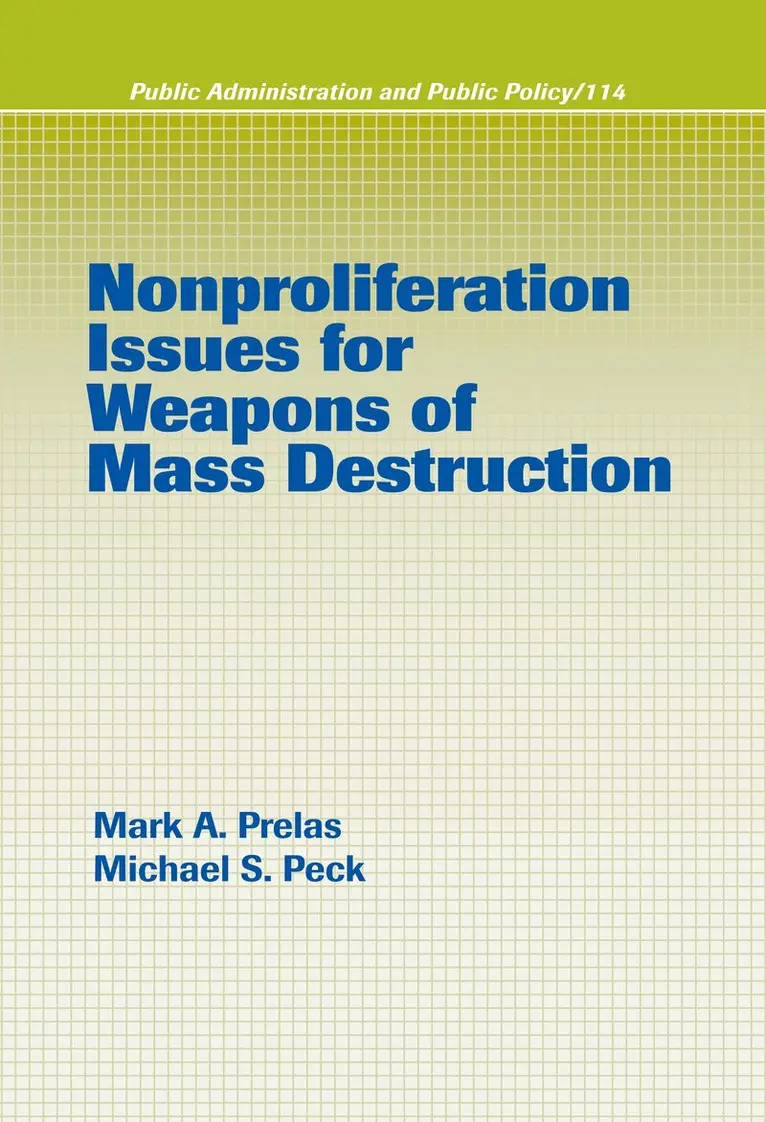
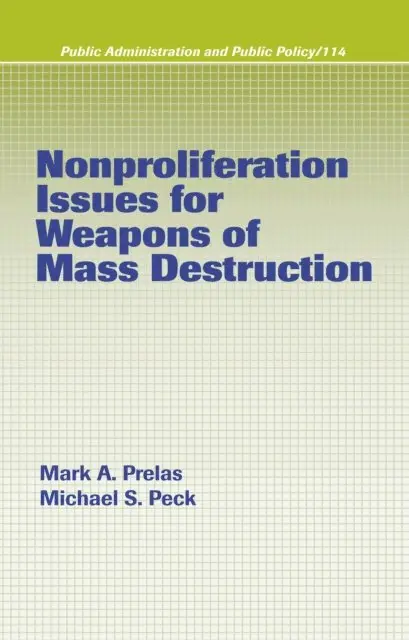
Nonproliferation Issues For Weapons of Mass Destruction
Av Mark A. Prelas, Michael Peck
Inbunden, 2005
3864 kr
Lägg i varukorg
Nonproliferation Issues for Weapons of Mass Destruction provides an understanding of WMD proliferation risks by bridging complex technical and political issues. The text begins by defining the world conditions that foster proliferation, followed by an analysis of characteristics of various classes …
Nonproliferation Issues For Weapons of Mass Destruction
Av Michael S. Peck, Mark A. Prelas
E-bok, 2005
3473 kr
Lägg i varukorg
Nonproliferation Issues for Weapons of Mass Destruction provides an understanding of WMD proliferation risks by bridging complex technical and political issues. The text begins by defining the world conditions that foster proliferation, followed by an analysis of characteristics of various classes …
Science and Technology of Terrorism and Counterterrorism
Av Thomas M. Haladyna, Sudarshan K. Loyalka m. fl.
E-bok, 2009
1169 kr
Lägg i varukorg
Traditionally, resources on terrorism and counterterrorism tend to focus on the social, behavioral, and legal aspects of the subject, with minimal emphasis on the scientific and technological aspects. Taking into account these practical considerations, the second edition of Science and Technology …
Science and Technology of Terrorism and Counterterrorism
Av Thomas M. Haladyna, Tushar K. Ghosh m. fl.
Häftad, 2018
1013 kr
Lägg i varukorg
Traditionally, resources on terrorism and counterterrorism tend to focus on the social, behavioral, and legal aspects of the subject, with minimal emphasis on the scientific and technological aspects. Taking into account these practical considerations, the second edition of Science and Technology …
Handbook of Industrial Diamonds and Diamond Films
Av Louis K. Bigelow, Galina Popovici m. fl.
E-bok, 2018
1203 kr
Lägg i varukorg
Examines both mined and synthetic diamonds and diamond films. The text offers coverage on the use of diamond as an engineering material, integrating original research on the science, technology and applications of diamond. It discusses the use of chemical vapour deposition grown diamonds in …
Handbook of Industrial Diamonds and Diamond Films
Av Louis K. Bigelow, Galina Popovici m. fl.
E-bok, 2018
1230 kr
Lägg i varukorg
Examines both mined and synthetic diamonds and diamond films. The text offers coverage on the use of diamond as an engineering material, integrating original research on the science, technology and applications of diamond. It discusses the use of chemical vapour deposition grown diamonds in …
Nonproliferation Issues For Weapons of Mass Destruction
Av Michael S. Peck, Mark A. Prelas
E-bok, 2005
3473 kr
Lägg i varukorg
Nonproliferation Issues for Weapons of Mass Destruction provides an understanding of WMD proliferation risks by bridging complex technical and political issues. The text begins by defining the world conditions that foster proliferation, followed by an analysis of characteristics of various classes …
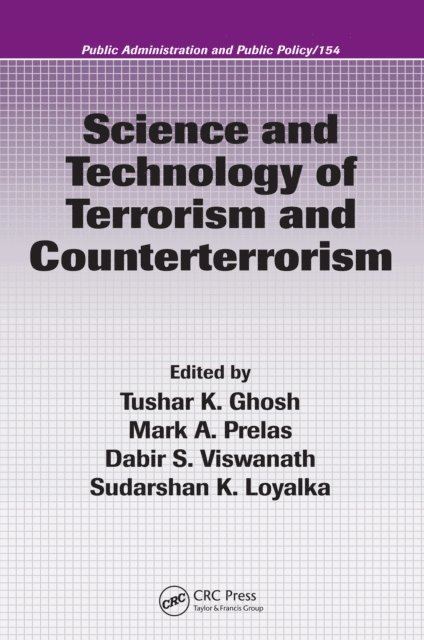
Science and Technology of Terrorism and Counterterrorism
Av Thomas M. Haladyna, Tushar K. Ghosh m. fl.
Inbunden, 2009
2136 kr
Lägg i varukorg
Traditionally, resources on terrorism and counterterrorism tend to focus on the social, behavioral, and legal aspects of the subject, with minimal emphasis on the scientific and technological aspects. Taking into account these practical considerations, the second edition of Science and Technology …
Science and Technology of Terrorism and Counterterrorism
Av Thomas M. Haladyna, Sudarshan K. Loyalka m. fl.
E-bok, 2009
1169 kr
Lägg i varukorg
Traditionally, resources on terrorism and counterterrorism tend to focus on the social, behavioral, and legal aspects of the subject, with minimal emphasis on the scientific and technological aspects. Taking into account these practical considerations, the second edition of Science and Technology …
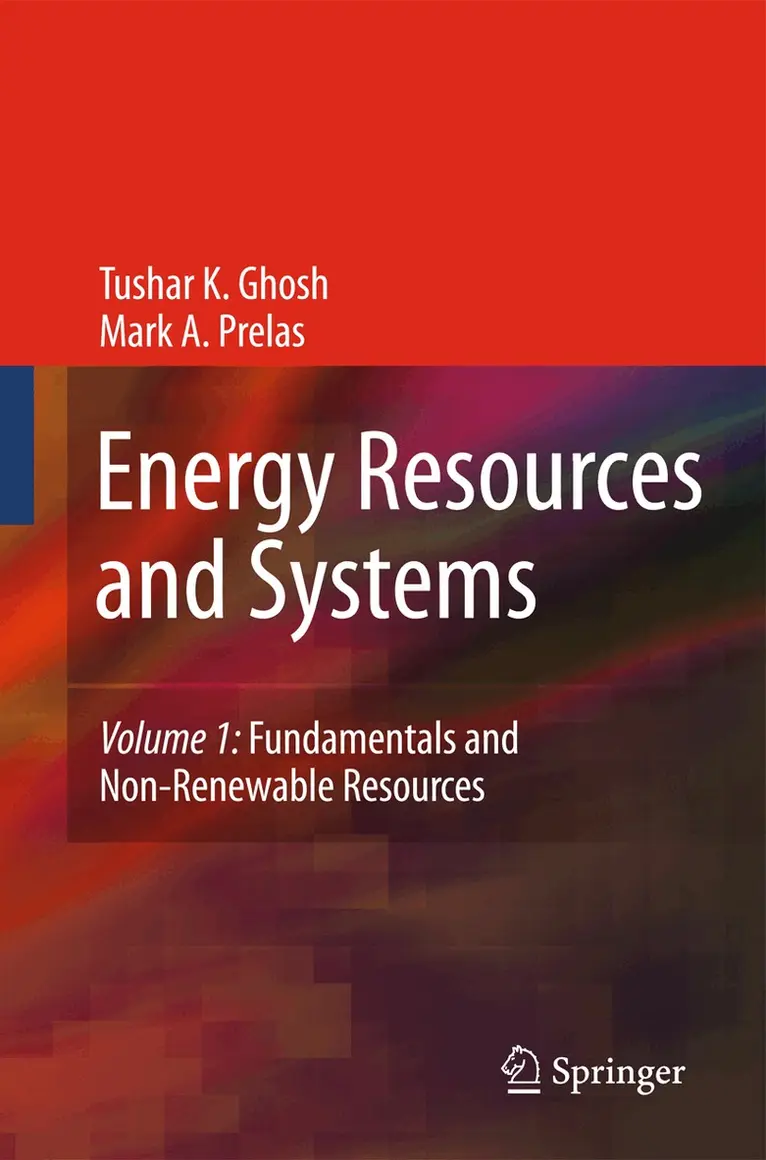
Energy Resources and Systems
Volume 1: Fundamentals and Non-Renewable Resources
Av Tushar K. Ghosh, Mark A. Prelas
Inbunden, 2009
552 kr
Lägg i varukorg
In the lifetimes of the authors, the world and especially the United States have received three significant “wake-up calls” on energy production and consumption. The first of these occurred on October 15, 1973 when the Yom Kippur War began with an attack by Syria and Egypt on Israel. The United …
Energy Resources and Systems
Volume 1: Fundamentals and Non-Renewable Resources
Av Mark A. Prelas, Tushar K. Ghosh
E-bok, 2009
718 kr
Lägg i varukorg
In the lifetimes of the authors, the world and especially the United States have received three significant “wake-up calls” on energy production and consumption. The first of these occurred on October 15, 1973 when the Yom Kippur War began with an attack by Syria and Egypt on Israel. The United …
Energy Resources and Systems
Volume 1: Fundamentals and Non-Renewable Resources
Av Tushar K. Ghosh, Mark A. Prelas
Häftad, 2010
552 kr
Lägg i varukorg
In the lifetimes of the authors, the world and especially the United States have received three significant “wake-up calls” on energy production and consumption. The first of these occurred on October 15, 1973 when the Yom Kippur War began with an attack by Syria and Egypt on Israel. The United …
Energy Resources and Systems
Volume 2: Renewable Resources
Av Tushar K. Ghosh, Mark A. Prelas
Inbunden, 2011
987 kr
Lägg i varukorg
This second volume of Energy Resources and Systems is focused on renewable energy resources. Renewable energy mainly comes from wind, solar, hydropower, geothermal, ocean, bioenergy, ethanol and hydrogen. Each of these energy resources is important and growing. For example, high-head hydroelectric …
Energy Resources and Systems
Volume 2: Renewable Resources
Av Mark A. Prelas, Tushar K. Ghosh
E-bok, 2011
1296 kr
Lägg i varukorg
This second volume of Energy Resources and Systems is focused on renewable energy resources. Renewable energy mainly comes from wind, solar, hydropower, geothermal, ocean, bioenergy, ethanol and hydrogen. Each of these energy resources is important and growing. For example, high-head hydroelectric …
Wide Band Gap Electronic Materials
Av Mark A. Prelas, Peter Gielisse m. fl.
Häftad, 2012
3819 kr
Lägg i varukorg
Minsk, Belarus was the site of the NATO ARW on Wide Band-Gap electronic Materials May 3 through 6,1994; 143 participants and observers from 15 countries met for the NATO Advanced Research Workshop on Wide Band-Gap Electronic Materials (NATO ARW). The meeting was marked by a remarkable free exchange …
Diamond Based Composites
and Related Materials
Av Mark A. Prelas, Andrew Benedictus m. fl.
Häftad, 2012
1641 kr
Lägg i varukorg
Diamond-based composites, with their advantages of hardness, high Young's modulus and the like, have demonstrated new and unusual features, such as stability to high temperatures and pressure shocks and a large internal surface that can be controlled to offer customised electrical, magnetic and …
Wide Band Gap Electronic Materials
Av Tina Stacy, Boris V. Spitsyn m. fl.
E-bok, 2012
4568 kr
Lägg i varukorg
Diamond Based Composites
and Related Materials
Av Peter Gielisse, Galina Popovici m. fl.
E-bok, 2012
2111 kr
Lägg i varukorg
Diamond-based composites, with their advantages of hardness, high Young''s modulus and the like, have demonstrated new and unusual features, such as stability to high temperatures and pressure shocks and a large internal surface that can be controlled to offer customised electrical, magnetic and …
Energy Resources and Systems
Volume 2: Renewable Resources
Av Tushar K. Ghosh, Mark A. Prelas
Häftad, 2016
987 kr
Lägg i varukorg
This second volume of Energy Resources and Systems is focused on renewable energy resources. Renewable energy mainly comes from wind, solar, hydropower, geothermal, ocean, bioenergy, ethanol and hydrogen. Each of these energy resources is important and growing. For example, high-head hydroelectric …
Handbook of Industrial Diamonds and Diamond Films
Av Mark A. Prelas, Galina Popovici m. fl.
Häftad, 2019
1028 kr
Tillfälligt slut
Examines both mined and synthetic diamonds and diamond films. The text offers coverage on the use of diamond as an engineering material, integrating original research on the science, technology and applications of diamond. It discusses the use of chemical vapour deposition grown diamonds in …
Handbook of Industrial Diamonds and Diamond Films
Av Mark A. Prelas, Galina Popovici m. fl.
Inbunden, 1997
4496 kr
Tillfälligt slut
Examines both mined and synthetic diamonds and diamond films. The text offers coverage on the use of diamond as an engineering material, integrating original research on the science, technology and applications of diamond. It discusses the use of chemical vapour deposition grown diamonds in …