Marta Peris-Ortiz – författare
1 570 kr
Skickas inom 10-15 vardagar
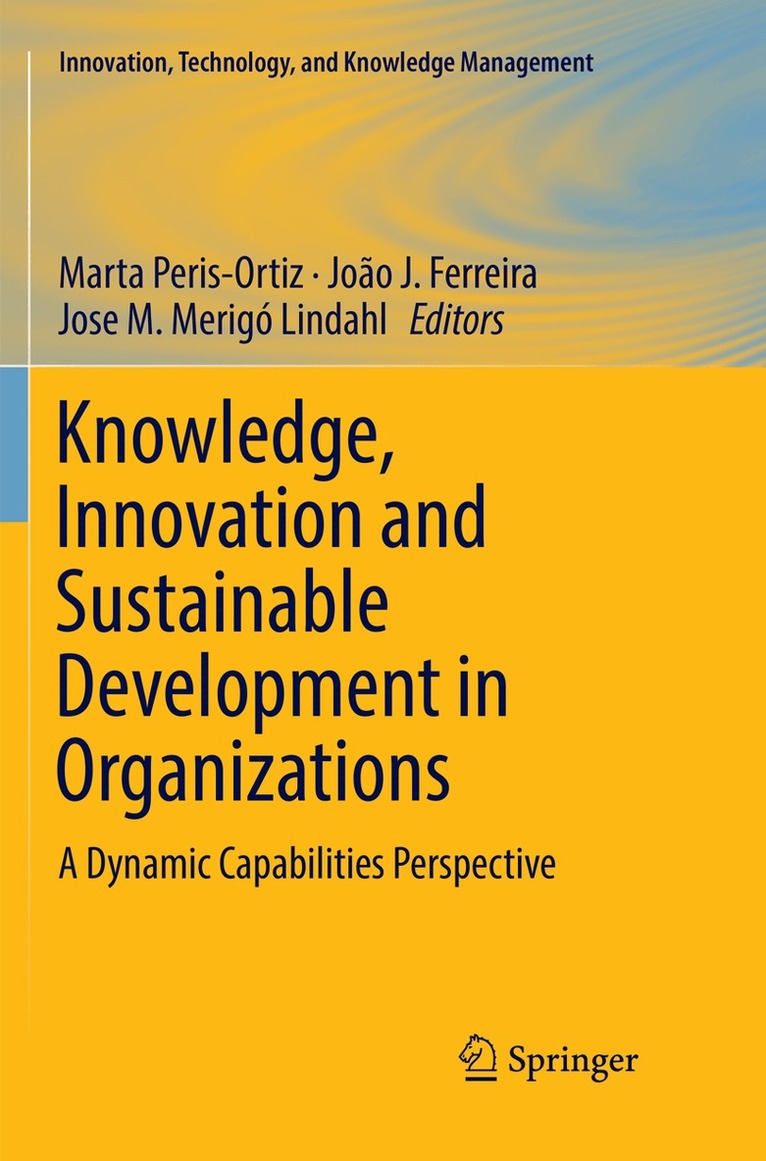
Knowledge, Innovation and Sustainable Development in Organizations
A Dynamic Capabilities Perspective
1 346 kr
Skickas inom 10-15 vardagar
1 199 kr
Skickas inom 10-15 vardagar
1 793 kr
Skickas inom 10-15 vardagar
2 194 kr
Läs direkt efter köp
This book examines the major economic challenges associated with the sustainability of public pensions, specifically demographic change, labor-market relations, and risk sharing. The issue of public pensions occupies the political and economic agendas of many major governments in the world. International organizations such as the World Bank and the OECD warn that the economic changes driven by an aging society negatively affects the sustainability of pension systems. This book analyzes different global public pension systems to offer policies, methods and tools for sustainable public pensions. Real case studies from France, Sweden, Latin America, Algeria, USA and Mexico are featured.
1 793 kr
Skickas inom 10-15 vardagar
1 681 kr
Skickas inom 10-15 vardagar
2 036 kr
Läs direkt efter köp
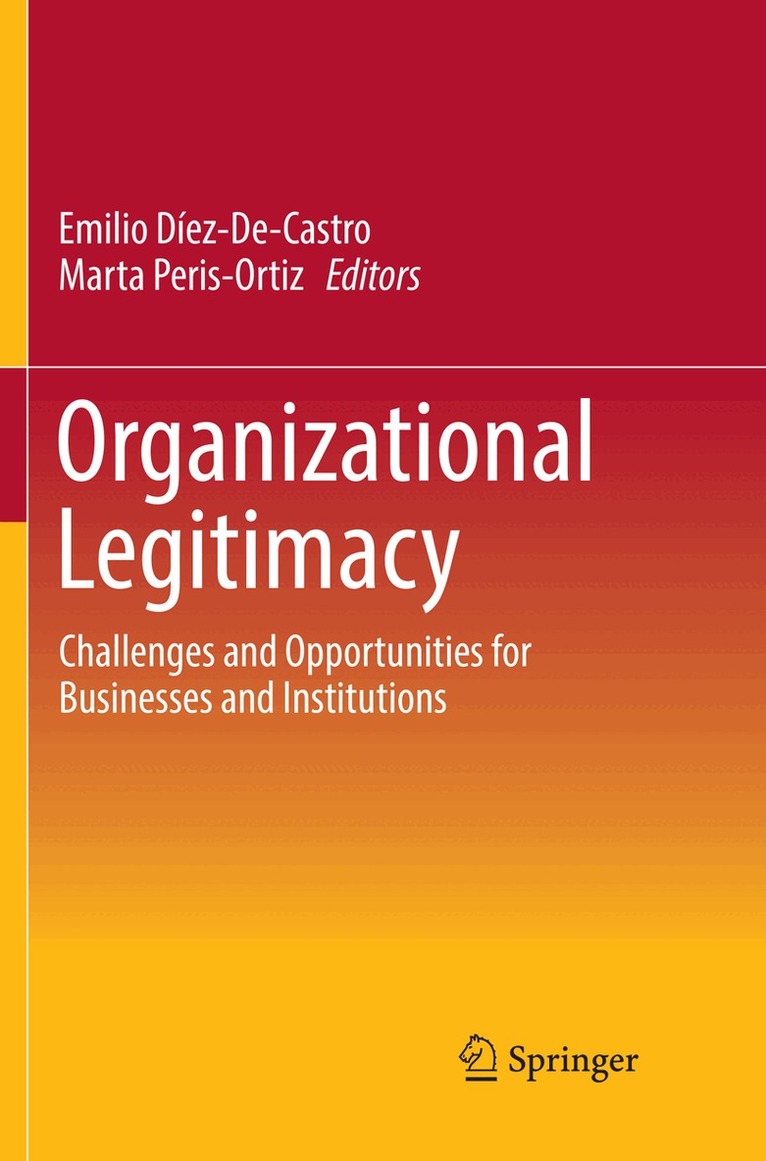
The interaction between a company and its stakeholder environment explains a key part of corporate behavior. This is because the level of social acceptance that the company achieves affects consumer trust, employee commitment, and access to credit or support from suppliers. This book examines these relationships to discover the best way to align corporate behaviour with the interests, values and preferences of stakeholders. It features contributions on topics such as marketing, emerging technologies, women in entrepreneurship, sports and tourism.
1 681 kr
Skickas inom 10-15 vardagar
565 kr
Skickas inom 10-15 vardagar
734 kr
Läs direkt efter köp
1 123 kr
Skickas inom 10-15 vardagar
1 459 kr
Läs direkt efter köp
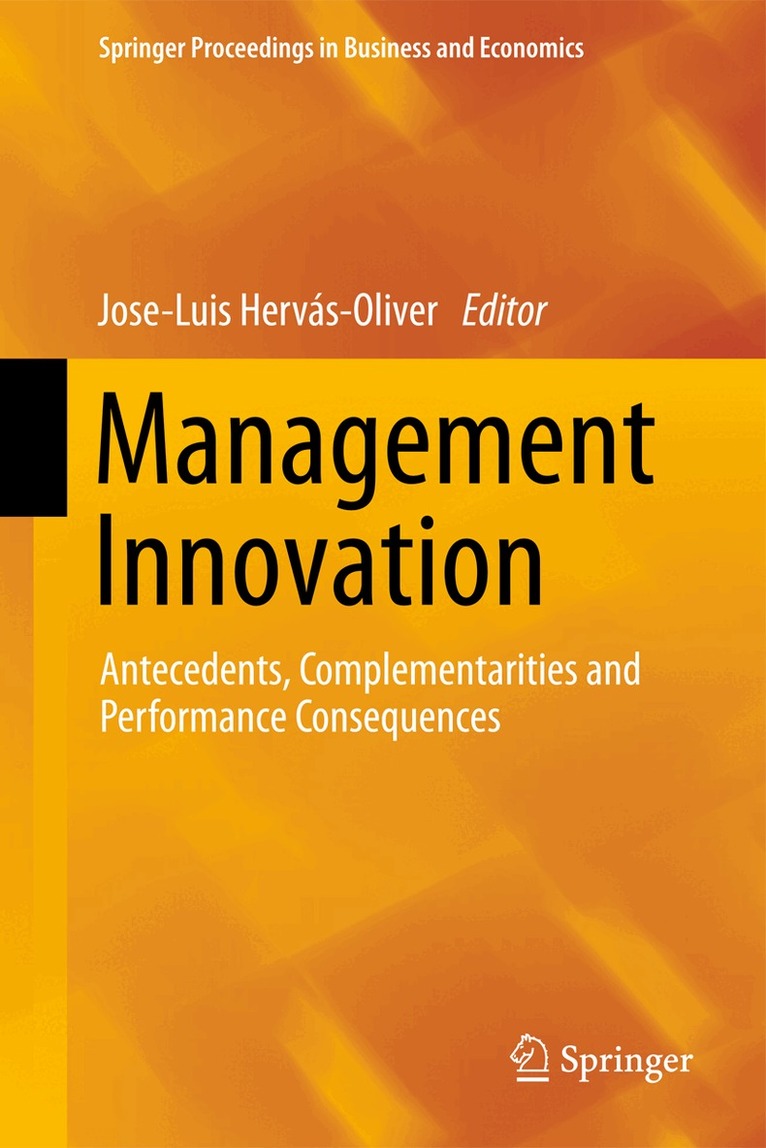
Under a framework in which technology and organizational innovation are markedly separated, this book advances knowledge on the topic by exploring the antecedents of a firm’s adoption of organizational innovation and its performance consequences.
The concept of organizational innovation encompasses the introduction of new administrative organizational and managerial activities, although currently it is accepted that these terms overlap. There are two different kinds of organizational innovation, usually inter-related: structural innovations(organizational arrangement and the division of labour within it)and managerial innovations(the way a firm organizes its activities or its personnel).
Based on papers from the Organizational Innovation and its Background, Consequences and Technological Complementarities Performance Conference, this volume contributes to the organizational and innovation literature by providing insights on the antecedents of the adoption of management innovation; exploring the complementary roles of management and technological innovation; addressing the performance consequences of management innovation adoption with and without technological innovation; and discusses management innovation using the resource-based view, thus enriching that theoretical approach.
533 kr
Skickas inom 10-15 vardagar
668 kr
Läs direkt efter köp
1 123 kr
Skickas inom 10-15 vardagar
1 459 kr
Läs direkt efter köp
Featuring case studies from the industrial and tourism sectors, this book provides an interdisciplinary perspective on the effect of total quality management on business and innovation strategies. The principles of Total Quality Management (TQM) have been widely researched and analyzed as an essential tool for businesses to compete in a globalized economy. This book presents the latest research on the applications of TQM across different functions such as customer service, human resources management and cost control. It demonstrates how the utilization of TQM tools, such as the SERVQUAL model, Eco-Management and Audit Scheme (EMAS), High Involvement Practices (HIWP) and the EFQM excellence model, impacts a firm’s performance, enhances productivity and innovation and reduces cost, thereby allowing them to compete more effectively in the global market. Building on the extensive literature on the relationship between TQM and business performance, the authors argue that quality acts as a powerful competitive tool that companies should embrace in their corporate strategy. By promoting activities that result in greater efficiency, improved control and management of the organization (internal quality), firms can achieve significant improvement in customer satisfaction, employee satisfaction, social impact and business results (external quality) and exceed expectations in these areas.
565 kr
Skickas inom 10-15 vardagar
708 kr
Läs direkt efter köp
533 kr
Skickas inom 10-15 vardagar
692 kr
Läs direkt efter köp
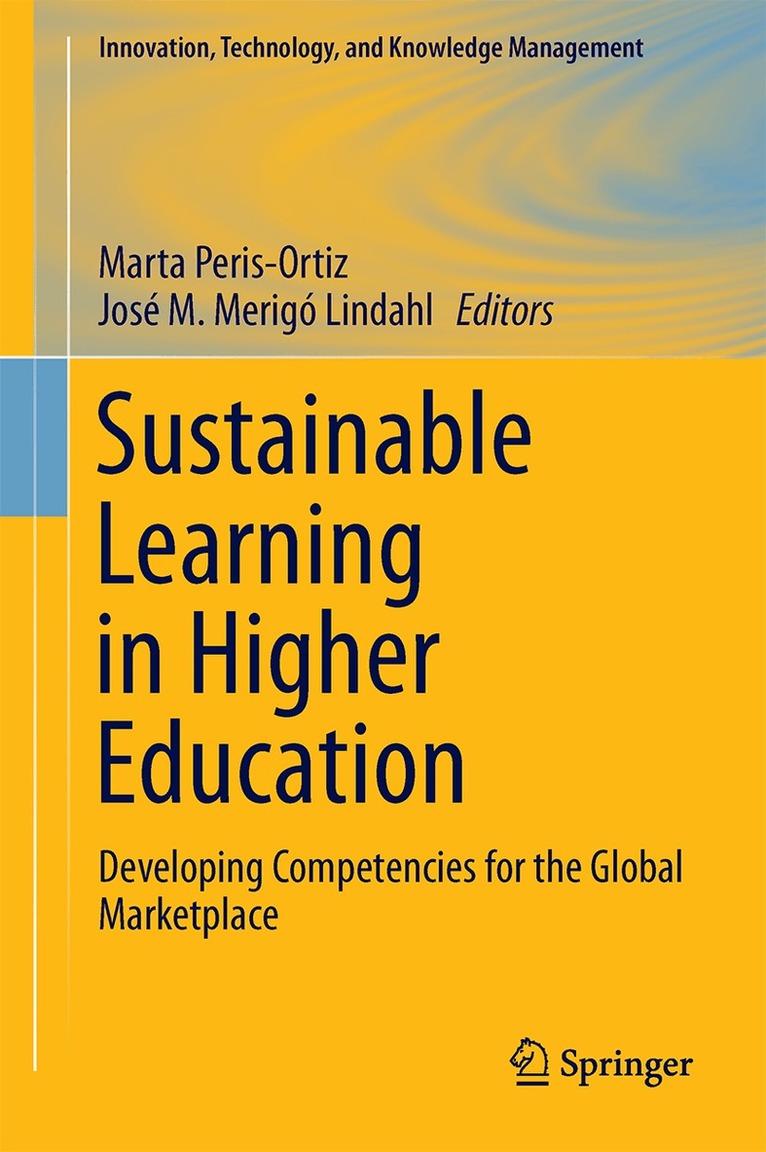
In an era of globalization, technological innovation, and social transformations, universities face the challenge of training students with the competencies needed to meet the demands of the market and to successfully integrate into today’s workforce. This book looks at the university as a dynamic source of essential competencies and explores various skill management models, methodologies and innovations applied by educational institutions around the world.
The demands of today’s society represent a major challenge for universities and their teaching staffs. Professors need to adapt their teaching methods to meet these new challenges. For example, universities need to prepare new generations of students with the ability to select, update and use knowledge, rather than processing facts and formulas. Students need to be capable of learning in different contexts and modalities throughout their professional careers and learn to adapt their knowledge to new situations. In response, a conceptual and methodological change has taken place in the university organizational culture and in student curriculums. This book presents a variety of cases and observations on the competencies developed in the curriculums of universities around the world, with the aim to assure that graduates leave fully prepared to face the challenges of the new economy.
1 458 kr
Skickas inom 10-15 vardagar
1 722 kr
Läs direkt efter köp
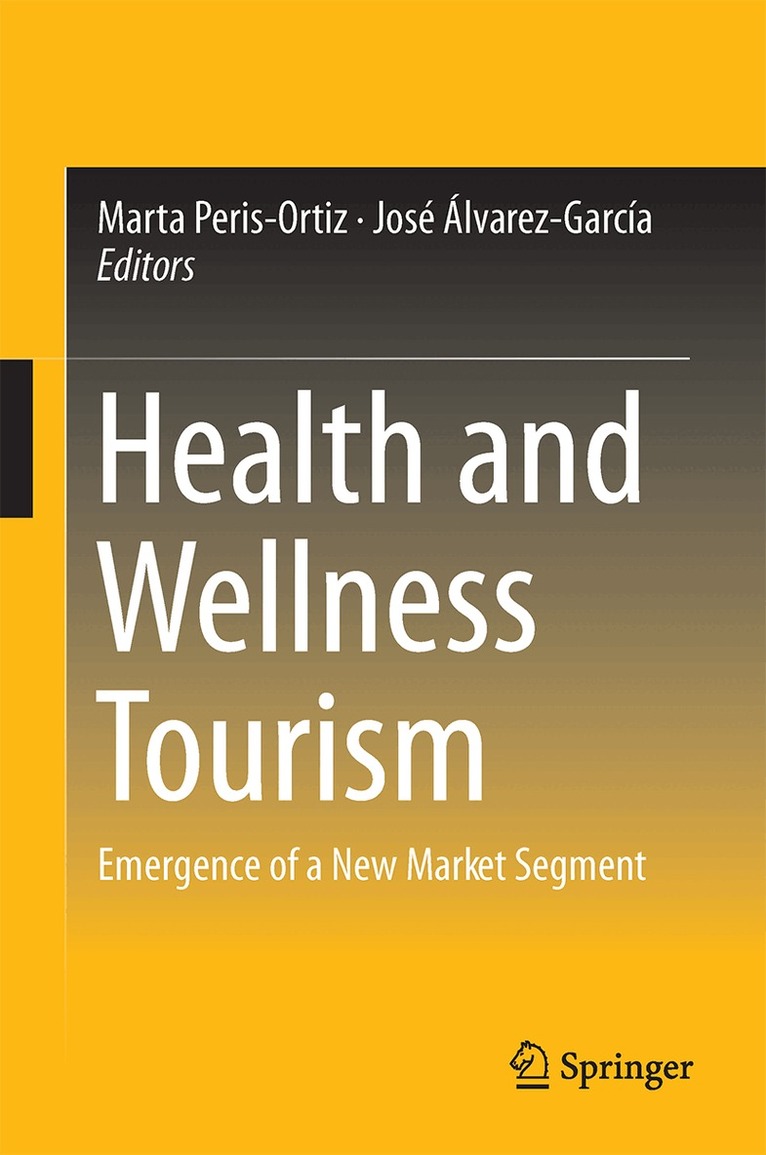
This book aims to contribute to the literature and aid in developing a theoretical and practical framework in the area of health and wellness tourism. With contributions and research from different countries using a practical approach, this book is an essential source for students, researchers and managers in the health and wellness tourism industry.
Recently, there has been an increased interest in health and wellness due to greater life expectancy, aging populations, increasing levels of stress among others. In this context, the concepts of health, wellness, beauty, relaxation, and tourism can be combined to satisfy the needs of people seeking better quality-of-life. This has given rise to health and wellness tourism, a new market segment that contributes to employment and economic growth in the new economy.
Health and wellness tourism involves two aspects: therapeutics, which seeks to cure certain diseases; and relaxation and leisure. As an alternative to traditional tourism, health and wellness tourism provides a new means of achieving regional and local development from a demographic, social, environmental and economic point-of-view. It contributes to tourist destinations’ economic growth, acting as a pillar to support other complementary activities. In short, health and wellness tourism contributes to employment growth and regional wealth, contributes to tourism seasonality, promotes quality in tourism destinations, helps create new tourist services with high value, promotes establishment of international cooperation networks, and yields a number of additional benefits. Featuring a variety of programs and initiatives from different regions, with an emphasis on thermal and thalassotherapy establishments, this volume sheds light on this emerging market segment and its implications for economic and policy development.
1 123 kr
Skickas inom 10-15 vardagar
1 408 kr
Läs direkt efter köp
1 123 kr
Skickas inom 10-15 vardagar
1 408 kr
Läs direkt efter köp
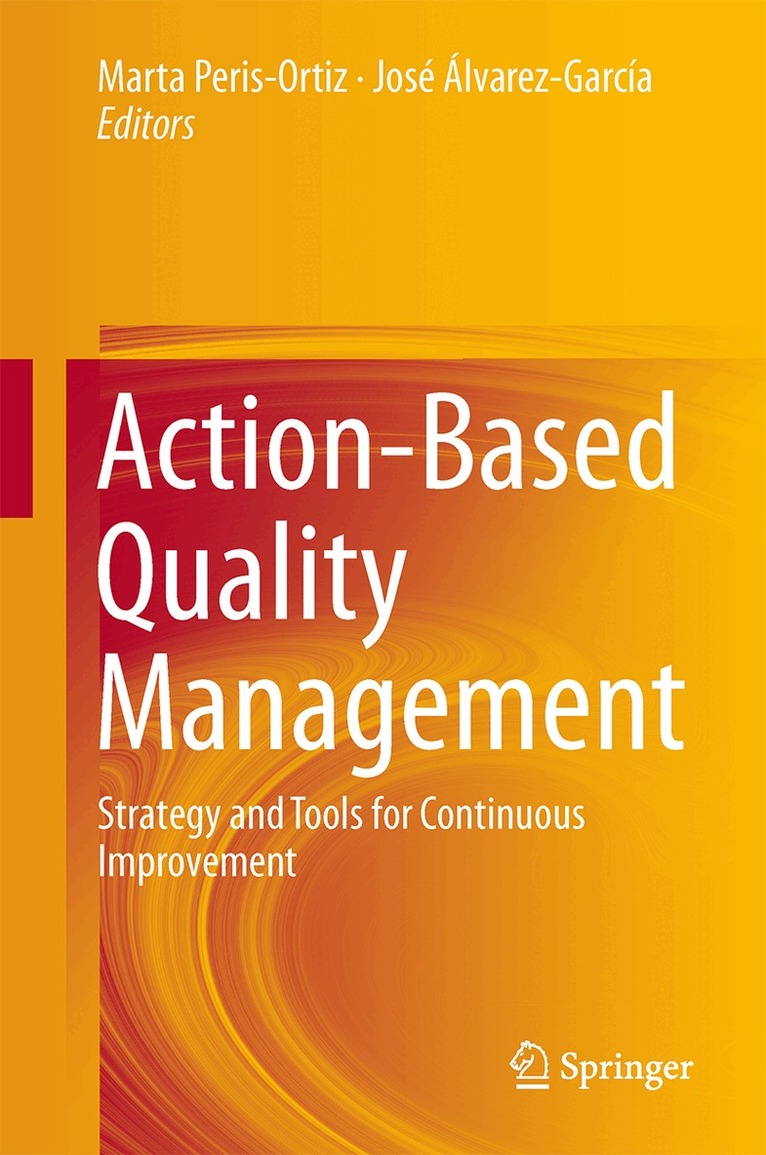
This book examines the ways in which quality management methods, tools, and practices help improve an organization’s performance and achieve sustainable competitive advantages. This volume includes quality techniques and tools such as the EFQM Model, SERVPERF model, E-S-Qual scale and the ISO 9001 certification and provide a wide variety of empirical studies in different economic sectors.
In the current economic environment, characterized by economic turmoil and fierce competition, quality management has become a key strategy for organizations to overcome today’s challenges. Organizations benefits from implementing quality management systems by following two approaches. First, they implement quality practices aimed at ensuring customer satisfaction by considering consumer expectations and establishing strategies accordingly. Second, organizations improve processes by establishing efficient and effective process management systems that improve productivity, lower costs, reduce unnecessary expenses, eliminate all non-value added activities, and ultimately maximize excellence and customer satisfaction. Quality management thereby provides tools, techniques, and methods for continuous process improvement in both the professional and academic worlds, which, when implemented by organizations in times of crisis, enable more effective administration of activities undertaken by managers.
Containing contributions from various academics and scholars, this new book provides cutting edge research, methods and techniques providing a reference manual for academics, scholars, practitioners and policy-makers.
1 091 kr
Skickas inom 10-15 vardagar
1 459 kr
Läs direkt efter köp
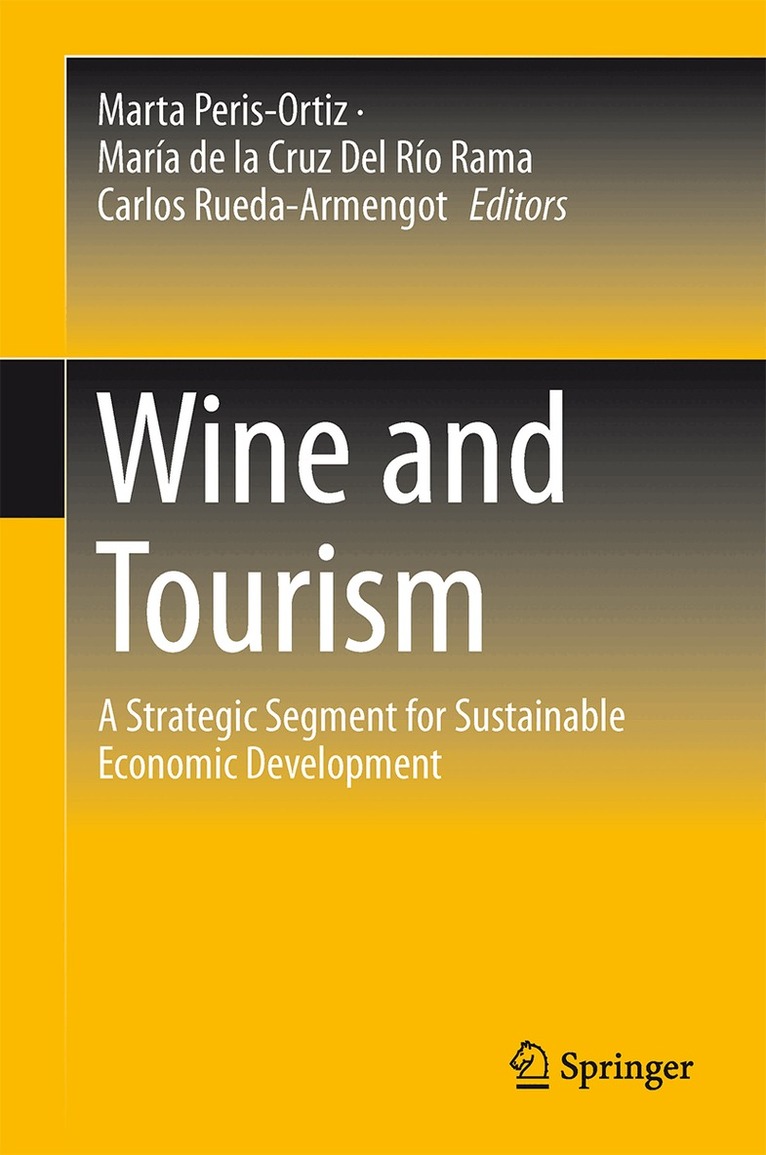
The aim of this book is to show how wine tourism can be used as a model for sustainable economic development, driving economic growth and social development in some locations. It will explore the interaction between tourism and viticulture in wine tourism destinations, while also explaining some of the repercussions of these activities. This book covers various topics including regional development, environmental management, sustainable viticulture, quality management in wineries and wine tourism routes among others.
Wine tourism, which combines two important yet distinct economic activities (i.e., tourism and viticulture), has recently emerged as a new tourism product driven by tourists’ search for new experiences and wineries’ need to diversify their businesses and seek new revenue streams to boost sales. This new form of tourism, which typically takes place in rural areas and which combines wine production with tourist activities, is becoming important for such regions by providing a complementary income source. It provides a model for sustainable economic development for these regions, which for various reasons may otherwise struggle to develop.
Featuring cases and business implications from various locations, this book provides an important source of knowledge—both theoretical and practical—suitable to academics, scholars, researchers, and practitioners in the tourism sector and the wine industry.
1 570 kr
Skickas inom 10-15 vardagar