Martin Charter – författare
727 kr
Läs direkt efter köp
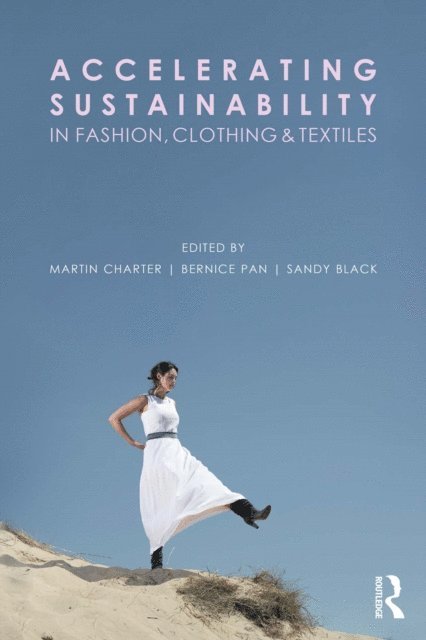
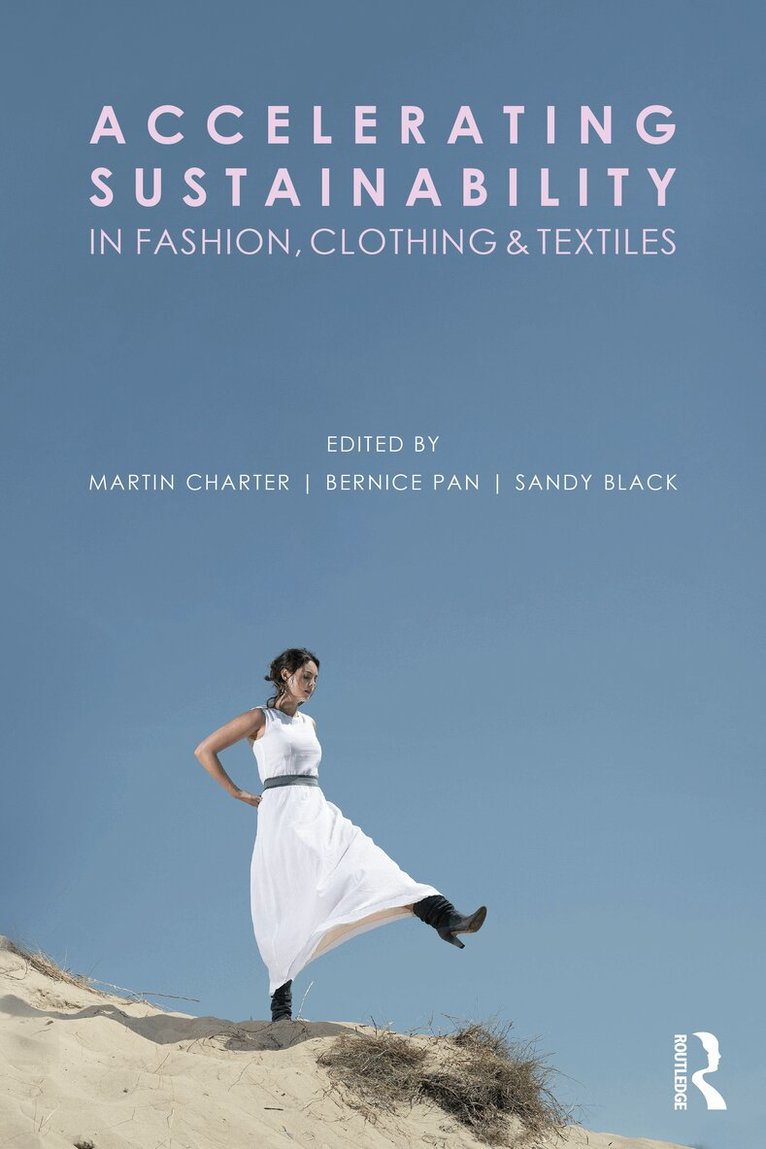
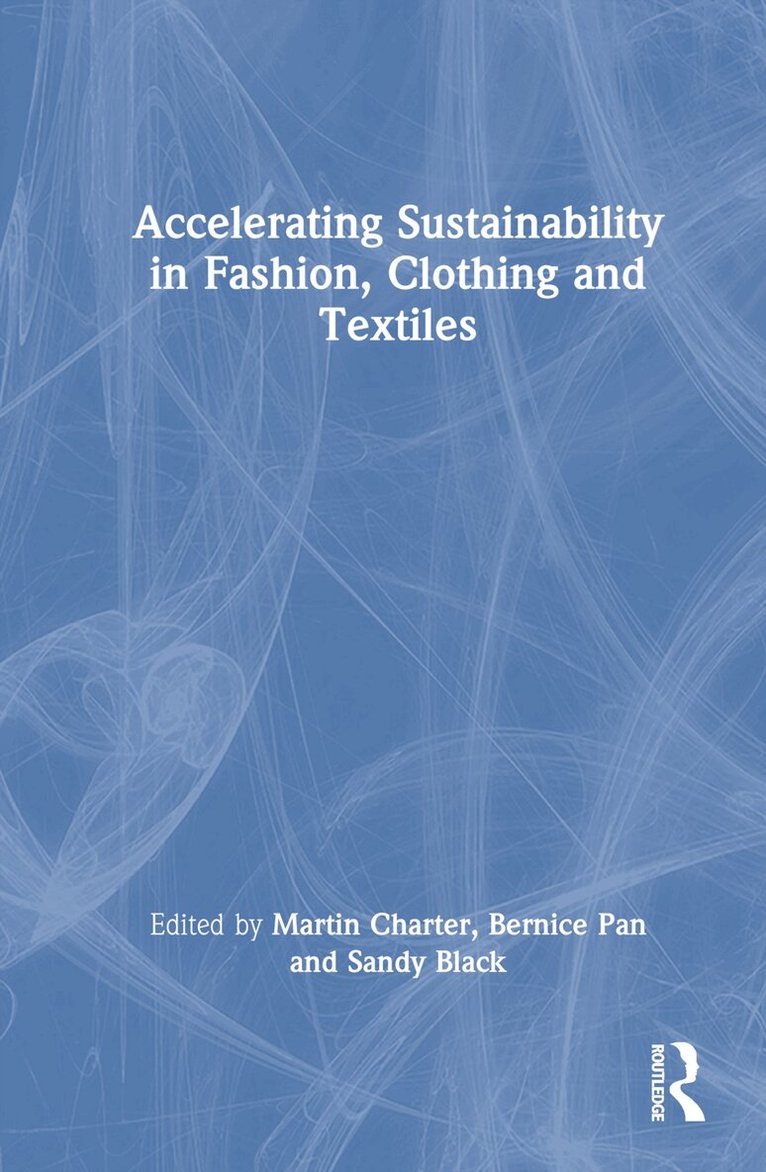
The issue of sustainability is characterised as a ‘wicked problem’ in the fashion, clothing and textiles sector and is now coming into increased focus due to growing consumer, business and policy pressures. This in-depth volume presents a comprehensive overview of the challenges and emerging opportunities faced by the sector, and provides strategic solutions as to how the sector can substantially accelerate sustainability.
This book collates research and industry best practice to provide a ‘one-stop shop’ exploring the complex and interconnected issues surrounding sustainability in fashion, clothing and textiles. The practical and digestible chapters include innovative examples and perspectives from different regions of the globe, addressing topics from policies to supply chain issues and materials innovation. Five unique case studies of sustainable businesses provide detailed examples of pioneering practice. Edited by three professionals with long-standing knowledge and expertise, the book takes a global perspective with examples that illustrate the scale and breadth of topics and regions in the scope of sustainability. This holistic approach brings together both academic and industry perspectives on the critical areas that require immediate action to move towards a more sustainable fashion, clothing and textile sector.
This is an invaluable resource for those working in the industry, policymakers and for those in business or academia with an interest in sustainability in fashion, clothing, textiles and related sectors worldwide. It is also relevant to professionals and students in the areas of sustainability, innovation, supply chains, design and development, consultancy, education and training.
727 kr
Läs direkt efter köp
The issue of sustainability is characterised as a ‘wicked problem’ in the fashion, clothing and textiles sector and is now coming into increased focus due to growing consumer, business and policy pressures. This in-depth volume presents a comprehensive overview of the challenges and emerging opportunities faced by the sector, and provides strategic solutions as to how the sector can substantially accelerate sustainability.
This book collates research and industry best practice to provide a ‘one-stop shop’ exploring the complex and interconnected issues surrounding sustainability in fashion, clothing and textiles. The practical and digestible chapters include innovative examples and perspectives from different regions of the globe, addressing topics from policies to supply chain issues and materials innovation. Five unique case studies of sustainable businesses provide detailed examples of pioneering practice. Edited by three professionals with long-standing knowledge and expertise, the book takes a global perspective with examples that illustrate the scale and breadth of topics and regions in the scope of sustainability. This holistic approach brings together both academic and industry perspectives on the critical areas that require immediate action to move towards a more sustainable fashion, clothing and textile sector.
This is an invaluable resource for those working in the industry, policymakers and for those in business or academia with an interest in sustainability in fashion, clothing, textiles and related sectors worldwide. It is also relevant to professionals and students in the areas of sustainability, innovation, supply chains, design and development, consultancy, education and training.
618 kr
Skickas inom 10-15 vardagar
2 508 kr
Skickas inom 10-15 vardagar
996 kr
Skickas inom 10-15 vardagar
774 kr
Läs direkt efter köp
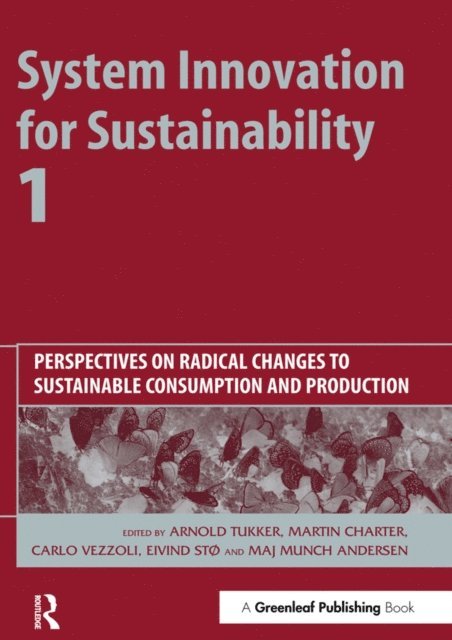
Sustainable consumption and production (SCP) was adopted as a priority area during the World Summit on Sustainable Development in Johannesburg in 2002 and has since become one of the main vehicles for targeting international sustainability policy. Sustainable consumption focuses on formulating equitable strategies that foster the highest quality of life, the efficient use of natural resources, and the effective satisfaction of human needs while simultaneously promoting equitable social development, economic competitiveness, and technological innovation. But this is a complex topic and, as the challenges of sustainability grow larger, there is a need to re-imagine how SCP policies can be formulated, governed and implemented. The EU-funded project "Sustainable Consumption Research Exchanges" (SCORE!) consists of around 200 experts in the field of sustainable innovation and sustainable consumption. The SCORE! philosophy is that innovation in SCP policy can be achieved only if experts that understand business development, (sustainable) solution design, consumer behaviour and system innovation policy work together in shaping it. Sustainable technology design can be effective only if business can profitably make the products and consumers are attracted to them. To understand how this might effectively happen, the expertise of systems thinkers must be added to the mix. System Innovation for Sustainability 1 is the first result of a unique positive confrontation between experts from all four communities. It examines what SCP is and what it could be, provides a state-of-the-art review on the governance of change in SCP policy and looks at the strengths and weaknesses of current approaches. The SCORE! experts are working with actors in industry, consumer groups and eco-labelling organisations in the key consumption areas of mobility, food and agriculture, and energy use and housing – responsible for 70% of the life-cycle environmental impacts of Western societies – with the aim of stimulating, fostering or forcing change to SCP theory in practice. The System Innovation for Sustainability series will continue with three further volumes of comprehensive case studies in each of these three critical consumption areas. Each chapter of this book examines problems and suggests solutions from a business, design, consumer and system innovation perspective. It primarily examines the differing solutions necessary in the consumer economies of the West, but also comments on the differing needs in rapidly emerging economies such as China, as well as base-of-the-pyramid economies. The System Innovation for Sustainability series is the fruit of the only major international research network on SCP and will set the standard in this field for some years to come. It will be required reading for all involved in the policy debate on sustainable production and consumption from government, business, academia and NGOs for designers, scientists, businesses and system innovators.
774 kr
Läs direkt efter köp
Sustainable consumption and production (SCP) was adopted as a priority area during the World Summit on Sustainable Development in Johannesburg in 2002 and has since become one of the main vehicles for targeting international sustainability policy. Sustainable consumption focuses on formulating equitable strategies that foster the highest quality of life, the efficient use of natural resources, and the effective satisfaction of human needs while simultaneously promoting equitable social development, economic competitiveness, and technological innovation. But this is a complex topic and, as the challenges of sustainability grow larger, there is a need to re-imagine how SCP policies can be formulated, governed and implemented. The EU-funded project "Sustainable Consumption Research Exchanges" (SCORE!) consists of around 200 experts in the field of sustainable innovation and sustainable consumption. The SCORE! philosophy is that innovation in SCP policy can be achieved only if experts that understand business development, (sustainable) solution design, consumer behaviour and system innovation policy work together in shaping it. Sustainable technology design can be effective only if business can profitably make the products and consumers are attracted to them. To understand how this might effectively happen, the expertise of systems thinkers must be added to the mix. System Innovation for Sustainability 1 is the first result of a unique positive confrontation between experts from all four communities. It examines what SCP is and what it could be, provides a state-of-the-art review on the governance of change in SCP policy and looks at the strengths and weaknesses of current approaches. The SCORE! experts are working with actors in industry, consumer groups and eco-labelling organisations in the key consumption areas of mobility, food and agriculture, and energy use and housing – responsible for 70% of the life-cycle environmental impacts of Western societies – with the aim of stimulating, fostering or forcing change to SCP theory in practice. The System Innovation for Sustainability series will continue with three further volumes of comprehensive case studies in each of these three critical consumption areas. Each chapter of this book examines problems and suggests solutions from a business, design, consumer and system innovation perspective. It primarily examines the differing solutions necessary in the consumer economies of the West, but also comments on the differing needs in rapidly emerging economies such as China, as well as base-of-the-pyramid economies. The System Innovation for Sustainability series is the fruit of the only major international research network on SCP and will set the standard in this field for some years to come. It will be required reading for all involved in the policy debate on sustainable production and consumption from government, business, academia and NGOs for designers, scientists, businesses and system innovators.
918 kr
Läs direkt efter köp
918 kr
Läs direkt efter köp
1 143 kr
Läs direkt efter köp
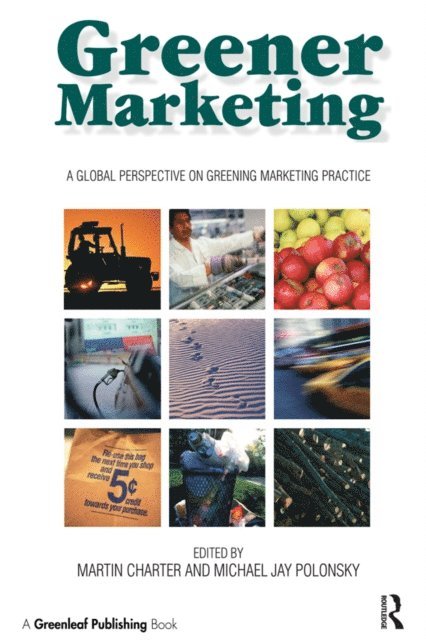
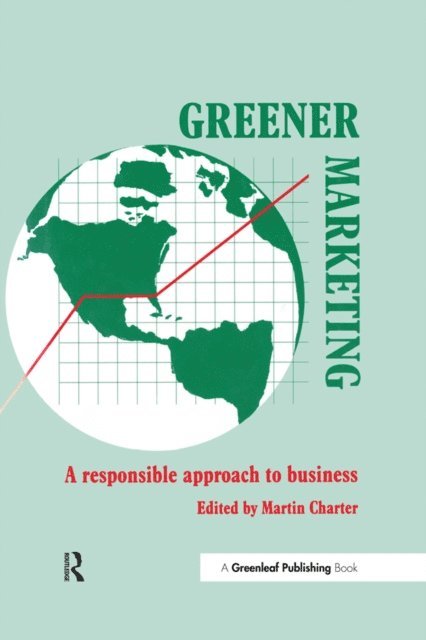
Building on the strengths of the material published in the hugely successful first edition of Greener Marketing, this important new title examines on a global scale the progress of environmental marketing in the 1990s and considers how social issues are increasingly becoming critical factors in how corporations meet the ever-growing demands and expectations of customers.
Despite the fact that such issues are increasingly important in marketing activities around the world, it is difficult for practitioners to keep up to date with complex and rapidly changing information and ideas. The purpose of this book is to provide practitioners and academics with best-practice examples and actionable recommendations on how to implement and appraise green marketing activities. It will provide information and ideas for those involved in marketing on how to incorporate environmental and social considerations, as well as providing new perspectives on marketing for environmental managers.
To achieve a comprehensive viewpoint, the book is split into three sections. The first sets out the strategic issues and rationale for green marketing, the second addresses tactical issues in more detail, and the third provides detailed international case studies.
Topics addressed by the global set of contributors include the growing area of products versus services, environmental product development, green marketing alliances, environmental communications, green consumers, eco-tourism and environmental marketing in developing countries.
reener Marketing is not only a sequel to the successful first volume, but redefines global progress towards the successful marketing of greener products and services.
1 071 kr
Läs direkt efter köp
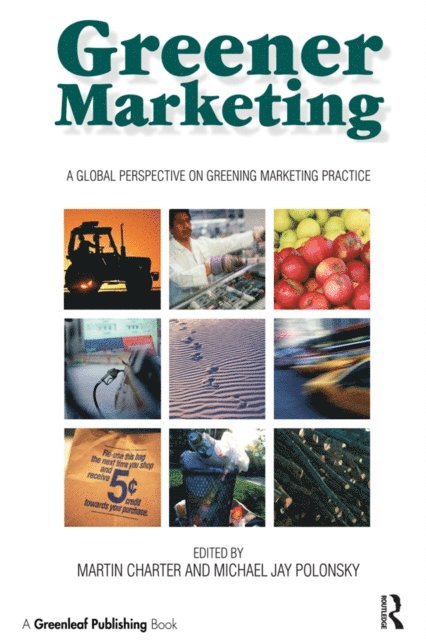
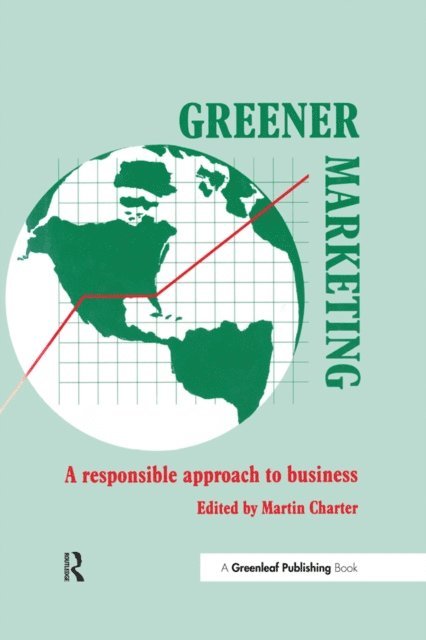
Building on the strengths of the material published in the hugely successful first edition of Greener Marketing, this important new title examines on a global scale the progress of environmental marketing in the 1990s and considers how social issues are increasingly becoming critical factors in how corporations meet the ever-growing demands and expectations of customers.
Despite the fact that such issues are increasingly important in marketing activities around the world, it is difficult for practitioners to keep up to date with complex and rapidly changing information and ideas. The purpose of this book is to provide practitioners and academics with best-practice examples and actionable recommendations on how to implement and appraise green marketing activities. It will provide information and ideas for those involved in marketing on how to incorporate environmental and social considerations, as well as providing new perspectives on marketing for environmental managers.
To achieve a comprehensive viewpoint, the book is split into three sections. The first sets out the strategic issues and rationale for green marketing, the second addresses tactical issues in more detail, and the third provides detailed international case studies.
Topics addressed by the global set of contributors include the growing area of products versus services, environmental product development, green marketing alliances, environmental communications, green consumers, eco-tourism and environmental marketing in developing countries.
reener Marketing is not only a sequel to the successful first volume, but redefines global progress towards the successful marketing of greener products and services.
727 kr
Läs direkt efter köp
727 kr
Läs direkt efter köp
797 kr
Läs direkt efter köp
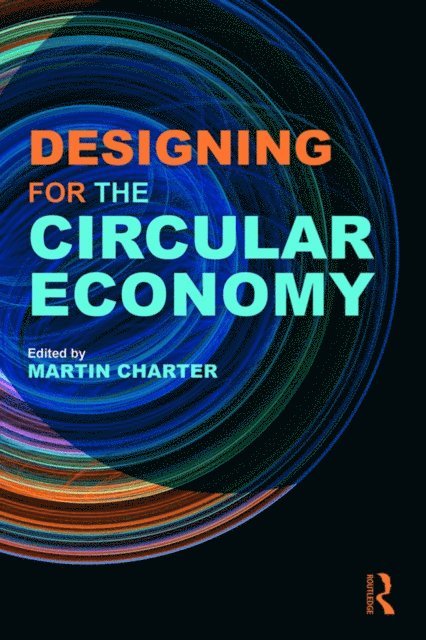
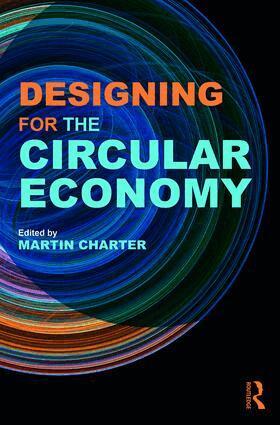
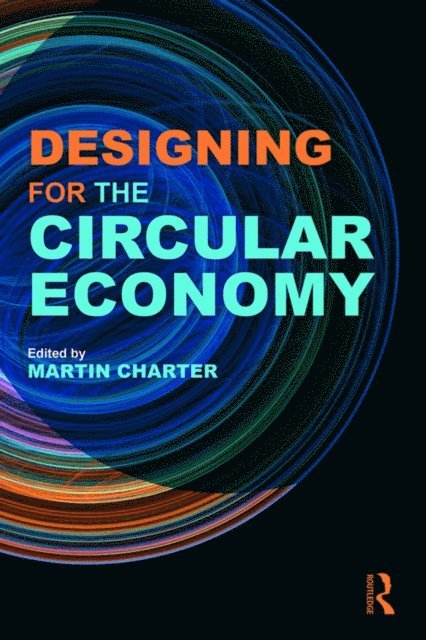
The circular economy describes a world in which reuse through repair, reconditioning and refurbishment is the prevailing social and economic model. The business opportunities are huge but developing product and service offerings and achieving competitive advantage means rethinking your business model from early creativity and design processes, through marketing and communication to pricing and supply. Designing for the Circular Economy highlights and explores ‘state of the art’ research and industrial practice, highlighting CE as a source of: new business opportunities; radical business change; disruptive innovation; social change; and new consumer attitudes.
The thirty-four chapters provide a comprehensive overview of issues related to product circularity from policy through to design and development. Chapters are designed to be easy to digest and include numerous examples. An important feature of the book is the case studies section that covers a diverse range of topics related to CE, business models and design and development in sectors ranging from construction to retail, clothing, technology and manufacturing.
Designing for the Circular Economy will inform and educate any companies seeking to move their business models towards these emerging models of sustainability; organizations already working in the circular economy can benchmark their current activities and draw inspiration from new applications and an understanding of the changing social and political context. This book will appeal to both academia and business with an interest in CE issues related to products, innovation and new business models.
797 kr
Läs direkt efter köp
The circular economy describes a world in which reuse through repair, reconditioning and refurbishment is the prevailing social and economic model. The business opportunities are huge but developing product and service offerings and achieving competitive advantage means rethinking your business model from early creativity and design processes, through marketing and communication to pricing and supply. Designing for the Circular Economy highlights and explores ‘state of the art’ research and industrial practice, highlighting CE as a source of: new business opportunities; radical business change; disruptive innovation; social change; and new consumer attitudes.
The thirty-four chapters provide a comprehensive overview of issues related to product circularity from policy through to design and development. Chapters are designed to be easy to digest and include numerous examples. An important feature of the book is the case studies section that covers a diverse range of topics related to CE, business models and design and development in sectors ranging from construction to retail, clothing, technology and manufacturing.
Designing for the Circular Economy will inform and educate any companies seeking to move their business models towards these emerging models of sustainability; organizations already working in the circular economy can benchmark their current activities and draw inspiration from new applications and an understanding of the changing social and political context. This book will appeal to both academia and business with an interest in CE issues related to products, innovation and new business models.
618 kr
Skickas inom 10-15 vardagar
1 148 kr
Skickas inom 5-8 vardagar
939 kr
Skickas inom 10-15 vardagar
699 kr
Skickas inom 10-15 vardagar