Martin Welschof – författare
Visar alla böcker från författaren Martin Welschof. Handla med fri frakt och snabb leverans.
3 produkter
3 produkter
Inbunden, Engelska, 2002
1 680 kr
Skickas inom 10-15 vardagar
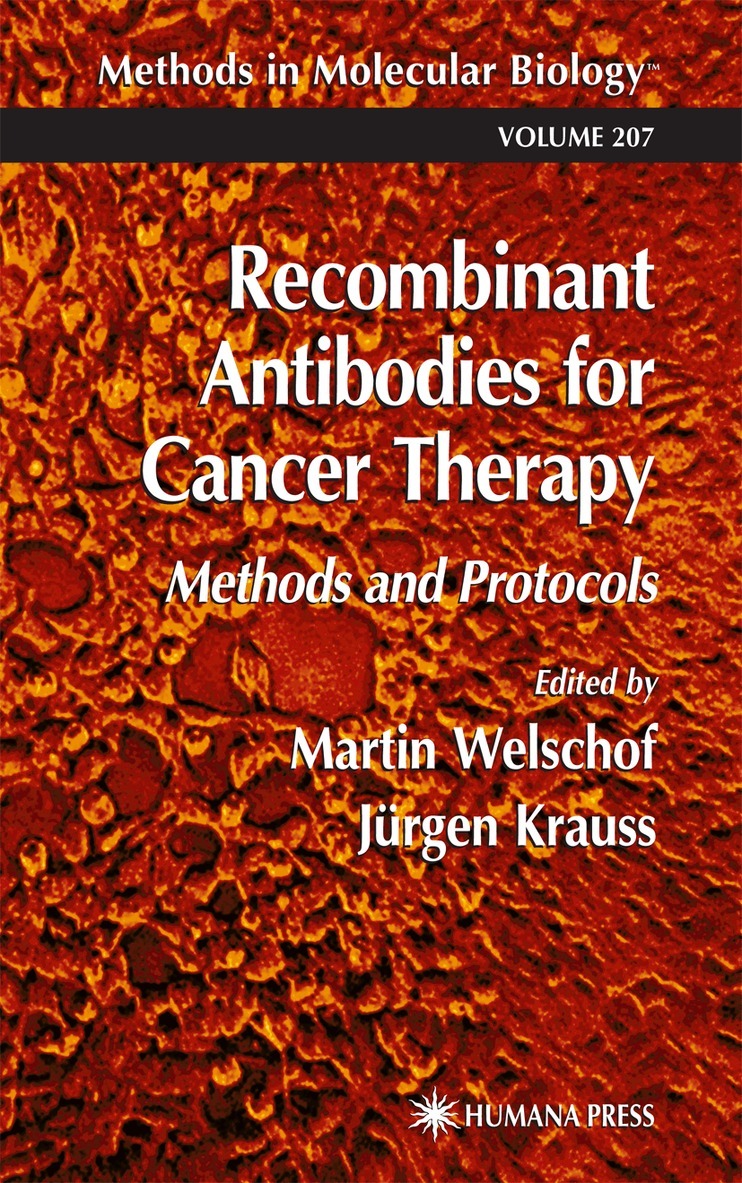
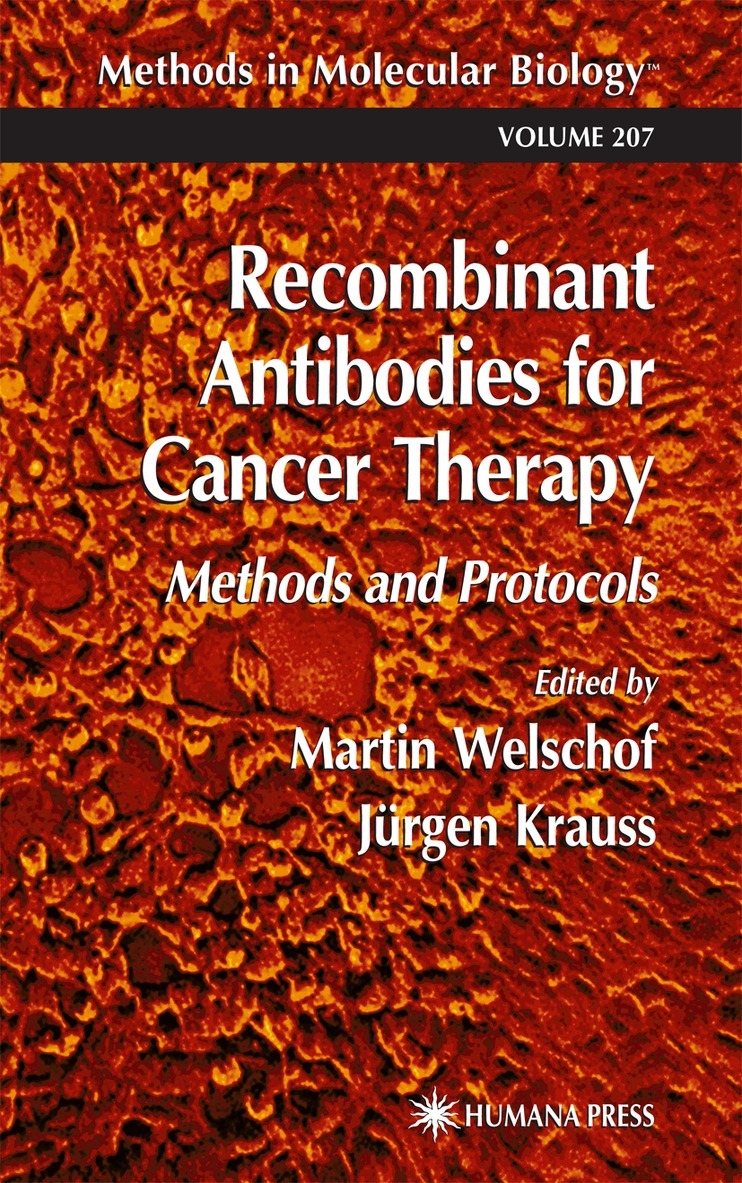
In Recombinant Antibodies for Cancer Therapy: Methods and Protocols, Martin Welschoff and Jurgen Krauss present a collection of carefully selected protocols for the design, construction, and characterization of novel anticancer therapeutics based on recombinant antibody technology. These readily reproducible methods include coverage of hybridoma-derived recombinant antibodies, recombinant antibody fragments from phagemid-displayed antibody repertoires, antibody fragments with additional properties, and large-scale production of recombinant antibodies for clinical applications. Concise review articles also survey the current status of recombinant antibodies in cancer therapy, as well as the generation of antibody molecules through antibody engineering.
E-bok
Engelska, 20081 565 kr
Läs direkt efter köp
Since the advent of hybridoma technology more than two decades ago, numerous antibodies have entered the clinical setting as potent therapeutic agents. Their repeated application in humans, however, is limited by the development of human antimouse antibodies (HAMA) in the recipient, leading to allergic re- tions against the foreign murine protein and rapid neutralization. To circumvent these limitations many new antibodies have recently been tailored through recombinant antibody technology. The initial clinical data show encouraging results, thus demonstrating the potential of these new therapeutic agents. The purpose of Recombinant Antibodies for Cancer Therapy is to present a collection of detailed protocols in recombinant antibody technology. It is pri- rily addressed to scientists working on recombinant antibodies as well as cli- cians involved with antibody-based therapies. As with other volumes of this series, we placed the main focus on providing detailed protocols describing procedures step-by-step. Moreover, each protocol supplies a troubleshooting guide containing detailed information on possible problems and hints for pot- tial solutions. Antibody technology is a subject of constant and rapid change. This volume, therefore, does not attempt to cover all possible current experimental approaches in the field. Rather, we present carefully selected protocols, written by competent authors who have successfully verified the particular method described. Given our own professional backgrounds and interest in oncology, we chose to conc- trate chiefly on therapeutic agents for cancer patients.
Häftad, Engelska, 2011
1 234 kr
Skickas inom 10-15 vardagar
Since the advent of hybridoma technology more than two decades ago, numerous antibodies have entered the clinical setting as potent therapeutic agents. Their repeated application in humans, however, is limited by the development of human antimouse antibodies (HAMA) in the recipient, leading to allergic re- tions against the foreign murine protein and rapid neutralization. To circumvent these limitations many new antibodies have recently been tailored through recombinant antibody technology. The initial clinical data show encouraging results, thus demonstrating the potential of these new therapeutic agents. The purpose of Recombinant Antibodies for Cancer Therapy is to present a collection of detailed protocols in recombinant antibody technology. It is pri- rily addressed to scientists working on recombinant antibodies as well as cli- cians involved with antibody-based therapies. As with other volumes of this series, we placed the main focus on providing detailed protocols describing procedures step-by-step. Moreover, each protocol supplies a troubleshooting guide containing detailed information on possible problems and hints for pot- tial solutions. Antibody technology is a subject of constant and rapid change. This volume, therefore, does not attempt to cover all possible current experimental approaches in the field. Rather, we present carefully selected protocols, written by competent authors who have successfully verified the particular method described. Given our own professional backgrounds and interest in oncology, we chose to conc- trate chiefly on therapeutic agents for cancer patients.