Maryam Sarwat – författare
1 938 kr
Skickas inom 10-15 vardagar
Senescence Signalling and Control in Plants discusses the studies showing the importance of hormone action on developmental senescence. It shows the involvement of various signaling components (such as EIN2, LOX2) and transcription factors (such as oresara1 or ORE1) in controlling hormonal activity during senescence. Further, the involvement of various micro RNAs (miR164, miR319) in regulating leaf senescence are discussed. Through this book, the authors throw light on all the reverse and forward genetic approaches to reveal the role of various other phytohormones regulating plant senescence and the molecular mechanisms involved.
Chapters on relevant topics are contributed by experts working in the area, making this a comprehensive treatise designed to provide an in-depth analysis on the subject matter.
Throws light on the involvement of hormones (other than the well- known hormones cytokine and ethylene) in plant senescence Shows the underlying mechanisms on the hormonal actions during senescence Exhibits the involvement of microRNAs during this important plant developmental process2 759 kr
Läs direkt efter köp
1 228 kr
Skickas inom 10-15 vardagar
Saffron: The Age-Old Panacea in a New Light is the first book to detail the functions and effect of saffron in medicinal situations. This book explores the medicinal aspects of saffron and the effect saffron imparts on various diseases of the central nervous system, cardiovascular system, digestive system, locomotor system, urogenital system, eye, skin, and immune system, along with their mechanism of action. This perpetual bulb found mainly in Asia and Europe, Iran, India and Mediterranean countries has been shown to reduce seizures, delay convulsions, and as a neuroprotective agent against cerebral ischemia, brain damage, and Alzheimer's and Parkinson's disease.
In addition, it also reduces depression, hypnosis and anxiety and enhances learning and memory skills.
Outlines the history of the medicinal use of saffron Provides details on the mechanism of action of saffron Explores the effect of saffron on specific aspects of the body1 759 kr
Läs direkt efter köp
1 203 kr
Skickas inom 10-15 vardagar
1 708 kr
Läs direkt efter köp
1 917 kr
Skickas inom 11-20 vardagar
2 545 kr
Läs direkt efter köp
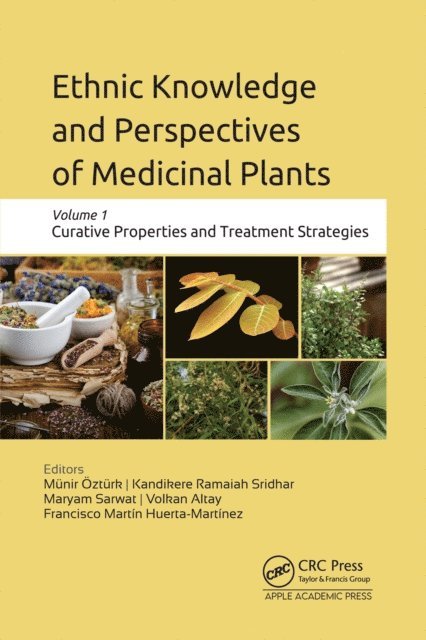
This new 2-volume set aims to share and preserve ethnic and traditional knowledge of herbal medicine and treatments, while also emphasizing the link between biodiversity, human nutrition, and food security. Ethnic Knowledge and Perspectives of Medicinal Plants is divided into two volumes, with volume 1 focusing on the traditional use of curative properties and treatment strategies of medicinal plants, and volume 2 addressing the varied nutritional and dietary benefits of medicinal plants and the practice of Ayurveda. Both volumes stress the importance of bioresources for human nutrition and nutraceuticals based on ethnic knowledge and the need for efforts to protect biodiversity in many regions rich with medicinal plants.
Exploring the benefits of medicinal plants in disease prevention, treatment, and management, Volume 1 discusses the traditional use of medicinal plants as promising therapeutics for cancer, liver conditions, COVID-19, and other human ailments. It examines the efficacy of Ayurvedic and Chinese herbal medicine, Indian traditional medicine, and other ethnic herbal practices used by indigenous peoples of Azerbaijan, South America, Turkey, India, etc. A variety of plants are discussed, and the ethnomedicinal applications of over 100 wild mushrooms for their medicinal and healthcare purposes are elaborated on.
While volume 1 focuses primarily on natural plant resources for addressing specific health issues, volume 2 looks at traditional medicinal plant use for their nutritional and dietary benefits, while also encouraging the preservation of biodiversity for healthy and sustainable diets. The volume presents information on over 2200 vascular plant taxa from 127 families as well as many taxa from leaf parts, fruits, underground parts, floral parts, seeds, and more that have potential use as edible food plants. Ethnic knowledge on the wild edible mushrooms is an emerging area, which is unique and is dependent on the folk knowledge of tribals; this volume discusses the unique nutritional attributes of wild edible mushrooms (206 species belonging to 73 genera) in Southern India. The authors look at various lichens as nutritional aids and medicine and as flavoring agents and spices. Fucoidans derived from the seaweeds (and spirulina) are described for their antioxidant activity, nutritional and anti-aging properties, antiviral activities, anti-cancer properties, anti-diabetic properties, and more. The authors also examine how ethnicity affects healthcare/nutritive systems at different levels through various dynamics such as lower income, inability for services uptake, disputes among different ethnic groups, cultural attitudes (some ethnic group are vegetarian), lack of socio-economic resources, and disease prevalence.
Together, these two important volumes aim to preserve and disseminate the valuable ethnic knowledge of medicinal plants gained over thousands of years and to promote the value of integrating and safeguarding biodiversity.
2 545 kr
Läs direkt efter köp
This new 2-volume set aims to share and preserve ethnic and traditional knowledge of herbal medicine and treatments, while also emphasizing the link between biodiversity, human nutrition, and food security. Ethnic Knowledge and Perspectives of Medicinal Plants is divided into two volumes, with volume 1 focusing on the traditional use of curative properties and treatment strategies of medicinal plants, and volume 2 addressing the varied nutritional and dietary benefits of medicinal plants and the practice of Ayurveda. Both volumes stress the importance of bioresources for human nutrition and nutraceuticals based on ethnic knowledge and the need for efforts to protect biodiversity in many regions rich with medicinal plants.
Exploring the benefits of medicinal plants in disease prevention, treatment, and management, Volume 1 discusses the traditional use of medicinal plants as promising therapeutics for cancer, liver conditions, COVID-19, and other human ailments. It examines the efficacy of Ayurvedic and Chinese herbal medicine, Indian traditional medicine, and other ethnic herbal practices used by indigenous peoples of Azerbaijan, South America, Turkey, India, etc. A variety of plants are discussed, and the ethnomedicinal applications of over 100 wild mushrooms for their medicinal and healthcare purposes are elaborated on.
While volume 1 focuses primarily on natural plant resources for addressing specific health issues, volume 2 looks at traditional medicinal plant use for their nutritional and dietary benefits, while also encouraging the preservation of biodiversity for healthy and sustainable diets. The volume presents information on over 2200 vascular plant taxa from 127 families as well as many taxa from leaf parts, fruits, underground parts, floral parts, seeds, and more that have potential use as edible food plants. Ethnic knowledge on the wild edible mushrooms is an emerging area, which is unique and is dependent on the folk knowledge of tribals; this volume discusses the unique nutritional attributes of wild edible mushrooms (206 species belonging to 73 genera) in Southern India. The authors look at various lichens as nutritional aids and medicine and as flavoring agents and spices. Fucoidans derived from the seaweeds (and spirulina) are described for their antioxidant activity, nutritional and anti-aging properties, antiviral activities, anti-cancer properties, anti-diabetic properties, and more. The authors also examine how ethnicity affects healthcare/nutritive systems at different levels through various dynamics such as lower income, inability for services uptake, disputes among different ethnic groups, cultural attitudes (some ethnic group are vegetarian), lack of socio-economic resources, and disease prevalence.
Together, these two important volumes aim to preserve and disseminate the valuable ethnic knowledge of medicinal plants gained over thousands of years and to promote the value of integrating and safeguarding biodiversity.
2 545 kr
Läs direkt efter köp
This new 2-volume set aims to share and preserve ethnic and traditional knowledge of herbal medicine and treatments, while also emphasizing the link between biodiversity, human nutrition, and food security. Ethnic Knowledge and Perspectives of Medicinal Plants is divided into two volumes, with volume 1 focusing on the traditional use of curative properties and treatment strategies of medicinal plants, and volume 2 addressing the varied nutritional and dietary benefits of medicinal plants and the practice of Ayurveda. Both volumes stress the importance of bioresources for human nutrition and nutraceuticals based on ethnic knowledge and the need for efforts to protect biodiversity in many regions rich with medicinal plants.
Exploring the benefits of medicinal plants in disease prevention, treatment, and management, Volume 1 discusses the traditional use of medicinal plants as promising therapeutics for cancer, liver conditions, COVID-19, and other human ailments. It examines the efficacy of Ayurvedic and Chinese herbal medicine, Indian traditional medicine, and other ethnic herbal practices used by indigenous peoples of Azerbaijan, South America, Turkey, India, etc. A variety of plants are discussed, and the ethnomedicinal applications of over 100 wild mushrooms for their medicinal and healthcare purposes are elaborated on.
While volume 1 focuses primarily on natural plant resources for addressing specific health issues, volume 2 looks at traditional medicinal plant use for their nutritional and dietary benefits, while also encouraging the preservation of biodiversity for healthy and sustainable diets. The volume presents information on over 2200 vascular plant taxa from 127 families as well as many taxa from leaf parts, fruits, underground parts, floral parts, seeds, and more that have potential use as edible food plants. Ethnic knowledge on the wild edible mushrooms is an emerging area, which is unique and is dependent on the folk knowledge of tribals; this volume discusses the unique nutritional attributes of wild edible mushrooms (206 species belonging to 73 genera) in Southern India. The authors look at various lichens as nutritional aids and medicine and as flavoring agents and spices. Fucoidans derived from the seaweeds (and spirulina) are described for their antioxidant activity, nutritional and anti-aging properties, antiviral activities, anti-cancer properties, anti-diabetic properties, and more. The authors also examine how ethnicity affects healthcare/nutritive systems at different levels through various dynamics such as lower income, inability for services uptake, disputes among different ethnic groups, cultural attitudes (some ethnic group are vegetarian), lack of socio-economic resources, and disease prevalence.
Together, these two important volumes aim to preserve and disseminate the valuable ethnic knowledge of medicinal plants gained over thousands of years and to promote the value of integrating and safeguarding biodiversity.
2 545 kr
Läs direkt efter köp
This new 2-volume set aims to share and preserve ethnic and traditional knowledge of herbal medicine and treatments, while also emphasizing the link between biodiversity, human nutrition, and food security. Ethnic Knowledge and Perspectives of Medicinal Plants is divided into two volumes, with volume 1 focusing on the traditional use of curative properties and treatment strategies of medicinal plants, and volume 2 addressing the varied nutritional and dietary benefits of medicinal plants and the practice of Ayurveda. Both volumes stress the importance of bioresources for human nutrition and nutraceuticals based on ethnic knowledge and the need for efforts to protect biodiversity in many regions rich with medicinal plants.
Exploring the benefits of medicinal plants in disease prevention, treatment, and management, Volume 1 discusses the traditional use of medicinal plants as promising therapeutics for cancer, liver conditions, COVID-19, and other human ailments. It examines the efficacy of Ayurvedic and Chinese herbal medicine, Indian traditional medicine, and other ethnic herbal practices used by indigenous peoples of Azerbaijan, South America, Turkey, India, etc. A variety of plants are discussed, and the ethnomedicinal applications of over 100 wild mushrooms for their medicinal and healthcare purposes are elaborated on.
While volume 1 focuses primarily on natural plant resources for addressing specific health issues, volume 2 looks at traditional medicinal plant use for their nutritional and dietary benefits, while also encouraging the preservation of biodiversity for healthy and sustainable diets. The volume presents information on over 2200 vascular plant taxa from 127 families as well as many taxa from leaf parts, fruits, underground parts, floral parts, seeds, and more that have potential use as edible food plants. Ethnic knowledge on the wild edible mushrooms is an emerging area, which is unique and is dependent on the folk knowledge of tribals; this volume discusses the unique nutritional attributes of wild edible mushrooms (206 species belonging to 73 genera) in Southern India. The authors look at various lichens as nutritional aids and medicine and as flavoring agents and spices. Fucoidans derived from the seaweeds (and spirulina) are described for their antioxidant activity, nutritional and anti-aging properties, antiviral activities, anti-cancer properties, anti-diabetic properties, and more. The authors also examine how ethnicity affects healthcare/nutritive systems at different levels through various dynamics such as lower income, inability for services uptake, disputes among different ethnic groups, cultural attitudes (some ethnic group are vegetarian), lack of socio-economic resources, and disease prevalence.
Together, these two important volumes aim to preserve and disseminate the valuable ethnic knowledge of medicinal plants gained over thousands of years and to promote the value of integrating and safeguarding biodiversity.
2 071 kr
Skickas inom 10-15 vardagar
970 kr
Läs direkt efter köp
Ageing is the main reason for most neurodegenerative diseases, including Alzheimer’s disease (AD) and Parkinson’s disease (PD). About 10% of individuals aged ≥65 years develop AD, which continuously increases with growing age. Medicinal plants have been used for age-related neurodegenerative disorders for a long time. These plants are rich in terms of various phytochemical constituents such as flavonoids, sterols, alkaloids, saponins, and terpenoids. Different scientific studies have been carried out on these medicinal herbs, e.g., anti-inflammatory, antioxidant, and neuro-regenerative activities that may be used in the treatment of AD and other age-related diseases. These medicinal plants, e.g., Curcuma longa, Bacopa monniera, Glycyrrhiza glabra, Commiphora whighitti, and Acorus calamus L., have anti-inflammatory properties that may decrease swelling of the brain tissue in AD.
Despite this, there is currently no book available in the market that provides full information on the phytochemical and medicinal uses of the medicinal plants exclusively used for the management of neurodegenerative diseases in the elderly. This book aims to provide some important and evidence-based information on the plants used for neurodegenerative diseases in the elderly, especially AD and PD, in a planned manner so the academicians, researchers, and students working in the fields of medicinal plants, plant science, chemistry, biotechnology, pharmacognosy, pharmaceuticals, biochemistry, and many other interdisciplinary subjects may benefit. This book will also be useful in identifying a few medicinal plants and their prospects for the synthesis or preparation of new drugs for neurodegenerative diseases.
Features:
An overview of the medicinal plants that can be helpful for neurodegenerative disorders Recent research results and some pointers for the management of neurodegenerative diseasesThis book serve as comprehensive information about the description, phytochemistry, actions, and medicinal use of plants that are used in neurodegenerative diseases. In addition, this book will also ease the understanding and interaction of medicinal plants used in neurodegenerative diseases.
970 kr
Läs direkt efter köp
Ageing is the main reason for most neurodegenerative diseases, including Alzheimer’s disease (AD) and Parkinson’s disease (PD). About 10% of individuals aged ≥65 years develop AD, which continuously increases with growing age. Medicinal plants have been used for age-related neurodegenerative disorders for a long time. These plants are rich in terms of various phytochemical constituents such as flavonoids, sterols, alkaloids, saponins, and terpenoids. Different scientific studies have been carried out on these medicinal herbs, e.g., anti-inflammatory, antioxidant, and neuro-regenerative activities that may be used in the treatment of AD and other age-related diseases. These medicinal plants, e.g., Curcuma longa, Bacopa monniera, Glycyrrhiza glabra, Commiphora whighitti, and Acorus calamus L., have anti-inflammatory properties that may decrease swelling of the brain tissue in AD.
Despite this, there is currently no book available in the market that provides full information on the phytochemical and medicinal uses of the medicinal plants exclusively used for the management of neurodegenerative diseases in the elderly. This book aims to provide some important and evidence-based information on the plants used for neurodegenerative diseases in the elderly, especially AD and PD, in a planned manner so the academicians, researchers, and students working in the fields of medicinal plants, plant science, chemistry, biotechnology, pharmacognosy, pharmaceuticals, biochemistry, and many other interdisciplinary subjects may benefit. This book will also be useful in identifying a few medicinal plants and their prospects for the synthesis or preparation of new drugs for neurodegenerative diseases.
Features:
An overview of the medicinal plants that can be helpful for neurodegenerative disorders Recent research results and some pointers for the management of neurodegenerative diseasesThis book serve as comprehensive information about the description, phytochemistry, actions, and medicinal use of plants that are used in neurodegenerative diseases. In addition, this book will also ease the understanding and interaction of medicinal plants used in neurodegenerative diseases.
1 623 kr
Skickas inom 10-15 vardagar
2 049 kr
Läs direkt efter köp
1 623 kr
Skickas inom 10-15 vardagar
2 147 kr
Skickas inom 10-15 vardagar
2 085 kr
Skickas inom 10-15 vardagar
4 892 kr
Skickas inom 10-15 vardagar
1 730 kr
Skickas inom 10-15 vardagar
2 207 kr
Läs direkt efter köp
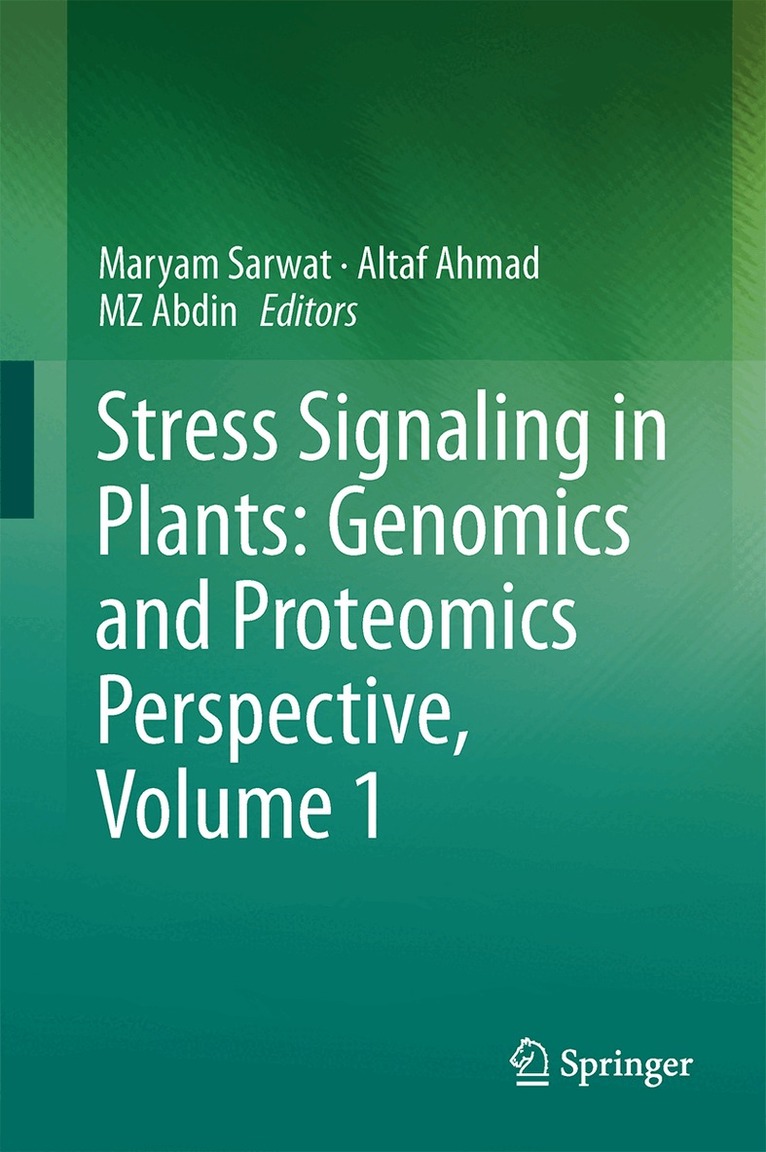
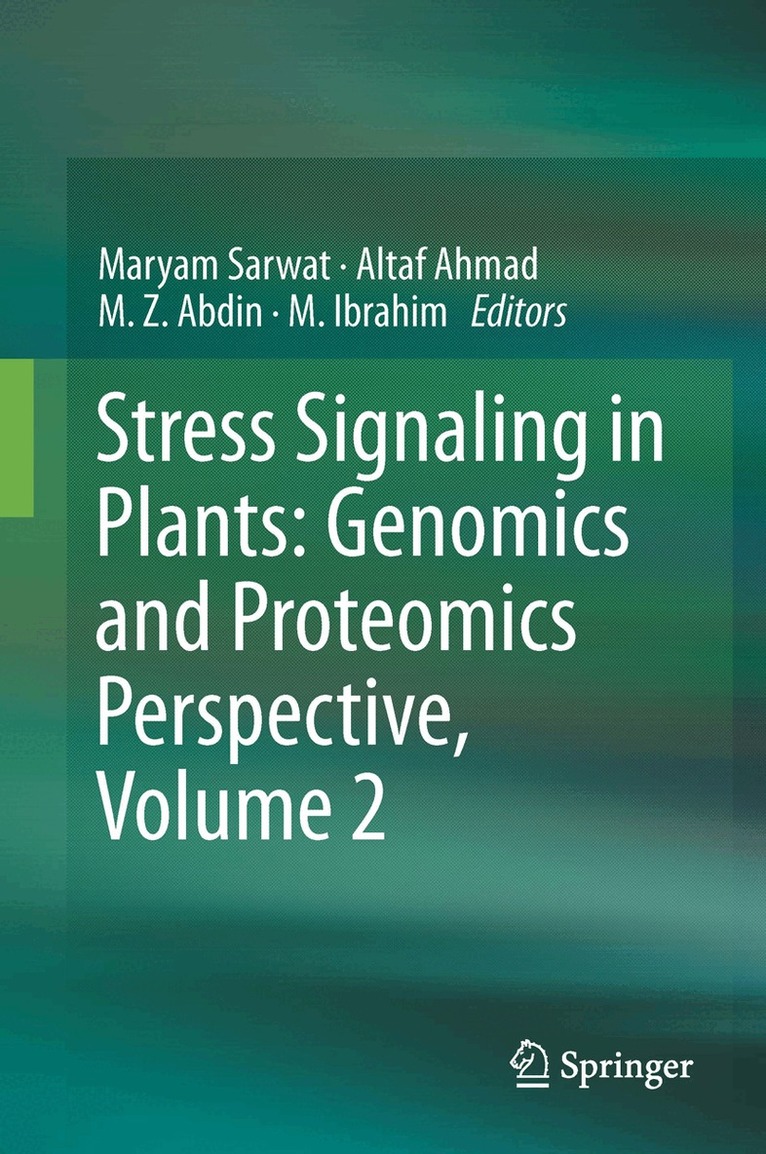
This two-volume set takes an in-depth look at stress signaling in plants from a uniquely genomic and proteomic perspective and offers a comprehensive treatise that covers all of the signaling pathways and mechanisms that have been researched so far. Currently, plant diseases, extreme weather caused by climate change, drought and an increase in metals in soil are amongst the major limiting factors of crop production worldwide. They devastate not only the food supply but also the economy of a nation. With global food scarcity in mind, there is an urgent need to develop crop plants with increased stress tolerance so as to meet the global food demands and to preserve the quality of our planet. In order to do this, it is necessary to understand how plants react and adapt to stress from the genomic and proteomic perspective. Plants adapt to stress conditions by activating cascades of molecular mechanisms, which result in alterations in gene expression and synthesis of protective proteins. From the perception of the stimulus to the transduction of the signal, followed by an appropriate cellular response, the plants employ a complex network of primary and secondary messenger molecules. Cells exercise a large number of noticeably distinct signaling pathways to regulate their activity. In order to contend with different environmental adversities, plants have developed a series of mechanisms at the physiological, cellular and molecular levels that respond to stress. Each chapter in this volume provides an in-depth explanation of what we currently know of a particular aspect of stress signaling and where we are heading. Together with the highly successful first volume, Stress Signaling in Plants: Genomics and Proteomics Perspective, Volume 2 covers an important aspect of plant biology for both students and seasoned researchers.
2 230 kr
Skickas inom 5-8 vardagar