Matthew Winterbottom - Böcker
Visar alla böcker från författaren Matthew Winterbottom. Handla med fri frakt och snabb leverans.
4 produkter
4 produkter
246 kr
Skickas
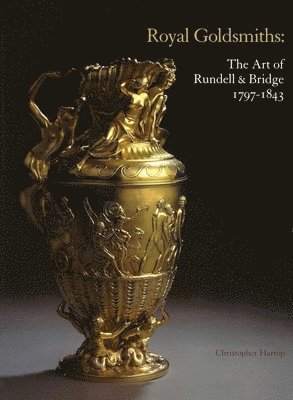
Artists such as John Flaxman, Thomas Stothard, Edward Hodges Baily were among the many who designed and modelled silverware for Rundell & Bridge, the Royal Goldsmiths who served two monarchs - George III and his son the Prince Regent (later George IV). It was a period of unparalleled prosperity in Britain during which patrons, led by the colourful Prince Regent, commissioned objects of silver, silver-gilt and even gold in the finest taste. Philip Rundell and John Bridge were well placed to respond to this new fashion for opulence. Directing their workshops from 1802 were the silversmith Benjamin Smith and the designer Digby Scott; and after Paul Storr, the most celebrated English silversmith of the period, took charge in 1807, the workshop grew until it employed the talents of several hundred gifted designers, modellers, chasers and engravers. It was a successful blending of art and industry that remains unsurpassed in the decorative arts. The firm Rundell & Bridge were appointed Royal Goldsmiths, Silversmiths, Jewellers and Medallists in 1797 and held the Royal Warrant until 1830. Yet Rundell & Bridge did more than promote innovative styles; they marketed new types of tableware.Despite the threat of invasion by Napoleon, the British enthusiastically embraced not only new designs from France, such as those inspired by the surge of Egyptomania, but new customs of the tabletop. Tying in with an exhibition at Koopman Rare Art, London, the first ever to be devoted to the firm's achievement, the book shows the importance of the Prince Regent as a patron of goldsmiths and presents a fascinating portrait of London against the backdrop of the Napoleonic Wars. It features a wealth of magnificent silver and gold objects, snuff boxes, jewellery, medals and bejewelled swords from museums and private collections in the United Kingdom, United States, Canada and Australia. With a foreword by His Royal Highness The Prince of Wales, the book will be a valuable addition not only to art historical studies but also to the social and economic history of the period. Net proceeds of the sale of the book will benefit the Prince's Trust.
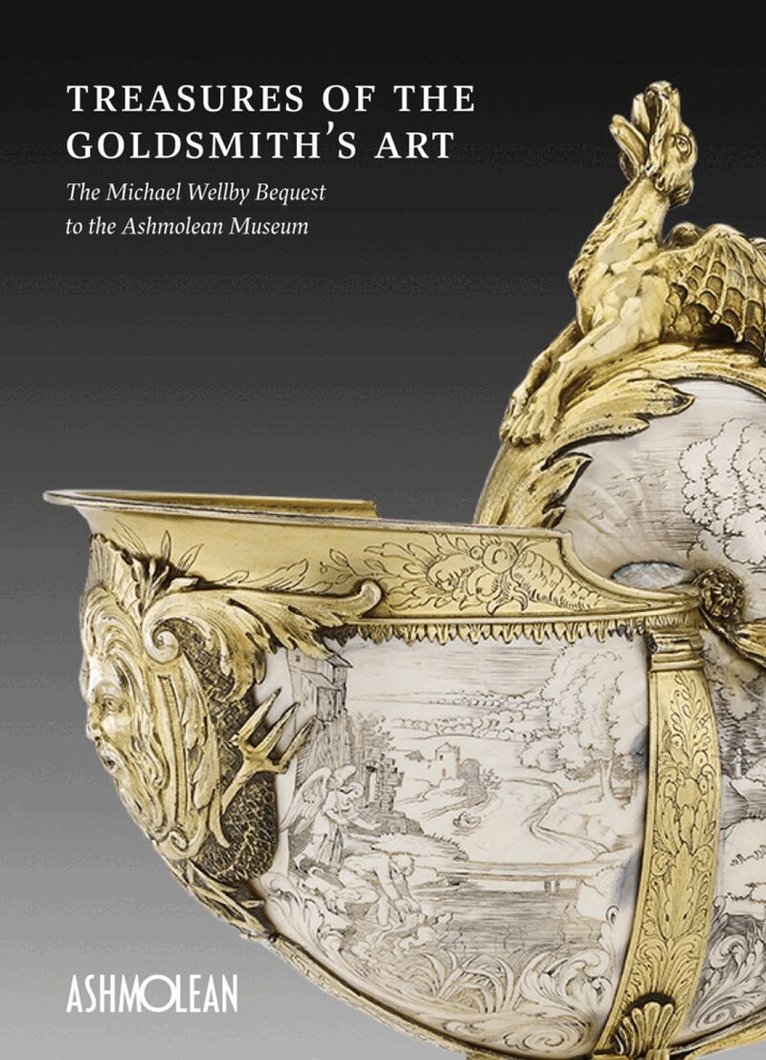
Treasures of the Goldmith's Art
The Michael Wellby Bequest to the Ashmolean Museum
Häftad, Engelska, 2015
187 kr
Skickas inom 7-10 vardagar
The Wellby Bequest, received by the Ashmolean Museum in 2013, consists of some 500 precious and exotic objects, mainly from Continental Europe, from the late medieval to the rococo, and is the most remarkable accession of this kind of material to any museum in the UK since the bequest of Ferdinand de Rothschild to the British Museum in 1898 (the Waddesdon Bequest). The collection was assembled by three generations of the Wellby family with an intention that it should reflect the great princely treasure chambers (Kunstkammer) preserved in Dresden, Vienna, Innsbruck, and elsewhere. Many of these objects have never been previously published. This beautiful and accessible book introduces over sixty of the prime pieces from this astonishing addition to the Ashmolean, presenting material of the type incomparably superior to anything in other UK museums outside London. Both authors are specialists in European decorative arts of the Renaissance and later periods. Published to coincide with the opening of the new Wellby Bequest Gallery in the Ashmolean Museum September 2015Contents: Preface and Acknowledgements; Introduction to the Michael Wellby Bequest (by Timothy Wilson); Introductory essay on the Kunstkammer tradition (by Matthew Winterbottom); 50 catalogue entries on highlights of the Wellby Collection; Glossary, Bibliography; Index
306 kr
Skickas
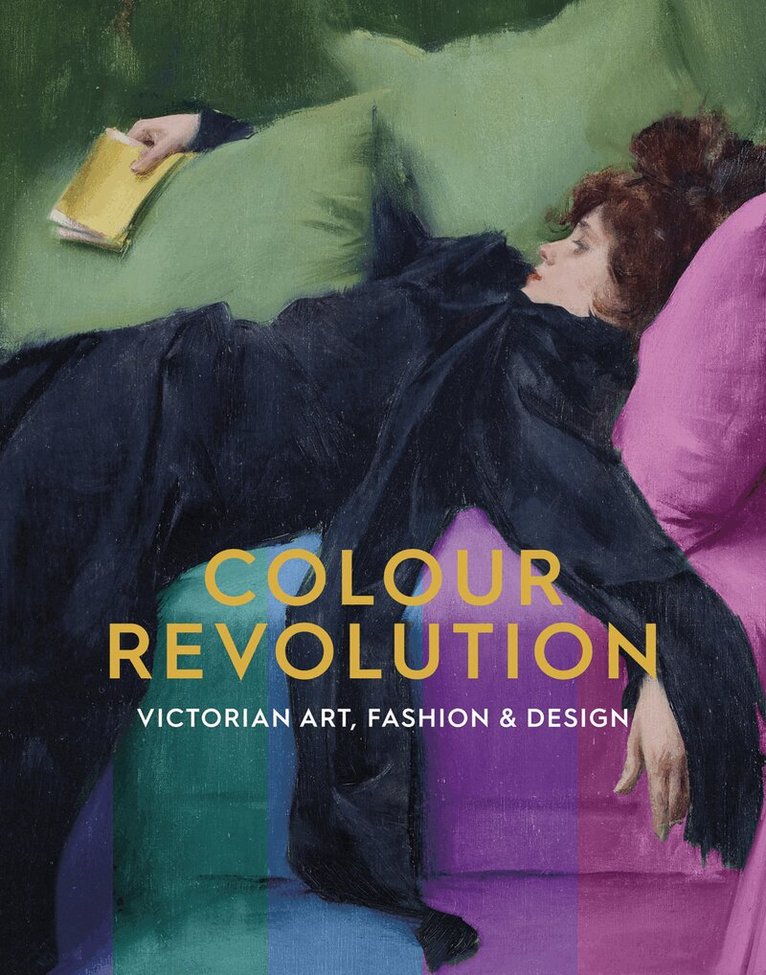
Contrary to the monochrome vision of Queen Victoria’s mourning dresses and the coal-polluted streets of Charles Dickens’ London, Victorian Britain was, in fact, a period of new and vivid colours. The Industrial Revolution had transformed the Victorians’ perception of colour and, over the course of the second half of the 19th century, it became the key signifier of modern life. Colour Revolution: Victorian Art, Fashion & Design charts the Victorians’ new attitudes to colour through a multi-disciplinary exploration of culture, technology, art and literature. The catalogue explores key ‘chromatic’ moments that inspired Victorian artists and writers to think anew about the materiality of colour. Rebelling against the bleakness of the industrial present, these figures learned from the sacred colours of the past, the sumptuous colours of the Middle East and Japan and looked forward towards the decadent colours that defined the end of the century.
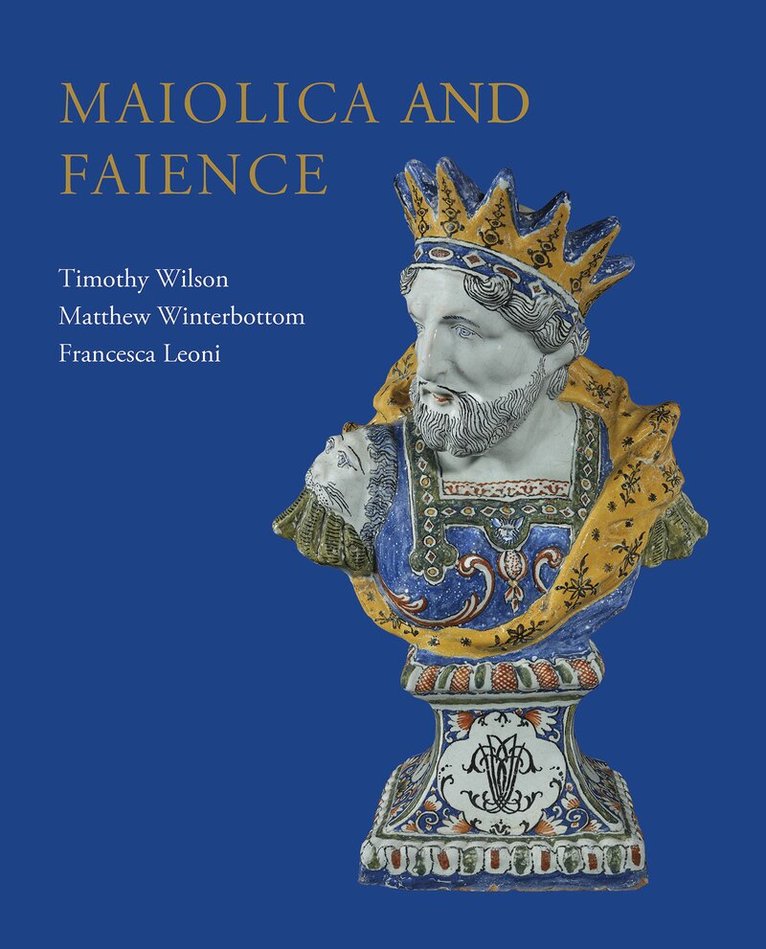
Maiolica and Faience
Acquisitions of European tin-glaze and related pottery for the Ashmolean Museum, 2017–25
Inbunden, Engelska, 2025
434 kr
Skickas inom 5-8 vardagar
The Ashmolean Museum catalogue Italian Maiolica and Europe (2017) included a range of works from Spain, France, the Netherlands, Germany, England, and Mexico, as well as Italy, to illustrate the rich history of European tin-glazed pottery. Since then, the Ashmolean has expanded its holdings of tin-glazed and related earthenwares to consolidate its position as one of the world’s most important and wide-ranging collections. Among the acquisitions described here is the only known piece of Italian maiolica made for a Tudor Englishman, a plate made for Humphrey Dethick, who caused a nationwide stir in 1602 by an apparent attempt to assassinate King James VI of Scotland. The bequest from Sidney Knafel of New York has transformed the Museum’s holdings of French faience; while important 16th-century maiolica comes from the collection of the late Airlie Holden-Hindley. Among the lustrewares included are fin-de-siècle pieces by Clément Massier and work by some of the world’s supreme contemporary masters of the technique.