Maud S. Mandel – författare
Visar alla böcker från författaren Maud S. Mandel. Handla med fri frakt och snabb leverans.
9 produkter
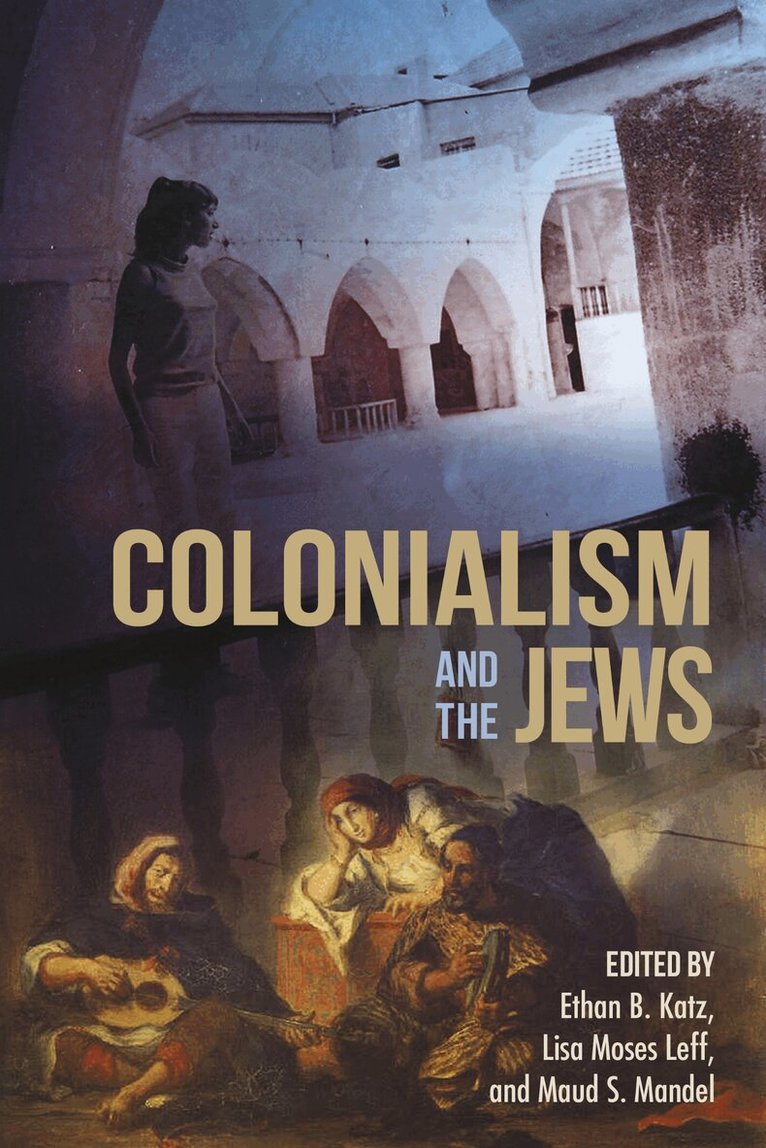
Colonialism and the Jews
Av Ethan B. Katz, Lisa Moses Leff m. fl.
Inbunden, 2017
1045 kr
Lägg i varukorg
The lively essays collected here explore colonial history, culture, and thought as it intersects with Jewish studies. Connecting the Jewish experience with colonialism to mobility and exchange, diaspora, internationalism, racial discrimination, and Zionism, the volume presents the work of Jewish …
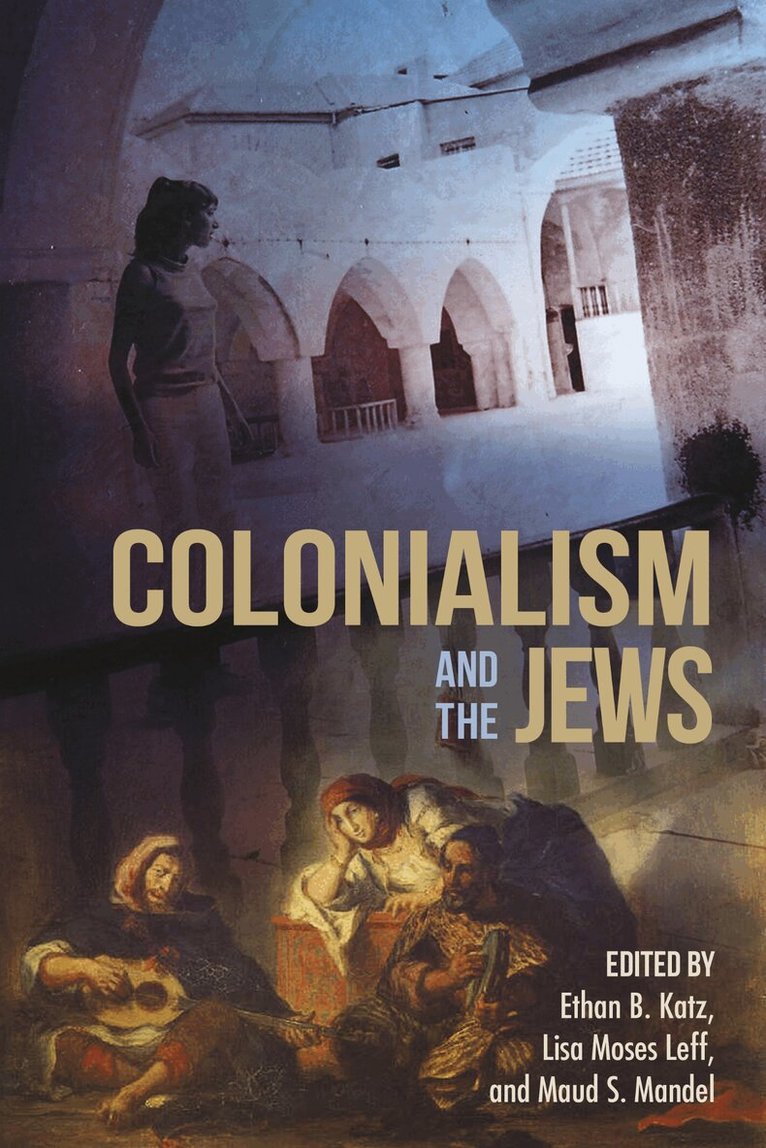
Colonialism and the Jews
Av Ethan B. Katz, Lisa Moses Leff m. fl.
Häftad, 2017
454 kr
Lägg i varukorg
The lively essays collected here explore colonial history, culture, and thought as it intersects with Jewish studies. Connecting the Jewish experience with colonialism to mobility and exchange, diaspora, internationalism, racial discrimination, and Zionism, the volume presents the work of Jewish …
Muslims and Jews in France
History of a Conflict
Inbunden, 2014
531 kr
Lägg i varukorg
This book traces the global, national, and local origins of the conflict between Muslims and Jews in France, challenging the belief that rising anti-Semitism in France is rooted solely in the unfolding crisis in Israel and Palestine. Maud Mandel shows how the conflict in fact emerged from processes …
Muslims and Jews in France
History of a Conflict
Häftad, 2016
561 kr
Lägg i varukorg
This book traces the global, national, and local origins of the conflict between Muslims and Jews in France, challenging the belief that rising anti-Semitism in France is rooted solely in the unfolding crisis in Israel and Palestine. Maud Mandel shows how the conflict in fact emerged from processes …
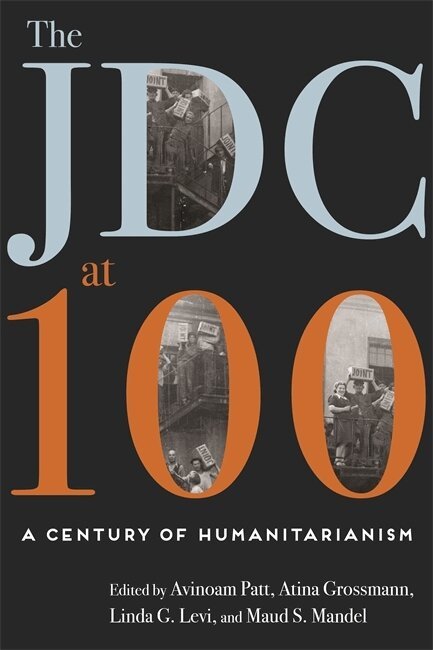
JDC at 100
A Century of Humanitarianism
Av Avinoam Patt, Atina Grossmann m. fl.
Inbunden, 2019
645 kr
Lägg i varukorg
The JDC at 100: A Century of Humanitarianism traces the history of the JDC-an organization founded to aid victims of World War I that has played a significant role in preserving and sustaining Jewish life across the globe. The thirteen essays in this volume, edited by Avinoam Patt, Atina Grossmann, …
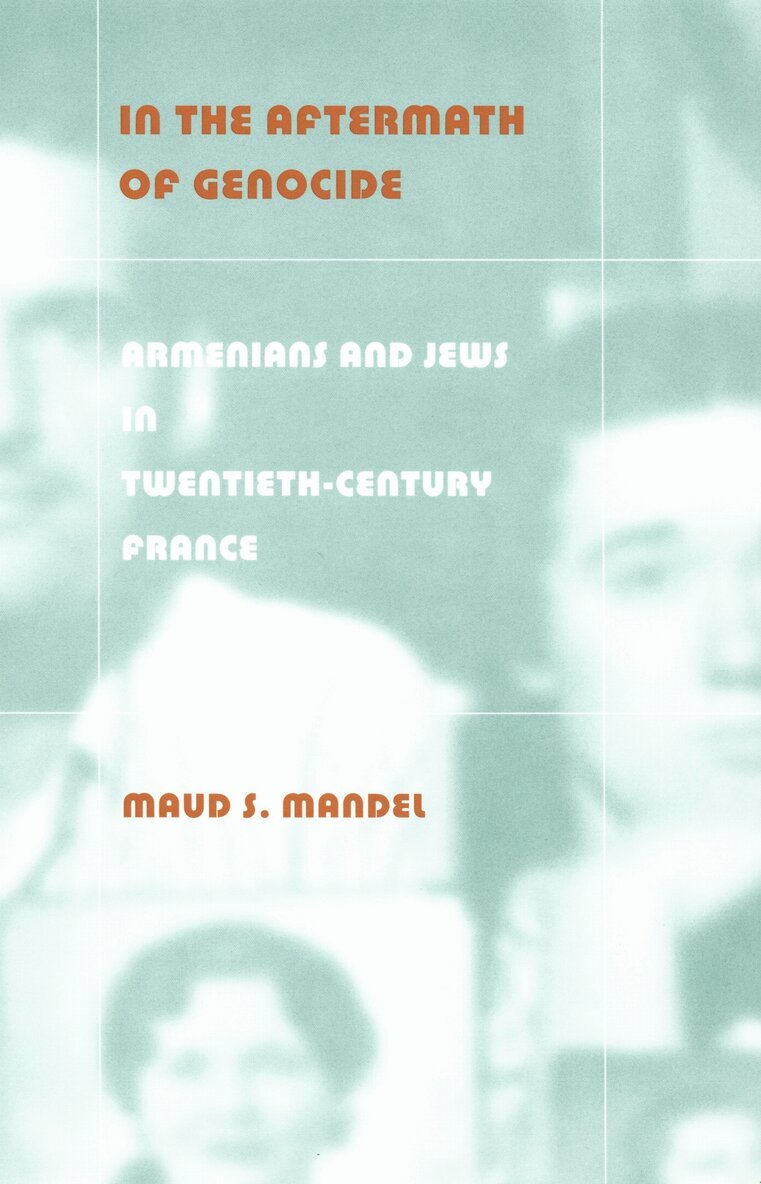
In the Aftermath of Genocide
Armenians and Jews in Twentieth-Century France
Häftad, 2003
395 kr
Lägg i varukorg
France is the only Western European nation home to substantial numbers of survivors of the World War I and World War II genocides. In the Aftermath of Genocide offers a unique comparison of the country’s Armenian and Jewish survivor communities. By demonstrating how-in spite of significant …
In the Aftermath of Genocide
Armenians and Jews in Twentieth-Century France
Inbunden, 2003
1358 kr
Lägg i varukorg
France is the only Western European nation home to substantial numbers of survivors of the World War I and World War II genocides. In the Aftermath of Genocide offers a unique comparison of the country’s Armenian and Jewish survivor communities. By demonstrating how-in spite of significant …
In the Aftermath of Genocide
Armenians and Jews in Twentieth-Century France
E-bok, 2003
587 kr
Lägg i varukorg
France is the only Western European nation home to substantial numbers of survivors of the World War I and World War II genocides. In the Aftermath of Genocide offers a unique comparison of the country’s Armenian and Jewish survivor communities. By demonstrating how—in spite of significant …
Muslims and Jews in France
History of a Conflict
E-bok, 2014
400 kr
Lägg i varukorg
This book traces the global, national, and local origins of the conflict between Muslims and Jews in France, challenging the belief that rising anti-Semitism in France is rooted solely in the unfolding crisis in Israel and Palestine. Maud Mandel shows how the conflict in fact emerged from processes …