Melanie Magin – författare
Visar alla böcker från författaren Melanie Magin. Handla med fri frakt och snabb leverans.
6 produkter
6 produkter
Inbunden, Engelska, 2021
1 524 kr
Skickas inom 10-15 vardagar
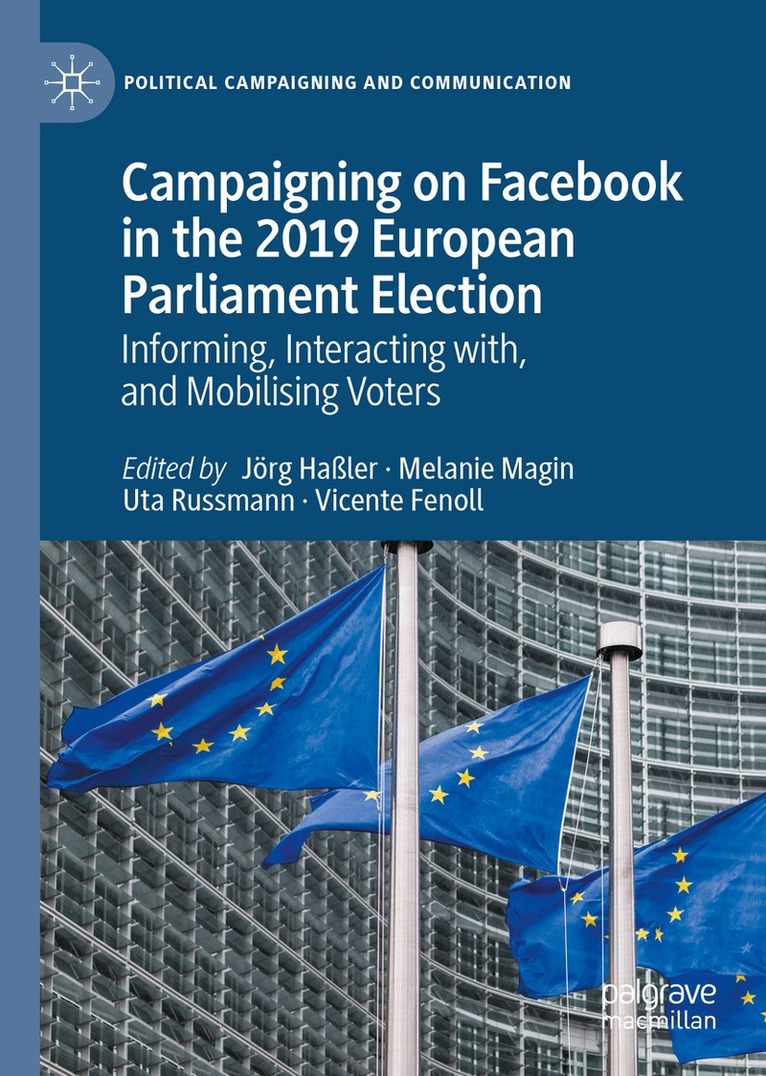
This book investigates how political parties from 12 European countries used Facebook to inform, interact with and mobilise voters at the 2019 European Parliament election. Following a joint theoretical framework and method, the results of a content analysis of more than 14,000 Facebook posts are presented. Country specific chapters are followed by analyses of European parties’ Facebook campaigning, the spread of populism and the use of Facebook ads by the parties. The final chapter compares all countries showing that campaigns are more strongly shaped by the national than by the European political context. Facebook is used for campaigning as usual; parties inform and persuade but neglect the platform’s mobilisation and particularly interactive affordances.
E-bok
Engelska, 20211 825 kr
Läs direkt efter köp
This book investigates how political parties from 12 European countries used Facebook to inform, interact with and mobilise voters at the 2019 European Parliament election. Following a joint theoretical framework and method, the results of a content analysis of more than 14,000 Facebook posts are presented. Country specific chapters are followed by analyses of European parties’ Facebook campaigning, the spread of populism and the use of Facebook ads by the parties. The final chapter compares all countries showing that campaigns are more strongly shaped by the national than by the European political context. Facebook is used for campaigning as usual; parties inform and persuade but neglect the platform’s mobilisation and particularly interactive affordances.
Häftad, Engelska, 2022
1 524 kr
Skickas inom 10-15 vardagar
This book investigates how political parties from 12 European countries used Facebook to inform, interact with and mobilise voters at the 2019 European Parliament election. Following a joint theoretical framework and method, the results of a content analysis of more than 14,000 Facebook posts are presented. Country specific chapters are followed by analyses of European parties’ Facebook campaigning, the spread of populism and the use of Facebook ads by the parties. The final chapter compares all countries showing that campaigns are more strongly shaped by the national than by the European political context. Facebook is used for campaigning as usual; parties inform and persuade but neglect the platform’s mobilisation and particularly interactive affordances.
Wahlkampf in Deutschland und Österreich
Ein Langzeitvergleich der Presseberichterstattung (1949–2006)
Häftad, Tyska, 2012
894 kr
Skickas inom 11-20 vardagar
Häftad, Tyska, 2021
615 kr
Skickas inom 10-15 vardagar
Freie und unabhängige Medien sind die Grundlage einer lebendigen Demokratie. In normativen Demokratiemodellen wird die „Wächterrolle“ von Medien betont, weil neben der Kontroll- und Informationsfunktion der Medien ihr Beitrag zur Legitimierung politischer Prozesse als zentral angesehen wird. Medien unterliegen jedoch im digitalen Wandel einem hohen Anpassungsdruck: Sie drohen ihre traditionelle Gatekeeper-Rolle zu verlieren und konkurrieren mit globalen Tech-Giganten wie Facebook und Google um Werbegelder und die Aufmerksamkeit des Publikums. Die Plattformisierung der Medien stellt nicht nur die Vermittlungsleistungen professioneller journalistischer Informationsanbieter in Frage, sondern auch die Rolle der Medien in der Herstellung von Öffentlichkeit. Der Band hinterfragt die sich wandelnde Rolle der Medien im politischen System sowie das Verhältnis von Medien und Politik kritisch. Funktionen und Autonomiegrad von Medien und Journalismus werden analysiert. Mithilfe von Zeitvergleichenwerden tiefgreifende Veränderungen wie auch Konstanten herausgearbeitet. Nicht zuletzt gilt es zu erörtern, welche Akteure welche Verantwortung tragen und welche Privilegien sie genießen (sollten).
E-bok
Tyska, 2021611 kr
Läs direkt efter köp
Freie und unabhängige Medien sind die Grundlage einer lebendigen Demokratie. In normativen Demokratiemodellen wird die „Wächterrolle“ von Medien betont, weil neben der Kontroll- und Informationsfunktion der Medien ihr Beitrag zur Legitimierung politischer Prozesse als zentral angesehen wird. Medien unterliegen jedoch im digitalen Wandel einem hohen Anpassungsdruck: Sie drohen ihre traditionelle Gatekeeper-Rolle zu verlieren und konkurrieren mit globalen Tech-Giganten wie Facebook und Google um Werbegelder und die Aufmerksamkeit des Publikums. Die Plattformisierung der Medien stellt nicht nur die Vermittlungsleistungen professioneller journalistischer Informationsanbieter in Frage, sondern auch die Rolle der Medien in der Herstellung von Öffentlichkeit. Der Band hinterfragt die sich wandelnde Rolle der Medien im politischen System sowie das Verhältnis von Medien und Politik kritisch. Funktionen und Autonomiegrad von Medien und Journalismus werden analysiert. Mithilfe von Zeitvergleichenwerden tiefgreifende Veränderungen wie auch Konstanten herausgearbeitet. Nicht zuletzt gilt es zu erörtern, welche Akteure welche Verantwortung tragen und welche Privilegien sie genießen (sollten).