Meng Jiang – författare
Visar alla böcker från författaren Meng Jiang. Handla med fri frakt och snabb leverans.
6 produkter
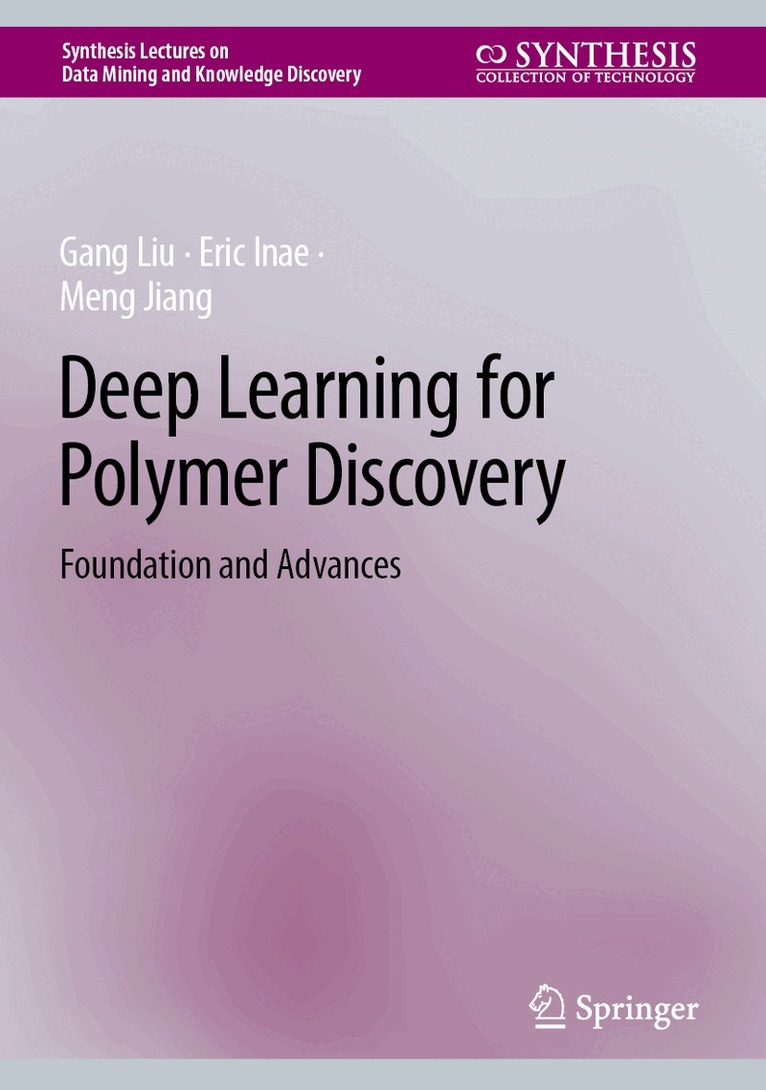
Deep Learning for Polymer Discovery
Foundation and Advances
Inbunden, 2025
442 kr
Lägg i varukorg
This book presents a comprehensive range of topics in deep learning for polymer discovery, from fundamental concepts to advanced methodologies. These topics are crucial as they address critical challenges in polymer science and engineering. With a growing demand for new materials with specific …
Deep Learning for Polymer Discovery
Foundation and Advances
Av Meng Jiang, Eric Inae m. fl.
E-bok, 2025
571 kr
Lägg i varukorg
This book presents a comprehensive range of topics in deep learning for polymer discovery, from fundamental concepts to advanced methodologies. These topics are crucial as they address critical challenges in polymer science and engineering. With a growing demand for new materials with specific …
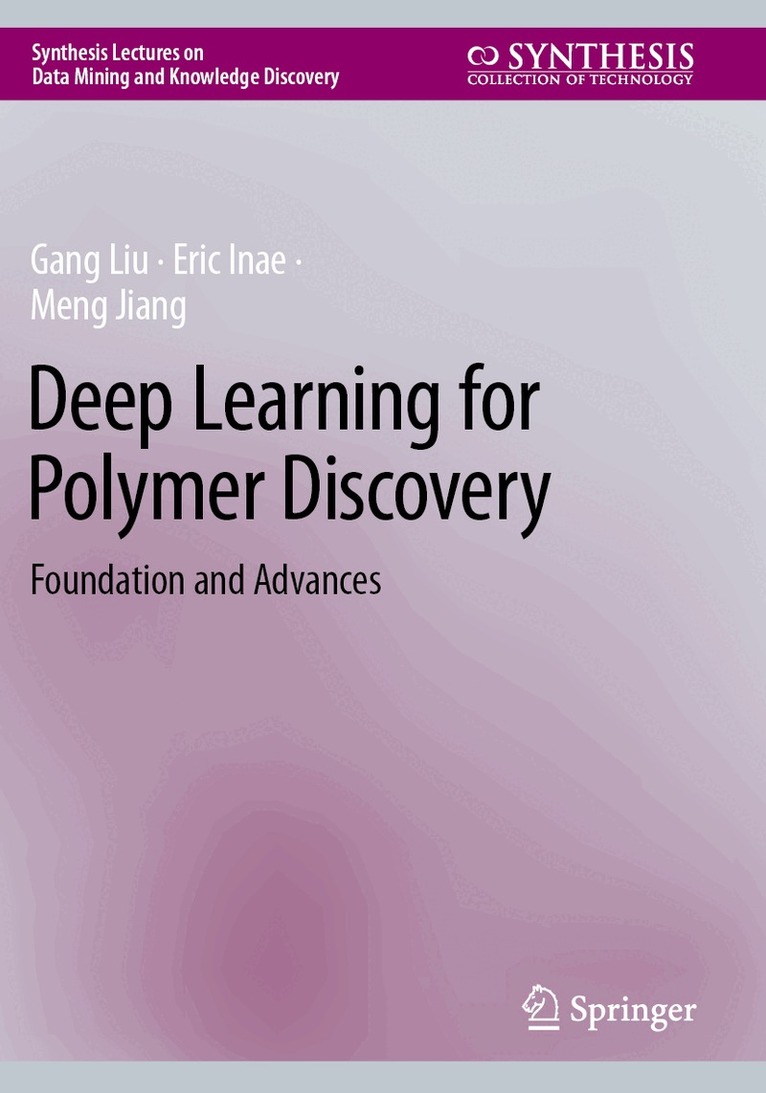
Deep Learning for Polymer Discovery
Foundation and Advances
Häftad, 2026
442 kr
Lägg i varukorg
This book presents a comprehensive range of topics in deep learning for polymer discovery, from fundamental concepts to advanced methodologies. These topics are crucial as they address critical challenges in polymer science and engineering. With a growing demand for new materials with specific …
Knowledge-Augmented Methods for Natural Language Processing
Av Meng Jiang, Bill Yuchen Lin
Inbunden, 2024
793 kr
Kommande
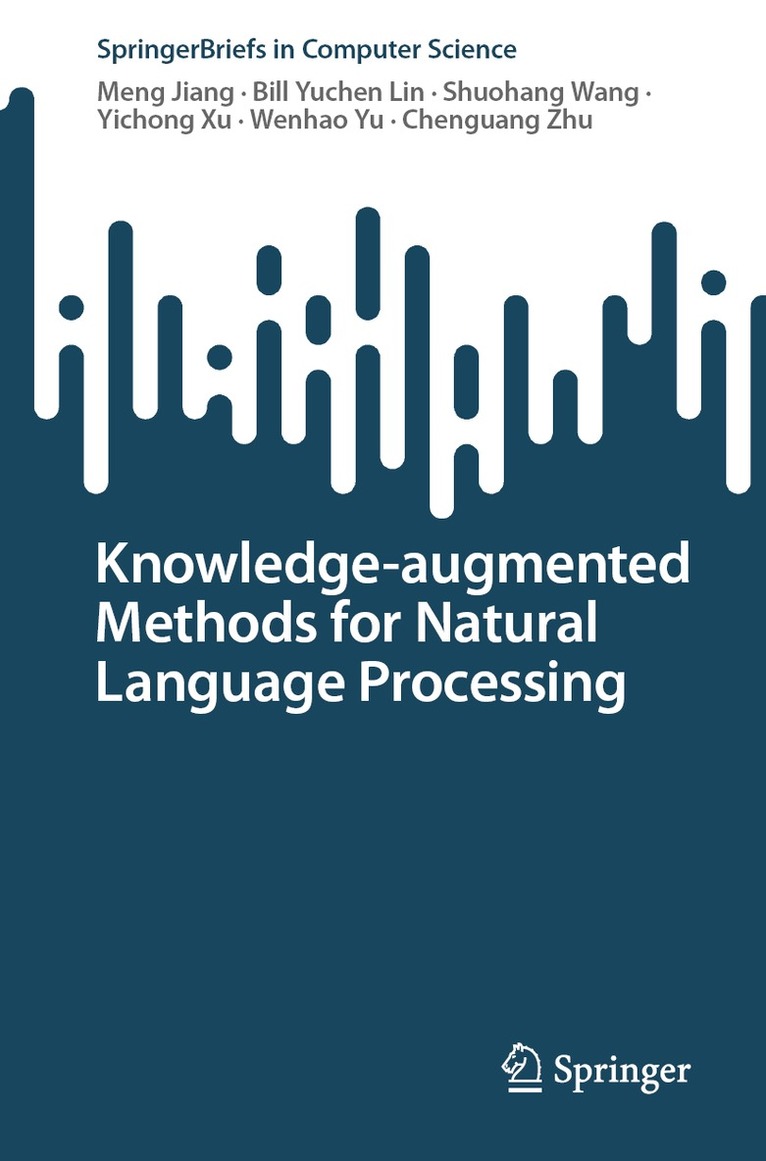
Knowledge-augmented Methods for Natural Language Processing
Av Chenguang Zhu, Wenhao Yu m. fl.
E-bok, 2024
650 kr
Lägg i varukorg
Over the last few years, natural language processing has seen remarkable progress due to the emergence of larger-scale models, better training techniques, and greater availability of data. Examples of these advancements include GPT-4, ChatGPT, and other pre-trained language models. These models are …
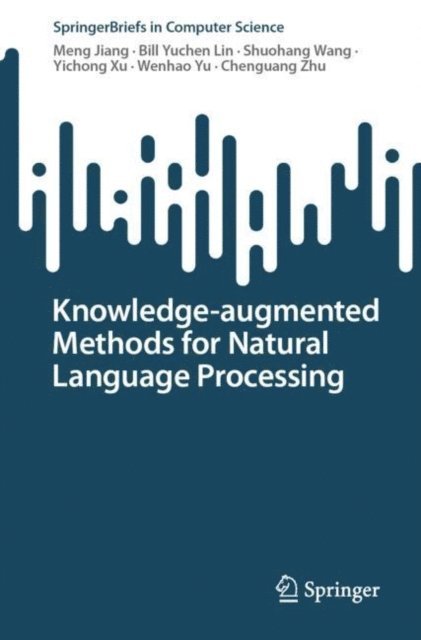
Knowledge-augmented Methods for Natural Language Processing
Av Meng Jiang, Bill Yuchen Lin m. fl.
Häftad, 2024
511 kr
Lägg i varukorg
Over the last few years, natural language processing has seen remarkable progress due to the emergence of larger-scale models, better training techniques, and greater availability of data. Examples of these advancements include GPT-4, ChatGPT, and other pre-trained language models. These models are …