
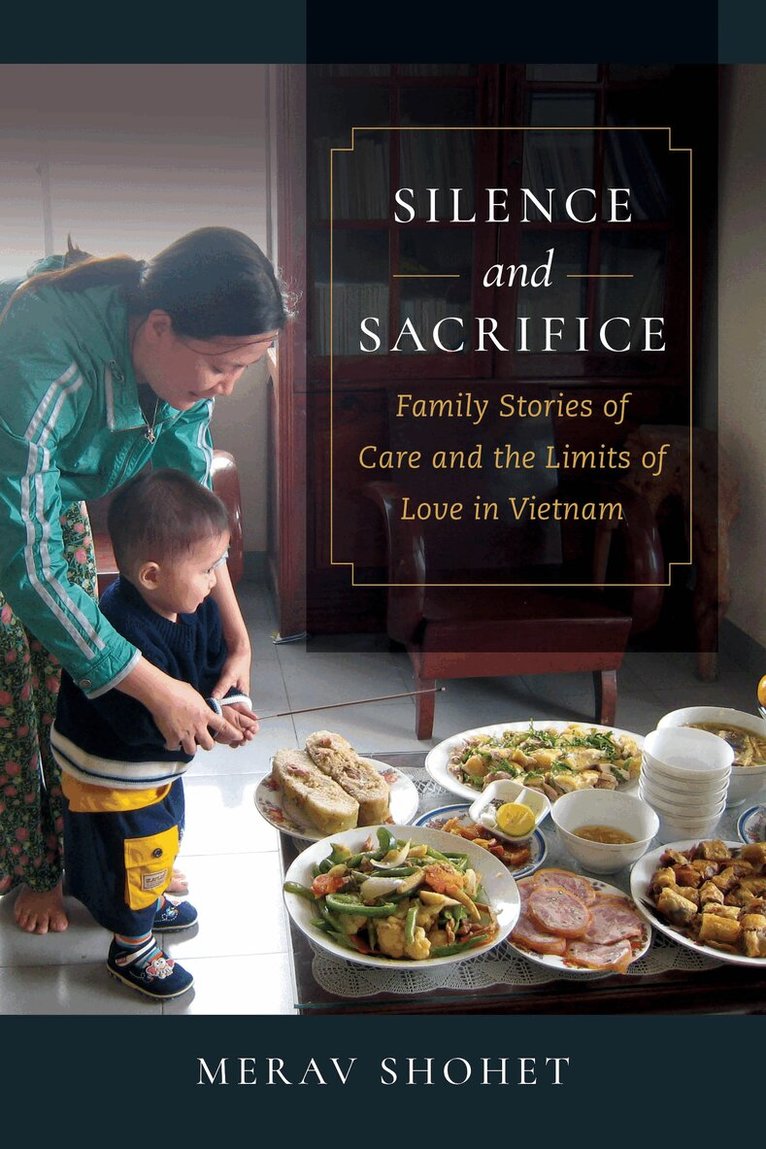
How do families remain close when turbulent forces threaten to tear them apart? In this groundbreaking book based on more than a decade of research set in Vietnam, Merav Shohet explores what happens across generations to families that survive imperialism, war, and massive political and economic upheaval. Placing personal sacrifice at the center of her story, Shohet recounts vivid experiences of conflict, love, and loss. In doing so, her work challenges the idea that sacrifice is merely a blood-filled religious ritual or patriotic act. Today, domestic sacrifices—made largely by women—precariously knot family members together by silencing suffering and naturalizing cross-cutting gender, age, class, and political hierarchies. In rethinking ordinary ethics, this intimate ethnography reveals how quotidian acts of sacrifice help family members forge a sense of continuity in the face of trauma and decades of dramatic change.
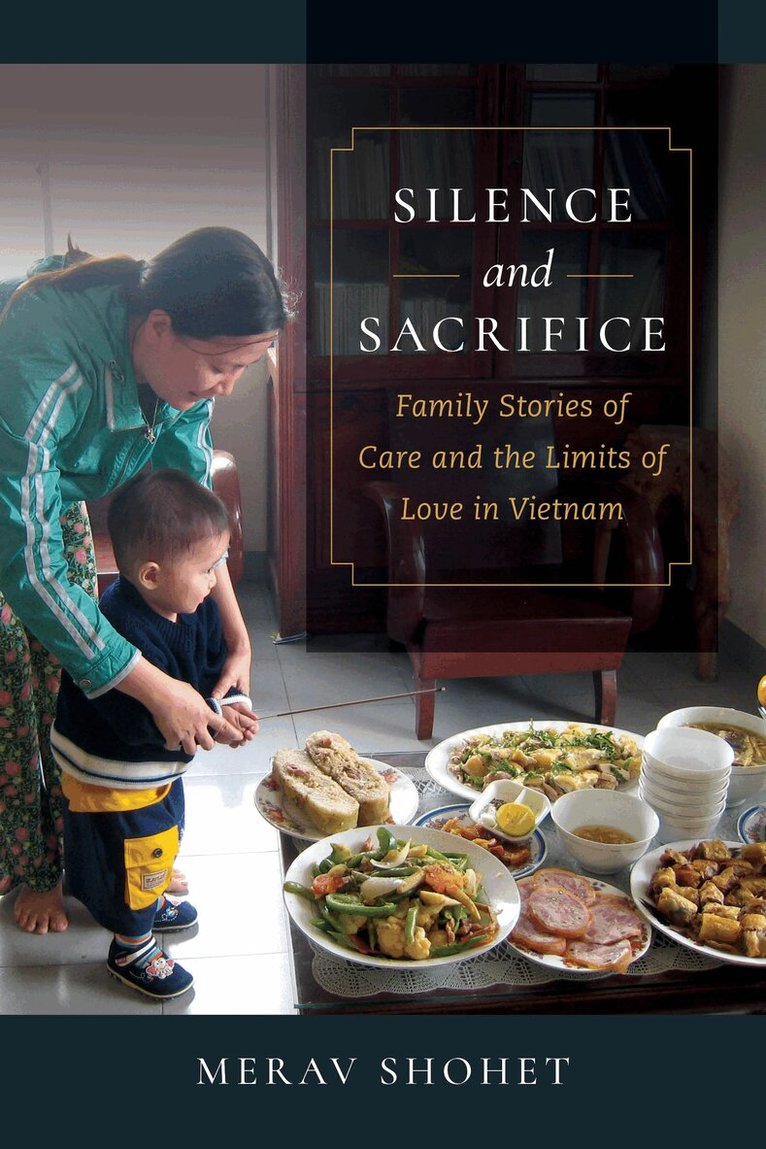

The urge to engage with finitude is increasingly central in our present apocalyptic time of political and ecological turmoil. Aging populations and the rapid development of advanced, but expensive, technologies to ever further postpone death pose significant healthcare challenges for societies around the world. In these times, how do people care when the end of life is near? How do they orient toward death? Do they see death as an absolute end, and if not, what sort of horizon does death present? Questioning taken for granted assumptions about end-of-life care, When Death Is on the Horizon analyzes how people approach death in a wide variety of geographical locations and social contexts. Through in-depth ethnographic case studies, it shows how people orient toward, beyond, and away from death, and how they do so within a world marked by historic and ongoing socio-political and structural inequalities.This book is also freely available online as an open access digital edition.
How do families remain close when turbulent forces threaten to tear them apart? In this groundbreaking book based on more than a decade of research set in Vietnam, Merav Shohet explores what happens across generations to families that survive imperialism, war, and massive political and economic upheaval. Placing personal sacrifice at the center of her story, Shohet recounts vivid experiences of conflict, love, and loss. In doing so, her work challenges the idea that sacrifice is merely a blood-filled religious ritual or patriotic act. Today, domestic sacrifices—made largely by women—precariously knot family members together by silencing suffering and naturalizing cross-cutting gender, age, class, and political hierarchies. In rethinking ordinary ethics, this intimate ethnography reveals how quotidian acts of sacrifice help family members forge a sense of continuity in the face of trauma and decades of dramatic change.

The urge to engage with finitude is increasingly central in our present apocalyptic time of political and ecological turmoil. Aging populations and the rapid development of advanced, but expensive, technologies to ever further postpone death pose significant healthcare challenges for societies around the world. In these times, how do people care when the end of life is near? How do they orient toward death? Do they see death as an absolute end, and if not, what sort of horizon does death present? Questioning taken for granted assumptions about end-of-life care, When Death Is on the Horizon analyzes how people approach death in a wide variety of geographical locations and social contexts. Through in-depth ethnographic case studies, it shows how people orient toward, beyond, and away from death, and how they do so within a world marked by historic and ongoing socio-political and structural inequalities.This book is also freely available online as an open access digital edition.