Michael J. Tierney – författare
Visar alla böcker från författaren Michael J. Tierney. Handla med fri frakt och snabb leverans.
11 produkter
11 produkter
E-bok
PDF, Engelska, 2008489 kr
Läs direkt efter köp
Every year, billions of dollars of environmental aid flow from the rich governments of the North to the poor governments of the South. Why do donors provide this aid? What do they seek to achieve? How effective is the aid given? And does it always go to the places of greatest environmental need?From the first Earth Summit in Stockholm in 1972 to the G8 Gleneagles meeting in 2005, the issue of the impact of aid on the global environment has been the subject of vigorous protest and debate. How much progress has there been in improving environmental protection and clean-up in the developing world? What explains the patterns of environmental aid spending and distribution - is it designed to address real problems, achieve geopolitical or commercial gains abroad, or buy political mileage athome? And what are the consequences for the estimated 4 million people that die each year from air pollution, unsafe drinking water, and lack of sanitation?All of these questions and many more are addressed in this groundbreaking text, which is based on the authors'' work compiling the most comprehensive dataset of foreign aid ever assembled. By evaluating the likely environment impact of over 400,000 development projects by more than 50 donors to over 170 recipient nations between 1970 and 2001, Greening Aid represents a unique, state of the art picture of what is happening in foreign assistance, and its impact on the environment. Greening Aidexplains major trends and shifts over the last three decades, ranks donors according to their performance, and offers case studies which compare and contrast donors and types of environmental aid.
489 kr
Läs direkt efter köp
Every year, billions of dollars of environmental aid flow from the rich governments of the North to the poor governments of the South. Why do donors provide this aid? What do they seek to achieve? How effective is the aid given? And does it always go to the places of greatest environmental need?From the first Earth Summit in Stockholm in 1972 to the G8 Gleneagles meeting in 2005, the issue of the impact of aid on the global environment has been the subject of vigorous protest and debate. How much progress has there been in improving environmental protection and clean-up in the developing world? What explains the patterns of environmental aid spending and distribution - is it designed to address real problems, achieve geopolitical or commercial gains abroad, or buy political mileage athome? And what are the consequences for the estimated 4 million people that die each year from air pollution, unsafe drinking water, and lack of sanitation?All of these questions and many more are addressed in this groundbreaking text, which is based on the authors'' work compiling the most comprehensive dataset of foreign aid ever assembled. By evaluating the likely environment impact of over 400,000 development projects by more than 50 donors to over 170 recipient nations between 1970 and 2001, Greening Aid represents a unique, state of the art picture of what is happening in foreign assistance, and its impact on the environment. Greening Aidexplains major trends and shifts over the last three decades, ranks donors according to their performance, and offers case studies which compare and contrast donors and types of environmental aid.
Häftad, Engelska, 2010
642 kr
Skickas inom 5-8 vardagar
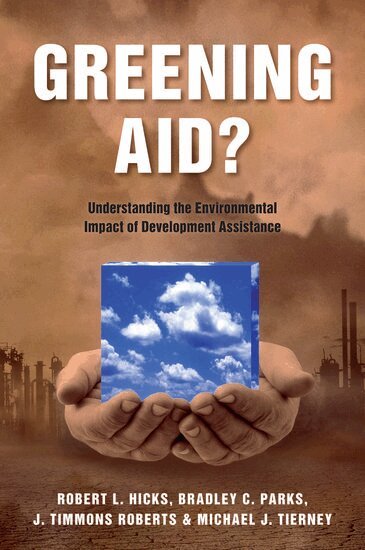
Every year, billions of dollars of environmental aid flow from the rich governments of the North to the poor governments of the South. Why do donors provide this aid? What do they seek to achieve? How effective is the aid given? And does it always go to the places of greatest environmental need? From the first Earth Summit in Stockholm in 1972 to the G8 Gleneagles meeting in 2005, the issue of the impact of aid on the global environment has been the subject of vigorous protest and debate. How much progress has there been in improving environmental protection and clean-up in the developing world? What explains the patterns of environmental aid spending and distribution - is it designed to address real problems, achieve geopolitical or commercial gains abroad, or buy political mileage at home? And what are the consequences for the estimated 4 million people that die each year from air pollution, unsafe drinking water, and lack of sanitation? All of these questions and many more are addressed in this groundbreaking text, which is based on the authors' work compiling the most comprehensive dataset of foreign aid ever assembled. By evaluating the likely environment impact of over 400,000 development projects by more than 50 donors to over 170 recipient nations between 1970 and 2001, Greening Aid represents a unique, state of the art picture of what is happening in foreign assistance, and its impact on the environment. Greening Aid explains major trends and shifts over the last three decades, ranks donors according to their performance, and offers case studies which compare and contrast donors and types of environmental aid.
Häftad, Engelska, 2006
526 kr
Skickas inom 7-10 vardagar
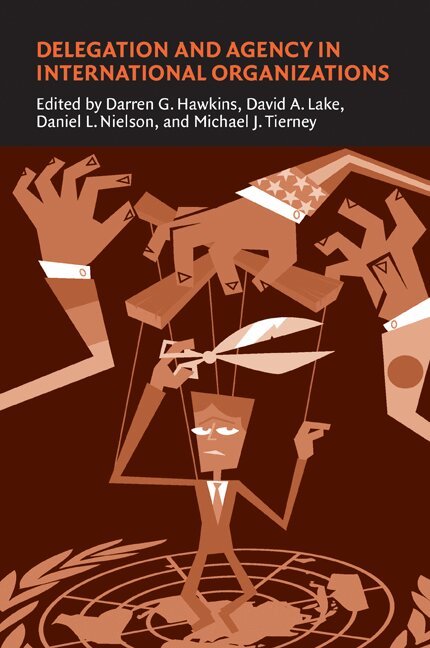
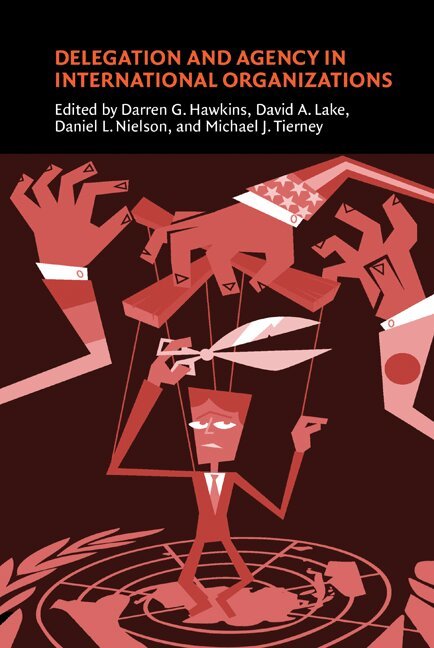
Why do states delegate certain tasks and responsibilities to international organizations rather than acting unilaterally or cooperating directly? Furthermore, to what extent do states continue to control IOs once authority has been delegated? Examining a variety of different institutions including the World Trade Organization, the United Nations and the European Commission, this book explores the different methods that states employ to ensure their interests are being served, and identifies the problems involved with monitoring and managing IOs. The contributors suggest that it is not inherently more difficult to design effective delegation mechanisms at international level than at domestic level and, drawing on principal-agent theory, help explain the variations that exist in the extent to which states are willing to delegate to IOs. They argue that IOs are neither all evil nor all virtuous, but are better understood as bureaucracies that can be controlled to varying degrees by their political masters.
Inbunden, Engelska, 2006
1 486 kr
Skickas inom 7-10 vardagar
Why do states delegate certain tasks and responsibilities to international organizations rather than acting unilaterally or cooperating directly? Furthermore, to what extent do states continue to control IOs once authority has been delegated? Examining a variety of different institutions including the World Trade Organization, the United Nations and the European Commission, this book explores the different methods that states employ to ensure their interests are being served, and identifies the problems involved with monitoring and managing IOs. The contributors suggest that it is not inherently more difficult to design effective delegation mechanisms at international level than at domestic level and, drawing on principal-agent theory, help explain the variations that exist in the extent to which states are willing to delegate to IOs. They argue that IOs are neither all evil nor all virtuous, but are better understood as bureaucracies that can be controlled to varying degrees by their political masters.
Häftad, Engelska, 2022
367 kr
Skickas inom 7-10 vardagar
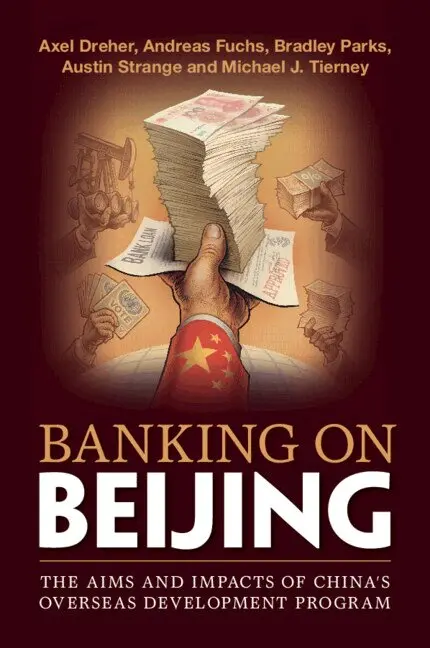
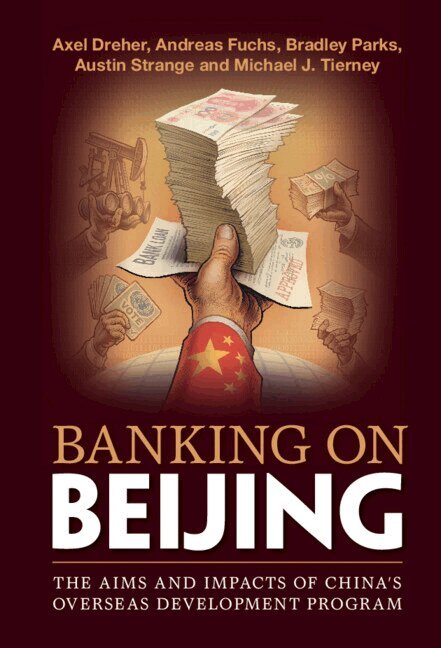
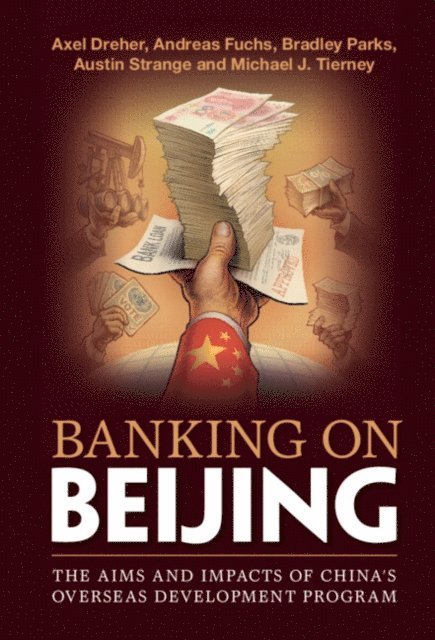
China is now the lender of first resort for much of the developing world, but Beijing has fueled speculation among policymakers, scholars, and journalists by shrouding its grant-giving and lending activities in secrecy. Introducing a systematic and transparent method of tracking Chinese development projects around the world, this book explains Beijing's motives and analyzes the intended and unintended effects of its overseas investments. Whereas China almost exclusively provided aid during the twentieth century, its twenty-first century transition from 'benefactor' to 'banker' has had far-reaching impacts in low-income and middle-income countries that are not widely understood. Its use of debt rather than aid to bankroll big-ticket infrastructure projects creates new opportunities for developing countries to achieve rapid socio-economic gains, but it has also introduced major risks, such as corruption, political capture, and conflict. This book will be of interest to policymakers, students and scholars of international political economy, Chinese politics and foreign policy, economic development, and international relations.
Inbunden, Engelska, 2022
1 071 kr
Skickas inom 7-10 vardagar
China is now the lender of first resort for much of the developing world, but Beijing has fueled speculation among policymakers, scholars, and journalists by shrouding its grant-giving and lending activities in secrecy. Introducing a systematic and transparent method of tracking Chinese development projects around the world, this book explains Beijing's motives and analyzes the intended and unintended effects of its overseas investments. Whereas China almost exclusively provided aid during the twentieth century, its twenty-first century transition from 'benefactor' to 'banker' has had far-reaching impacts in low-income and middle-income countries that are not widely understood. Its use of debt rather than aid to bankroll big-ticket infrastructure projects creates new opportunities for developing countries to achieve rapid socio-economic gains, but it has also introduced major risks, such as corruption, political capture, and conflict. This book will be of interest to policymakers, students and scholars of international political economy, Chinese politics and foreign policy, economic development, and international relations.
E-bok
PDF, Engelska, 2022443 kr
Läs direkt efter köp
China is now the lender of first resort for much of the developing world, but Beijing has fueled speculation among policymakers, scholars, and journalists by shrouding its grant-giving and lending activities in secrecy. Introducing a systematic and transparent method of tracking Chinese development projects around the world, this book explains Beijing''s motives and analyzes the intended and unintended effects of its overseas investments. Whereas China almost exclusively provided aid during the twentieth century, its twenty-first century transition from ''benefactor'' to ''banker'' has had far-reaching impacts in low-income and middle-income countries that are not widely understood. Its use of debt rather than aid to bankroll big-ticket infrastructure projects creates new opportunities for developing countries to achieve rapid socio-economic gains, but it has also introduced major risks, such as corruption, political capture, and conflict. This book will be of interest to policymakers, students and scholars of international political economy, Chinese politics and foreign policy, economic development, and international relations.
443 kr
Läs direkt efter köp
China is now the lender of first resort for much of the developing world, but Beijing has fueled speculation among policymakers, scholars, and journalists by shrouding its grant-giving and lending activities in secrecy. Introducing a systematic and transparent method of tracking Chinese development projects around the world, this book explains Beijing''s motives and analyzes the intended and unintended effects of its overseas investments. Whereas China almost exclusively provided aid during the twentieth century, its twenty-first century transition from ''benefactor'' to ''banker'' has had far-reaching impacts in low-income and middle-income countries that are not widely understood. Its use of debt rather than aid to bankroll big-ticket infrastructure projects creates new opportunities for developing countries to achieve rapid socio-economic gains, but it has also introduced major risks, such as corruption, political capture, and conflict. This book will be of interest to policymakers, students and scholars of international political economy, Chinese politics and foreign policy, economic development, and international relations.
Inbunden, Engelska, 2020
1 374 kr
Skickas inom 5-8 vardagar
There is a widening divide between the data, tools, and knowledge that international relations scholars produce and what policy practitioners find relevant for their work. In this first-of-its-kind conversation, leading academics and practitioners reflect on the nature and size of the theory-practice divide. They find the gap varies by issue area and over time.The essays in this volume use data gathered by the Teaching, Research, and International Policy (TRIP) Project over a fifteen-year period. As a whole, the volume analyzes the structural factors that affect the academy’s ability to influence policy across issue areas and the professional incentives that affect scholars’ willingness to attempt to do so. Individual chapters explore these questions in the areas of trade, finance, human rights, development, environment, nuclear weapons and strategy, interstate war, and intrastate conflict. Each substantive chapter is followed by a response from a policy practitioner, providing their perspective on the gap and the possibility for academic work to have an impact.Bridging the Theory-Practice Divide in International Relations provides concrete answers and guidance about how and when scholarship can be policy relevant.
Häftad, Engelska, 2020
465 kr
Skickas inom 5-8 vardagar
There is a widening divide between the data, tools, and knowledge that international relations scholars produce and what policy practitioners find relevant for their work. In this first-of-its-kind conversation, leading academics and practitioners reflect on the nature and size of the theory-practice divide. They find the gap varies by issue area and over time.The essays in this volume use data gathered by the Teaching, Research, and International Policy (TRIP) Project over a fifteen-year period. As a whole, the volume analyzes the structural factors that affect the academy’s ability to influence policy across issue areas and the professional incentives that affect scholars’ willingness to attempt to do so. Individual chapters explore these questions in the areas of trade, finance, human rights, development, environment, nuclear weapons and strategy, interstate war, and intrastate conflict. Each substantive chapter is followed by a response from a policy practitioner, providing their perspective on the gap and the possibility for academic work to have an impact.Bridging the Theory-Practice Divide in International Relations provides concrete answers and guidance about how and when scholarship can be policy relevant.