Michael Keevak – författare
Visar alla böcker från författaren Michael Keevak. Handla med fri frakt och snabb leverans.
10 produkter
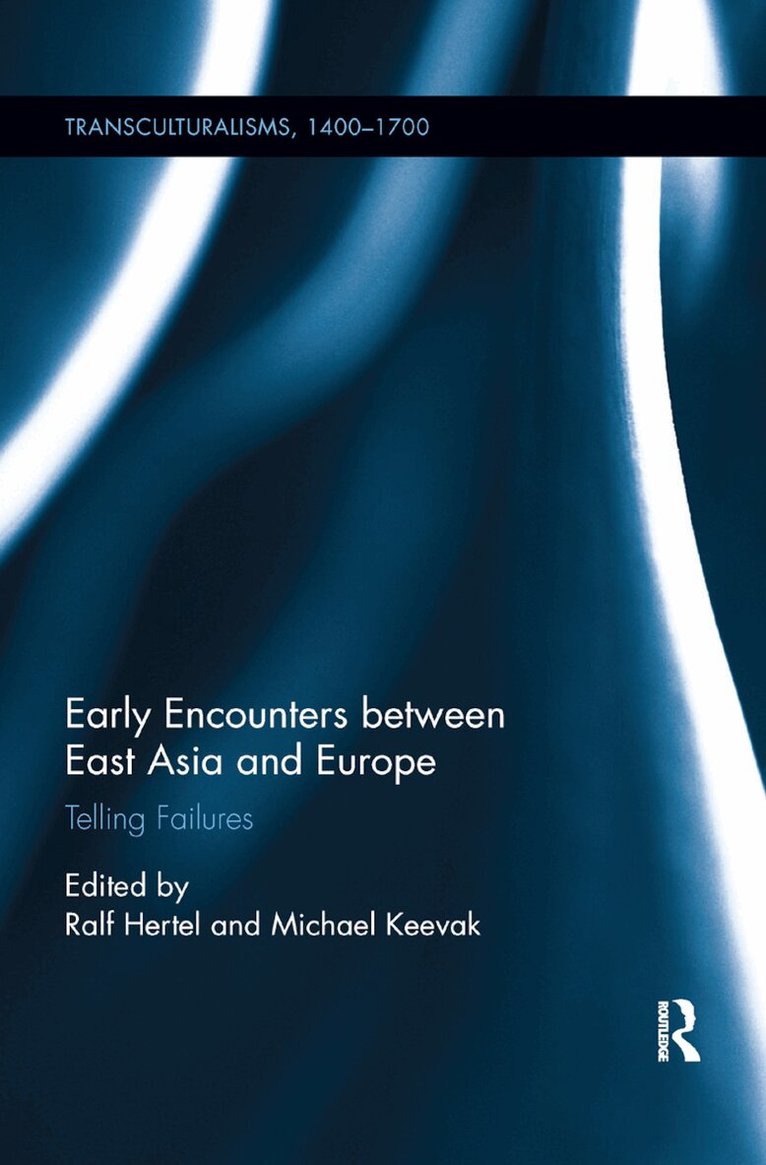
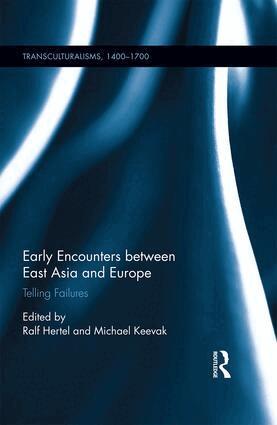
Early Encounters between East Asia and Europe
Telling Failures
Av Ralf Hertel, Michael Keevak
Häftad, 2019
809 kr
Lägg i varukorg
While inquiries into early encounters between East Asia and the West have traditionally focused on successful interactions, this collection inquires into the many forms of failure, experienced on all sides, in the period before 1850. Countering a tendency in scholarship to overlook unsuccessful …
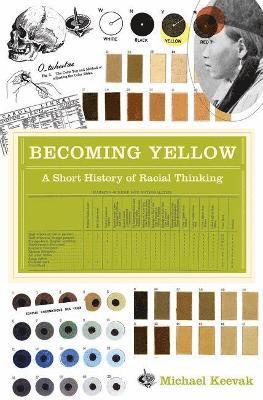
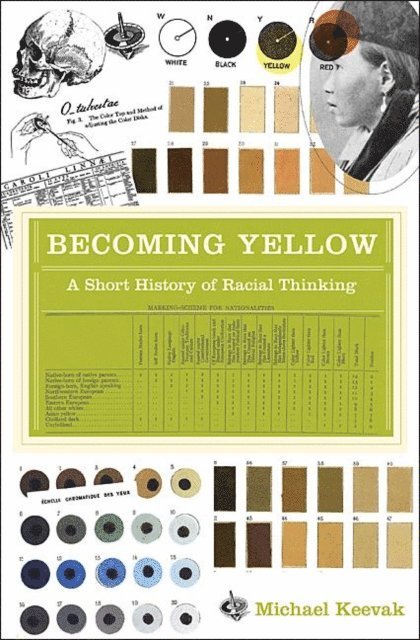
Becoming Yellow
A Short History of Racial Thinking
Inbunden, 2011
644 kr
Lägg i varukorg
In their earliest encounters with Asia, Europeans almost uniformly characterized the people of China and Japan as white. This was a means of describing their wealth and sophistication, their willingness to trade with the West, and their presumed capacity to become Christianized. But by the end of …
Early Encounters between East Asia and Europe
Telling Failures
Av Michael Keevak, Ralf Hertel
E-bok, 2017
956 kr
Lägg i varukorg
While inquiries into early encounters between East Asia and the West have traditionally focused on successful interactions, this collection inquires into the many forms of failure, experienced on all sides, in the period before 1850. Countering a tendency in scholarship to overlook unsuccessful …
Early Encounters between East Asia and Europe
Telling Failures
Av Michael Keevak, Ralf Hertel
E-bok, 2017
935 kr
Lägg i varukorg
While inquiries into early encounters between East Asia and the West have traditionally focused on successful interactions, this collection inquires into the many forms of failure, experienced on all sides, in the period before 1850. Countering a tendency in scholarship to overlook unsuccessful …
Becoming Yellow
A Short History of Racial Thinking
E-bok, 2011
881 kr
Lägg i varukorg
The story of how East Asians became "yellow" in the Western imagination—and what it reveals about the problematic history of racial thinking In their earliest encounters with Asia, Europeans almost uniformly characterized the people of China and Japan as white. This was a means of describing their …
Early Encounters between East Asia and Europe
Telling Failures
Av Ralf Hertel, Michael Keevak
Inbunden, 2017
2594 kr
Lägg i varukorg
While inquiries into early encounters between East Asia and the West have traditionally focused on successful interactions, this collection inquires into the many forms of failure, experienced on all sides, in the period before 1850. Countering a tendency in scholarship to overlook unsuccessful …
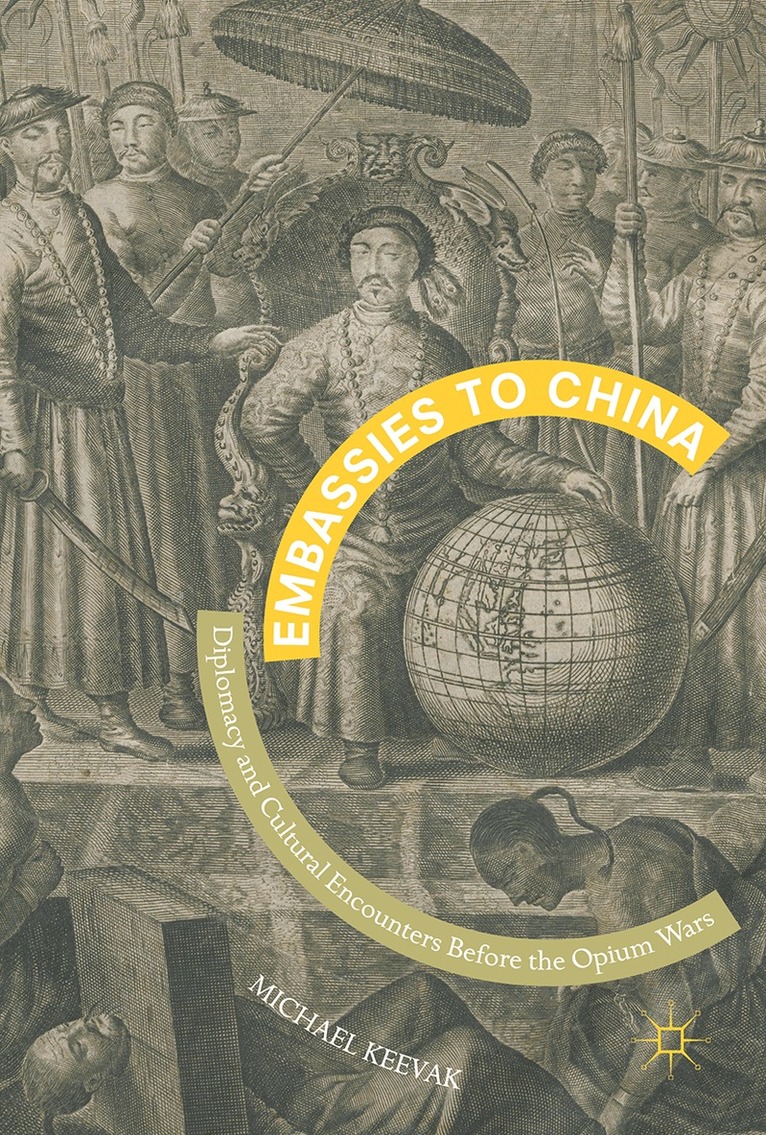
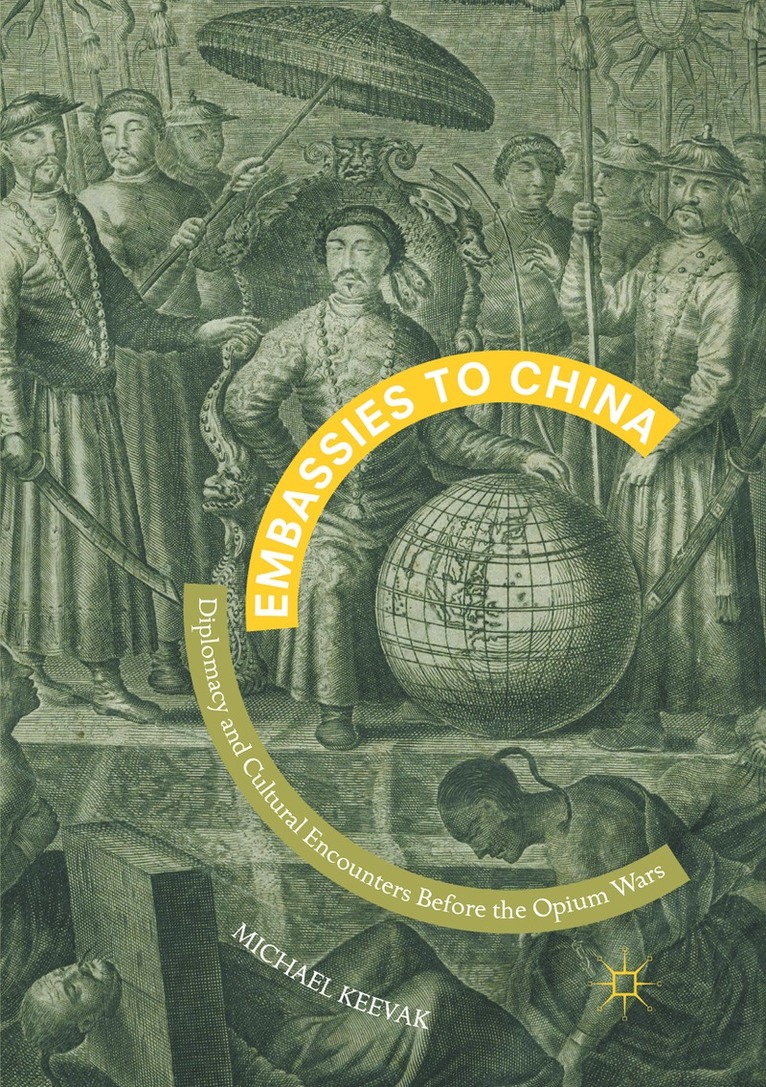
Embassies to China
Diplomacy and Cultural Encounters Before the Opium Wars
Inbunden, 2017
1018 kr
Lägg i varukorg
This text is a timely and wide-ranging study providing essential background to the development of global modernity through the European encounter with China. Considering differing notions of peace, empire, trade, religion, and diplomacy as touchstones in the relations between China and Europe on …
Embassies to China
Diplomacy and Cultural Encounters Before the Opium Wars
E-bok, 2017
923 kr
Lägg i varukorg
This text is a timely and wide-ranging study providing essential background to the development of global modernity through the European encounter with China. Considering differing notions of peace, empire, trade, religion, and diplomacy as touchstones in the relations between China and Europe on …
Embassies to China
Diplomacy and Cultural Encounters Before the Opium Wars
Häftad, 2018
737 kr
Lägg i varukorg
This text is a timely and wide-ranging study providing essential background to the development of global modernity through the European encounter with China. Considering differing notions of peace, empire, trade, religion, and diplomacy as touchstones in the relations between China and Europe on …