Michael P. Barber – författare
Visar alla böcker från författaren Michael P. Barber. Handla med fri frakt och snabb leverans.
3 produkter
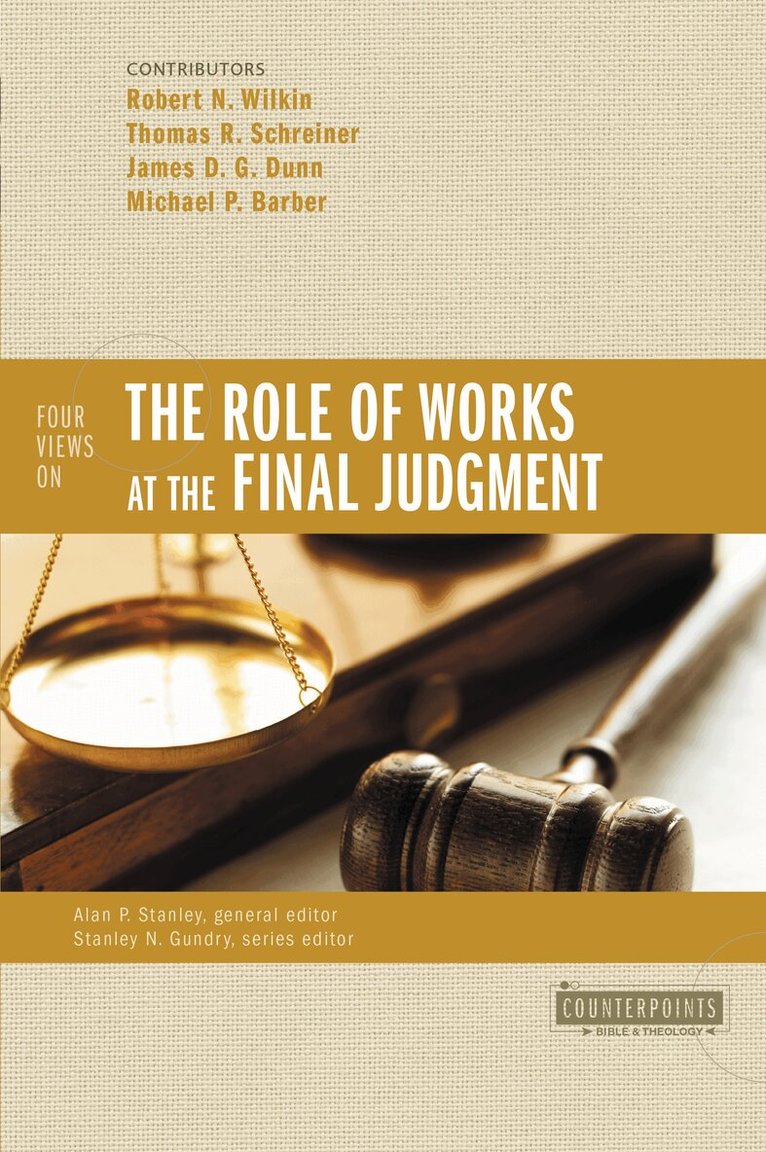
Four Views on the Role of Works at the Final Judgment
Av Robert N. Wilkin, Thomas R. Schreiner m. fl.
Häftad, 2013
154 kr
Lägg i varukorg
Through a discussion of Biblical texts, this book presents four perspectives on the role of works at the final judgment.The final judgment is the last and final act before God dwells with his people forever. Scripture makes that clear, but what function do our actions play in the final assessment …
Four Views on the Role of Works at the Final Judgment
Av Michael P. Barber, James D. G. Dunn m. fl.
E-bok, 2013
102 kr
Lägg i varukorg
Through a discussion of Biblical texts, this book presents four perspectives on the role of works at the final judgment. The final judgment is the last and final act before God dwells with his people forever. Scripture makes that clear, but what function do our actions play in the final assessment …
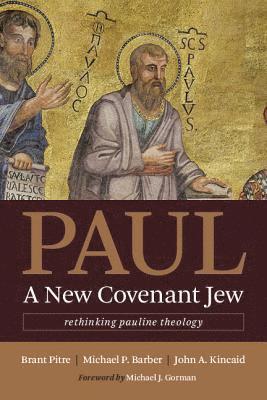
Paul, a New Covenant Jew
Rethinking Pauline Theology
Av Brant Pitre, Michael P. Barber m. fl.
Häftad, 2019
335 kr
Lägg i varukorg
After the landmark work of E. P. Sanders, the task of rightly accounting for Paul's relationship to Judaism has dominated the last forty years of Pauline scholarship. Pitre, Barber, and Kincaid argue that Paul is best viewed as a new covenant Jew, a designation that allows the apostle to be fully …