Michelle Beyeler – författare
Visar alla böcker från författaren Michelle Beyeler. Handla med fri frakt och snabb leverans.
4 produkter
OECD and European Welfare States
Av Klaus Armingeon, Michelle Beyeler
Inbunden, 2004
2060 kr
Lägg i varukorg
The OECD includes the richest nations in the world. It issues recommendations on economic and social policies. Is its counsel on welfare state policies coherent? And is it followed by member states in Western Europe? These are the guiding questions of this book, which is a first to deal with such …
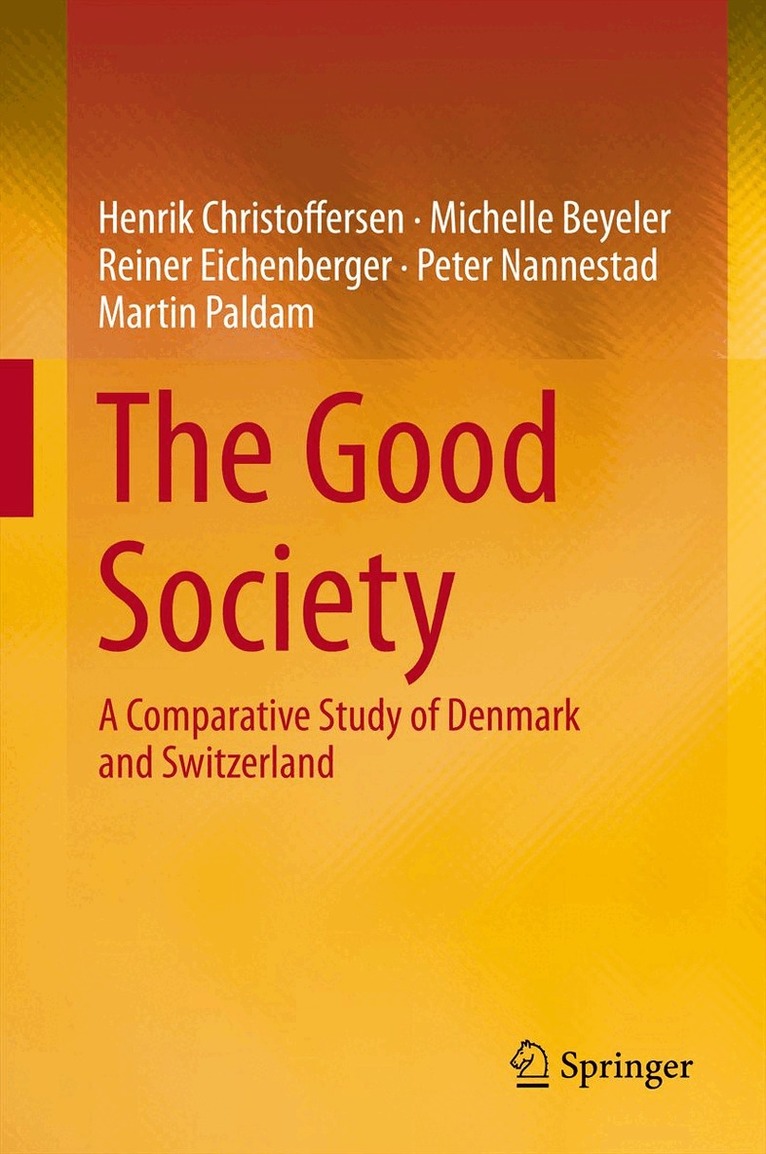
Good Society
A Comparative Study of Denmark and Switzerland
Av Henrik Christoffersen, Michelle Beyeler m. fl.
Inbunden, 2013
1126 kr
Lägg i varukorg
Denmark and Switzerland are small and successful countries with exceptionally content populations. However, they have very different political institutions and economic models. They have followed the general tendency in the West toward economic convergence, but both countries have managed to stay …
Good Society
A Comparative Study of Denmark and Switzerland
Av Martin Paldam, Peter Nannestad m. fl.
E-bok, 2013
1502 kr
Lägg i varukorg
Denmark and Switzerland are small and successful countries with exceptionally content populations. However, they have very different political institutions and economic models. They have followed the general tendency in the West toward economic convergence, but both countries have managed to stay …
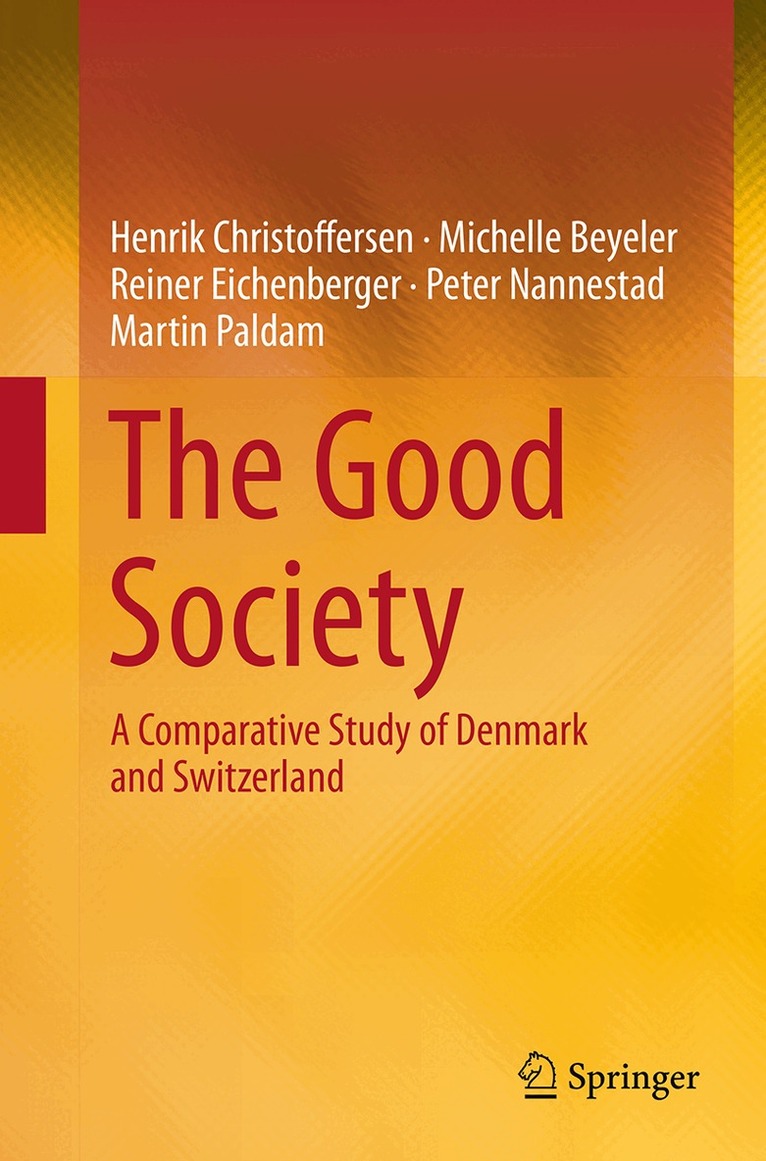
Good Society
A Comparative Study of Denmark and Switzerland
Av Henrik Christoffersen, Michelle Beyeler m. fl.
Häftad, 2016
1126 kr
Lägg i varukorg
Denmark and Switzerland are small and successful countries with exceptionally content populations. However, they have very different political institutions and economic models. They have followed the general tendency in the West toward economic convergence, but both countries have managed to stay …