Mikko Tolonen – författare
Visar alla böcker från författaren Mikko Tolonen. Handla med fri frakt och snabb leverans.
4 produkter
Mandeville and Hume
Anatomists of Civil Society
Häftad, 2013
1655 kr
Lägg i varukorg
The Fable of the bees and the Treatise of human nature were written to define and dissect the essential components of a ‘civil society’. How have early readings of the Fable skewed our understanding of the work and its author? To what extent did Mandeville’s celebrated work influence that of Hume? …
Enlightenment Histories
Av Marc Hanvelt, Mark G. Spencer m. fl.
Häftad, 2025
1450 kr
Lägg i varukorg
It has long been understood that histories were central to the Era of the Enlightenment. Enlightenment histories not only broke new scholarly ground, but they also circulated widely with an expanding reading audience. Some works, such as David Hume’s History of England, were both innovative and …
Enlightenment Histories
Av Mikko Tolonen, Mark G. Spencer m. fl.
E-bok, 2025
1271 kr
Lägg i varukorg
It has long been understood that histories were central to the Era of the Enlightenment. Enlightenment histories not only broke new scholarly ground, but they also circulated widely with an expanding reading audience. Some works, such as David Hume's History of England, were both innovative and …
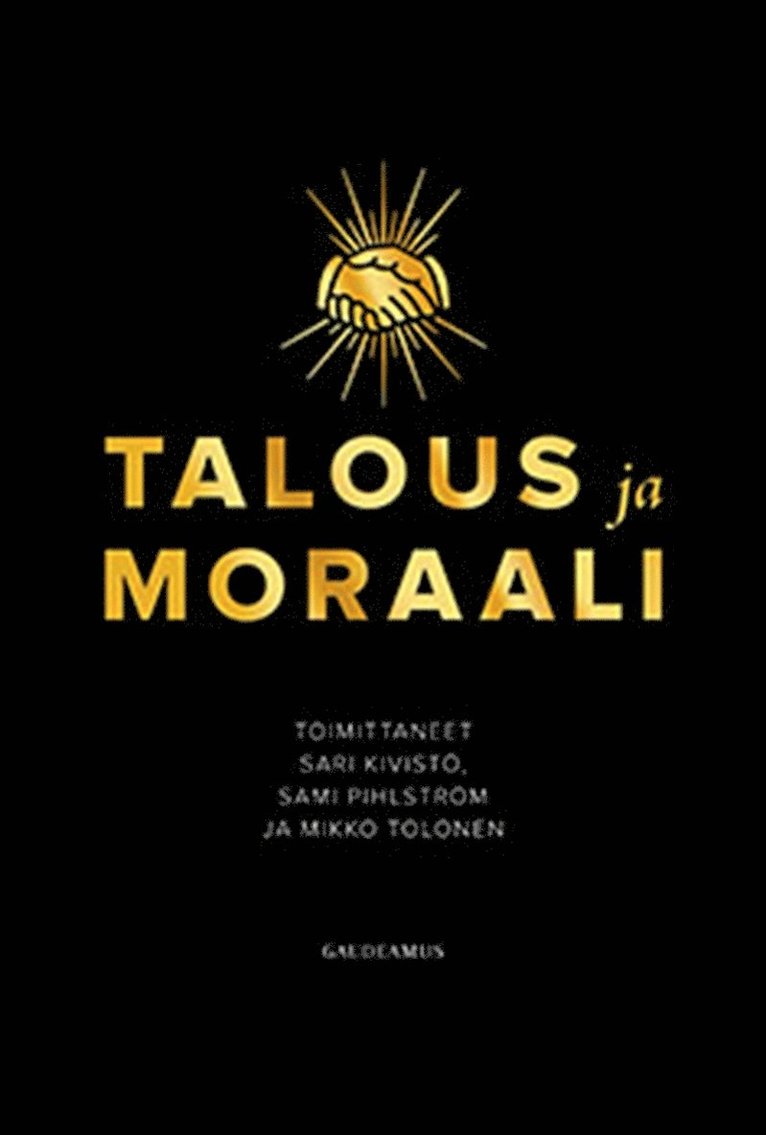
Talous ja moraali
Av Sari Kivistö, Sami Pihlström m. fl.
E-bok, 2019
297 kr
Lägg i varukorg
Länsimaisesta yhteiskunnasta on vaikea löytää elämänaluetta, joka ei olisi tavalla tai toisella kytköksissä globaaliin markkinatalouteen. Tästä huolimatta taloutta ajatellaan usein itsenäisenä sfäärinä, jonka toimintaan ei tulisi puuttua. Miten näin on päässyt käymään? Talous ja moraali tuo esille, …