Mohammad J. Taherzadeh – författare
Visar alla böcker från författaren Mohammad J. Taherzadeh. Handla med fri frakt och snabb leverans.
7 produkter
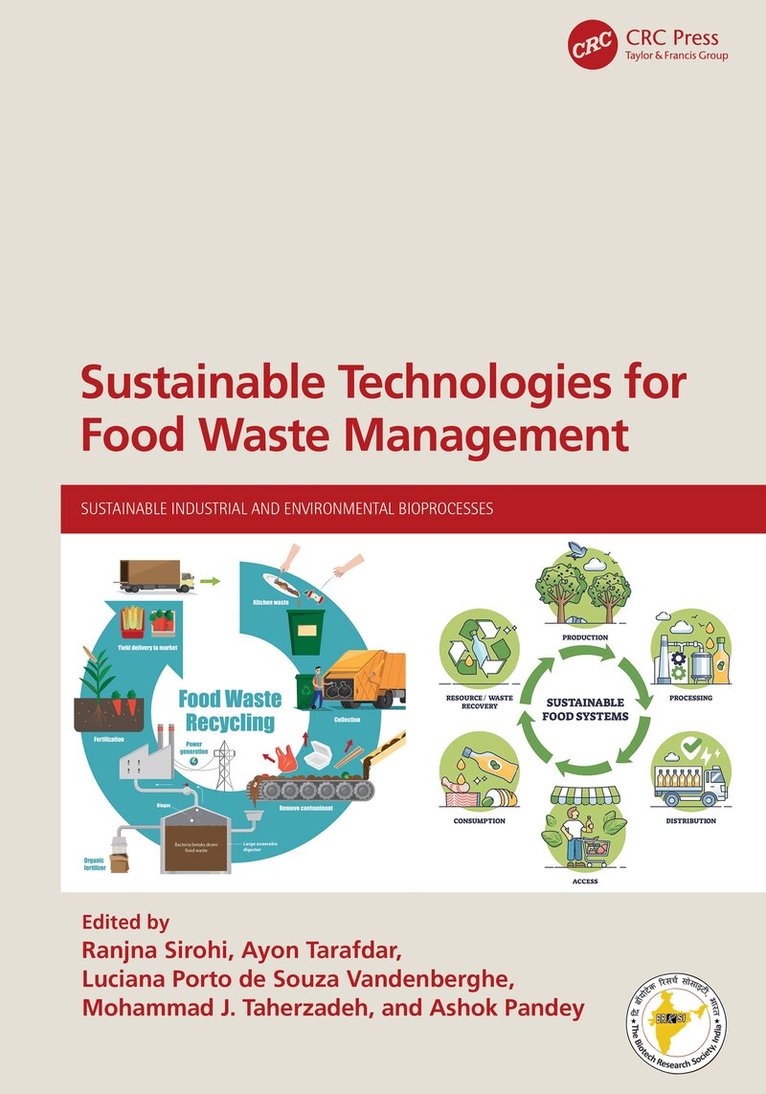
Sustainable Technologies for Food Waste Management
Av Ranjna Sirohi, Ayon Tarafdar m. fl.
Inbunden, 2025
2510 kr
Lägg i varukorg
This book comprehensively explores various aspects of food waste management, ranging from understanding the issue to innovative solutions that convert waste into valuable resources. The initial chapters provide an in-depth analysis of advanced methods for characterizing food waste. The book …
Sustainable Technologies for Food Waste Management
Av Ashok Pandey, Mohammad J. Taherzadeh m. fl.
E-bok, 2025
2892 kr
Lägg i varukorg
This book comprehensively explores various aspects of food waste management, ranging from understanding the issue to innovative solutions that convert waste into valuable resources. The initial chapters provide an in-depth analysis of advanced methods for characterizing food waste. The book …
Sustainable Technologies for Food Waste Management
Av Ashok Pandey, Mohammad J. Taherzadeh m. fl.
E-bok, 2025
2892 kr
Lägg i varukorg
This book comprehensively explores various aspects of food waste management, ranging from understanding the issue to innovative solutions that convert waste into valuable resources. The initial chapters provide an in-depth analysis of advanced methods for characterizing food waste. The book …
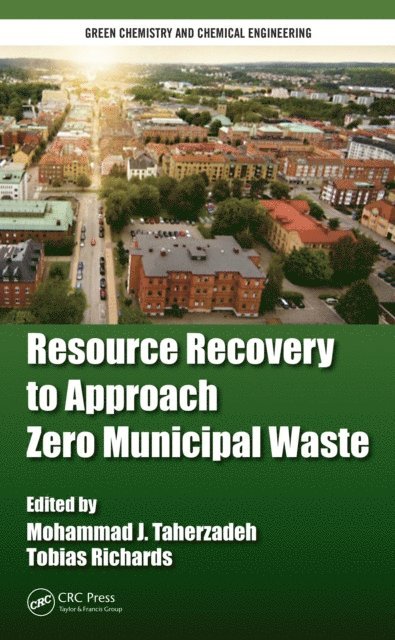
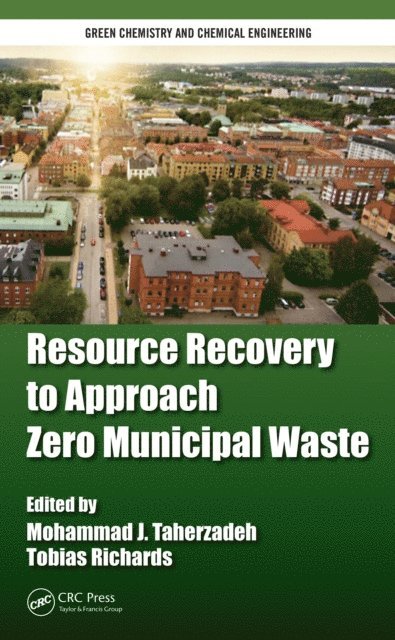
Resource Recovery to Approach Zero Municipal Waste
Av Mohammad J. Taherzadeh, Tobias Richards
Häftad, 2017
1359 kr
Lägg i varukorg
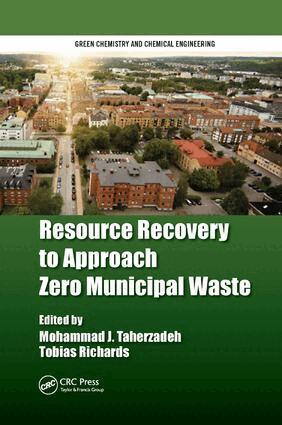
Current development results in a linear flow from raw material to waste, which cannot be sustainable in the long term. Plus, a global population of 7 billion people means that there are 7 billion waste producers in the world. At present, dumping and landfilling are the primary practices for getting …
Resource Recovery to Approach Zero Municipal Waste
Av Tobias Richards, Mohammad J. Taherzadeh
E-bok, 2018
1609 kr
Lägg i varukorg
Current development results in a linear flow from raw material to waste, which cannot be sustainable in the long term. Plus, a global population of 7 billion people means that there are 7 billion waste producers in the world. At present, dumping and landfilling are the primary practices for getting …
Resource Recovery to Approach Zero Municipal Waste
Av Mohammad J. Taherzadeh, Tobias Richards
Inbunden, 2015
3063 kr
Lägg i varukorg
Current development results in a linear flow from raw material to waste, which cannot be sustainable in the long term. Plus, a global population of 7 billion people means that there are 7 billion waste producers in the world. At present, dumping and landfilling are the primary practices for getting …
Resource Recovery to Approach Zero Municipal Waste
Av Tobias Richards, Mohammad J. Taherzadeh
E-bok, 2018
1609 kr
Lägg i varukorg
Current development results in a linear flow from raw material to waste, which cannot be sustainable in the long term. Plus, a global population of 7 billion people means that there are 7 billion waste producers in the world. At present, dumping and landfilling are the primary practices for getting …