Mohammed F. M. Mohammed – författare
Visar alla böcker från författaren Mohammed F. M. Mohammed. Handla med fri frakt och snabb leverans.
6 produkter
6 produkter
E-bok
PDF, Engelska, 20261 180 kr
Läs direkt efter köp
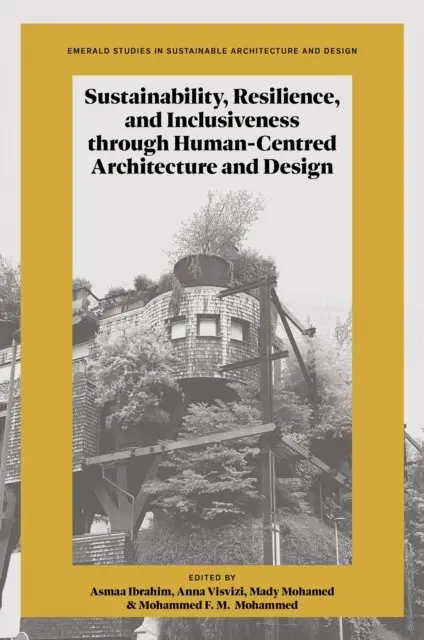
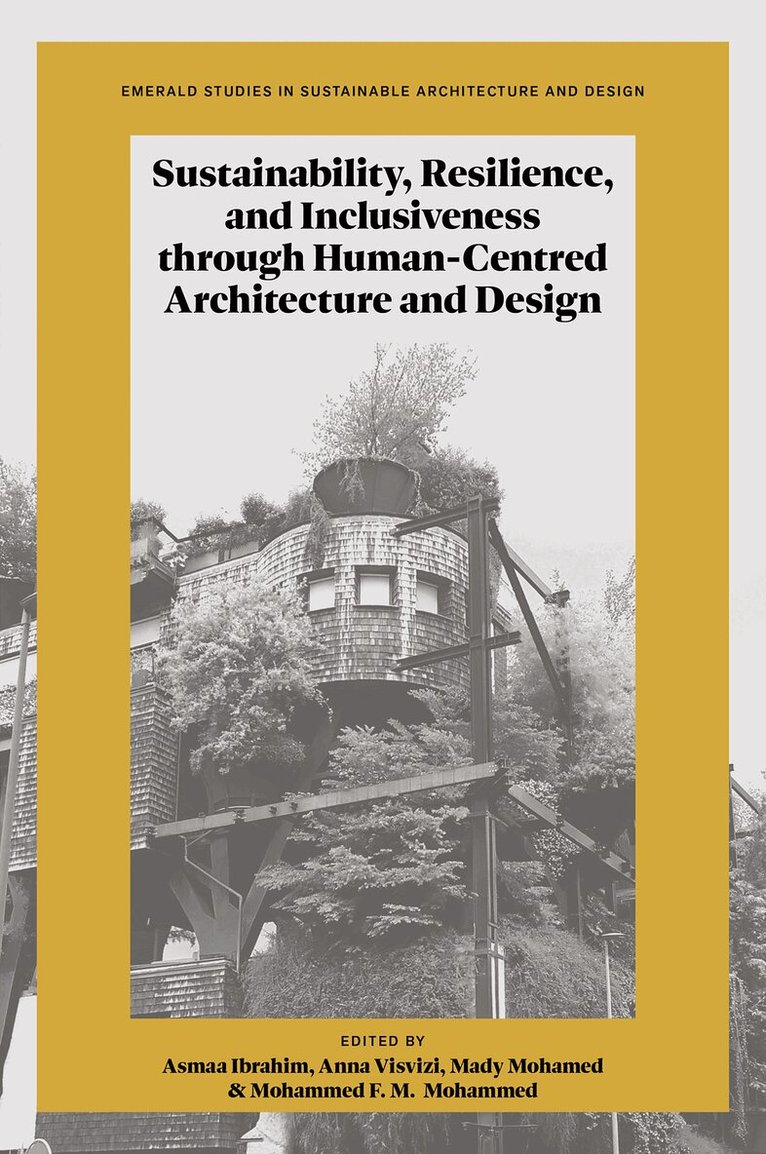
The way we design and build our cities, buildings, and public spaces takes on critical importance in the face of critical issues such as climate change, social inequality, and rapid urbanization. Architecture and design not only shape the environments in which we live but also influence energy use, natural resource management, and social inclusion. These disciplines have the potential to play a pivotal role in advancing sustainable development, yet their contributions are often overlooked.Sustainability, Resilience, and Inclusiveness through Human-Centred Architecture and Design examines the profound ways in which architecture and design can contribute to global imperatives framed by the United Nations Sustainable Development Goals (SDGs), particularly those focused on sustainable cities and communities (SDG 11), affordable and clean energy (SDG 7), and reduced inequalities (SDG 10).This volume offers a three-part exploration. Part 1 delves into energy efficiency, discussing innovations like biomimicry for zero-energy buildings and IoT-integrated systems in educational spaces. Part 2 bridges sustainability and heritage preservation, showcasing AI-assisted designs and adaptive placemaking strategies. Finally, Part 3 presents real-world case studies, from Saudi Arabia s sustainable design frameworks to the impact of the pandemic on residential spaces in Egypt. With fresh insights and empirical evidence, this collected edition sets a new agenda for integrating human-centered approaches into sustainable design and architecture. Providing a vital resource for academics, policymakers, architects, and urban planners, Human-Centered Architecture and Design underscores the urgent need for collaboration across disciplines to create a built environment that supports thriving, resilient, and inclusive communities.
Inbunden, Engelska, 2026
1 127 kr
Skickas inom 5-8 vardagar
The way we design and build our cities, buildings, and public spaces takes on critical importance in the face of critical issues such as climate change, social inequality, and rapid urbanization. Architecture and design not only shape the environments in which we live but also influence energy use, natural resource management, and social inclusion. These disciplines have the potential to play a pivotal role in advancing sustainable development, yet their contributions are often overlooked.Sustainability, Resilience, and Inclusiveness through Human-Centred Architecture and Design examines the profound ways in which architecture and design can contribute to global imperatives framed by the United Nations Sustainable Development Goals (SDGs), particularly those focused on sustainable cities and communities (SDG 11), affordable and clean energy (SDG 7), and reduced inequalities (SDG 10).This volume offers a three-part exploration. Part 1 delves into energy efficiency, discussing innovations like biomimicry for zero-energy buildings and IoT-integrated systems in educational spaces. Part 2 bridges sustainability and heritage preservation, showcasing AI-assisted designs and adaptive placemaking strategies. Finally, Part 3 presents real-world case studies, from Saudi Arabia’s sustainable design frameworks to the impact of the pandemic on residential spaces in Egypt. With fresh insights and empirical evidence, this collected edition sets a new agenda for integrating human-centered approaches into sustainable design and architecture. Providing a vital resource for academics, policymakers, architects, and urban planners, Human-Centered Architecture and Design underscores the urgent need for collaboration across disciplines to create a built environment that supports thriving, resilient, and inclusive communities.
E-bok
Engelska, 20261 180 kr
Läs direkt efter köp
The way we design and build our cities, buildings, and public spaces takes on critical importance in the face of critical issues such as climate change, social inequality, and rapid urbanization. Architecture and design not only shape the environments in which we live but also influence energy use, natural resource management, and social inclusion. These disciplines have the potential to play a pivotal role in advancing sustainable development, yet their contributions are often overlooked.Sustainability, Resilience, and Inclusiveness through Human-Centred Architecture and Design examines the profound ways in which architecture and design can contribute to global imperatives framed by the United Nations Sustainable Development Goals (SDGs), particularly those focused on sustainable cities and communities (SDG 11), affordable and clean energy (SDG 7), and reduced inequalities (SDG 10).This volume offers a three-part exploration. Part 1 delves into energy efficiency, discussing innovations like biomimicry for zero-energy buildings and IoT-integrated systems in educational spaces. Part 2 bridges sustainability and heritage preservation, showcasing AI-assisted designs and adaptive placemaking strategies. Finally, Part 3 presents real-world case studies, from Saudi Arabia s sustainable design frameworks to the impact of the pandemic on residential spaces in Egypt. With fresh insights and empirical evidence, this collected edition sets a new agenda for integrating human-centered approaches into sustainable design and architecture. Providing a vital resource for academics, policymakers, architects, and urban planners, Human-Centered Architecture and Design underscores the urgent need for collaboration across disciplines to create a built environment that supports thriving, resilient, and inclusive communities.
E-bok
PDF, Engelska, 20261 180 kr
Läs direkt efter köp
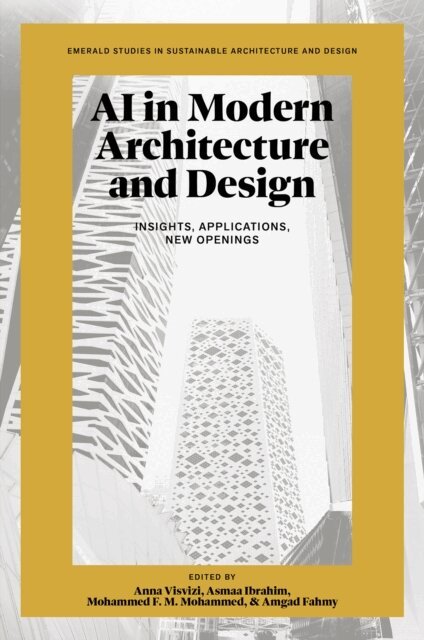
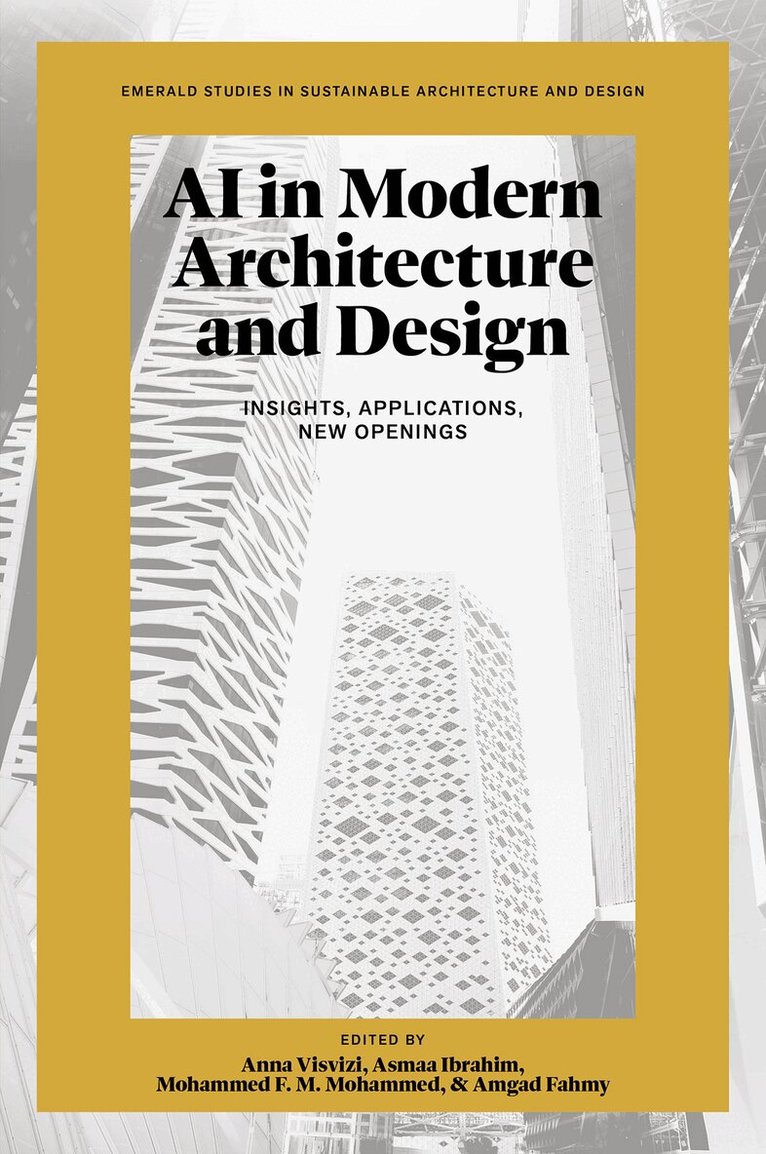
Artificial intelligence (AI) and advanced digital technologies, like virtual reality (VR), the metaverse, neuroarchitecture, and nanotechnology are rapidly reshaping the fields of architecture and design. These innovations offer unprecedented opportunities to enhance sustainability, human well-being, and energy efficiency in these domains. However, alongside these developments come pressing questions about authorship, ethical responsibility, and the broader impact of AI-driven tools on the art and practice of design and architecture. As AI regulation continues to evolve globally, architects, designers, and scholars must engage in critical discussions about how new technologies can be harnessed responsibly. This volume of Emerald Studies in Sustainable Architecture and Design examines the intersection of AI and architecture and provides a comprehensive exploration of AI-based tools and their role in shaping contemporary architectural practice. Divided into three parts, this edited collection investigates AI's influence on design processes, its integration into architectural education, and its transformative potential in interior design and the metaverse. Through real-world case studies and expert contributions, this volume highlights both the opportunities AI presents and the ethical dilemmas it raises. By framing AI's role within the broader context of sustainability and the UN's Sustainable Development Goals (SDGs), this work makes a unique and timely contribution to the field. Bridging research and practice, this collection is an invaluable resource for academics, students, and professionals in architecture, design, urban studies, and sustainability. Offering both theoretical insights and practical applications, it equips readers with the knowledge needed to navigate the evolving landscape of AI-driven design.
Inbunden, Engelska, 2026
1 127 kr
Skickas inom 5-8 vardagar
Artificial intelligence (AI) and advanced digital technologies, like virtual reality (VR), the metaverse, neuroarchitecture, and nanotechnology are rapidly reshaping the fields of architecture and design. These innovations offer unprecedented opportunities to enhance sustainability, human well-being, and energy efficiency in these domains. However, alongside these developments come pressing questions about authorship, ethical responsibility, and the broader impact of AI-driven tools on the art and practice of design and architecture. As AI regulation continues to evolve globally, architects, designers, and scholars must engage in critical discussions about how new technologies can be harnessed responsibly. This volume of Emerald Studies in Sustainable Architecture and Design examines the intersection of AI and architecture and provides a comprehensive exploration of AI-based tools and their role in shaping contemporary architectural practice. Divided into three parts, this edited collection investigates AI’s influence on design processes, its integration into architectural education, and its transformative potential in interior design and the metaverse. Through real-world case studies and expert contributions, this volume highlights both the opportunities AI presents and the ethical dilemmas it raises. By framing AI’s role within the broader context of sustainability and the UN’s Sustainable Development Goals (SDGs), this work makes a unique and timely contribution to the field. Bridging research and practice, this collection is an invaluable resource for academics, students, and professionals in architecture, design, urban studies, and sustainability. Offering both theoretical insights and practical applications, it equips readers with the knowledge needed to navigate the evolving landscape of AI-driven design.
E-bok
Engelska, 20261 180 kr
Läs direkt efter köp
Artificial intelligence (AI) and advanced digital technologies, like virtual reality (VR), the metaverse, neuroarchitecture, and nanotechnology are rapidly reshaping the fields of architecture and design. These innovations offer unprecedented opportunities to enhance sustainability, human well-being, and energy efficiency in these domains. However, alongside these developments come pressing questions about authorship, ethical responsibility, and the broader impact of AI-driven tools on the art and practice of design and architecture. As AI regulation continues to evolve globally, architects, designers, and scholars must engage in critical discussions about how new technologies can be harnessed responsibly. This volume of Emerald Studies in Sustainable Architecture and Design examines the intersection of AI and architecture and provides a comprehensive exploration of AI-based tools and their role in shaping contemporary architectural practice. Divided into three parts, this edited collection investigates AI's influence on design processes, its integration into architectural education, and its transformative potential in interior design and the metaverse. Through real-world case studies and expert contributions, this volume highlights both the opportunities AI presents and the ethical dilemmas it raises. By framing AI's role within the broader context of sustainability and the UN's Sustainable Development Goals (SDGs), this work makes a unique and timely contribution to the field. Bridging research and practice, this collection is an invaluable resource for academics, students, and professionals in architecture, design, urban studies, and sustainability. Offering both theoretical insights and practical applications, it equips readers with the knowledge needed to navigate the evolving landscape of AI-driven design.