Monika Rathert – författare
Visar alla böcker från författaren Monika Rathert. Handla med fri frakt och snabb leverans.
15 produkter
Quantification, Definiteness, and Nominalization
Av Monika Rathert, Anastasia Giannakidou
E-bok, 2009
638 kr
Lägg i varukorg
This book addresses recent developments in the study of quantifier phrases, nominalizations, and the linking definite determiner. It reflects the intense reconsideration of the nature of quantification, and of fundamental aspects of the syntax and semantics of quantifier phrases. Leading …
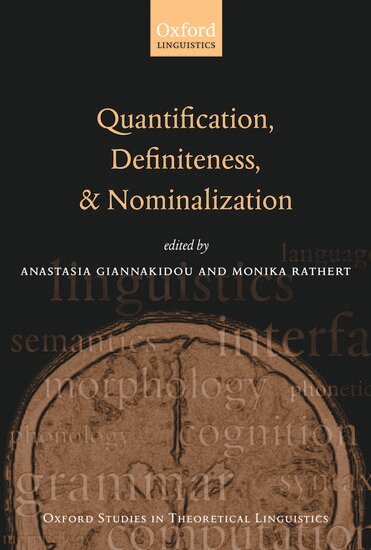
Quantification, Definiteness, and Nominalization
Av Anastasia Giannakidou, Monika Rathert
Inbunden, 2009
1582 kr
Lägg i varukorg
This book addresses recent developments in the study of quantifier phrases, nominalizations, and the linking definite determiner. It reflects the intense reconsideration of the nature of quantification, and of fundamental aspects of the syntax and semantics of quantifier phrases. Leading …
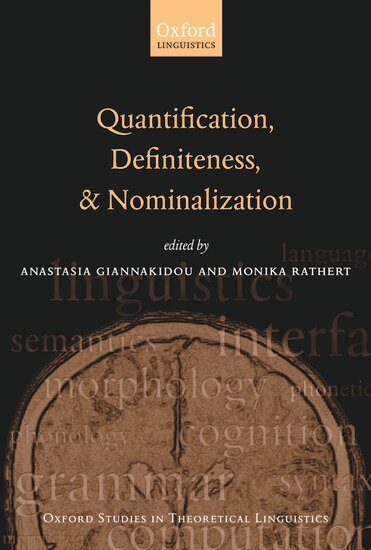
Quantification, Definiteness, and Nominalization
Av Anastasia Giannakidou, Monika Rathert
Häftad, 2009
1270 kr
Lägg i varukorg
This book addresses recent developments in the study of quantifier phrases, nominalizations, and the linking definite determiner. It reflects the intense reconsideration of the nature of quantification, and of fundamental aspects of the syntax and semantics of quantifier phrases. Leading …
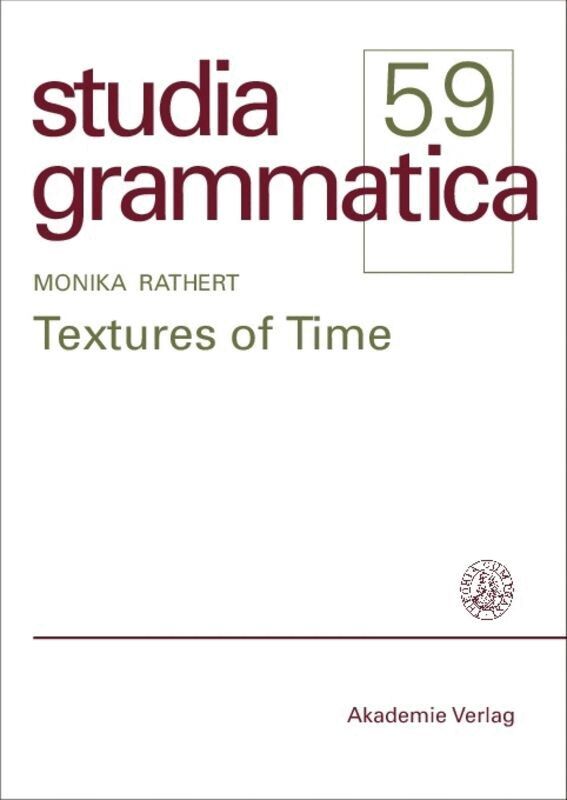
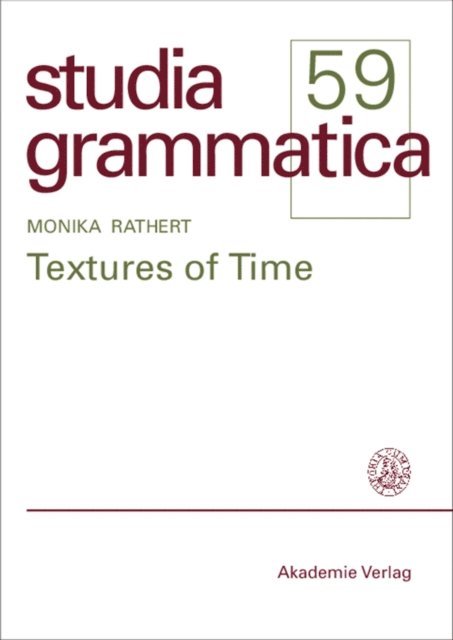
Textures of Time
Inbunden, 2004
1484 kr
Lägg i varukorg
Die Studie beschäftigt sich mit dem Perfekt im Deutschen und Englischen und dessen Verhältnis zu zwei Klassen von Adverbien. Die Klasse der durativen Adverbien ist seit Dowtys (1979) Word meaning and Montague grammar immer im Zusammenhang mit dem Perfekt diskutiert worden, weil diese Adverbien nur …
Textures of Time
E-bok, 2015
1550 kr
Lägg i varukorg
Die Studie beschäftigt sich mit dem Perfekt im Deutschen und Englischen und dessen Verhältnis zu zwei Klassen von Adverbien. Die Klasse der durativen Adverbien ist seit Dowtys (1979) Word meaning and Montague grammar immer im Zusammenhang mit dem Perfekt diskutiert worden, weil diese Adverbien nur …
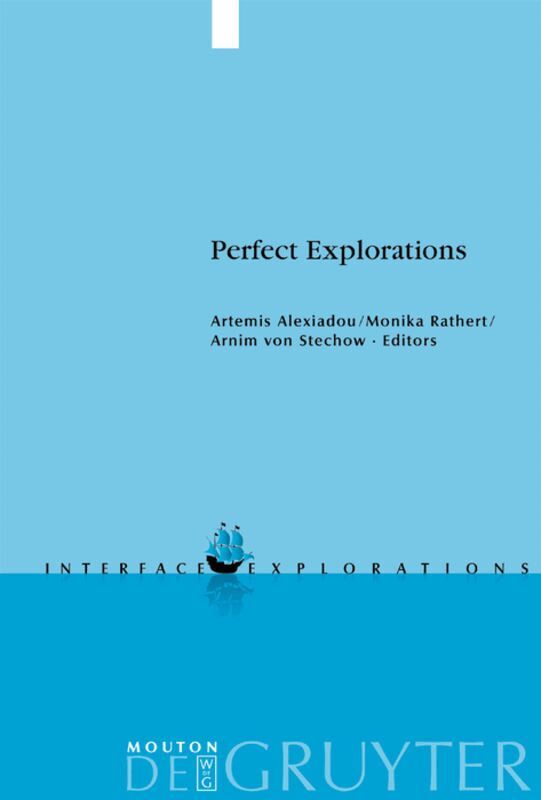
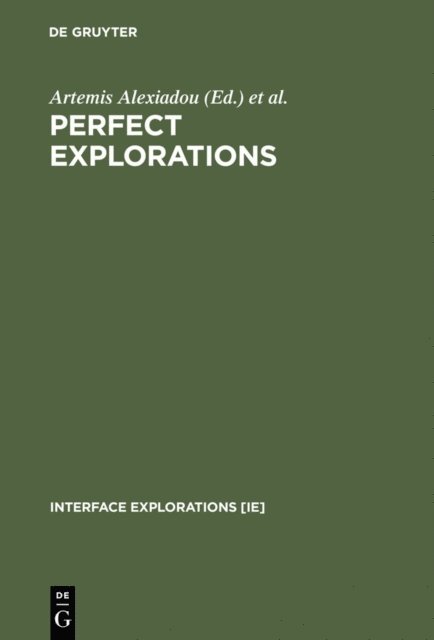
Perfect Explorations
Av Artemis Alexiadou, Monika Rathert m. fl.
Inbunden, 2003
2256 kr
Lägg i varukorg
This volume contains contributions dealing with the syntax, morphology, semantics, and diachronic development of the Perfect and the components it is built on across languages. The volume brings these aspects together, working towards a comprehensive theory of the Perfect which takes into …
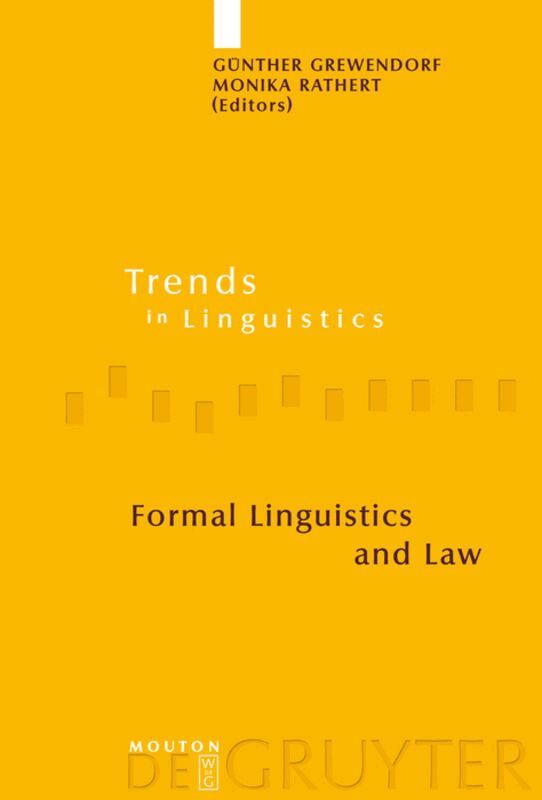
Formal Linguistics and Law
Av Günther Grewendorf, Monika Rathert
Inbunden, 2009
2135 kr
Lägg i varukorg
This volume explores new interfaces between linguistics and jurisprudence. Its theoretical and methodological importance lies in showing that many questions asked within the field of language and law receive satisfactory answers from formal linguistics.The book starts with a paper by the two …
Formal Linguistics and Law
Av Monika Rathert, Gunther Grewendorf
E-bok, 2009
2158 kr
Lägg i varukorg
This volume explores new interfaces between linguistics and jurisprudence. Its theoretical and methodological importance lies in showing that many questions asked within the field of language and law receive satisfactory answers from formal linguistics. The book starts with a paper by the two …
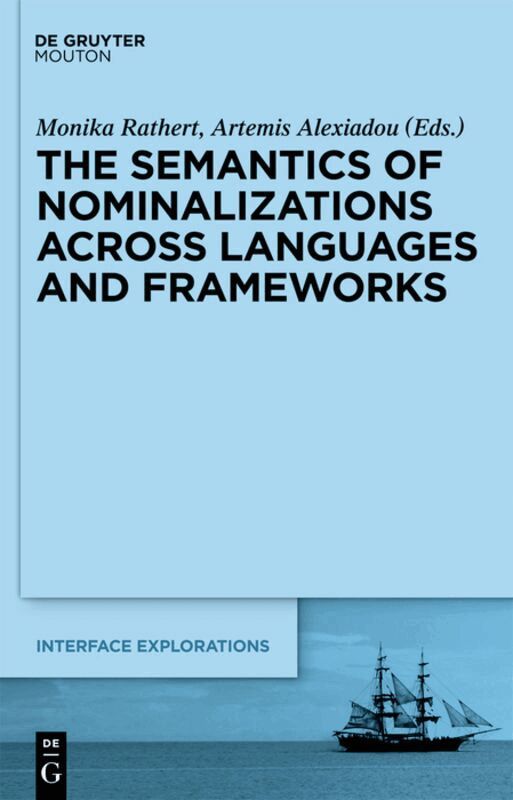
Semantics of Nominalizations across Languages and Frameworks
Av Monika Rathert, Artemis Alexiadou
Inbunden, 2010
2390 kr
Lägg i varukorg
The volume explores the semantics of nominalizations from different theoretical points of view: formal and lexical semantics, cognitive-functional grammar, lexical-functional grammar, discourse representation theory. Data from a variety of languages are taken into account, including Hungarian, …
Semantics of Nominalizations across Languages and Frameworks
Av Artemis Alexiadou, Monika Rathert
E-bok, 2010
2364 kr
Lägg i varukorg
The volume explores the semantics of nominalizations from different theoretical points of view: formal and lexical semantics, cognitive-functional grammar, lexical-functional grammar, discourse representation theory. Data from a variety of languages are taken into account, including Hungarian, …
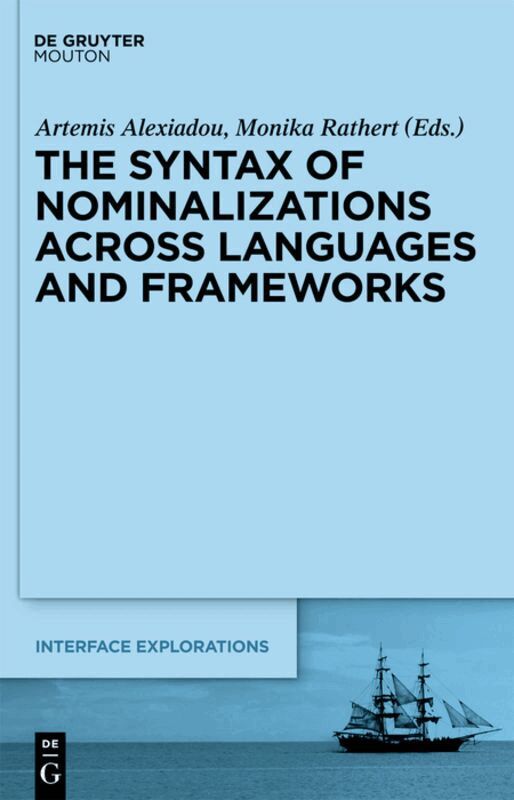
Syntax of Nominalizations across Languages and Frameworks
Av Artemis Alexiadou, Monika Rathert
Inbunden, 2010
2759 kr
Lägg i varukorg
The volume explores the syntax of nominalizations, focusing on deverbal and deadjectival nominalizations, but also discussing the syntax of genitives and the syntax of distinct readings of nominalizations. The volume investigates the morpholgy-syntax interface as well as the semantics-syntax …
Syntax of Nominalizations across Languages and Frameworks
Av Monika Rathert, Artemis Alexiadou
E-bok, 2010
2798 kr
Lägg i varukorg
The volume explores the syntax of nominalizations, focusing on deverbal and deadjectival nominalizations, but also discussing the syntax of genitives and the syntax of distinct readings of nominalizations. The volume investigates the morpholgy-syntax interface as well as the semantics-syntax …
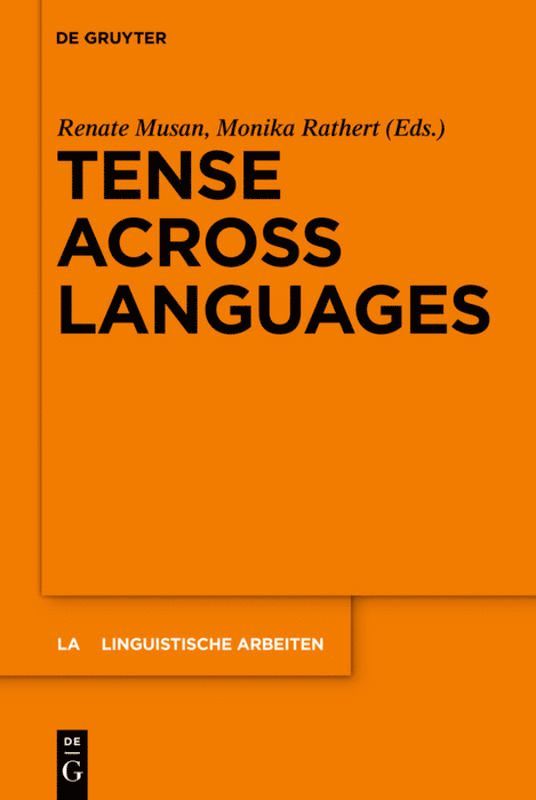
Tense across Languages
Av Renate Musan, Monika Rathert
Inbunden, 2011
2390 kr
Lägg i varukorg
This book addresses recent developments in the study of tense from a cross-paradigm and cross-linguistic point of view. Leading international scholars explore challenging ideas about tense at the interfaces between semantics and syntax as well as syntax and morphology. The book is divided into …
Tense across Languages
Av Monika Rathert, Renate Musan
E-bok, 2011
2416 kr
Lägg i varukorg
This book addresses recent developments in the study of tense from a cross-paradigm and cross-linguistic point of view. Leading international scholars explore challenging ideas about tense at the interfaces between semantics and syntax as well as syntax and morphology. The book is divided into …
Perfect Explorations
Av Arnim von Stechow, Monika Rathert m. fl.
E-bok, 2012
2041 kr
Lägg i varukorg
This volume contains contributions dealing with the syntax, morphology, semantics, and diachronic development of the Perfect and the components it is built on across languages. The volume brings these aspects together, working towards a comprehensive theory of the Perfect which takes into …