Monika Zalnieriute – författare
Visar alla böcker från författaren Monika Zalnieriute. Handla med fri frakt och snabb leverans.
9 produkter
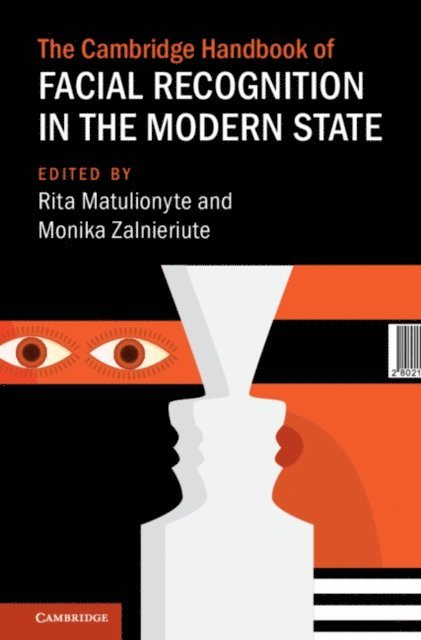
Cambridge Handbook of Facial Recognition in the Modern State
Av Monika Zalnieriute, Rita Matulionyte
E-bok, 2024
2369 kr
Lägg i varukorg
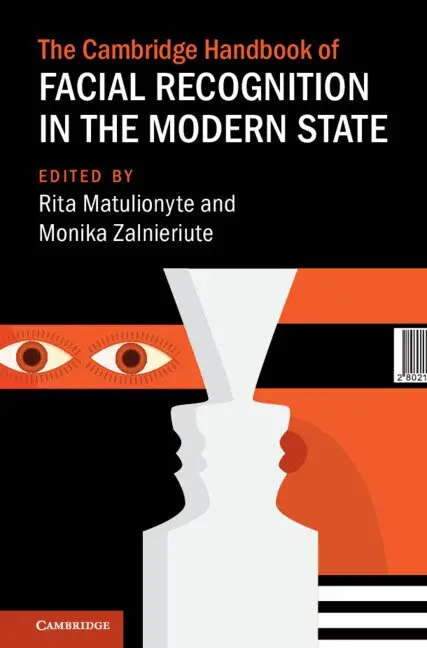
The Cambridge Handbook of Facial Recognition in the Modern State
Av Rita Matulionyte, Monika Zalnieriute
Inbunden, 2024
2382 kr
Lägg i varukorg
In situations ranging from border control to policing and welfare, governments are using automated facial recognition technology (FRT) to collect taxes, prevent crime, police cities and control immigration. FRT involves the processing of a person's facial image, usually for identification, …
Cambridge Handbook of Facial Recognition in the Modern State
Av Monika Zalnieriute, Rita Matulionyte
E-bok, 2024
2369 kr
Lägg i varukorg
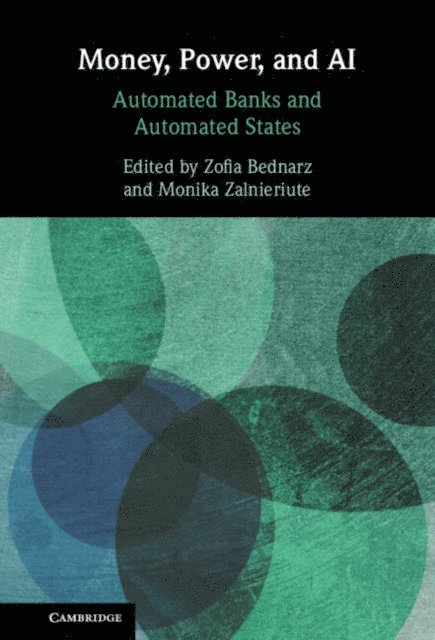
Money, Power, and AI
Automated Banks and Automated States
Av Monika Zalnieriute, Zofia Bednarz
E-bok, 2023
1467 kr
Lägg i varukorg
Money, Power, and AI
Automated Banks and Automated States
Av Monika Zalnieriute, Zofia Bednarz
E-bok, 2023
1467 kr
Lägg i varukorg
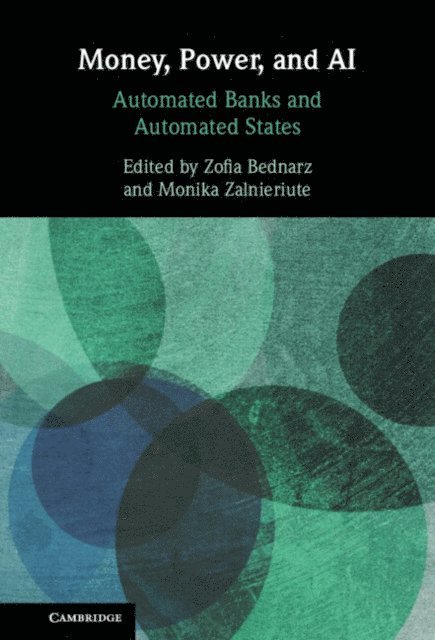
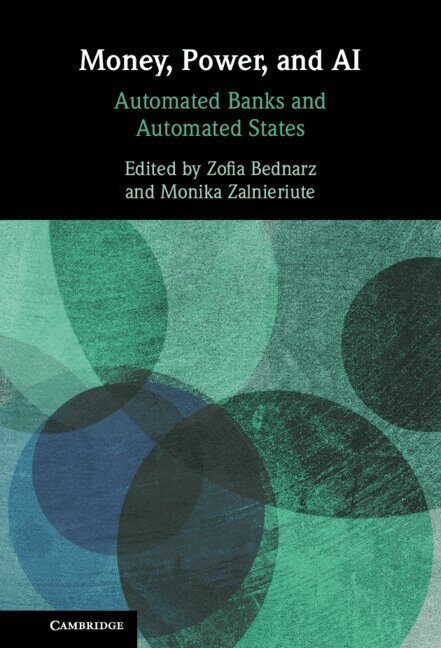
Money, Power, and AI
Automated Banks and Automated States
Av Zofia Bednarz, Monika Zalnieriute
Inbunden, 2023
1480 kr
Lägg i varukorg
In this ambitious collection, Zofia Bednarz and Monika Zalnieriute bring together leading experts to shed light on how artificial intelligence (AI) and automated decision-making (ADM) create new sources of profits and power for financial firms and governments. Chapter authors-which include public …
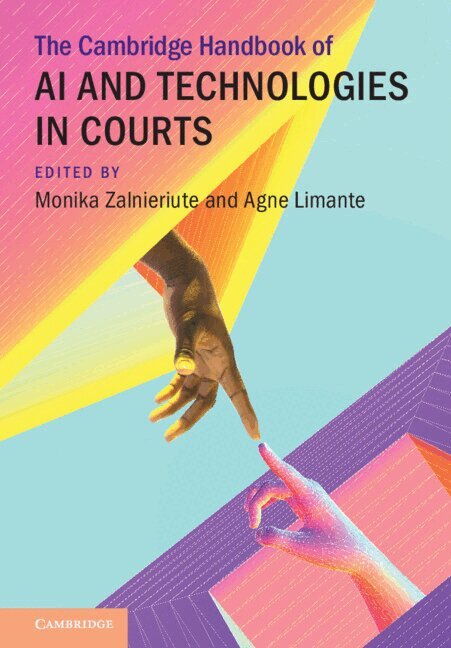
The Cambridge Handbook of AI and Technologies in Courts
Av Monika Zalnieriute, Agne Limante
Inbunden, 2026
3012 kr
Lägg i varukorg
This Handbook is the first global comparative volume that examines the use of AI and digital technologies in courts. With contributions from over seventy academics, judges, and other professionals from over twenty-five countries, it provides an interdisciplinary and cross-jurisdictional perspective …
Cambridge Handbook of AI and Technologies in Courts
Av Agne Limante, Monika Zalnieriute
E-bok, 2026
2999 kr
Lägg i varukorg
Cambridge Handbook of AI and Technologies in Courts
Av Agne Limante, Monika Zalnieriute
E-bok, 2026
2999 kr
Lägg i varukorg