Mwangi wa Gĩthĩnji – författare
2 510 kr
Skickas inom 10-15 vardagar
2 510 kr
Skickas inom 10-15 vardagar
2 510 kr
Skickas inom 10-15 vardagar
765 kr
Kommande
765 kr
Kommande
765 kr
Kommande
858 kr
Läs direkt efter köp
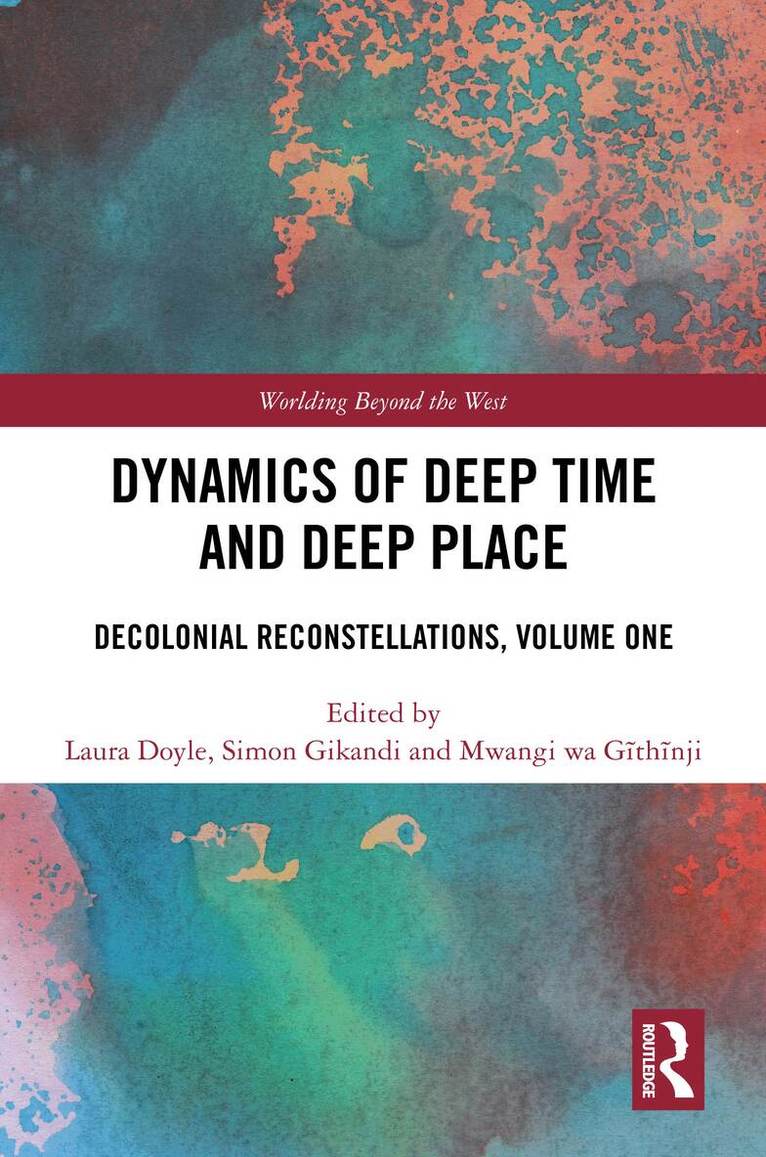
Dynamics of Deep Time and Deep Place comprises one volume in an unprecedented three-volume set, collectively subtitled Decolonial Reconstellations. Together with Volume Two (Dissolving Master Narratives) and Volume Three (Reconceiving Identities in Political Economy), it gathers thinkers from across world regions and disciplines who reconfigure critical global thought.
Collaboratively conceived, the volumes are founded on the observation that we cannot fully uproot the epistemological-material violence of coercive systems, nor fully (re)imagine more ethical visions of planetary community, without shared attention to the deeper histories of place and peoples that shape the present. Accordingly, the volumes gather social scientists and humanists, Indigenous and non-Indigenous scholars, and intersectional and materialist thinkers who reconceptualize longue-durée history and its afterlives. They engage in the dual project to dismantle eurocentric, colonial, androcentric frameworks and to make visible the legacies of care and creative world-making that have sustained human communities. Uncovering pasts that are as complex and dynamic as the present, the contributors brilliantly transform notions of temporality, relationability, polity, conjuncture, resistance and experimentation within histories of struggle and alliance. They richly decolonize political imaginaries. The co-editors’ introductions articulate fresh frameworks of “deep place” and “deep time” freed from eurocentric modernity paradigms, indicating pathways toward decolonial collaboration and institutional change.
Decolonial Reconstellations offers invaluable resources for researchers and teachers in decolonial, postcolonial, anti-colonial, and Indigenous studies and will also strongly appeal to feminist, anti-racist, Marxist, and critical theory scholars across disciplines.
858 kr
Läs direkt efter köp
Dynamics of Deep Time and Deep Place comprises one volume in an unprecedented three-volume set, collectively subtitled Decolonial Reconstellations. Together with Volume Two (Dissolving Master Narratives) and Volume Three (Reconceiving Identities in Political Economy), it gathers thinkers from across world regions and disciplines who reconfigure critical global thought.
Collaboratively conceived, the volumes are founded on the observation that we cannot fully uproot the epistemological-material violence of coercive systems, nor fully (re)imagine more ethical visions of planetary community, without shared attention to the deeper histories of place and peoples that shape the present. Accordingly, the volumes gather social scientists and humanists, Indigenous and non-Indigenous scholars, and intersectional and materialist thinkers who reconceptualize longue-durée history and its afterlives. They engage in the dual project to dismantle eurocentric, colonial, androcentric frameworks and to make visible the legacies of care and creative world-making that have sustained human communities. Uncovering pasts that are as complex and dynamic as the present, the contributors brilliantly transform notions of temporality, relationability, polity, conjuncture, resistance and experimentation within histories of struggle and alliance. They richly decolonize political imaginaries. The co-editors’ introductions articulate fresh frameworks of “deep place” and “deep time” freed from eurocentric modernity paradigms, indicating pathways toward decolonial collaboration and institutional change.
Decolonial Reconstellations offers invaluable resources for researchers and teachers in decolonial, postcolonial, anti-colonial, and Indigenous studies and will also strongly appeal to feminist, anti-racist, Marxist, and critical theory scholars across disciplines.
858 kr
Läs direkt efter köp
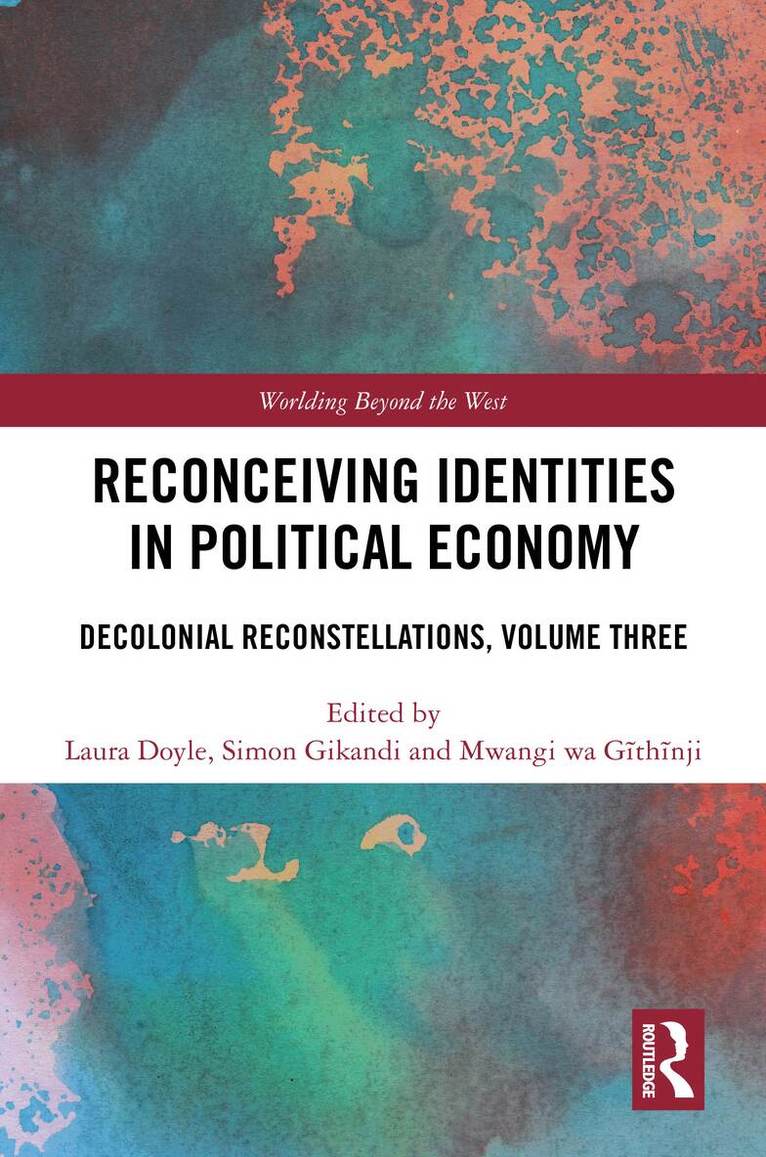
Reconceiving Identities in Political Economy comprises one volume in an unprecedented three-volume set, collectively subtitled Decolonial Reconstellations. Together with Volume One (Dynamics of Deep Time and Deep Place) and Volume Two (Dissolving Master Narratives), it gathers thinkers from across world regions and disciplines who reconfigure critical global thought.
Collaboratively conceived, the volumes are founded on the observation that we cannot fully uproot the epistemological-material violence of coercive systems nor fully (re)imagine more ethical visions of planetary community, without shared attention to the deeper histories of place and peoples that shape the present. Accordingly, the volumes gather social scientists and humanists, Indigenous and non-Indigenous scholars, and intersectional and materialist thinkers who reconceptualize longue-durée history and its afterlives. They engage in the dual project to dismantle eurocentric, colonial, androcentric frameworks and to make visible the legacies of care and creative world-making that have sustained human communities. Uncovering pasts that are as complex and dynamic as the present, the contributors brilliantly transform notions of temporality, relationality, polity, conjuncture, resistance and experimentation within histories of struggle and alliance. They richly decolonize political imaginaries. The co-editors’ introductions articulate fresh frameworks of “deep place” and “deep time” freed from eurocentric modernity paradigms, indicating pathways toward decolonial collaboration and institutional change.
Decolonial Reconstellations offers invaluable resources for researchers and teachers in decolonial, postcolonial, anti-colonial, and Indigenous studies, and will also strongly appeal to feminist, anti-racist, Marxist, and critical theory scholars across disciplines.
858 kr
Läs direkt efter köp
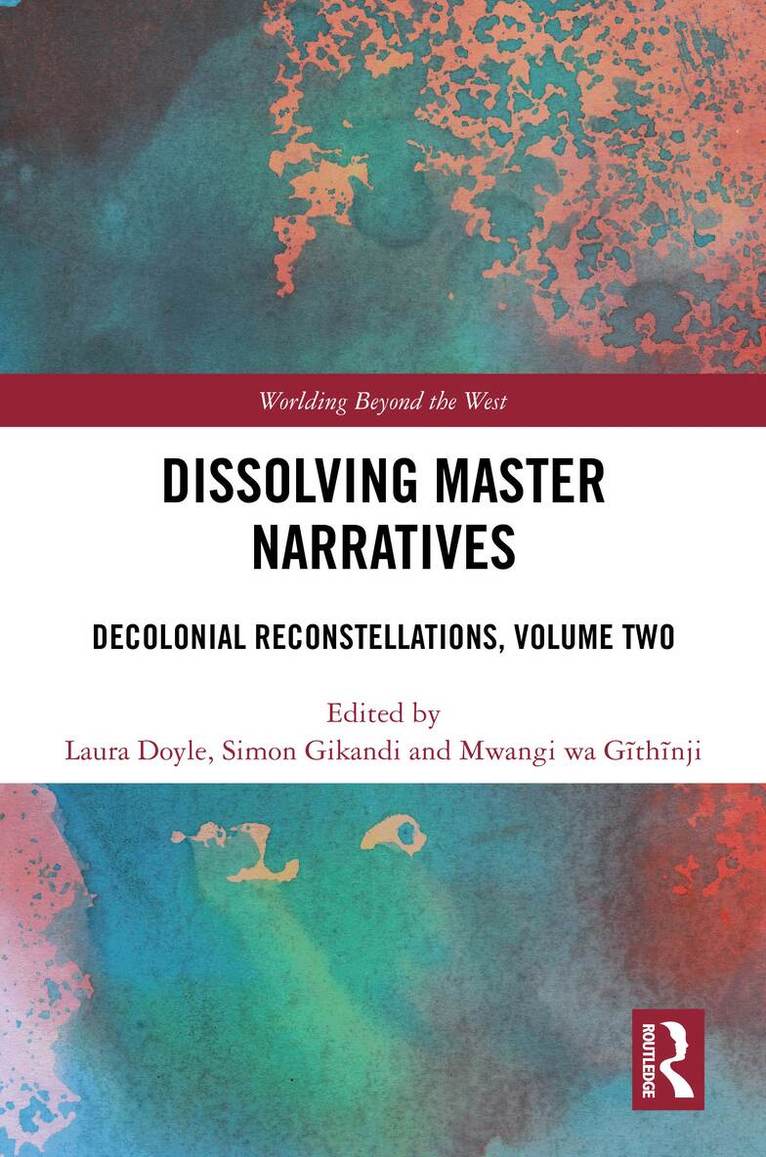
Dissolving Master Narratives comprises one volume in an unprecedented three-volume set, collectively subtitled Decolonial Reconstellations. Together with Volume One (Dynamics of Deep Time and Deep Place) and Volume Three (Reconceiving Identities in Political Economy), it gathers thinkers from across world regions and disciplines who reconfigure critical global thought.
Collaboratively conceived, the volumes are founded on the observation that we cannot fully uproot the epistemological-material violence of coercive systems, nor fully (re)imagine more ethical visions of planetary community, without shared attention to the deeper histories of place and peoples that shape the present. Accordingly, the volumes gather social scientists and humanists, Indigenous and non-Indigenous scholars, and intersectional and materialist thinkers who reconceptualize longue-durée history and its afterlives. They engage in the dual project to dismantle eurocentric, colonial, androcentric frameworks and to make visible the legacies of care and creative world-making that have sustained human communities. Uncovering pasts that are as complex and dynamic as the present, the contributors brilliantly transform notions of temporality, relationality, polity, conjuncture, resistance, and experimentation within histories of struggle and alliance. They richly decolonize political imaginaries. The co-editors’ introductions articulate fresh frameworks of “deep place” and “deep time” freed from eurocentric modernity paradigms, indicating pathways toward decolonial collaboration and institutional change.
Decolonial Reconstellations offers invaluable resources for researchers and teachers in decolonial, postcolonial, anti-colonial, and Indigenous studies, and will also strongly appeal to feminist, anti-racist, Marxist, and critical theory scholars across disciplines.
858 kr
Läs direkt efter köp
Reconceiving Identities in Political Economy comprises one volume in an unprecedented three-volume set, collectively subtitled Decolonial Reconstellations. Together with Volume One (Dynamics of Deep Time and Deep Place) and Volume Two (Dissolving Master Narratives), it gathers thinkers from across world regions and disciplines who reconfigure critical global thought.
Collaboratively conceived, the volumes are founded on the observation that we cannot fully uproot the epistemological-material violence of coercive systems nor fully (re)imagine more ethical visions of planetary community, without shared attention to the deeper histories of place and peoples that shape the present. Accordingly, the volumes gather social scientists and humanists, Indigenous and non-Indigenous scholars, and intersectional and materialist thinkers who reconceptualize longue-durée history and its afterlives. They engage in the dual project to dismantle eurocentric, colonial, androcentric frameworks and to make visible the legacies of care and creative world-making that have sustained human communities. Uncovering pasts that are as complex and dynamic as the present, the contributors brilliantly transform notions of temporality, relationality, polity, conjuncture, resistance and experimentation within histories of struggle and alliance. They richly decolonize political imaginaries. The co-editors’ introductions articulate fresh frameworks of “deep place” and “deep time” freed from eurocentric modernity paradigms, indicating pathways toward decolonial collaboration and institutional change.
Decolonial Reconstellations offers invaluable resources for researchers and teachers in decolonial, postcolonial, anti-colonial, and Indigenous studies, and will also strongly appeal to feminist, anti-racist, Marxist, and critical theory scholars across disciplines.
858 kr
Läs direkt efter köp
Dissolving Master Narratives comprises one volume in an unprecedented three-volume set, collectively subtitled Decolonial Reconstellations. Together with Volume One (Dynamics of Deep Time and Deep Place) and Volume Three (Reconceiving Identities in Political Economy), it gathers thinkers from across world regions and disciplines who reconfigure critical global thought.
Collaboratively conceived, the volumes are founded on the observation that we cannot fully uproot the epistemological-material violence of coercive systems, nor fully (re)imagine more ethical visions of planetary community, without shared attention to the deeper histories of place and peoples that shape the present. Accordingly, the volumes gather social scientists and humanists, Indigenous and non-Indigenous scholars, and intersectional and materialist thinkers who reconceptualize longue-durée history and its afterlives. They engage in the dual project to dismantle eurocentric, colonial, androcentric frameworks and to make visible the legacies of care and creative world-making that have sustained human communities. Uncovering pasts that are as complex and dynamic as the present, the contributors brilliantly transform notions of temporality, relationality, polity, conjuncture, resistance, and experimentation within histories of struggle and alliance. They richly decolonize political imaginaries. The co-editors’ introductions articulate fresh frameworks of “deep place” and “deep time” freed from eurocentric modernity paradigms, indicating pathways toward decolonial collaboration and institutional change.
Decolonial Reconstellations offers invaluable resources for researchers and teachers in decolonial, postcolonial, anti-colonial, and Indigenous studies, and will also strongly appeal to feminist, anti-racist, Marxist, and critical theory scholars across disciplines.
484 kr
Skickas inom 10-15 vardagar
1 340 kr
Skickas inom 10-15 vardagar
519 kr
Läs direkt efter köp
This title was first published in 2000. An analysis of income distribution and development in Kenya, seeking to increase the reader''s understanding of the political economy of that country. The author offers three contributions. He provides an estimate of income inequality in Kenya. He presents data on time allocation in Kenya which makes it possible to compare the distribution of work with the distribution of income. Finally, he attempts to construct a class analysis that goes beyond the debates of the 1970s and 1980s, and goes on to draw a number of important conclusions from his findings.
519 kr
Läs direkt efter köp
This title was first published in 2000. An analysis of income distribution and development in Kenya, seeking to increase the reader''s understanding of the political economy of that country. The author offers three contributions. He provides an estimate of income inequality in Kenya. He presents data on time allocation in Kenya which makes it possible to compare the distribution of work with the distribution of income. Finally, he attempts to construct a class analysis that goes beyond the debates of the 1970s and 1980s, and goes on to draw a number of important conclusions from his findings.
1 957 kr
Skickas inom 5-8 vardagar