Naho Mirumachi – författare
893 kr
Läs direkt efter köp
908 kr
Skickas inom 5-8 vardagar
893 kr
Läs direkt efter köp
2 252 kr
Skickas inom 10-15 vardagar
751 kr
Skickas inom 10-15 vardagar
442 kr
Läs direkt efter köp
Discover the hydrosocial cycle and the impact of power, knowledge, and scarcity on water rights and use through this engaging and student-friendly textbook
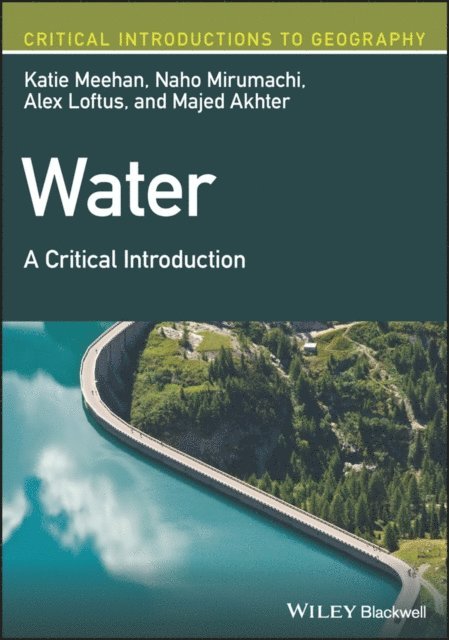
In Water: A Critical Introduction, a team of distinguished researchers delivers an expert examination of our most pressing water-related challenges, arguing that flows of water are shaped by social practices and geometries of power. Combining first-hand research and headline case studies, the authors reveal the hydrosocial relations often hidden in mainstream accounts of water, delving into current issues like water scarcity, floods, global water governance, legal conflicts, human rights, potable water provision, health, the water-food-energy nexus, and much more.
Spanning five centuries, this comprehensive volume reflects on how imperial expansion has shaped hydrosocial relations in and between Europe, Asia, Africa, and the Americas, how water demand has changed over time, and how this change impacted lifestyle.
As the first major text to synthesize critical water research in both local and global perspectives, this book is anchored by clear and compelling arguments — the "four planks" — and supported by the authors'' original research and up-to-date synthesis of the latest critical research on major water problems. It also includes maps, illustrations, and additional learning materials to be used by educators. Readers will find:
A lively and thorough introduction that explains why a critical approach is necessary to fully understand our current water challenges, with a focus on the "skeptical superhero" A global approach to key debates in water issues, including large dams, privatization, transboundary conflicts, agriculture and irrigation, water and sanitation provision, human rights, governance dilemmas, and the Sustainable Development Goals Comprehensive explorations of the roles played by expert knowledge, global capital, climate change, and justice struggles in the hydrosocial cycle Critical theoretical perspectives that integrate environmental social sciences, feminist critique, and a broadly defined political economy with the specificities of water resources Fulsome treatments of water governance, science, and management, including the origins and implications of neoliberal approaches to the privatization, commodification, and financialization of water An accessible text that "invites the reader" on a critical journeyWater: A Critical Introduction is a key text for advanced high school, undergraduate, and graduate students who want a keener understanding of trends in environmental management, political ecology, and water governance, science, and engineering. Written with an interdisciplinary audience in mind, this book will benefit students taking courses in environmental studies, environmental law, geopolitics, international studies, human geography, hydrology, engineering, environmental economics, and related disciplines.
442 kr
Läs direkt efter köp
Discover the hydrosocial cycle and the impact of power, knowledge, and scarcity on water rights and use through this engaging and student-friendly textbook
In Water: A Critical Introduction, a team of distinguished researchers delivers an expert examination of our most pressing water-related challenges, arguing that flows of water are shaped by social practices and geometries of power. Combining first-hand research and headline case studies, the authors reveal the hydrosocial relations often hidden in mainstream accounts of water, delving into current issues like water scarcity, floods, global water governance, legal conflicts, human rights, potable water provision, health, the water-food-energy nexus, and much more.
Spanning five centuries, this comprehensive volume reflects on how imperial expansion has shaped hydrosocial relations in and between Europe, Asia, Africa, and the Americas, how water demand has changed over time, and how this change impacted lifestyle.
As the first major text to synthesize critical water research in both local and global perspectives, this book is anchored by clear and compelling arguments — the "four planks" — and supported by the authors'' original research and up-to-date synthesis of the latest critical research on major water problems. It also includes maps, illustrations, and additional learning materials to be used by educators. Readers will find:
A lively and thorough introduction that explains why a critical approach is necessary to fully understand our current water challenges, with a focus on the "skeptical superhero" A global approach to key debates in water issues, including large dams, privatization, transboundary conflicts, agriculture and irrigation, water and sanitation provision, human rights, governance dilemmas, and the Sustainable Development Goals Comprehensive explorations of the roles played by expert knowledge, global capital, climate change, and justice struggles in the hydrosocial cycle Critical theoretical perspectives that integrate environmental social sciences, feminist critique, and a broadly defined political economy with the specificities of water resources Fulsome treatments of water governance, science, and management, including the origins and implications of neoliberal approaches to the privatization, commodification, and financialization of water An accessible text that "invites the reader" on a critical journeyWater: A Critical Introduction is a key text for advanced high school, undergraduate, and graduate students who want a keener understanding of trends in environmental management, political ecology, and water governance, science, and engineering. Written with an interdisciplinary audience in mind, this book will benefit students taking courses in environmental studies, environmental law, geopolitics, international studies, human geography, hydrology, engineering, environmental economics, and related disciplines.
381 kr
Skickas
848 kr
Läs direkt efter köp
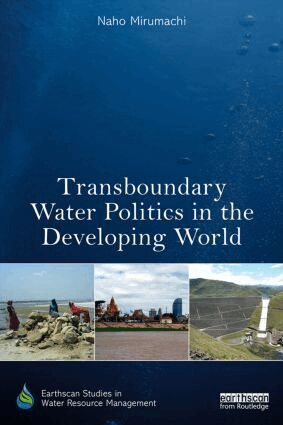
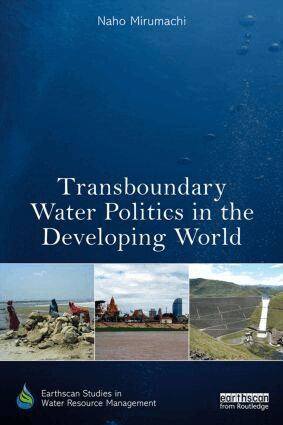
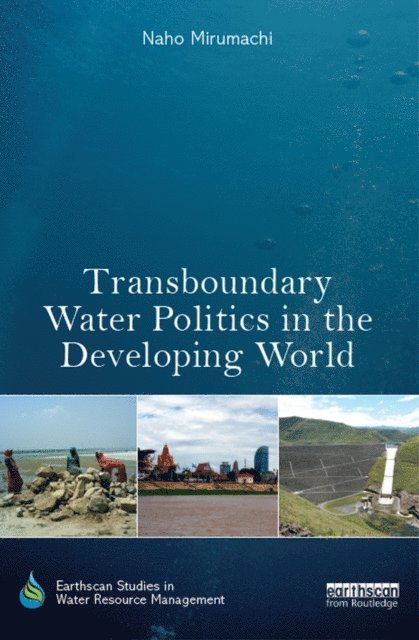
This book examines the political economy that governs the management of international transboundary river basins in the developing world. These shared rivers are the setting for irrigation, hydropower and flood management projects as well as water transfer schemes. Often, these projects attempt to engineer the river basin with deep political, socio-economic and environmental implications. The politics of transboundary river basin management sheds light on the challenges concerning sustainable development, water allocation and utilization between sovereign states.
Advancing conceptual thinking beyond simplistic analyses of river basins in conflict or cooperation, the author proposes a new analytical framework. The Transboundary Waters Interaction NexuS (TWINS) examines the coexistence of conflict and cooperation in riparian interaction. This framework highlights the importance of power relations between basin states that determine negotiation processes and institutions of water resources management. The analysis illustrates the way river basin management is framed by powerful elite decision-makers, combined with geopolitical factors and geographical imaginations. In addition, the book explains how national development strategies and water resources demands have a significant role in shaping the intensities of conflict and cooperation at the international level.
The book draws on detailed case studies from the Ganges River basin in South Asia, the Orange–Senqu River basin in Southern Africa and the Mekong River basin in Southeast Asia, providing key insights on equity and power asymmetry applicable to other basins in the developing world.
848 kr
Läs direkt efter köp
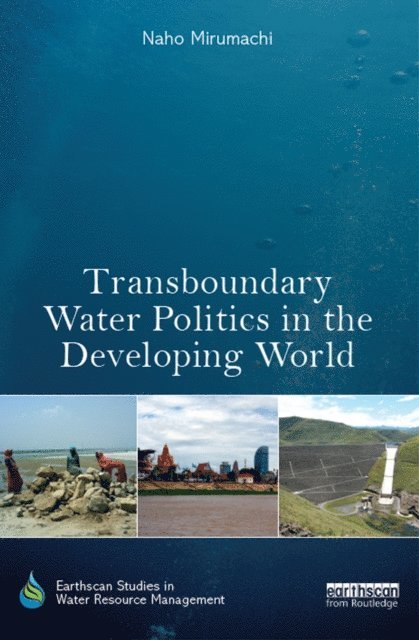
This book examines the political economy that governs the management of international transboundary river basins in the developing world. These shared rivers are the setting for irrigation, hydropower and flood management projects as well as water transfer schemes. Often, these projects attempt to engineer the river basin with deep political, socio-economic and environmental implications. The politics of transboundary river basin management sheds light on the challenges concerning sustainable development, water allocation and utilization between sovereign states.
Advancing conceptual thinking beyond simplistic analyses of river basins in conflict or cooperation, the author proposes a new analytical framework. The Transboundary Waters Interaction NexuS (TWINS) examines the coexistence of conflict and cooperation in riparian interaction. This framework highlights the importance of power relations between basin states that determine negotiation processes and institutions of water resources management. The analysis illustrates the way river basin management is framed by powerful elite decision-makers, combined with geopolitical factors and geographical imaginations. In addition, the book explains how national development strategies and water resources demands have a significant role in shaping the intensities of conflict and cooperation at the international level.
The book draws on detailed case studies from the Ganges River basin in South Asia, the Orange–Senqu River basin in Southern Africa and the Mekong River basin in Southeast Asia, providing key insights on equity and power asymmetry applicable to other basins in the developing world.