Nalan Gokoglu – författare
1 933 kr
Skickas inom 3-6 vardagar
1 632 kr
Läs direkt efter köp
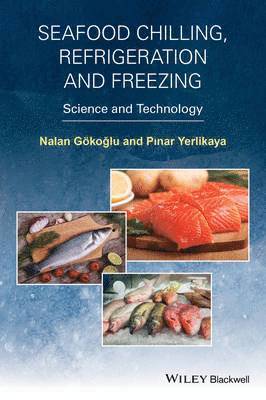
Fish and seafood are highly perishable, and must be preserved immediately after being caught or harvested. It is very important both to preserving its quality and to ensure that it does not pose any risks to human health upon consumption. Chilling, refrigeration and freezing are the major preservation methods used with seafood and fish products, all three processes aiming to preserve the freshness and flavour of the fish. Consumer demand for fish remains high despite escalating prices in the last ten years which have seen the retail cost of the most popular breeds (cod, haddock, salmon) more than double for unfrozen fish. Many consumers appear to be willing to pay a premium for freshness and quality, both of which are closely linked in shoppers’ minds with the efficient chilling and refrigeration of the fish along the supply chain. At the same time, frozen fish and seafood has also grown more popular with shoppers, as a cheaper, more convenient alternative to refrigerated fresh fish and seafood.
Seafood Chilling, Refrigeration and Freezing presents the science behind the chilling, refrigerating and freezing of fish and seafood, describing the chemical, microbiological and physical changes which take place during preservation, and considering the new technologies which can be used, highlighting their benefits and their economic implications. The book takes account of the different requirements for different breeds of fish and seafood, and includes both traditional and novel technologies, providing both current and future perspectives. It will be required reading for food scientists, fish processors and retailers as well as fish specialists, researchers and process designers.
1 618 kr
Läs direkt efter köp
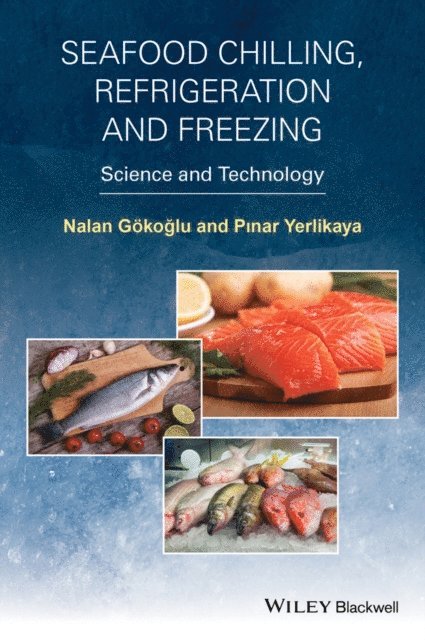
Fish and seafood are highly perishable, and must be preserved immediately after being caught or harvested. It is very important both to preserving its quality and to ensure that it does not pose any risks to human health upon consumption. Chilling, refrigeration and freezing are the major preservation methods used with seafood and fish products, all three processes aiming to preserve the freshness and flavour of the fish. Consumer demand for fish remains high despite escalating prices in the last ten years which have seen the retail cost of the most popular breeds (cod, haddock, salmon) more than double for unfrozen fish. Many consumers appear to be willing to pay a premium for freshness and quality, both of which are closely linked in shoppers’ minds with the efficient chilling and refrigeration of the fish along the supply chain. At the same time, frozen fish and seafood has also grown more popular with shoppers, as a cheaper, more convenient alternative to refrigerated fresh fish and seafood.
Seafood Chilling, Refrigeration and Freezing presents the science behind the chilling, refrigerating and freezing of fish and seafood, describing the chemical, microbiological and physical changes which take place during preservation, and considering the new technologies which can be used, highlighting their benefits and their economic implications. The book takes account of the different requirements for different breeds of fish and seafood, and includes both traditional and novel technologies, providing both current and future perspectives. It will be required reading for food scientists, fish processors and retailers as well as fish specialists, researchers and process designers.
1 977 kr
Läs direkt efter köp
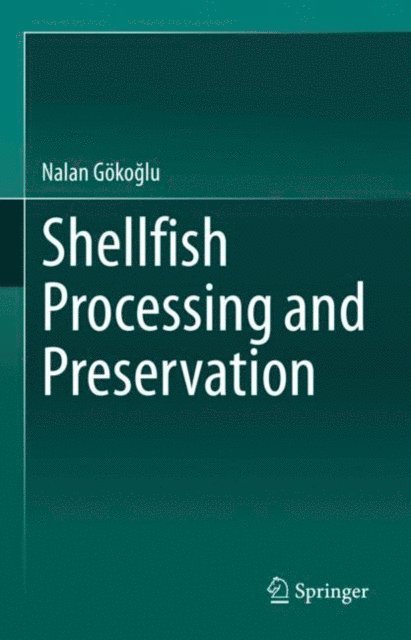
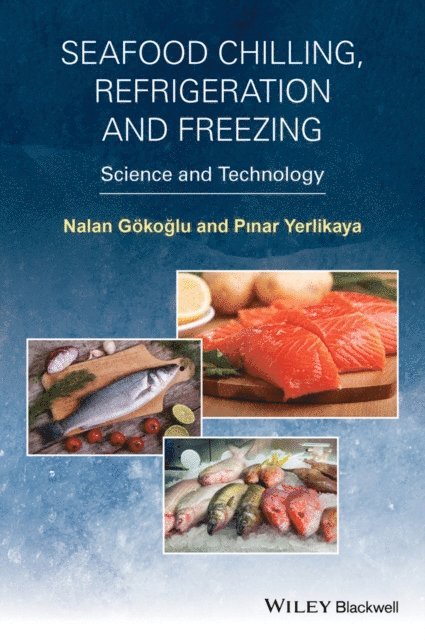
To date there have been a number of books on seafood processing and preservation, but all of them have been mostly focused on fish. Shellfish Processing and Preservation is the first reference work to focus specifically on shellfish, providingcomprehensive coverage of the production methods, biological makeups and preservation methods of all major shellfish species. Individual sections focus on crustaceans such as shrimps and prawns, crabs and lobsters plus molluscans including mussels, scallops and oysters. Cephalopods such as squid and octopus are also covered in depth. For each species processing and preservation methods such as chilling, freezing, canning and curing are examined, plus the important safety aspects specific to each shellfish type.
Shellfish Processing and Preservation is an essential publication for any researchers or industry professionals in search of a singular and up-to-date source for the processing and preservation of shellfish.