Nelida Fuccaro - Böcker
Visar alla böcker från författaren Nelida Fuccaro. Handla med fri frakt och snabb leverans.
10 produkter
10 produkter
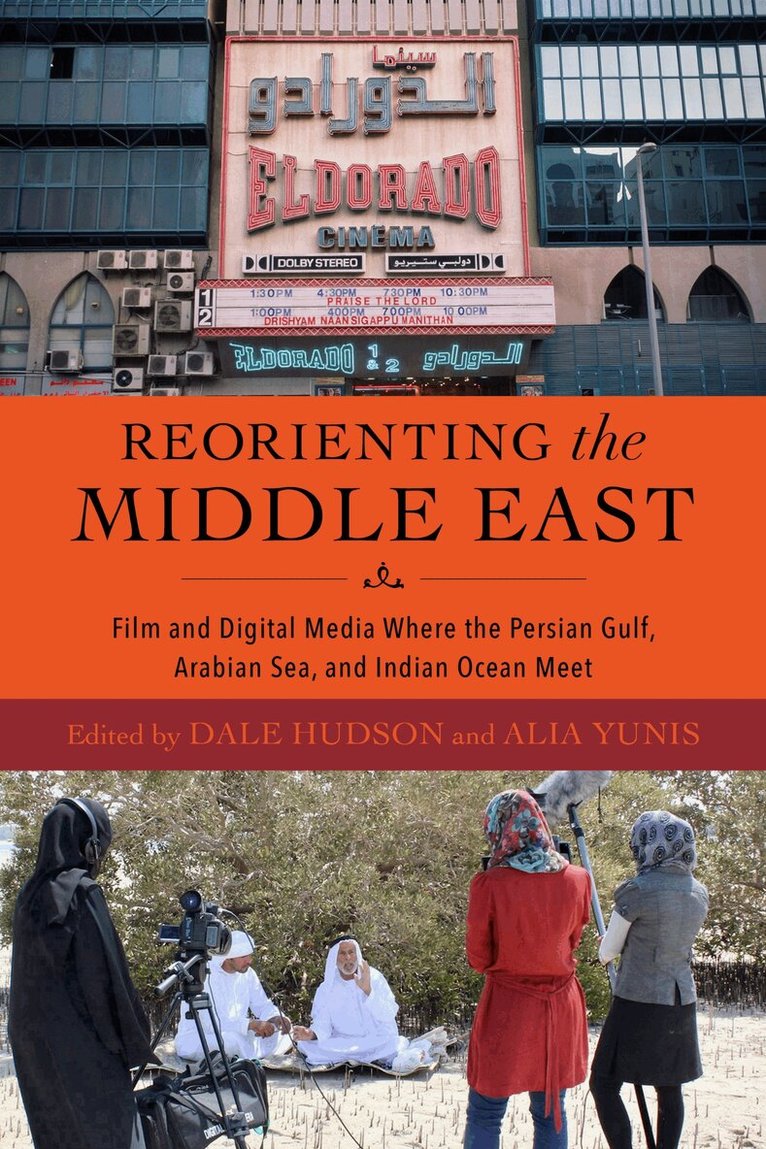
Reorienting the Middle East
Film and Digital Media Where the Persian Gulf, Arabian Sea, and Indian Ocean Meet
Inbunden, Engelska, 2024
982 kr
Skickas inom 7-10 vardagar
Stories of desert landscapes, cutting-edge production facilities, and lavish festivals often dominate narratives about film and digital media on the Arabian Peninsula. However, there is a more complicated history that reflects long-standing interconnections between the Persian Gulf, Arabian Sea, and Indian Ocean. Just as these waters are fluid spaces, so too is the flow of film and digital media between cultures in East Africa, Europe, North Africa, South Asia, Southwest Asia, and Southeast Asia.Reorienting the Middle East examines past and contemporary aspects of film and digital media in the Gulf that might not otherwise be apparent in dominant frameworks. Contributors consider oil companies that brought film exhibition to this area in the 1930s, the first Indian film produced on the Arabian Peninsula in the late 1970s, blackness in Iranian films, the role of Western funding in reshaping stories, Dubai's emergence in global film production, uses of online platforms for performance art, the development of film festivals and cinemas, and short films made by citizens and migrants that turn a lens on racism, sexism, national identity, and other rarely discussed social issues.Reorienting the Middle East offers new methods to analyze the often-neglected littoral spaces between nation-states and regions and to understand the role of film and digital media in shaping dialogue between area studies and film and media studies. Readers will find new pathways to rethink the limitations of dominant categories and frameworks in both fields.
Reorienting the Middle East
Film and Digital Media Where the Persian Gulf, Arabian Sea, and Indian Ocean Meet
Häftad, Engelska, 2024
481 kr
Skickas inom 7-10 vardagar
Stories of desert landscapes, cutting-edge production facilities, and lavish festivals often dominate narratives about film and digital media on the Arabian Peninsula. However, there is a more complicated history that reflects long-standing interconnections between the Persian Gulf, Arabian Sea, and Indian Ocean. Just as these waters are fluid spaces, so too is the flow of film and digital media between cultures in East Africa, Europe, North Africa, South Asia, Southwest Asia, and Southeast Asia.Reorienting the Middle East examines past and contemporary aspects of film and digital media in the Gulf that might not otherwise be apparent in dominant frameworks. Contributors consider oil companies that brought film exhibition to this area in the 1930s, the first Indian film produced on the Arabian Peninsula in the late 1970s, blackness in Iranian films, the role of Western funding in reshaping stories, Dubai's emergence in global film production, uses of online platforms for performance art, the development of film festivals and cinemas, and short films made by citizens and migrants that turn a lens on racism, sexism, national identity, and other rarely discussed social issues.Reorienting the Middle East offers new methods to analyze the often-neglected littoral spaces between nation-states and regions and to understand the role of film and digital media in shaping dialogue between area studies and film and media studies. Readers will find new pathways to rethink the limitations of dominant categories and frameworks in both fields.
Del 30 - Cambridge Middle East Studies
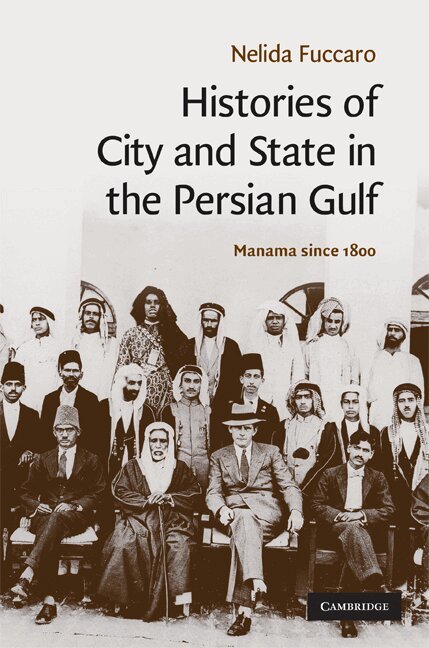
Histories of City and State in the Persian Gulf
Manama since 1800
Inbunden, Engelska, 2009
1 228 kr
Skickas inom 7-10 vardagar
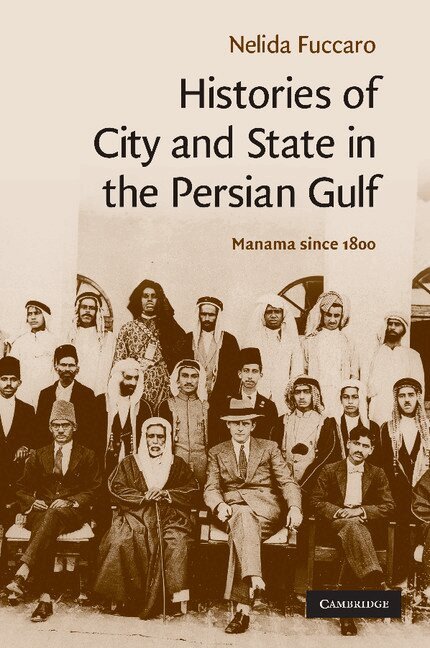
In this path-breaking and multi-layered account of one of the least explored societies in the Middle East, Nelida Fuccaro examines the political and social life of the Gulf city and its coastline, as exemplified by Manama in Bahrain. Written as an ethnography of space, politics and community, it addresses the changing relationship between urban development, politics and society before and after the discovery of oil. By using a variety of local sources and oral histories, Fuccaro questions the role played by the British Empire and oil in state-making. Instead, she draws attention to urban residents, elites and institutions as active participants in state and nation building. She also examines how the city has continued to provide a source of political, social and sectarian identity since the early nineteenth century, challenging the view that the advent of oil and modernity represented a radical break in the urban past of the region.
1 415 kr
Skickas inom 7-10 vardagar
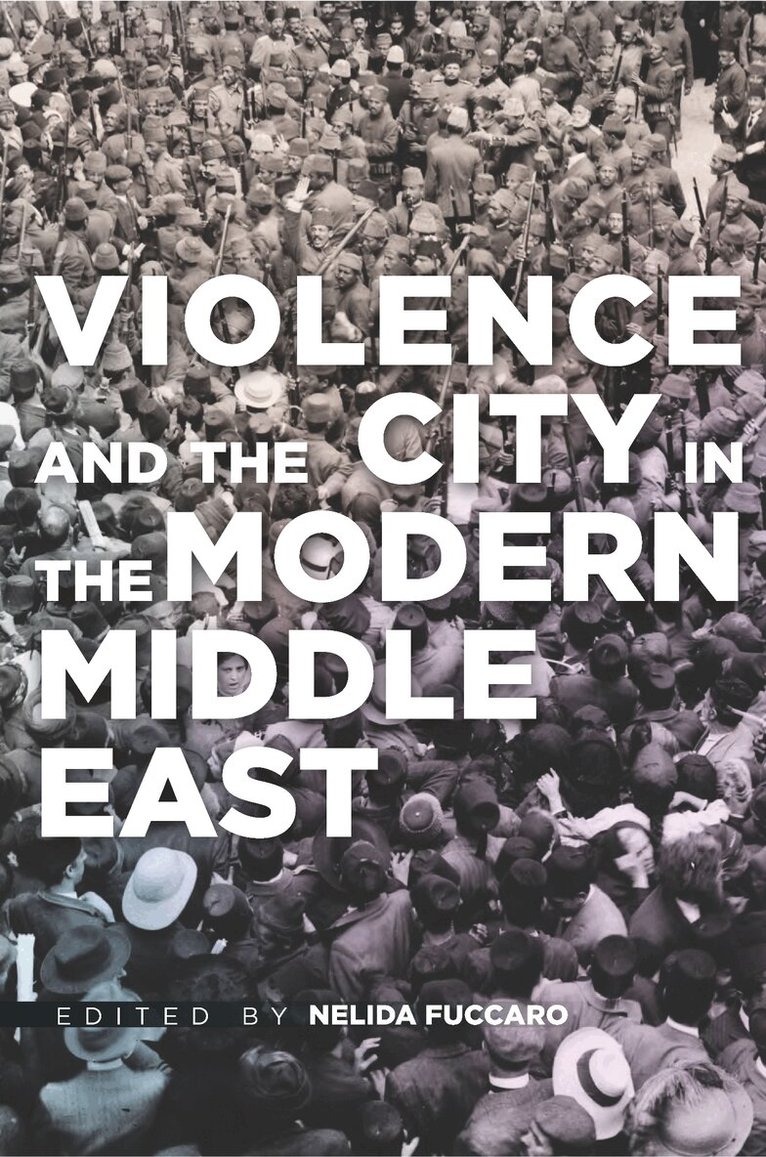
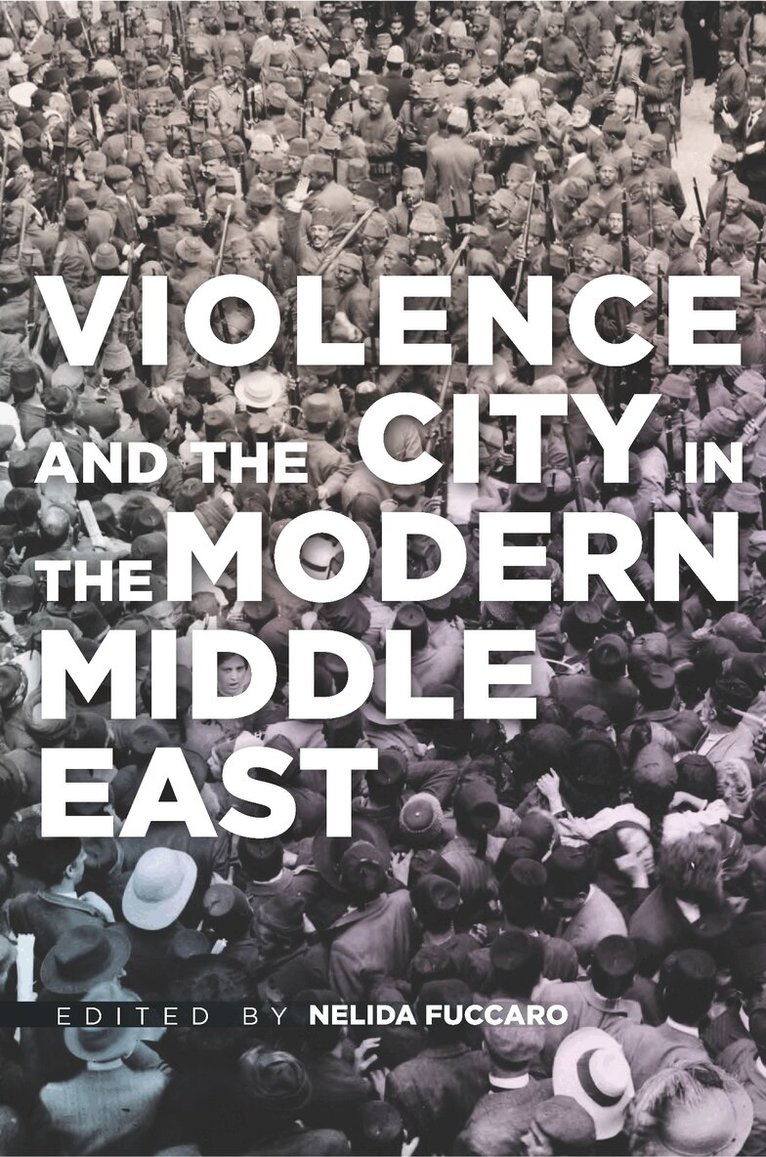
This book explores violence in the public lives of modern Middle Eastern cities, approaching violence as an individual and collective experience, a historical event, and an urban process. Violence and the city coexist in a complicated dialogue, and critical consideration of the city offers an important way to understand the transformative powers of violence—its ability to redraw the boundaries of urban life, to create and divide communities, and to affect the ruling strategies of local elites, governments, and transnational political players.The essays included in this volume reflect the diversity of Middle Eastern urbanism from the eighteenth to the late twentieth centuries, from the capitals of Cairo, Tunis, and Baghdad to the provincial towns of Jeddah, Nablus, and Basra and the oil settlements of Dhahran and Abadan. In reconstructing the violent pasts of cities, new vistas on modern Middle Eastern history are opened, offering alternative and complementary perspectives to the making and unmaking of empires, nations, and states. Given the crucial importance of urban centers in shaping the Middle East in the modern era, and the ongoing potential of public histories to foster dialogue and reconciliation, this volume is both critical and timely.
332 kr
Skickas inom 7-10 vardagar
This book explores violence in the public lives of modern Middle Eastern cities, approaching violence as an individual and collective experience, a historical event, and an urban process. Violence and the city coexist in a complicated dialogue, and critical consideration of the city offers an important way to understand the transformative powers of violence—its ability to redraw the boundaries of urban life, to create and divide communities, and to affect the ruling strategies of local elites, governments, and transnational political players.The essays included in this volume reflect the diversity of Middle Eastern urbanism from the eighteenth to the late twentieth centuries, from the capitals of Cairo, Tunis, and Baghdad to the provincial towns of Jeddah, Nablus, and Basra and the oil settlements of Dhahran and Abadan. In reconstructing the violent pasts of cities, new vistas on modern Middle Eastern history are opened, offering alternative and complementary perspectives to the making and unmaking of empires, nations, and states. Given the crucial importance of urban centers in shaping the Middle East in the modern era, and the ongoing potential of public histories to foster dialogue and reconciliation, this volume is both critical and timely.
Del 30 - Cambridge Middle East Studies
Histories of City and State in the Persian Gulf
Manama since 1800
Häftad, Engelska, 2012
441 kr
Skickas inom 7-10 vardagar
In this path-breaking and multi-layered account of one of the least explored societies in the Middle East, Nelida Fuccaro examines the political and social life of the Gulf city and its coastline, as exemplified by Manama in Bahrain. Written as an ethnography of space, politics and community, it addresses the changing relationship between urban development, politics and society before and after the discovery of oil. By using a variety of local sources and oral histories, Fuccaro questions the role played by the British Empire and oil in state-making. Instead, she draws attention to urban residents, elites and institutions as active participants in state and nation building. She also examines how the city has continued to provide a source of political, social and sectarian identity since the early nineteenth century, challenging the view that the advent of oil and modernity represented a radical break in the urban past of the region.
1 111 kr
Skickas
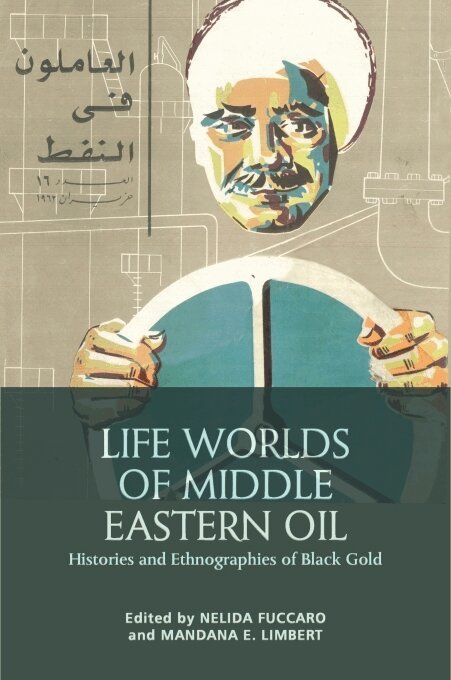
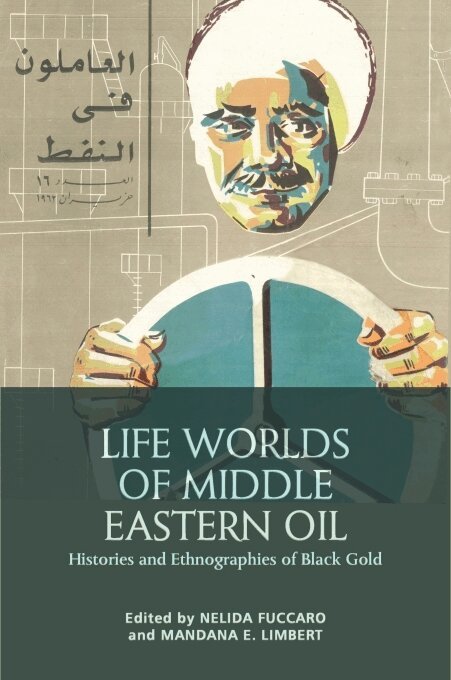
Studies how oil has shaped the societies and cultures of the modern and contemporary Middle EastProposes a new research agenda for the study of oil's varied lives in the modern and contemporary Middle EastIncludes 13 case studies, including 2 photo essays by leading artists and designersTakes a thematic approach to promote interdisciplinary thinkingPresents contributions from leading historians and anthropologists, world-renown artists, curators and designers, and younger scholars who are developing an outstanding research portfolio on oilThis volume explores the ways petroleum as an industry and substance has moulded the social, cultural and artistic life of the Middle East. Rather than tackle the powers of this crucial resource from the perspective of macro-economics, impersonal rentier states and large corporations, this book 'brings oil back' into the ebbs and flows of Middle Eastern life. It focuses on the ways petroleum mediates and is mediated by national formations and imaginaries, visual practices, as well as scientific, business and artistic production. In focusing on the largest oil producing and exporting region in the world, this volume sheds light on the effects and affects of petroleum's presence within and beyond the oil-industry.Part 1 Exposing Oil sets out the main themes through which oil is analysed in the volume (visibility, experience, representation and mediation). Part 2 Oil Images deals with image making by the oil industry (as graphs, aerial photographs and promotional media) and by artists and designers who have engaged with, and commented on, oil's presence in the region. Part 3 Oil Subjects focuses on the production of (oil) subjecthood and the formation of oil knowledge.
334 kr
Skickas inom 7-10 vardagar
This volume explores the ways petroleum as an industry and substance has moulded the social, cultural and artistic life of the Middle East. Rather than tackle the powers of this crucial resource from the perspective of macro-economics, impersonal rentier states and large corporations, this book ‘brings oil back’ into the ebbs and flows of Middle Eastern life. It focuses on the ways petroleum mediates and is mediated by national formations and imaginaries, visual practices, as well as scientific, business and artistic production. In focusing on the largest oil producing and exporting region in the world, this volume sheds light on the effects and affects of petroleum’s presence within and beyond the oil-industry.
Urban Violence in the Middle East
Changing Cityscapes in the Transition from Empire to Nation State
Inbunden, Engelska, 2015
1 956 kr
Skickas inom 3-6 vardagar
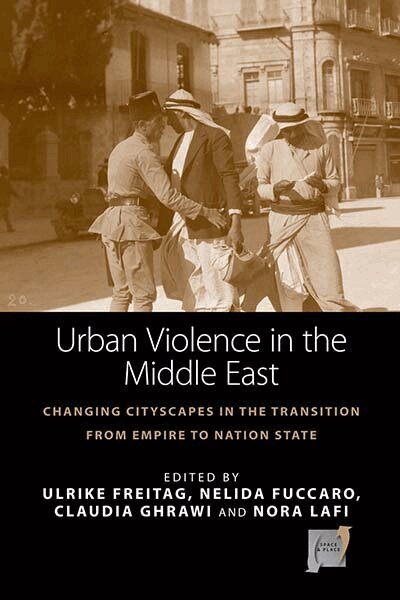
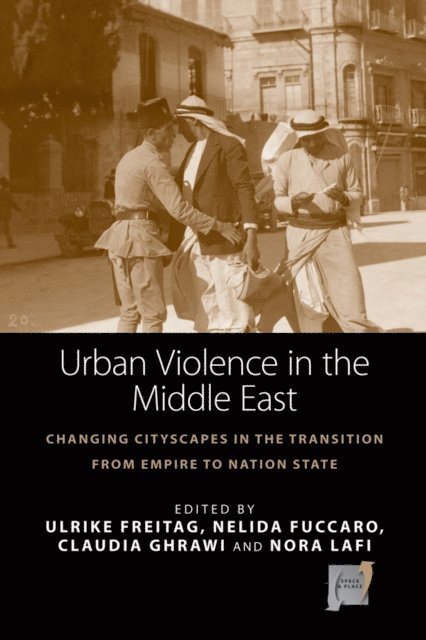
Covering a period from the late eighteenth century to today, this volume explores the phenomenon of urban violence in order to unveil general developments and historical specificities in a variety of Middle Eastern contexts. By situating incidents in particular processes and conflicts, the case studies seek to counter notions of a violent Middle East in order to foster a new understanding of violence beyond that of a meaningless and destructive social and political act. Contributions explore processes sparked by the transition from empires — Ottoman and Qajar, but also European — to the formation of nation states, and the resulting changes in cityscapes throughout the region.
Urban Violence in the Middle East
Changing Cityscapes in the Transition from Empire to Nation State
Häftad, Engelska, 2020
566 kr
Skickas inom 3-6 vardagar
Covering a period from the late eighteenth century to today, this volume explores the phenomenon of urban violence in order to unveil general developments and historical specificities in a variety of Middle Eastern contexts. By situating incidents in particular processes and conflicts, the case studies seek to counter notions of a violent Middle East in order to foster a new understanding of violence beyond that of a meaningless and destructive social and political act. Contributions explore processes sparked by the transition from empires — Ottoman and Qajar, but also European — to the formation of nation states, and the resulting changes in cityscapes throughout the region.