Nigel C. Gibson – författare
Visar alla böcker från författaren Nigel C. Gibson. Handla med fri frakt och snabb leverans.
21 produkter
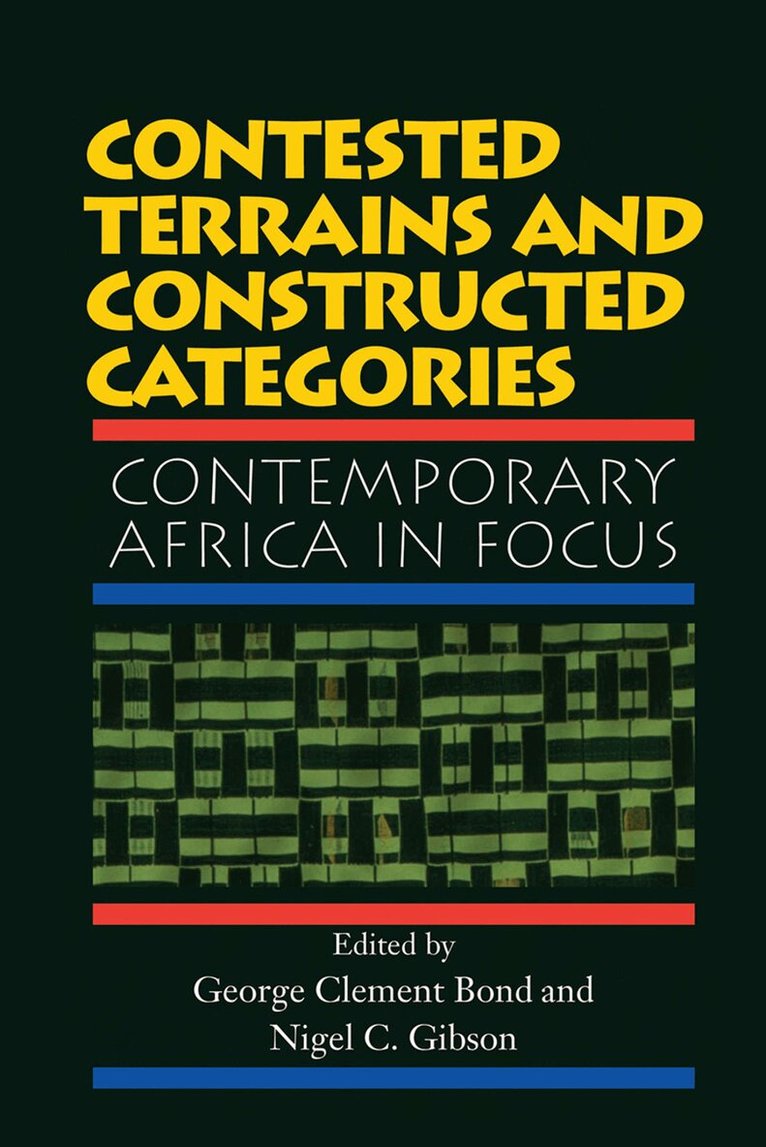
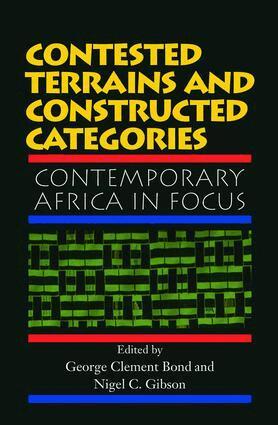
Contested Terrains And Constructed Categories
Contemporary Africa In Focus
Av George Clement Bond, Nigel C. Gibson
Inbunden, 2019
1901 kr
Lägg i varukorg
Contested Terrains and Constructed Categories brings together intellectuals from a variety of fields, backgrounds, generations, and continents to deepen and reinvigorate the theoretical and intellectual integrity of African studies. Building on recent debate within African studies that has revolved …
Contested Terrains And Constructed Categories
Contemporary Africa In Focus
Av Nigel C. Gibson, George Clement Bond
E-bok, 2018
1178 kr
Lägg i varukorg
Contested Terrains and Constructed Categories brings together intellectuals from a variety of fields, backgrounds, generations, and continents to deepen and reinvigo-rate the theoretical and intellectual integrity of African studies. Building on recent debate within African studies that has …
Contested Terrains And Constructed Categories
Contemporary Africa In Focus
Av Nigel C. Gibson, George Clement Bond
E-bok, 2018
1178 kr
Lägg i varukorg
Contested Terrains and Constructed Categories brings together intellectuals from a variety of fields, backgrounds, generations, and continents to deepen and reinvigo-rate the theoretical and intellectual integrity of African studies. Building on recent debate within African studies that has …
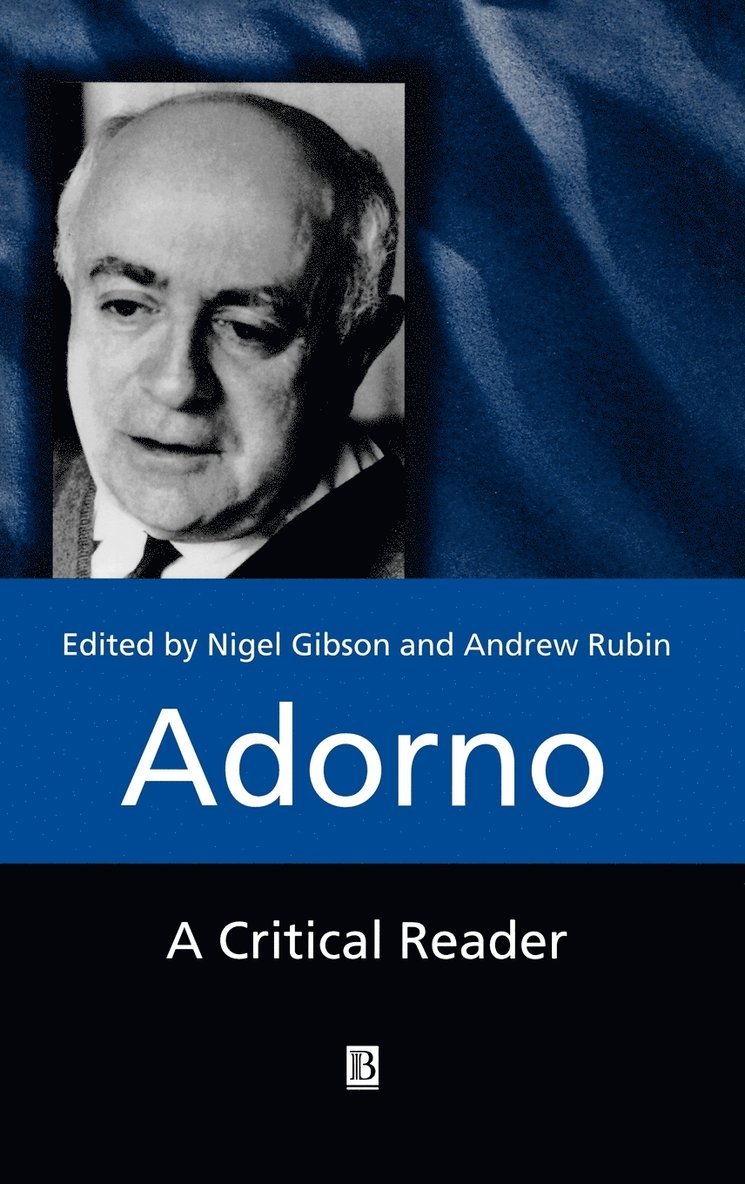
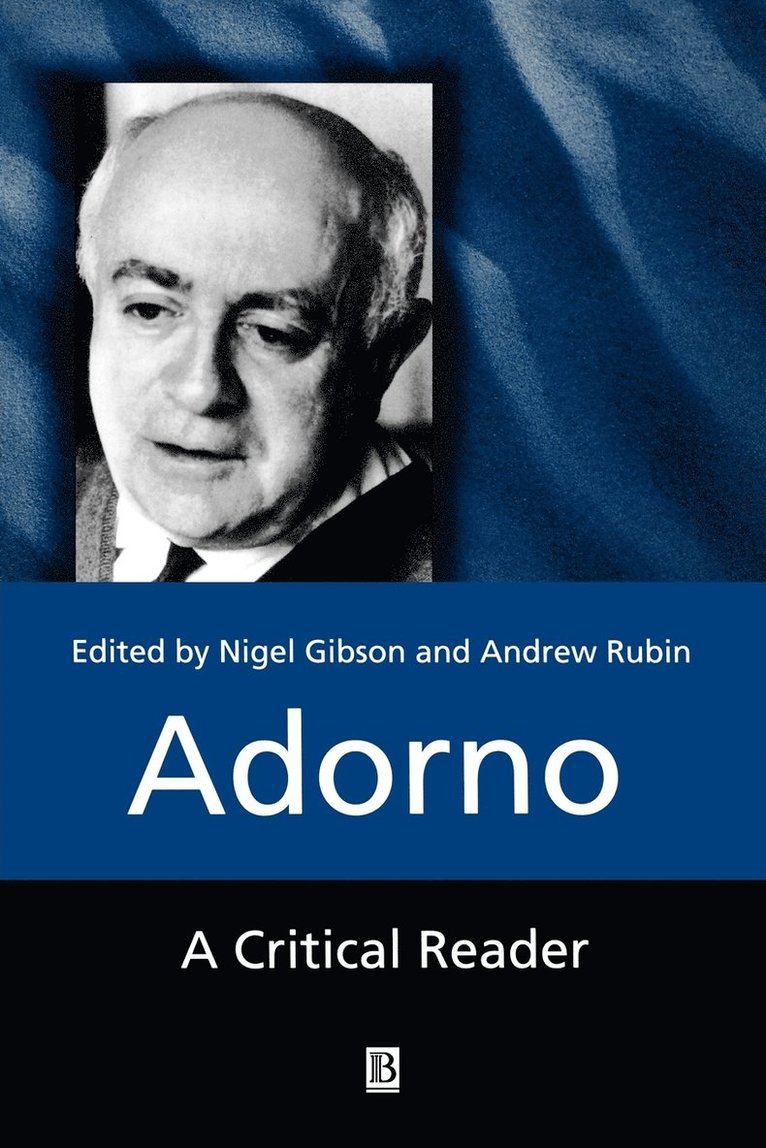
Adorno
A Critical Reader
Av Gibson, Nigel C. Gibson m. fl.
Inbunden, 2001
1630 kr
Lägg i varukorg
Adorno: A Critical Reader presents a collection of new essays by many of the world's top critics that examine Adorno's lasting impact on the arts, politics, history, philosophy, psychoanalysis, and sociology.
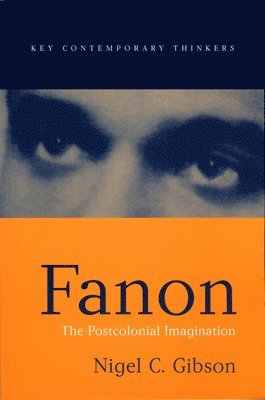
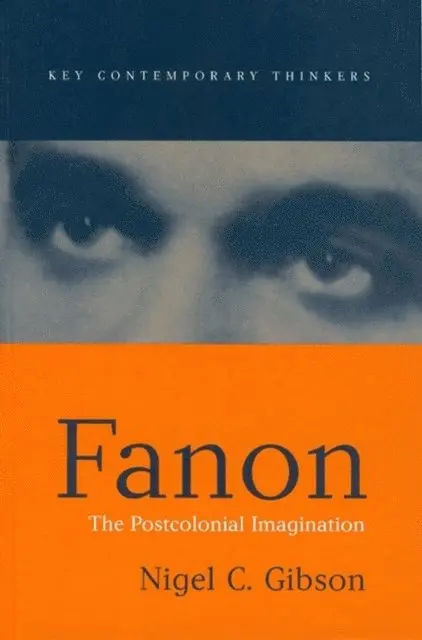
Fanon
The Postcolonial Imagination
Inbunden, 2003
858 kr
Lägg i varukorg
Frantz Fanon was a French psychiatrist turned Algerian revolutionary of Martinican origin, and one of the most important and controversial thinkers of the postwar period. A veritable “intellect on fire,” Fanon was a radical thinker with original theories on race, revolution, violence, identity and …
Fanon
The Postcolonial Imagination
Häftad, 2003
344 kr
Lägg i varukorg
Frantz Fanon was a French psychiatrist turned Algerian revolutionary of Martinican origin, and one of the most important and controversial thinkers of the postwar period. A veritable “intellect on fire,” Fanon was a radical thinker with original theories on race, revolution, violence, identity and …
Contested Terrains And Constructed Categories
Contemporary Africa In Focus
Av George Clement Bond, Nigel C. Gibson
Häftad, 2002
997 kr
Lägg i varukorg
Contested Terrains and Constructed Categories brings together intellectuals from a variety of fields, backgrounds, generations, and continents to deepen and reinvigo-rate the theoretical and intellectual integrity of African studies. Building on recent debate within African studies that has …
Fanon
The Postcolonial Imagination
E-bok, 2017
331 kr
Lägg i varukorg
Frantz Fanon was a French psychiatrist turned Algerian revolutionary of Martinican origin, and one of the most important and controversial thinkers of the postwar period. A veritable “intellect on fire,” Fanon was a radical thinker with original theories on race, revolution, violence, identity and …
Frantz Fanon
Combat Breathing
Inbunden, 2024
590 kr
Lägg i varukorg
Revolutionary humanist and radical psychiatrist Frantz Fanon was one of the greatest Black thinkers of the twentieth century. Born in Martinique and known for his involvement in the Algerian liberation movement, his seminal books Black Skin, White Masks and The Wretched of the Earth are widely …
Frantz Fanon
Combat Breathing
Häftad, 2024
182 kr
Lägg i varukorg
Revolutionary humanist and radical psychiatrist Frantz Fanon was one of the greatest Black thinkers of the twentieth century. Born in Martinique and known for his involvement in the Algerian liberation movement, his seminal books Black Skin, White Masks and The Wretched of the Earth are widely …
Frantz Fanon
Combat Breathing
E-bok, 2024
294 kr
Lägg i varukorg
Revolutionary humanist and radical psychiatrist Frantz Fanon was one of the greatest Black thinkers of the twentieth century. Born in Martinique and known for his involvement in the Algerian liberation movement, his seminal books Black Skin, White Masks and The Wretched of the Earth are widely …
Rethinking Fanon
The Continuing Dialogue
Häftad, 2022
375 kr
Lägg i varukorg
Over sixty years after his death, the social philosopher and psychiatrist Frantz Fanon (1925-1961) remains a towering intellectual figure. Born in Martinique and trained as a psychiatrist in France, Fanon rejected his French citizenship to join the Algerian liberation movement in the 1950s. In the …
Rethinking Fanon
The Continuing Dialogue
E-bok, 2022
394 kr
Lägg i varukorg
Over sixty years after his death, the social philosopher and psychiatrist Frantz Fanon (1925-1961) remains a towering intellectual figure. Born in Martinique and trained as a psychiatrist in France, Fanon rejected his French citizenship to join the Algerian liberation movement in the 1950s. In the …
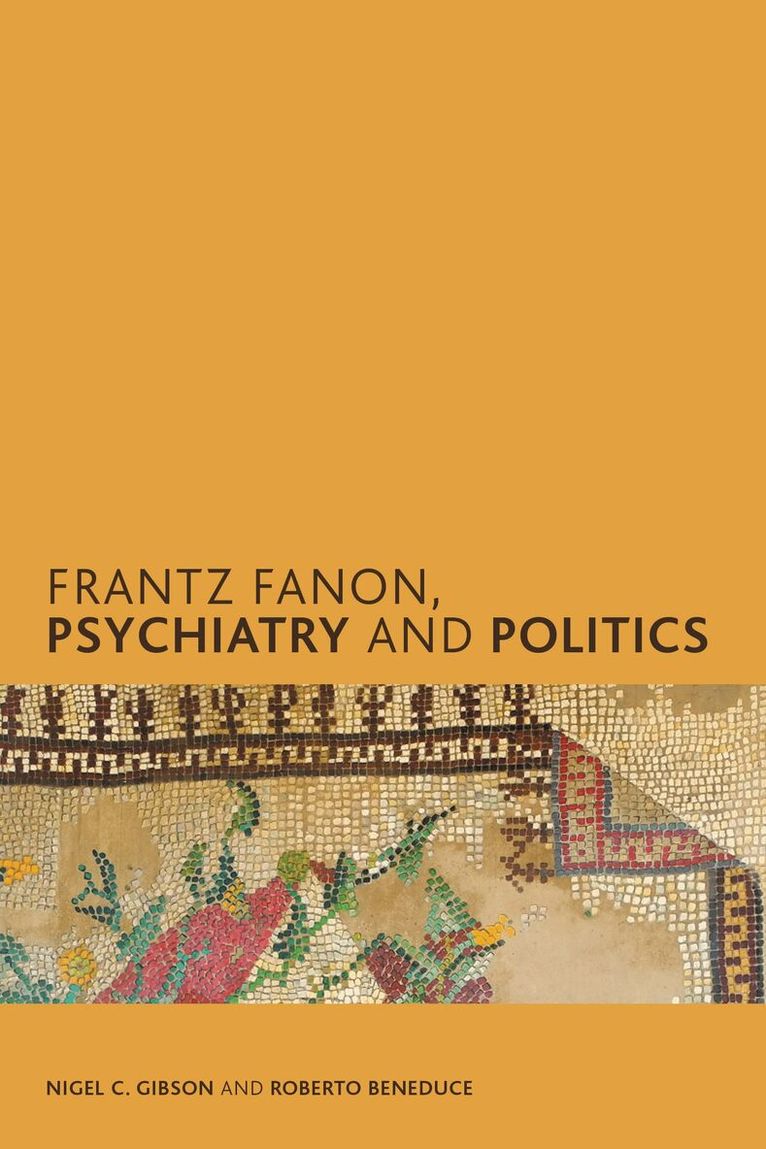
Frantz Fanon, Psychiatry and Politics
Av Nigel C. Gibson, Roberto Beneduce
Inbunden, 2017
1708 kr
Lägg i varukorg
The revolutionary and psychiatrist Frantz Fanon was a foundational figure in postcolonial and decolonial thought and practice, yet his psychiatric work still has only been studied peripherally. That is in part because most of his psychiatric writings have remained untranslated. With a focus on …
Frantz Fanon, Psychiatry and Politics
Av Nigel C. Gibson, Roberto Beneduce
Häftad, 2019
574 kr
Lägg i varukorg
The revolutionary and psychiatrist Frantz Fanon was a foundational figure in postcolonial and decolonial thought and practice, yet his psychiatric work still has only been studied peripherally. That is in part because most of his psychiatric writings have remained untranslated. With a focus on …
Frantz Fanon, Psychiatry and Politics
Av Nigel C. Gibson, Roberto Beneduce
E-bok, 2017
624 kr
Lägg i varukorg
The revolutionary and psychiatrist Frantz Fanon was a foundational figure in postcolonial and decolonial thought and practice, yet his psychiatric work still has only been studied peripherally. That is in part because most of his psychiatric writings have remained untranslated. With a focus on …
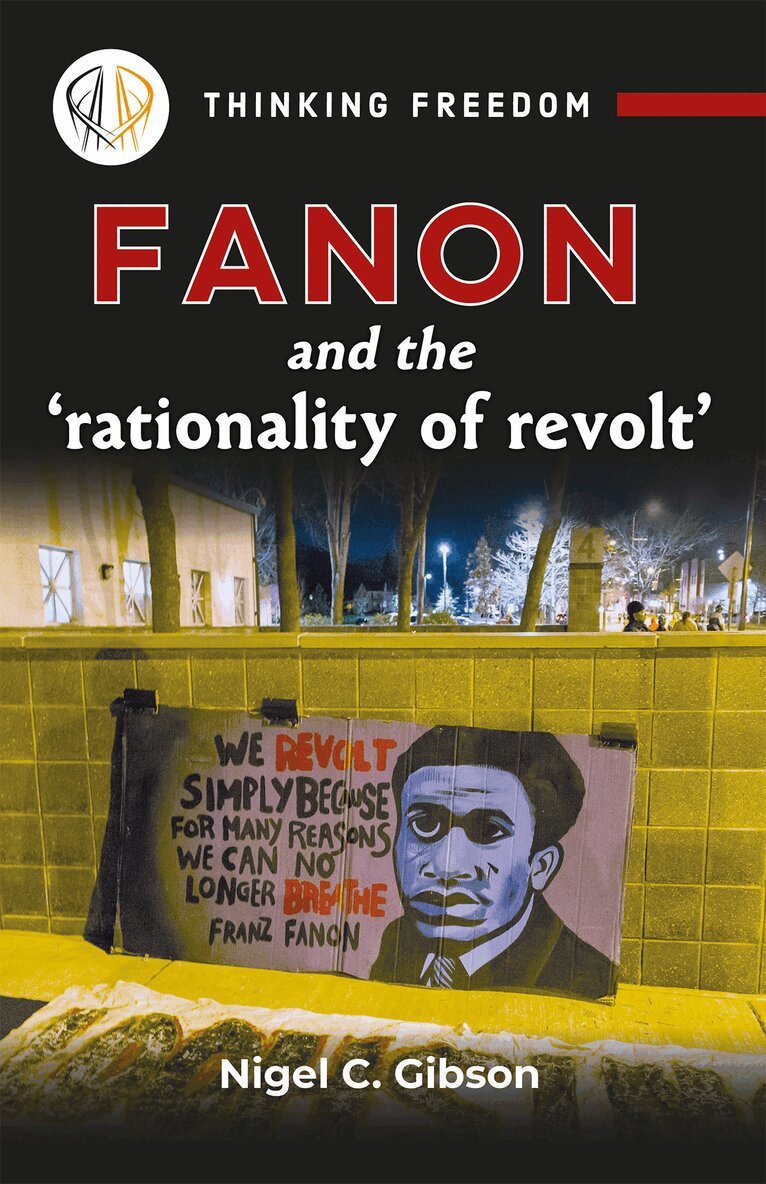
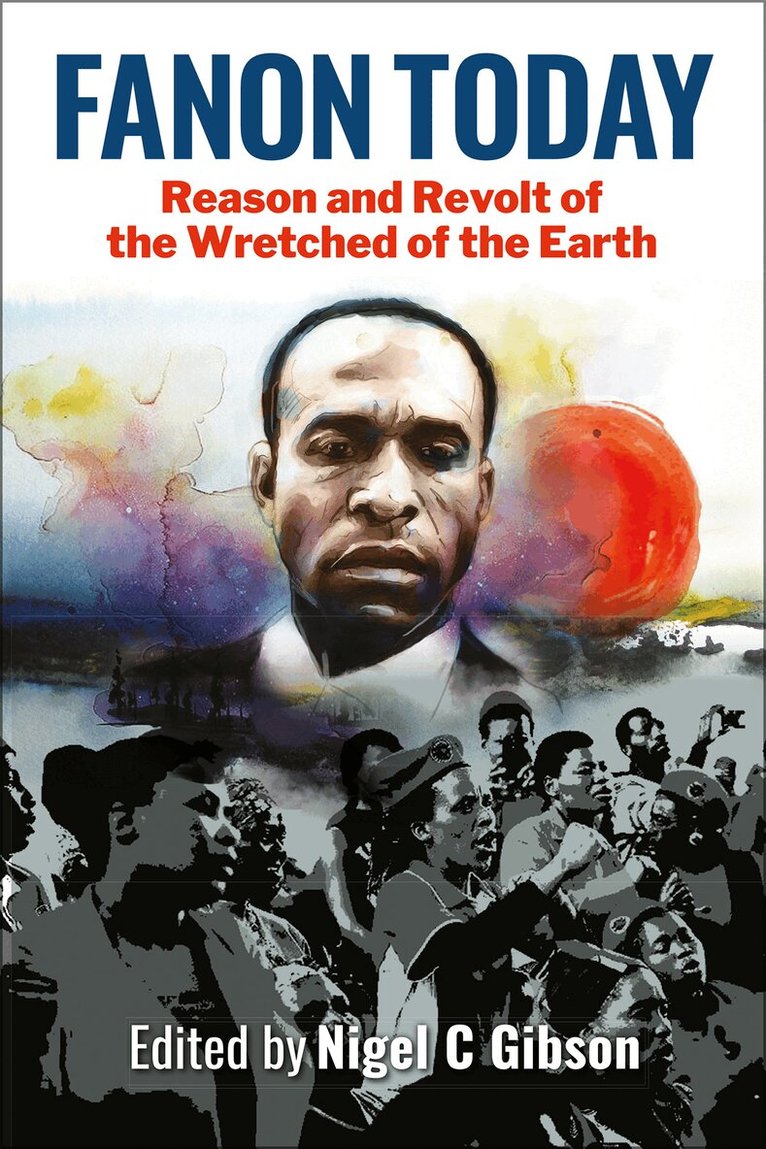
Fanon and the 'rationality of revolt'
E-bok, 2020
49 kr
Lägg i varukorg
We inhabit extraordinary times: times in which we are acutely aware of the intensity of what revolutionary thinker Frantz Fanon called "the glare of history''s floodlights." The velocity and scale at which the revolt against police murder that began in Minnesota after the death of George Floyd on …
Challenging Hegemony
Häftad, 2006
355 kr
Tillfälligt slut
An overview of the mushrooming movements for a new humanism rising in the wake of the Second Liberation of Africa. The central problem for these groups, as articulated by Steven Biko, is that of investigating how the challenge to hegemony can be linked to a quest for a true humanity'. Collected …