Nikos Hatziargyriou – författare
1 267 kr
Läs direkt efter köp
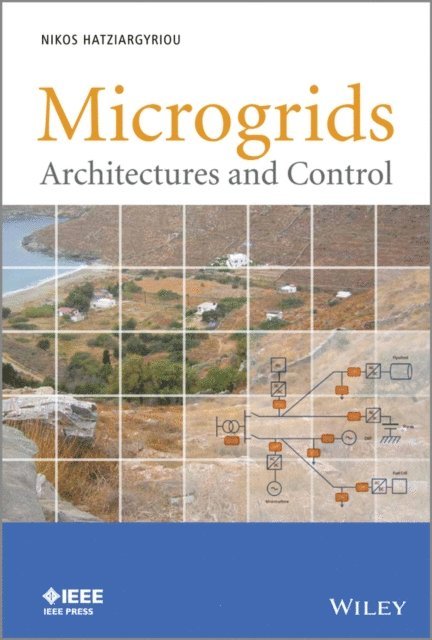
A definitive presentation on all aspects of microgrids, this text examines the operation of microgrids – their control concepts and advanced architectures including multi-microgrids. It takes a logical approach to overview the purpose and the technical aspects of microgrids, discussing the social, economic and environmental benefits to power system operation. The book also presents microgrid design and control issues, including protection and explaining how to implement centralized and decentralized control strategies.
Key features:
original, state-of-the-art research material written by internationally respected contributors unique case studies demonstrating success stories from real-world pilot sites from Europe, the Americas, Japan and China examines market and regulatory settings for microgrids, and provides evaluation results under standard test conditions a look to the future – technical solutions to maximize the value of distributed energy along with the principles and criteria for developing commercial and regulatory frameworks for microgridsOffering broad yet balanced coverage, this volume is an entry point to this very topical area of power delivery for electric power engineers familiar with medium and low voltage distribution systems, utility operators in microgrids, power systems researchers and academics. It is also a useful reference for system planners and operators, manufacturers and network operators, government regulators, and postgraduate power systems students.
CONTRIBUTORS
Thomas Degner Aris Dimeas Alfred Engler Nuno Gil Asier Gil de Muro Guillermo Jiménez-Estévez George Kariniotakis George Korres André Madureira Meiqin Mao Chris Marnay Jose Miguel Yarza Satoshi Morozumi Alexander Oudalov Frank van Overbeeke Rodrigo Palma Behnke Joao Abel Pecas Lopes Fernanda Resende John Romankiewicz Christine Schwaegerl Nikos Soultanis Liang Tao Antonis Tsikalakis
1 267 kr
Läs direkt efter köp
A definitive presentation on all aspects of microgrids, this text examines the operation of microgrids – their control concepts and advanced architectures including multi-microgrids. It takes a logical approach to overview the purpose and the technical aspects of microgrids, discussing the social, economic and environmental benefits to power system operation. The book also presents microgrid design and control issues, including protection and explaining how to implement centralized and decentralized control strategies.
Key features:
original, state-of-the-art research material written by internationally respected contributors unique case studies demonstrating success stories from real-world pilot sites from Europe, the Americas, Japan and China examines market and regulatory settings for microgrids, and provides evaluation results under standard test conditions a look to the future – technical solutions to maximize the value of distributed energy along with the principles and criteria for developing commercial and regulatory frameworks for microgridsOffering broad yet balanced coverage, this volume is an entry point to this very topical area of power delivery for electric power engineers familiar with medium and low voltage distribution systems, utility operators in microgrids, power systems researchers and academics. It is also a useful reference for system planners and operators, manufacturers and network operators, government regulators, and postgraduate power systems students.
CONTRIBUTORS
Thomas Degner Aris Dimeas Alfred Engler Nuno Gil Asier Gil de Muro Guillermo Jiménez-Estévez George Kariniotakis George Korres André Madureira Meiqin Mao Chris Marnay Jose Miguel Yarza Satoshi Morozumi Alexander Oudalov Frank van Overbeeke Rodrigo Palma Behnke Joao Abel Pecas Lopes Fernanda Resende John Romankiewicz Christine Schwaegerl Nikos Soultanis Liang Tao Antonis Tsikalakis
1 096 kr
Skickas inom 5-8 vardagar
1 377 kr
Skickas inom 5-8 vardagar
1 558 kr
Läs direkt efter köp
1 558 kr
Läs direkt efter köp
2 156 kr
Skickas inom 10-15 vardagar
1 825 kr
Läs direkt efter köp
This book offers a vision of the future of electricity supply systems and CIGRE’s views on the know-how that will be needed to manage the transition toward them.
A variety of factors are driving a transition of electricity supply systems to new supply models, in particular the increasing use of renewable sources, environmental factors and developments in ICT technologies. These factors suggest that there are two possible models for power network development, and that those models are not necessarily exclusive:
1. An increasing importance of large networks for bulk transmission capable of interconnecting load regions and large centralized renewable generation resources, including offshore and of providing more interconnections between the various countries and energy markets.
2. An emergence of clusters of small, largely self-contained distribution networks, which include decentralized local generation, energy storage and active customer participation, intelligently managed so that they operate as active networks providing local active and reactive support.
The electricity supply systems of the future will likely include a combination of the above two models, since additional bulk connections and active distribution networks are needed in order to reach ambitious environmental, economic and security-reliability targets. This concise yet comprehensive reference resource on technological developments for future electrical systems has been written and reviewed by experts and the Chairs of the sixteen Study Committees that form the Technical Council of CIGRE.
1 512 kr
Skickas inom 10-15 vardagar
1 619 kr
Skickas inom 10-15 vardagar
1 977 kr
Läs direkt efter köp
1 619 kr
Skickas inom 10-15 vardagar
1 941 kr
Skickas inom 10-15 vardagar
2 435 kr
Läs direkt efter köp
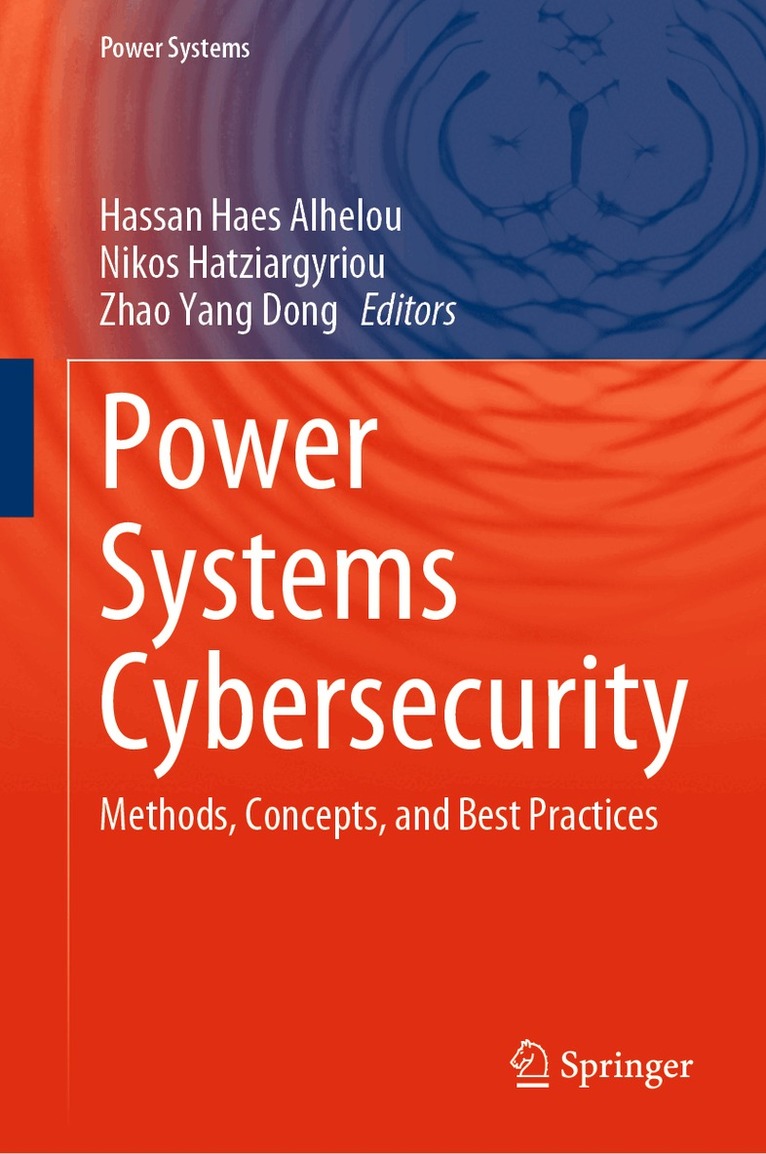
This book covers power systems cybersecurity.
In order to enhance overall stability and security in wide-area cyber-physical power systems and defend against cyberattacks, new resilient operation, control, and protection methods are required. The cyberattack-resilient control methods improve overall cybersecurity and stability in normal and abnormal operating conditions. By contrast, cyberattack-resilient protection schemes are important to keep the secure operation of a system under the most severe contingencies and cyberattacks. The main subjects covered in the book are: 1) proposing new tolerant and cyberattack-resilient control and protection methods against cyberattacks for future power systems, 2) suggesting new methods for cyberattack detection and cybersecurity assessment, and 3) focusing on practical issues in modern power systems.
631 kr
Skickas inom 5-8 vardagar
1 941 kr
Skickas inom 10-15 vardagar
561 kr
Skickas inom 10-15 vardagar
687 kr
Läs direkt efter köp