Noé Aguilar-Rivera – författare
Visar alla böcker från författaren Noé Aguilar-Rivera. Handla med fri frakt och snabb leverans.
11 produkter
11 produkter
Inbunden, Engelska, 2024
1 982 kr
Skickas inom 10-15 vardagar
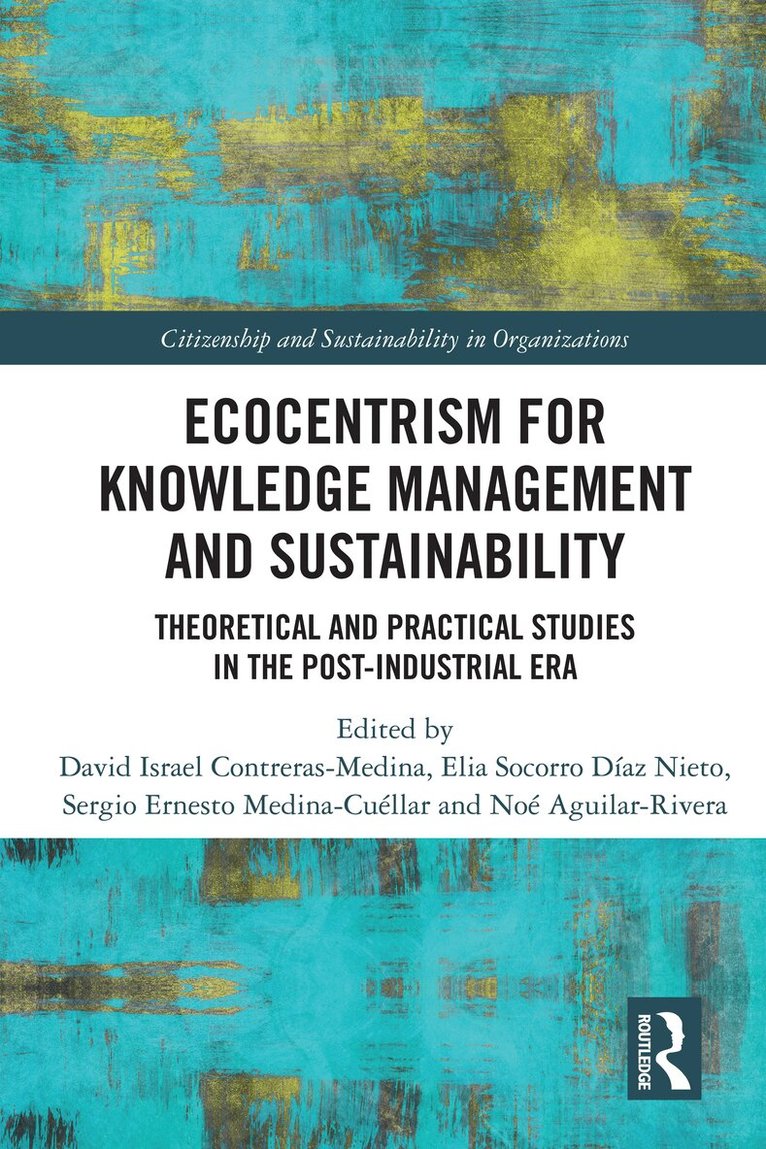
Through theoretical-practical studies, this book explains the foundational concepts of ecocentrism, knowledge management, and sustainability and advances the understanding of how ecocentric paradigms can be leveraged for the process of knowledge management and knowledge creation, showcasing various applications of this practice and illustrating advantages and disadvantages of adopting an eco-centric approach. With a focus on the three themes of sustainability, knowledge management, and ecocentrism, this edited volume presents practical case studies from various organizational contexts, illustrating how sustainability-related practices make use of knowledge management to meet their business objectives from an ecocentric perspective and highlighting the transversal application of this approach to various types of contexts. The book also addresses cases of how post-industrial organizations of the 21st century are using knowledge management in advancing the Sustainable Development Goals with reflections on ecocentrism. There is practical, theoretical, and methodological content, making this valuable to researchers, academics, and advanced students in the fields of knowledge management, sustainability, organizational studies and strategic management.
Häftad, Engelska, 2026
833 kr
Skickas inom 5-8 vardagar
Through theoretical-practical studies, this book explains the foundational concepts of ecocentrism, knowledge management, and sustainability and advances the understanding of how ecocentric paradigms can be leveraged for the process of knowledge management and knowledge creation, showcasing various applications of this practice and illustrating advantages and disadvantages of adopting an eco-centric approach. With a focus on the three themes of sustainability, knowledge management, and ecocentrism, this edited volume presents practical case studies from various organizational contexts, illustrating how sustainability-related practices make use of knowledge management to meet their business objectives from an ecocentric perspective and highlighting the transversal application of this approach to various types of contexts. The book also addresses cases of how post-industrial organizations of the 21st century are using knowledge management in advancing the Sustainable Development Goals with reflections on ecocentrism. There is practical, theoretical, and methodological content, making this valuable to researchers, academics, and advanced students in the fields of knowledge management, sustainability, organizational studies and strategic management.
E-bok
PDF, Engelska, 2024797 kr
Läs direkt efter köp
Through theoretical-practical studies, this book explains the foundational concepts of ecocentrism, knowledge management, and sustainability and advances the understanding of how ecocentric paradigms can be leveraged for the process of knowledge management and knowledge creation, showcasing various applications of this practice and illustrating advantages and disadvantages of adopting an eco-centric approach. With a focus on the three themes of sustainability, knowledge management, and ecocentrism, this edited volume presents practical case studies from various organizational contexts, illustrating how sustainability-related practices make use of knowledge management to meet their business objectives from an ecocentric perspective and highlighting the transversal application of this approach to various types of contexts. The book also addresses cases of how post-industrial organizations of the 21st century are using knowledge management in advancing the Sustainable Development Goals with reflections on ecocentrism. There is practical, theoretical, and methodological content, making this valuable to researchers, academics, and advanced students in the fields of knowledge management, sustainability, organizational studies and strategic management.
E-bok
Engelska, 2024797 kr
Läs direkt efter köp
Through theoretical-practical studies, this book explains the foundational concepts of ecocentrism, knowledge management, and sustainability and advances the understanding of how ecocentric paradigms can be leveraged for the process of knowledge management and knowledge creation, showcasing various applications of this practice and illustrating advantages and disadvantages of adopting an eco-centric approach. With a focus on the three themes of sustainability, knowledge management, and ecocentrism, this edited volume presents practical case studies from various organizational contexts, illustrating how sustainability-related practices make use of knowledge management to meet their business objectives from an ecocentric perspective and highlighting the transversal application of this approach to various types of contexts. The book also addresses cases of how post-industrial organizations of the 21st century are using knowledge management in advancing the Sustainable Development Goals with reflections on ecocentrism. There is practical, theoretical, and methodological content, making this valuable to researchers, academics, and advanced students in the fields of knowledge management, sustainability, organizational studies and strategic management.
Inbunden, Engelska, 2025
2 699 kr
Skickas inom 5-8 vardagar
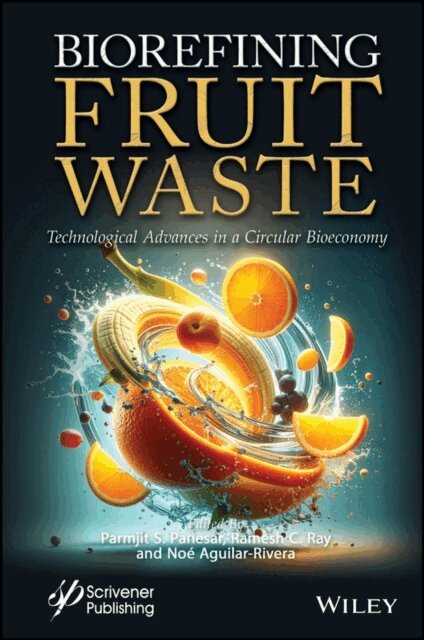
Capitalize on a hidden resource with this essential book, offering a comprehensive guide to fruit waste valorization and cutting-edge techniques for extracting high-value bioactive compounds for the food and pharmaceutical industries. The fruit production and processing sectors produce tremendous amounts of waste that cause significant economic losses and an undesirable impact on the environment. The effective utilization of these fruit wastes can help reduce the world’s carbon footprint and greenhouse gas emissions to achieve sustainable development goals. These by-products contain a variety of bioactive compounds, such as dietary fiber, flavonoids, phenolic compounds, antioxidants, polysaccharides, and several other health-promoting nutrients and phytochemicals. These bioactive compounds can be extracted and used as value-added products in different industrial applications. The bioactive components extracted can be used in developing nutraceutical products, functional foods, or food additives. This book provides a comprehensive review of the recent developments in fruit waste valorization techniques and their applications in the food, feed, and pharmaceutical industries. It explores various extraction techniques, including conventional and emerging methods, the antioxidant and antimicrobial activities of the active compounds extracted and isolated from fruit waste, food industrial applications of bioactive compounds extracted from fruit waste, and lifecycle analysis, challenges, and the entrepreneurial developments of fruit waste bioprocessing, making it an essential resource for researchers and industrialists alike.
E-bok
Engelska, 20253 205 kr
Läs direkt efter köp
Capitalize on a hidden resource with this essential book, offering a comprehensive guide to fruit waste valorization and cutting-edge techniques for extracting high-value bioactive compounds for the food and pharmaceutical industries. The fruit production and processing sectors produce tremendous amounts of waste that cause significant economic losses and an undesirable impact on the environment. The effective utilization of these fruit wastes can help reduce the world s carbon footprint and greenhouse gas emissions to achieve sustainable development goals. These by-products contain a variety of bioactive compounds, such as dietary fiber, flavonoids, phenolic compounds, antioxidants, polysaccharides, and several other health-promoting nutrients and phytochemicals. These bioactive compounds can be extracted and used as value-added products in different industrial applications. The bioactive components extracted can be used in developing nutraceutical products, functional foods, or food additives. This book provides a comprehensive review of the recent developments in fruit waste valorization techniques and their applications in the food, feed, and pharmaceutical industries. It explores various extraction techniques, including conventional and emerging methods, the antioxidant and antimicrobial activities of the active compounds extracted and isolated from fruit waste, food industrial applications of bioactive compounds extracted from fruit waste, and lifecycle analysis, challenges, and the entrepreneurial developments of fruit waste bioprocessing, making it an essential resource for researchers and industrialists alike.
E-bok
PDF, Engelska, 20253 054 kr
Läs direkt efter köp
Capitalize on a hidden resource with this essential book, offering a comprehensive guide to fruit waste valorization and cutting-edge techniques for extracting high-value bioactive compounds for the food and pharmaceutical industries. The fruit production and processing sectors produce tremendous amounts of waste that cause significant economic losses and an undesirable impact on the environment. The effective utilization of these fruit wastes can help reduce the world s carbon footprint and greenhouse gas emissions to achieve sustainable development goals. These by-products contain a variety of bioactive compounds, such as dietary fiber, flavonoids, phenolic compounds, antioxidants, polysaccharides, and several other health-promoting nutrients and phytochemicals. These bioactive compounds can be extracted and used as value-added products in different industrial applications. The bioactive components extracted can be used in developing nutraceutical products, functional foods, or food additives. This book provides a comprehensive review of the recent developments in fruit waste valorization techniques and their applications in the food, feed, and pharmaceutical industries. It explores various extraction techniques, including conventional and emerging methods, the antioxidant and antimicrobial activities of the active compounds extracted and isolated from fruit waste, food industrial applications of bioactive compounds extracted from fruit waste, and lifecycle analysis, challenges, and the entrepreneurial developments of fruit waste bioprocessing, making it an essential resource for researchers and industrialists alike.
8 315 kr
Skickas inom 10-15 vardagar
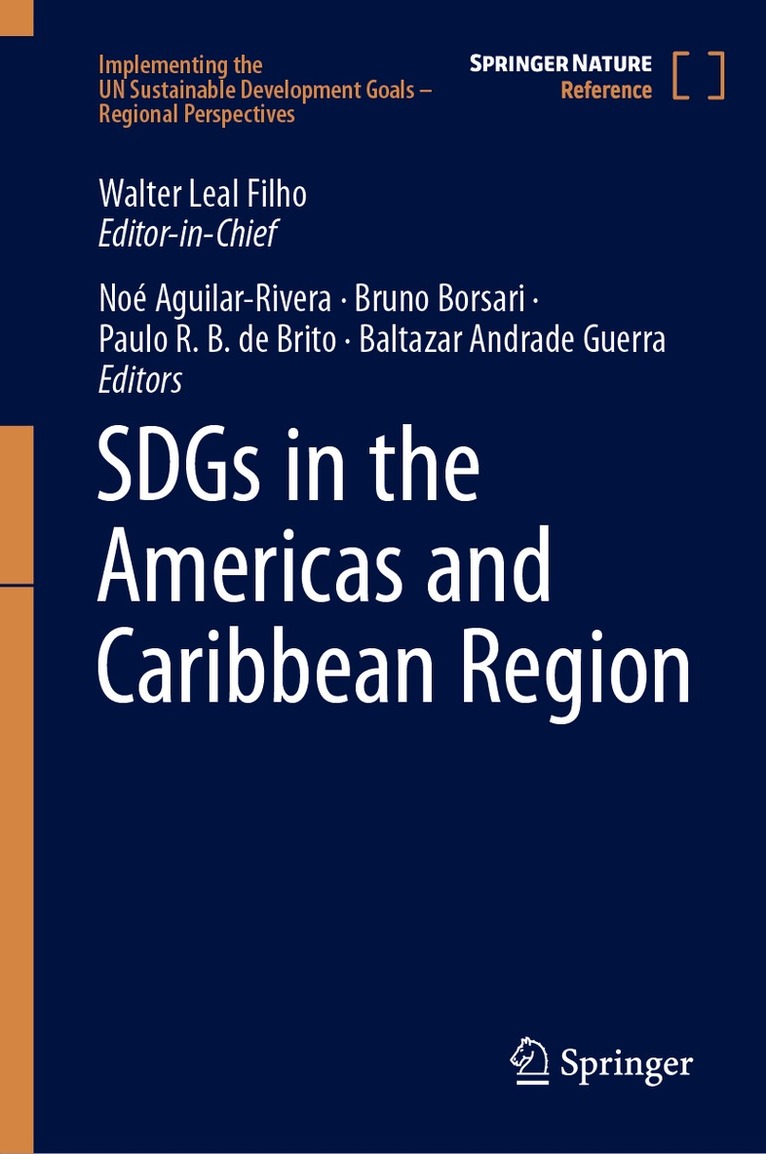
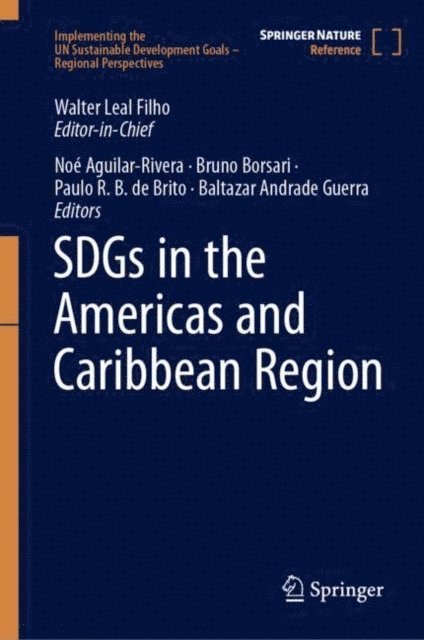
This volume provides an overview of the ways sustainable development issues as a whole, and the SDGs in particular, are perceived and practiced in a variety of countries in the Latin America and Caribbean region. It also discusses the extent to which its many socio-economic problems hinder progresses towards the pursuit of a sustainable future, and documents successful experiences from across the region.This book is part of the "100 papers to accelerate the implementation of the UN Sustainable Development Goals initiative".
E-bok
Engelska, 20238 396 kr
Läs direkt efter köp
This volume provides an overview of the ways sustainable development issues as a whole, and the SDGs in particular, are perceived and practiced in a variety of countries in the Latin America and Caribbean region. It also discusses the extent to which its many socio-economic problems hinder progresses towards the pursuit of a sustainable future, and documents successful experiences from across the region.This book is part of the "100 papers to accelerate the implementation of the UN Sustainable Development Goals initiative".
Inbunden, Engelska, 2026
2 174 kr
Skickas inom 10-15 vardagar
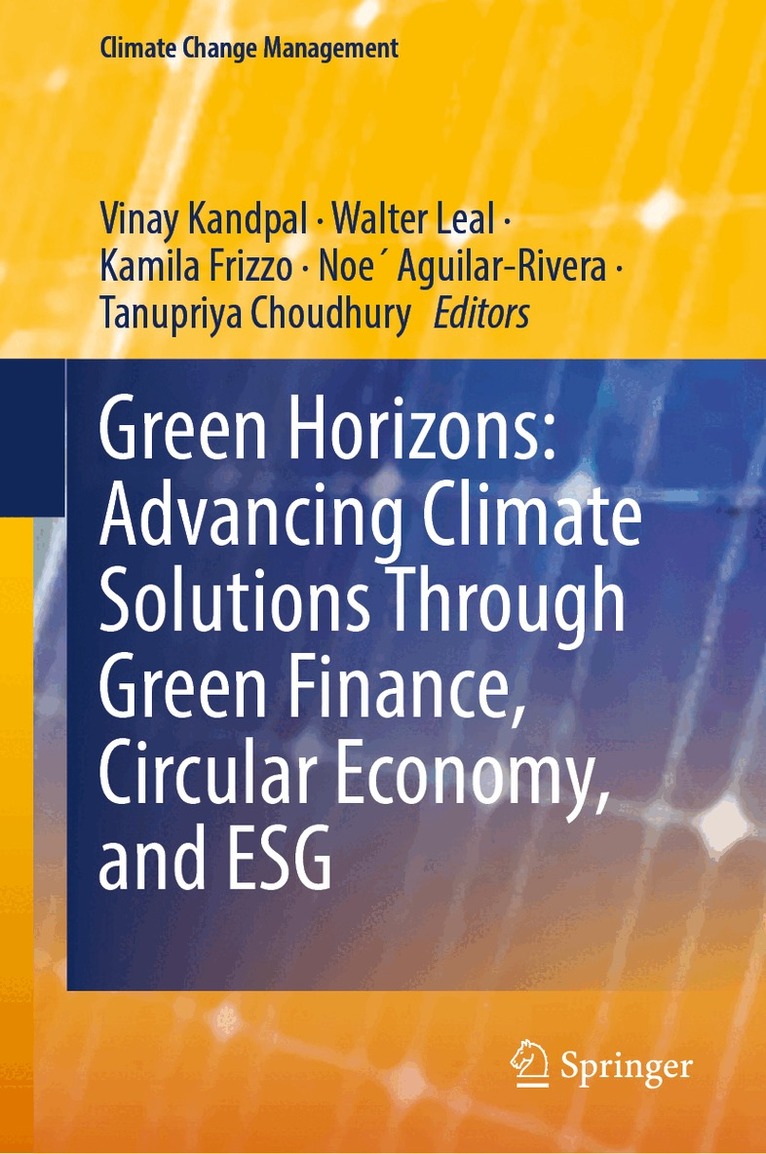
This book aims to explore the intersection of green finance, circular economy principles, and ESG strategies. This multifaceted approach is essential for fostering sustainable development and addressing climate change challenges. Green finance is the term used to describe various forms of finance (green bonds, loans, etc.) that are designed to finance green projects (Shukla et al., 2024). It helps to attract investments in sustainability, especially renewable energy and sustainable infrastructure (Manoharan et al., 2024). `The idea of greenium, or the price investors are prepared to pay for green assets, matters to market behavior (Karimov, 2024).The circular economy, in turn, supports resource efficiencies and waste minimization and incorporates ESG metrics to develop ecologically benign industrial environments (Malevskaia-Malevich, 2024; Ramakrishna & Brindha, 2024). Companies can be more sustainable and reduce manufacturing costs using circular economy strategies to create greater market value. ESG models help organizations integrate sustainability into their business model by emphasizing transparency and accountability (Ramakrishna & Brindha, 2024). ESG policies can reduce climate risk and drive long-term value, making them a key consideration for investors and stakeholders (Manoharan et al., 2024). Despite the potential of green finance, challenges such as market allocation of resources and varying ESG application levels persist (Ding, 2024).The foundations of climate action, green finance, circular economy, and ESG—all these have greenwashing and a dysfunctional regulatory regime obstructing them. Acceptance of these challenges will be what keeps sustainability initiatives viable and sustainable. The climate emergency demands new, integrated sustainable development goals (SDGs). While the focus on green finance and ESG is critical, it is also important to consider the potential for greenwashing, where companies may misrepresent their sustainability efforts. This highlights the need for rigorous standards and accountability in the implementation of these strategies.
E-bok
Engelska, 20262 840 kr
Läs direkt efter köp
This book aims to explore the intersection of green finance, circular economy principles, and ESG strategies. This multifaceted approach is essential for fostering sustainable development and addressing climate change challenges. Green finance is the term used to describe various forms of finance (green bonds, loans, etc.) that are designed to finance green projects (Shukla et al., 2024). It helps to attract investments in sustainability, especially renewable energy and sustainable infrastructure (Manoharan et al., 2024). `The idea of greenium, or the price investors are prepared to pay for green assets, matters to market behavior (Karimov, 2024).The circular economy, in turn, supports resource efficiencies and waste minimization and incorporates ESG metrics to develop ecologically benign industrial environments (Malevskaia-Malevich, 2024; Ramakrishna & Brindha, 2024). Companies can be more sustainable and reduce manufacturing costs using circular economy strategies to create greater market value. ESG models help organizations integrate sustainability into their business model by emphasizing transparency and accountability (Ramakrishna & Brindha, 2024). ESG policies can reduce climate risk and drive long-term value, making them a key consideration for investors and stakeholders (Manoharan et al., 2024). Despite the potential of green finance, challenges such as market allocation of resources and varying ESG application levels persist (Ding, 2024).The foundations of climate action, green finance, circular economy, and ESG—all these have greenwashing and a dysfunctional regulatory regime obstructing them. Acceptance of these challenges will be what keeps sustainability initiatives viable and sustainable. The climate emergency demands new, integrated sustainable development goals (SDGs). While the focus on green finance and ESG is critical, it is also important to consider the potential for greenwashing, where companies may misrepresent their sustainability efforts. This highlights the need for rigorous standards and accountability in the implementation of these strategies.