Norma R. A. Romm – författare
Visar alla böcker från författaren Norma R. A. Romm. Handla med fri frakt och snabb leverans.
6 produkter
6 produkter
Inbunden, Engelska, 2001
543 kr
Skickas inom 10-15 vardagar
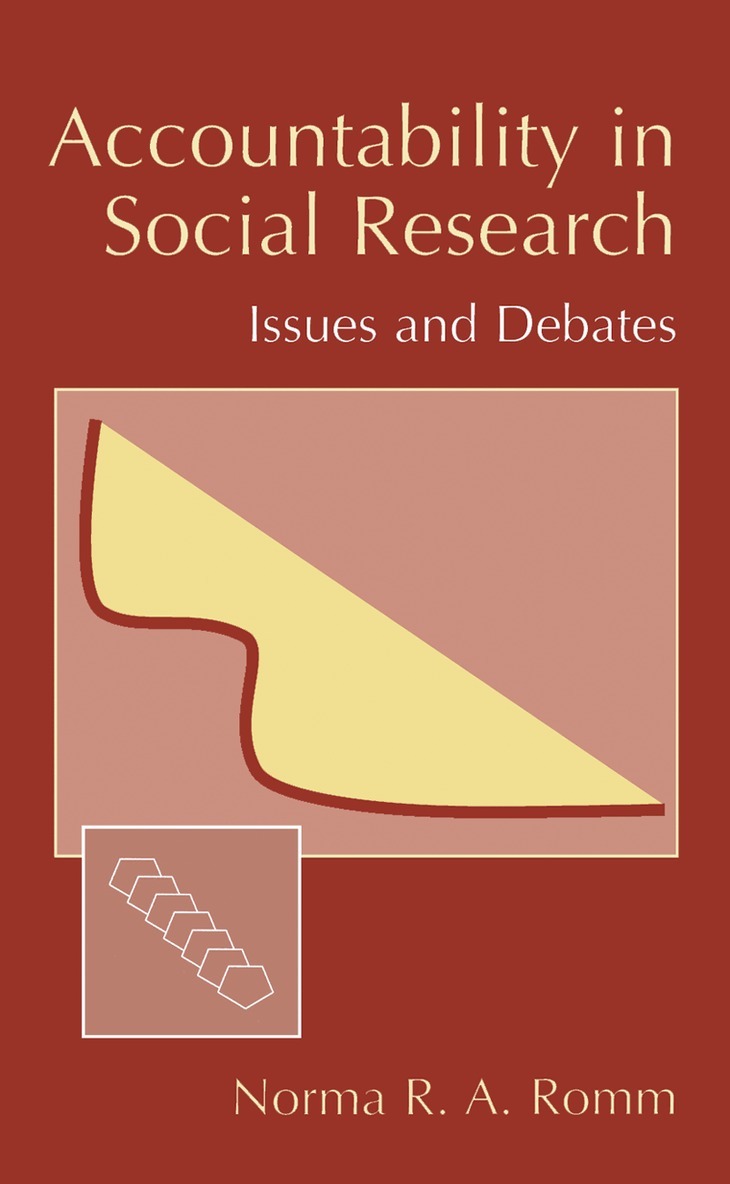
In this book I have concentrated on drawing attention to various conceptions of accountability that might be brought to bear in judging the practice of social research. Much of the book is organized around making explicit the assumptions that influence what counts as “proper” research in society, including assumptions about how social inquirers might be held accountable. My focus is on reviewing discourses around the practice of “professional” inquiry, with a view to reconsidering the way in which people create expectations for accountable social inquiry. My focus hereon is related to my concern that the manner in which judgments about researchers’ accountability are made, is not without social consequences for our way of living in society. I have approached the issues by beginning with a discussion of tenets of the position called “positivism” (so named by certain proponents), and by considering the view on accountability that is implied by adherence to these tenets. Briefly expressed, positivist argumentation suggests that researchers are required to “do science” in a manner that warrants their being considered, indeed, scientists. I use my discussion of accountability as seen within positivist argumentation to explicate ways in which alternative positions have arisen as ways of treating accountability issues. Through my way of comparing the various positions, I hope to provide some indication of the complexity ofethical and accountability issues in social inquiry.
Inbunden, Engelska, 1996
1 345 kr
Skickas inom 5-8 vardagar
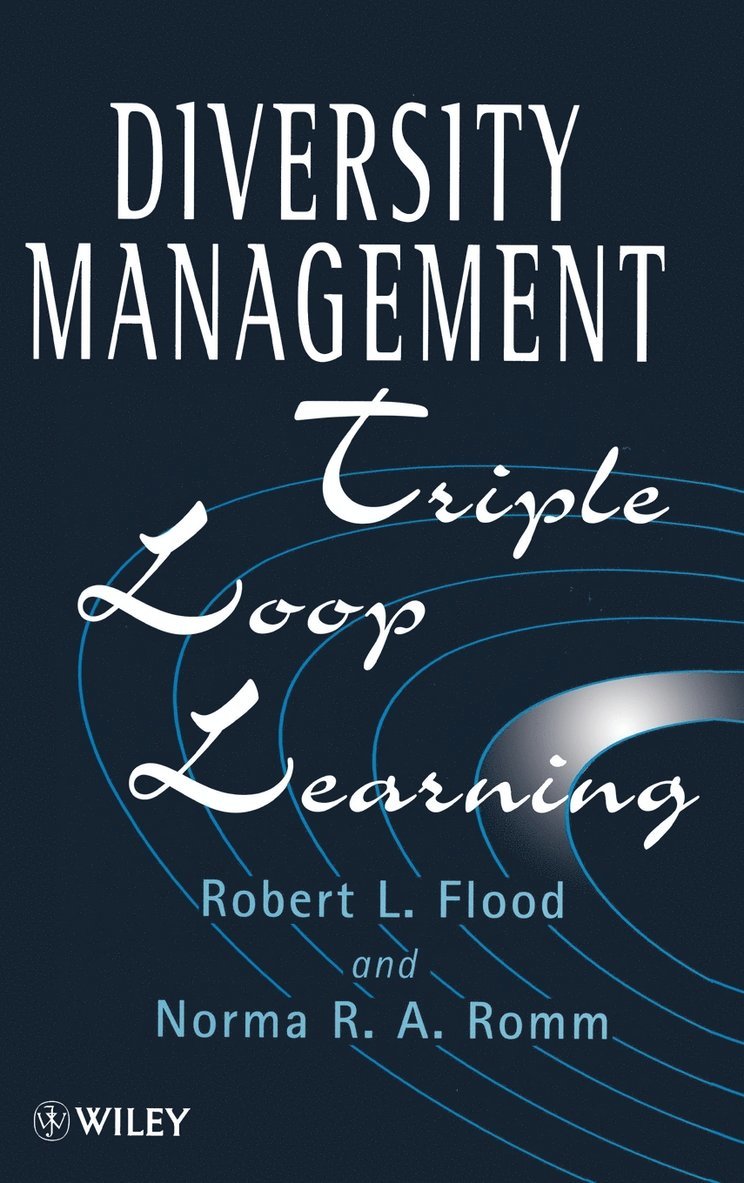
The approach known as Diversity Management, is about managing the increasing diversity of issues that confront us. It is a response to the ever growing number of approaches ? more models, more methodologies and more theories ? developed to tackle those issues. Diversity Management addresses this new issue to be confronted ? how to choose between the models, methodologies and theories. The book, Diversity Management: Triple Loop Learning, will provide a strong intellectual contribution to the now widely debated issue of managing diversity. It carefully blends theory and practice in order to provide substance to the debate on diversity management in the social and systems sciences. The focus on triple loop learning increases the fullness of learning about the diversity of issues and dilemmas faced. It brings together three main learning centres in one overall awareness so that the process is more reflexive and those involved can operate more intelligently and responsibly. Diversity Management: Triple Loop Learning is thoroughly illustrated with case studies and shows theoreticians and interventionists how they can operate with a consciousness that is more than the sum of its parts.
Inbunden, Engelska, 2019
1 616 kr
Skickas inom 10-15 vardagar
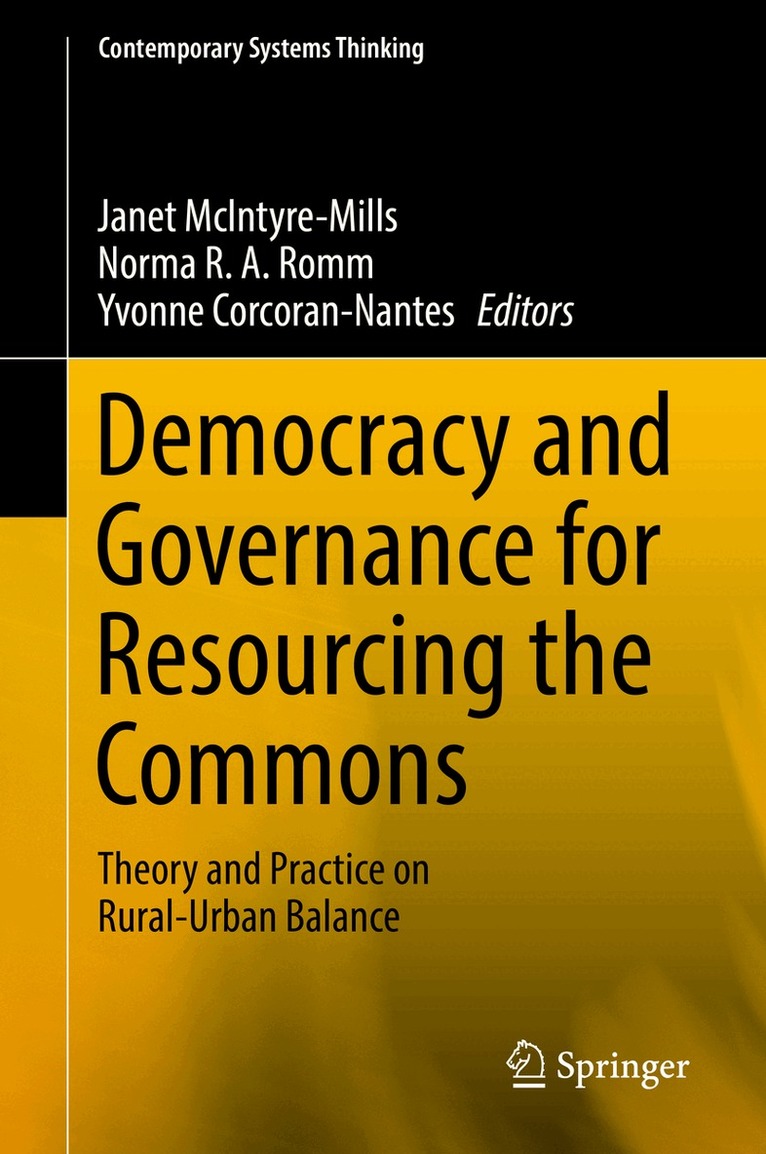
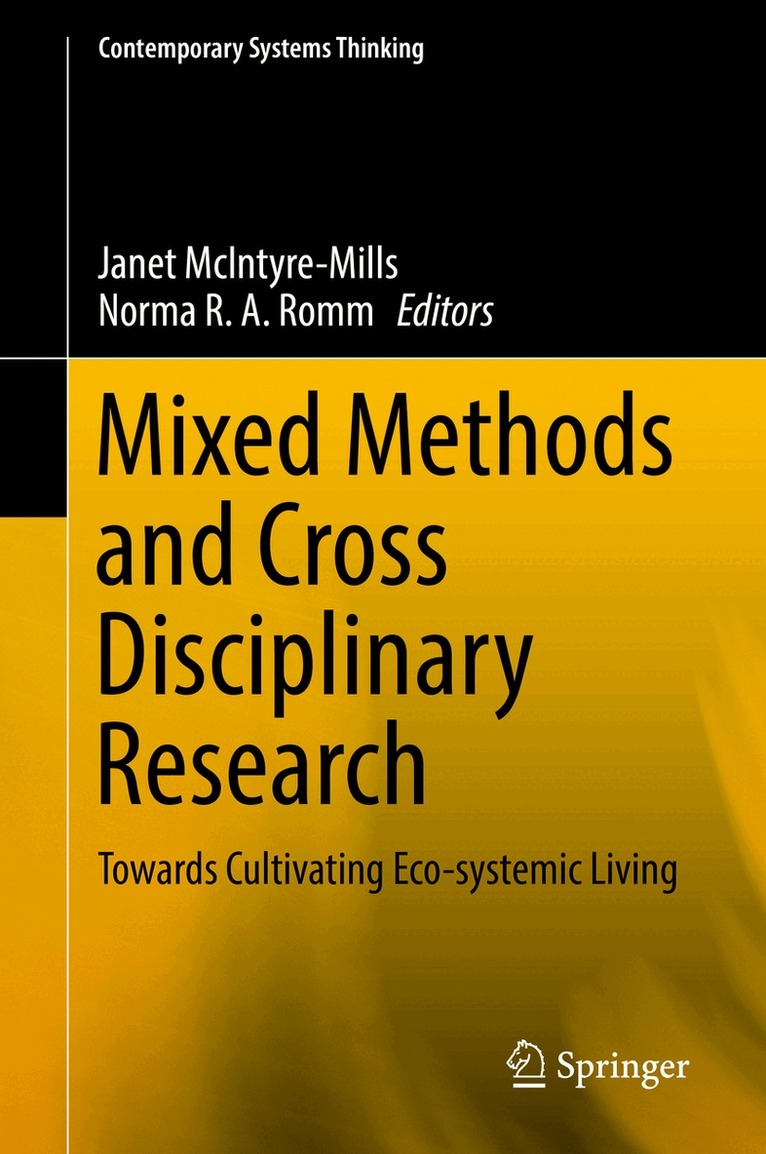
This book promotes the well-being of the commons through representation and accountability through monitoring from below in order to operationalize engagement. This book views the commons as a legal concept, a transformative governance concept, and a basis for systemic ethics. The chapters focus on practical responses to address complex problems that comprise many interrelated variables and are perceived differently by stakeholders with different values and life experiences. By considering these different stakeholders, the goal is to highlight ways to regenerate and invigorate employment opportunities. The book identifies pathways towards ethical vocational education to enable lifelong engagement by active citizens which requires action learning to address areas of perceived policy concern. Throughout the chapters in this book, the authors discuss transformative research and its implications on stakeholders. They focus on re-presentation and its implications for thinking and practice.One author makes the case for fostering non anthropocentric approaches to ethical development. In addition, the chapters cover case studies including governance challenges associated with water management using a mixed method approach and also production of mushrooms in collaboration with coffee growers in Jakarta. The book focuses on ways to de-colonialise knowledge formation in public policy and makes the case for an alternative approach to governance and democracy that takes into account a range of local people’s perspectives.
E-bok
Engelska, 20191 977 kr
Läs direkt efter köp
This book promotes the well-being of the commons through representation and accountability through monitoring from below in order to operationalize engagement. This book views the commons as a legal concept, a transformative governance concept, and a basis for systemic ethics. The chapters focus on practical responses to address complex problems that comprise many interrelated variables and are perceived differently by stakeholders with different values and life experiences. By considering these different stakeholders, the goal is to highlight ways to regenerate and invigorate employment opportunities. The book identifies pathways towards ethical vocational education to enable lifelong engagement by active citizens which requires action learning to address areas of perceived policy concern. Throughout the chapters in this book, the authors discuss transformative research and its implications on stakeholders. They focus on re-presentation and its implications for thinking and practice.One author makes the case for fostering non anthropocentric approaches to ethical development. In addition, the chapters cover case studies including governance challenges associated with water management using a mixed method approach and also production of mushrooms in collaboration with coffee growers in Jakarta. The book focuses on ways to de-colonialise knowledge formation in public policy and makes the case for an alternative approach to governance and democracy that takes into account a range of local people’s perspectives.
Inbunden, Engelska, 2019
1 509 kr
Skickas inom 10-15 vardagar
This book uses mixed methods to extend the concept of “wellbeing stocks” to refer to dynamic ways of working with others. It addresses metaphors and praxis for weaving together strands of experience. The aim of the wellbeing stocks concept is to enable people to re-evaluate economics and to become more aware of the way in which we neglect social and environmental aspects of life. The pursuit of profit at the expense of people and the environment is a central problem for democracy and governance. The vulnerability of cities is a symptom of the lack of balance between individual and collective needs. This book explores the potential for cities, specifically in the regions of Indonesia, Africa, and Australia, to become more productive as sites for food and water security through more creative use of technology. It highlights the need for partners that see food and security feasible at the household level if supports are provided at the community, national and international level. The book examines how these regions are affected by demographics, climate change and people movements, but also explores ways to establish an effective cultural ecosystem management.
E-bok
Engelska, 20191 891 kr
Läs direkt efter köp
This book uses mixed methods to extend the concept of “wellbeing stocks” to refer to dynamic ways of working with others. It addresses metaphors and praxis for weaving together strands of experience. The aim of the wellbeing stocks concept is to enable people to re-evaluate economics and to become more aware of the way in which we neglect social and environmental aspects of life. The pursuit of profit at the expense of people and the environment is a central problem for democracy and governance. The vulnerability of cities is a symptom of the lack of balance between individual and collective needs. This book explores the potential for cities, specifically in the regions of Indonesia, Africa, and Australia, to become more productive as sites for food and water security through more creative use of technology. It highlights the need for partners that see food and security feasible at the household level if supports are provided at the community, national and international level. The book examines how these regions are affected by demographics, climate change and people movements, but also explores ways to establish an effective cultural ecosystem management.