Om Prakash Dwivedi – författare
544 kr
Skickas inom 5-8 vardagar
2 804 kr
Skickas inom 10-15 vardagar
788 kr
Skickas inom 10-15 vardagar
2 203 kr
Skickas inom 10-15 vardagar
593 kr
Skickas inom 10-15 vardagar
2 609 kr
Skickas inom 10-15 vardagar
756 kr
Skickas inom 10-15 vardagar
1 025 kr
Läs direkt efter köp
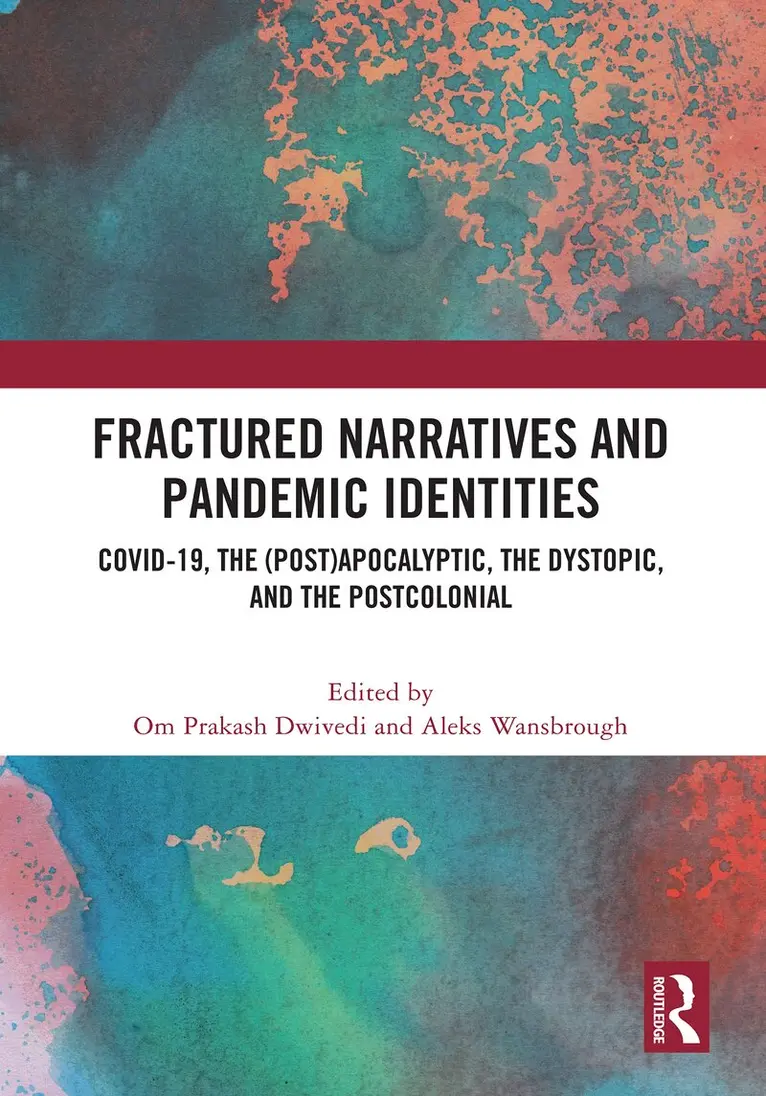
The book considers how identities have become more fractured since COVID-19, by thinking of COVID-19 in relation to other crises (economic, social, digital, and ecological) and by drawing parallels to literature, cinema, and visual art.
COVID-19 was a type of apocalypse, a catastrophic destructive event that produced dystopian measures in its wake and drew uncanny parallels to dystopic works of literature and speculative fiction. Yet the pandemic was apocalyptic in another sense too. The word apocalypse derives from apokalupsis, which means disclosure or uncovering. In this way, COVID-19 also revealed the dystopian processes already at work in the world, including digital forms of surveillance as well as the asymmetries within populations and divides in health outcomes between the Global North and Global South. Indeed, societies that have experienced the horrors of settler colonialism have already survived apocalypses. COVID-19 serves then as a premonition for our climate emergency as well as an echo of other apocalyptic situations, both real and imagined. This book consists of essays from acclaimed theorists and scholars writing amid the pandemic and exposes the asymmetries of our divided world. The volume will be indispensable for scholars and researchers of literature, postcolonial studies, cultural studies, and comparative literature including post-apocalyptic and speculative fiction.
The chapters in this book were originally published as a special issue of Journal of Postcolonial Writing and are accompanied by a new afterword.
1 025 kr
Läs direkt efter köp
The book considers how identities have become more fractured since COVID-19, by thinking of COVID-19 in relation to other crises (economic, social, digital, and ecological) and by drawing parallels to literature, cinema, and visual art.
COVID-19 was a type of apocalypse, a catastrophic destructive event that produced dystopian measures in its wake and drew uncanny parallels to dystopic works of literature and speculative fiction. Yet the pandemic was apocalyptic in another sense too. The word apocalypse derives from apokalupsis, which means disclosure or uncovering. In this way, COVID-19 also revealed the dystopian processes already at work in the world, including digital forms of surveillance as well as the asymmetries within populations and divides in health outcomes between the Global North and Global South. Indeed, societies that have experienced the horrors of settler colonialism have already survived apocalypses. COVID-19 serves then as a premonition for our climate emergency as well as an echo of other apocalyptic situations, both real and imagined. This book consists of essays from acclaimed theorists and scholars writing amid the pandemic and exposes the asymmetries of our divided world. The volume will be indispensable for scholars and researchers of literature, postcolonial studies, cultural studies, and comparative literature including post-apocalyptic and speculative fiction.
The chapters in this book were originally published as a special issue of Journal of Postcolonial Writing and are accompanied by a new afterword.
890 kr
Läs direkt efter köp
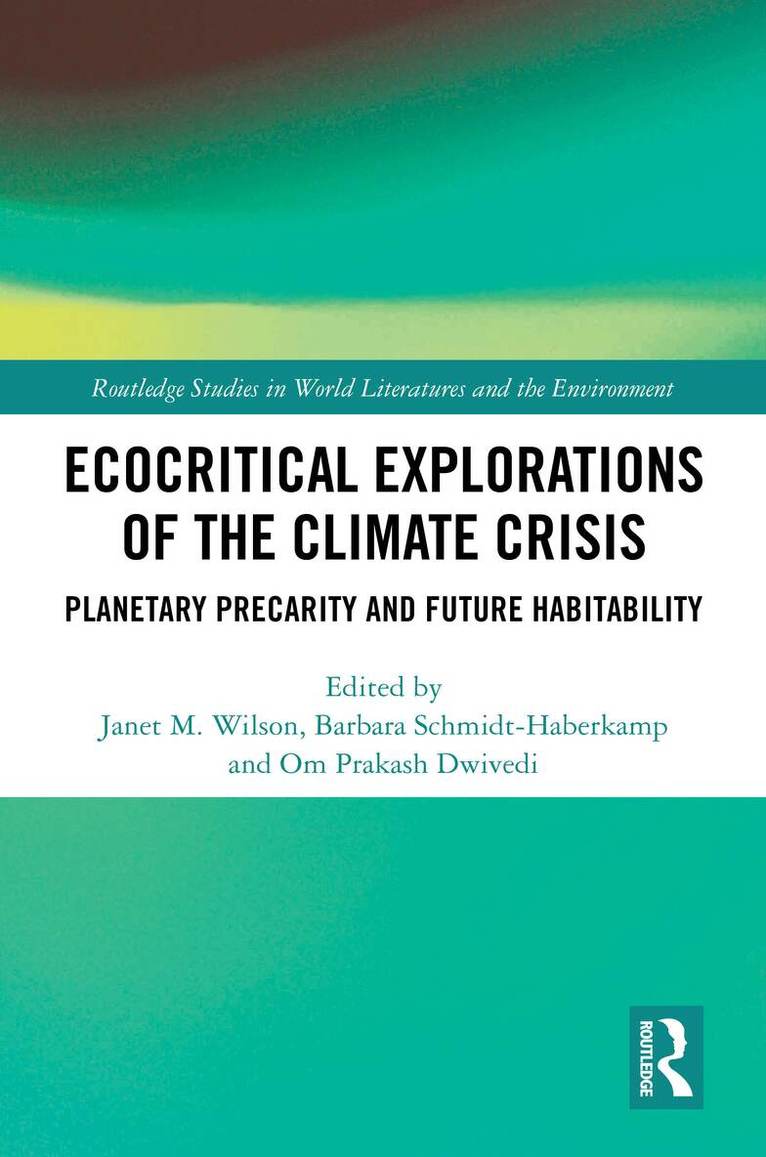
Ecocritical Explorations of the Climate Crisis expands postcolonial precarity studies by addressing the current climate crisis and threats to the habitability of the planet from a range of ecocritical and environmental perspectives. The collection uses planetary thought-action praxis that acknowledges the interconnectedness of all forms of life in addressing the socioecological issues facing humanity: accelerating climate change, over-exploitation of natural resources, and the Global North–South divide. With reference to contemporary cultural productions, such praxis seeks to examine the ideas, images, and narratives that either represent or impede potential disasters like the so-called sixth extinction of the planet, that inspire the dismantling of carbon democracies arising in the wake of neoliberalism, and that address rising inequality with precarious conditions in the transition to renewable energy. The different chapters explore literary and visual representations of planetary precarity, identifying crisis-responsive genres and cultural formats, and assessing approaches to environment-re/making that call for repair, recovery and sustainability. In imagining future habitability, they deploy diverse critical frameworks such as queer utopias, zero-waste lifestyles, alternative ecologies, and adaptations to the uninhabitable. The collection tackles problems of global vulnerability and examines precarity as a condition of resilience and resistance through collective actions and solidarities and innovative constructions of the planet’s survival as a shared home. It engages with current postcolonial debates, uses intersectional methodologies, and introduces contemporary literary, visual concepts, and narrative types.
890 kr
Läs direkt efter köp
Ecocritical Explorations of the Climate Crisis expands postcolonial precarity studies by addressing the current climate crisis and threats to the habitability of the planet from a range of ecocritical and environmental perspectives. The collection uses planetary thought-action praxis that acknowledges the interconnectedness of all forms of life in addressing the socioecological issues facing humanity: accelerating climate change, over-exploitation of natural resources, and the Global North–South divide. With reference to contemporary cultural productions, such praxis seeks to examine the ideas, images, and narratives that either represent or impede potential disasters like the so-called sixth extinction of the planet, that inspire the dismantling of carbon democracies arising in the wake of neoliberalism, and that address rising inequality with precarious conditions in the transition to renewable energy. The different chapters explore literary and visual representations of planetary precarity, identifying crisis-responsive genres and cultural formats, and assessing approaches to environment-re/making that call for repair, recovery and sustainability. In imagining future habitability, they deploy diverse critical frameworks such as queer utopias, zero-waste lifestyles, alternative ecologies, and adaptations to the uninhabitable. The collection tackles problems of global vulnerability and examines precarity as a condition of resilience and resistance through collective actions and solidarities and innovative constructions of the planet’s survival as a shared home. It engages with current postcolonial debates, uses intersectional methodologies, and introduces contemporary literary, visual concepts, and narrative types.
696 kr
Läs direkt efter köp
696 kr
Läs direkt efter köp
2 336 kr
Skickas inom 10-15 vardagar
750 kr
Skickas inom 10-15 vardagar
883 kr
Läs direkt efter köp
883 kr
Läs direkt efter köp
290 kr
Skickas inom 5-8 vardagar
1 300 kr
Skickas inom 10-15 vardagar
1 725 kr
Läs direkt efter köp
1 300 kr
Skickas inom 10-15 vardagar
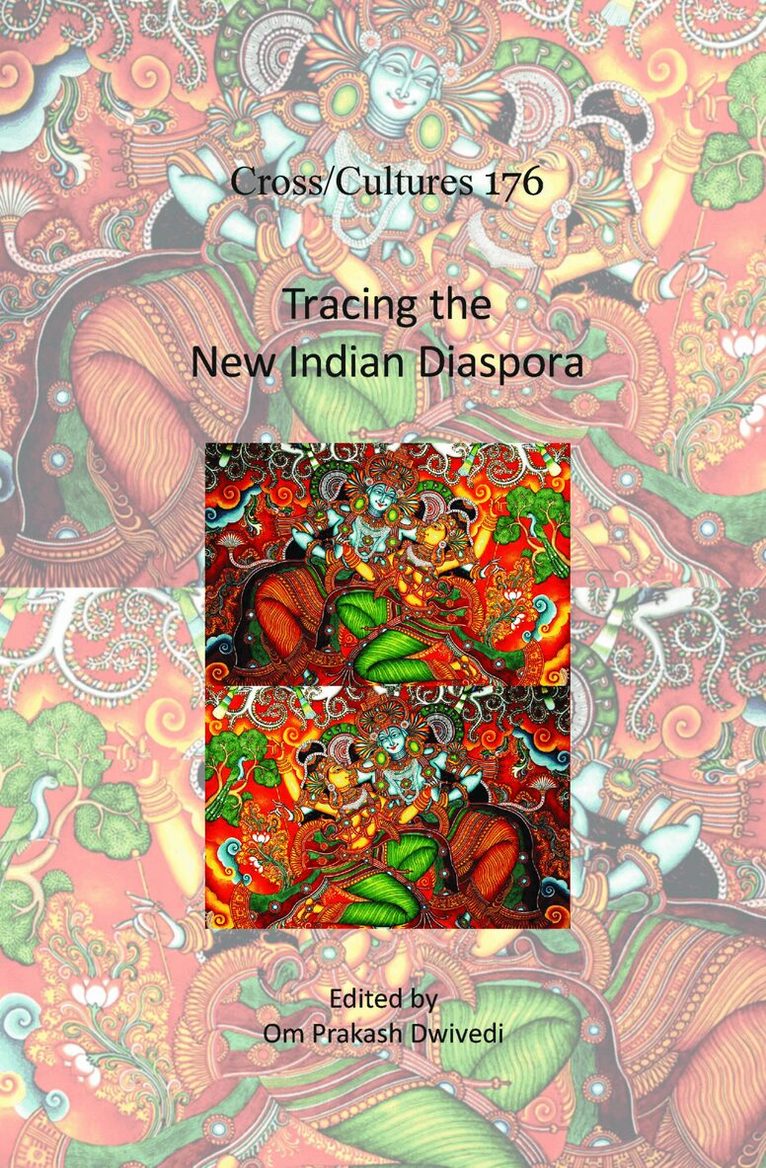
Tracing the New Indian Diaspora
1 763 kr
Skickas inom 5-8 vardagar