Omid Safi – författare
Visar alla böcker från författaren Omid Safi. Handla med fri frakt och snabb leverans.
15 produkter
15 produkter
Häftad, Engelska, 2019
279 kr
Skickas inom 11-20 vardagar
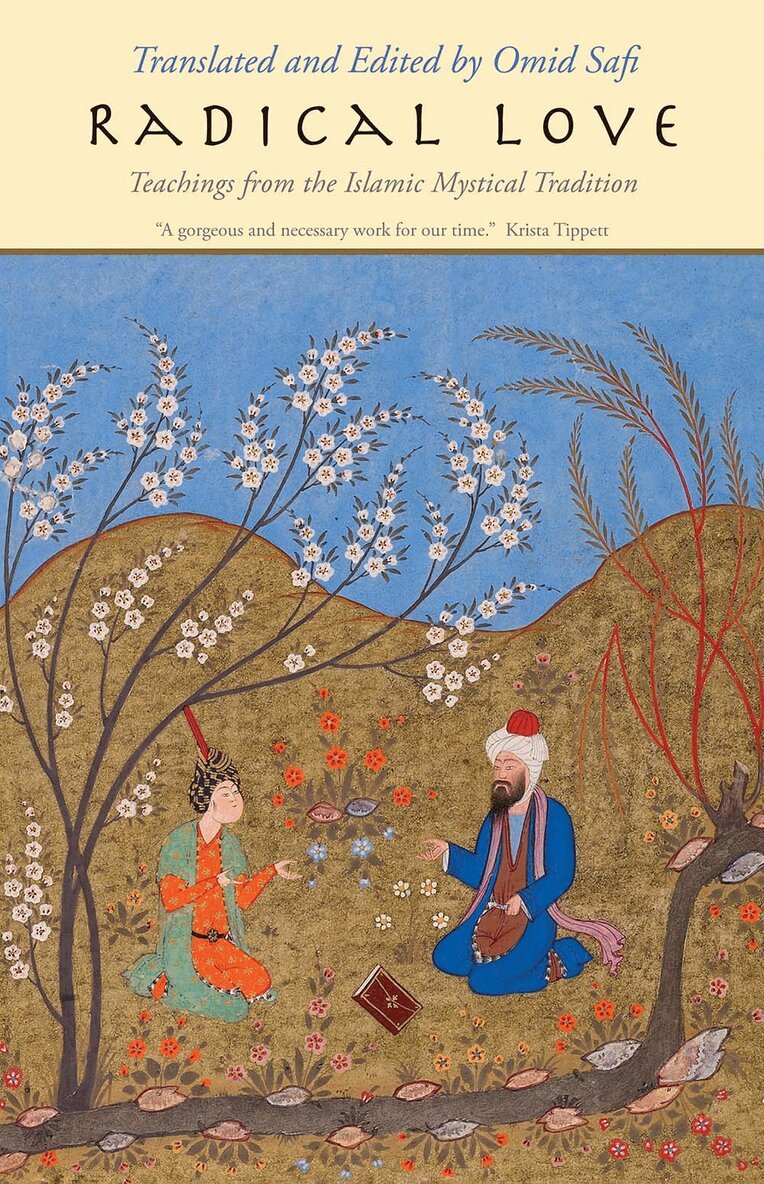
This stunning collection showcases the love poetry and mystical teachings at the heart of the Islamic tradition in accurate and poetic original translationsAt a time when the association of Islam with violence dominates headlines, this beautiful collection offers us a chance to see a radically different face of the Islamic tradition. It traces a soaring, poetic, popular tradition that celebrates love for both humanity and the Divine as the ultimate path leading humanity back to God.Safi brings together for the first time the passages of the Qur’an sought by the Muslim sages, the mystical sayings of the Prophet, and the teachings of the path of “Divine love.” Accurately and sensitively translated by leading scholar of Islam Omid Safi, the writings of Jalal al‑Din Rumi can now be read alongside passages by Kharaqani, ‘Attar, Hafez of Shiraz, Abu Sa‘id‑e Abi ’l‑Khayr, and other key Muslim mystics. For the millions of readers whose lives have been touched by Rumi’s poetry, here is a chance to see the Arabic and Persian traditions that produced him.
Häftad, Engelska, 2010
167 kr
Skickas inom 5-8 vardagar
E-bok
Engelska, 200991 kr
Läs direkt efter köp
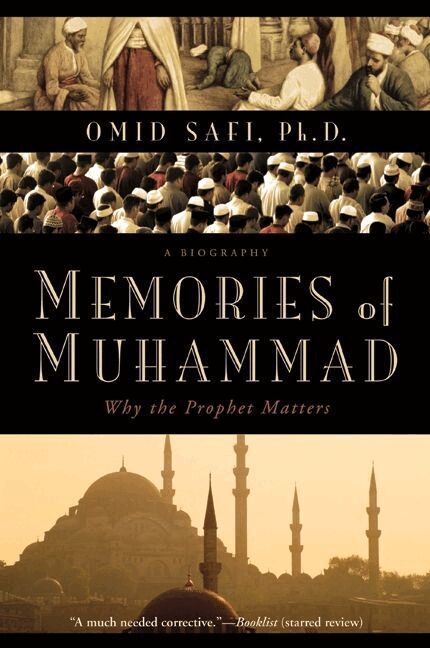
In Memories of Muhammad: Why the Prophet Matters, leading Islamic scholar Omid Safi presents a portrait of Muhammad that reveals his centrality in the devotions of modern Muslims around the world. This religious biography offers new insights into Islam, covering such hot button issues such as the spread of Islam, holy wars, the role of women, the significance of Jerusalem, tensions with Jews and Christians, wahabbi Islam, and the role of cyberspace in the evolution of the religion.
Inbunden, Engelska, 2011
865 kr
Skickas inom 5-8 vardagar
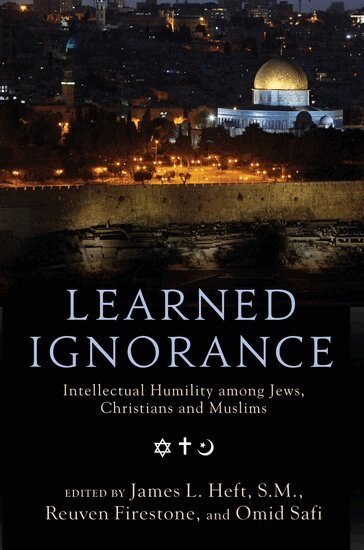
Constructive interreligious dialogue is only a recent phenomenon. Until the nineteenth century, most dialogue among believers was carried on as a debate aimed either to disprove the claims of the other, or to convert the other to one's own tradition. At the end of the nineteenth century, Protestant Christian missionaries of different denominations had created such a cacophony amongst themselves in the mission fields that they decided that it would be best if they could begin to overcome their own differences instead of confusing and even scandalizing the people whom they were trying to convert. By the middle of the twentieth century, the horrors of the Holocaust compelled Christians, especially mainline Protestants and Catholics, to enter into a serious dialogue with Jews, one of the consequences of which was the removal of claims by Christians to have replaced Judaism, and revising text books that communicated that message to Christian believers.Now, at the beginning of the twenty-first century, many branches of Christianity, not least the Catholic Church, are engaged in a world-wide constructive dialogue with Muslims, made all the more necessary by the terrorist attacks of September 11. In these new conversations, Muslim religious leaders took an important initiative when they sent their document,''A Common Word Between Us,'' to all Christians in the West. It is an extraordinary document, for it makes a theological argument (various Christians in the West, including officials at the Vatican, have claimed that a ''theological conversation'' with Muslims is not possible) based on texts drawn from the Hebrew Bible, the New Testament and the Qur'an, that Jewish, Christian, and Muslim believers share the God-given obligation to love God and each other in peace and justice. The Institute for Advanced Catholic Studies brought together an international group of sixteen Jewish, Catholic, and Muslim scholars to carry on an important theological exploration of the theme of ''learned ignorance.''
Häftad, Engelska, 2011
580 kr
Skickas inom 5-8 vardagar
Constructive interreligious dialogue is only a recent phenomenon. Until the nineteenth century, most dialogue among believers was carried on as a debate aimed either to disprove the claims of the other, or to convert the other to one's own tradition. At the end of the nineteenth century, Protestant Christian missionaries of different denominations had created such a cacophony amongst themselves in the mission fields that they decided that it would be best if they could begin to overcome their own differences instead of confusing and even scandalizing the people whom they were trying to convert. By the middle of the twentieth century, the horrors of the Holocaust compelled Christians, especially mainline Protestants and Catholics, to enter into a serious dialogue with Jews, one of the consequences of which was the removal of claims by Christians to have replaced Judaism, and revising text books that communicated that message to Christian believers.Now, at the beginning of the twenty-first century, many branches of Christianity, not least the Catholic Church, are engaged in a world-wide constructive dialogue with Muslims, made all the more necessary by the terrorist attacks of September 11. In these new conversations, Muslim religious leaders took an important initiative when they sent their document,''A Common Word Between Us,'' to all Christians in the West. It is an extraordinary document, for it makes a theological argument (various Christians in the West, including officials at the Vatican, have claimed that a ''theological conversation'' with Muslims is not possible) based on texts drawn from the Hebrew Bible, the New Testament and the Qur'an, that Jewish, Christian, and Muslim believers share the God-given obligation to love God and each other in peace and justice. The Institute for Advanced Catholic Studies brought together an international group of sixteen Jewish, Catholic, and Muslim scholars to carry on an important theological exploration of the theme of ''learned ignorance.''
E-bok
PDF, Engelska, 2011443 kr
Läs direkt efter köp
Constructive interreligious dialogue is only a recent phenomenon. Until the nineteenth century, most dialogue among believers was carried on as a debate aimed either to disprove the claims of the other, or to convert the other to one''s own tradition. At the end of the nineteenth century, Protestant Christian missionaries of different denominations had created such a cacophony amongst themselves in the mission fields that they decided that it would be best if they could begin to overcome their own differences instead of confusing and even scandalizing the people whom they were trying to convert. By the middle of the twentieth century, the horrors of the Holocaust compelled Christians, especially mainline Protestants and Catholics, to enter into a serious dialogue with Jews, one of the consequences of which was the removal of claims by Christians to have replaced Judaism, and revising text books that communicated that message to Christian believers.Now, at the beginning of the twenty-first century, many branches of Christianity, not least the Catholic Church, are engaged in a world-wide constructive dialogue with Muslims, made all the more necessary by the terrorist attacks of September 11. In these new conversations, Muslim religious leaders took an important initiative when they sent their document,''''A Common Word Between Us,'''' to all Christians in the West. It is an extraordinary document, for it makes a theological argument (various Christians in the West, including officials at the Vatican, have claimed that a ''''theological conversation'''' with Muslims is not possible) based on texts drawn from the Hebrew Bible, the New Testament and the Qur''an, that Jewish, Christian, and Muslim believers share the God-given obligation to love God and each other in peace and justice. The Institute for Advanced Catholic Studies brought together an international group of sixteen Jewish, Catholic, and Muslim scholars to carry on an important theological exploration of the theme of ''''learned ignorance.''''
E-bok
PDF, Engelska, 20062 685 kr
Läs direkt efter köp
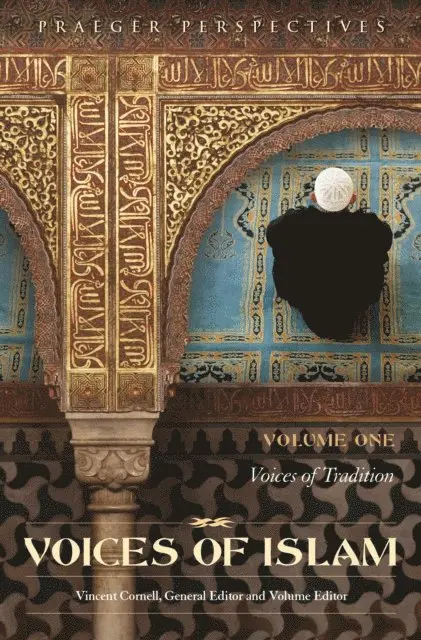
Despite frequent and extensive publications on Islam, very few Americans, indeed very few non-Muslims, truly understand the faith or the more than one billion adherents who live it. This set presents the diversity and richness of Islam, filling in the blanks and expanding our knowledge and understanding. Portraying Muslims in all their humanity and diversity balances the images that have bombarded society and presents the reader with a fuller and more accurate picture of the Islamic faith and what it means to live as a Muslim—in Muslim communities, and as part of a broader tapestry of pluralism in the nations of the world.What does it mean to share Muslim concerns? To experience Muslim spirituality? What is the difference between Sunni and Shiite sects? Why do Muslims pray so frequently? What is the reality of Muslim marriage and gender relations? What is the meaning of jihad and martyrdom to a practicing Muslim? What role do the arts and humanities play in modern Muslim life? How are Islamic children raised? These questions and others are answered in these volumes, which bring together Muslim voices from around the world, including men and women, scholars and laypersons, fundamentalists and progressives, and others from various cultural, political, and Islamic backgrounds. Personal experiences and poetry are included to illustrate the many different expressions of Islam.
Häftad, Engelska, 2013
429 kr
Skickas inom 7-10 vardagar
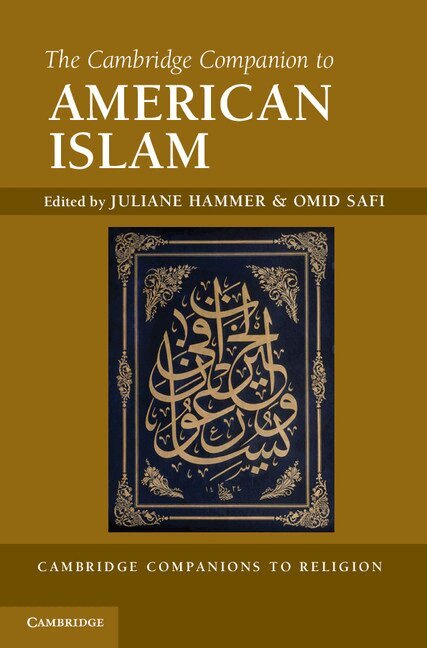
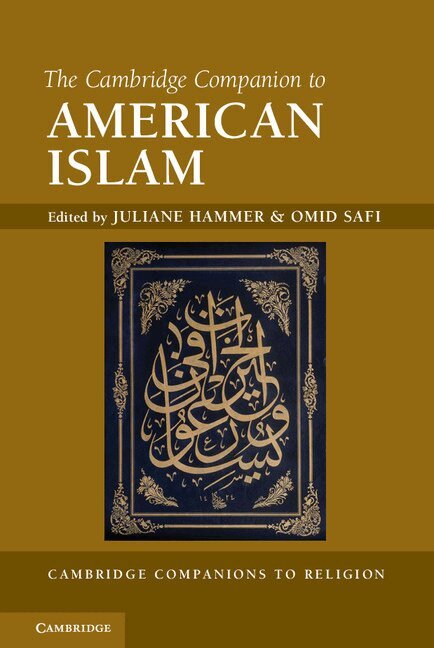
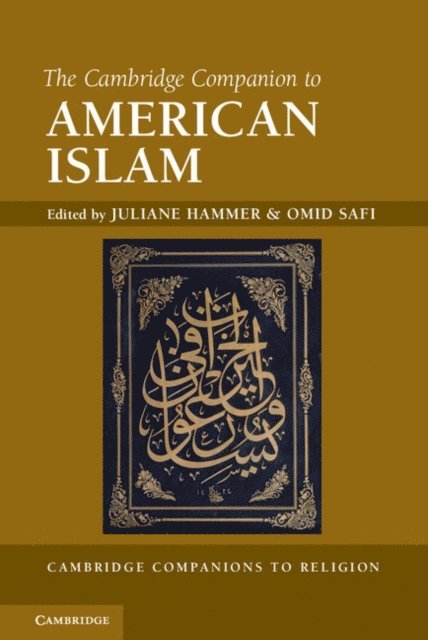
The Cambridge Companion to American Islam offers a scholarly overview of the state of research on American Muslims and American Islam. The book presents the reader with a comprehensive discussion of the debates, challenges and opportunities that American Muslims have faced through centuries of American history. This volume also covers the creative ways in which American Muslims have responded to the myriad serious challenges that they have faced and continue to face in constructing a religious praxis and complex identities that are grounded in both a universal tradition and the particularities of their local contexts. The book introduces the reader to some of the many facets of the lives of American Muslims that can only be understood in their interactions with Islam's entanglement in the American experiment.
Häftad, Engelska, 2006
456 kr
Skickas inom 10-15 vardagar
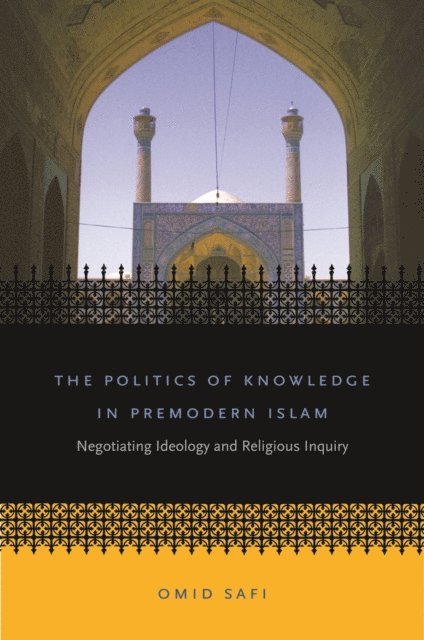
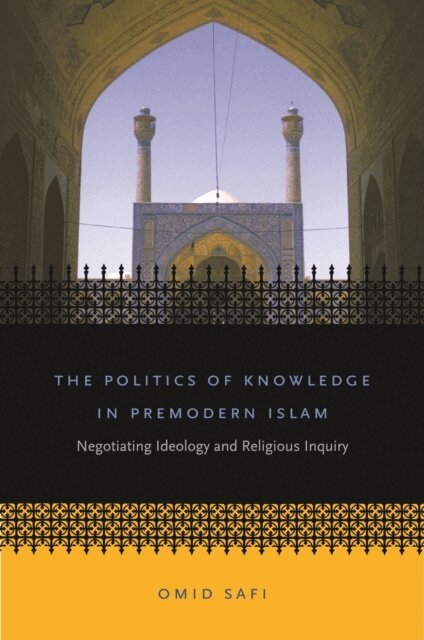
Scholars, saints, and the state The eleventh and twelfth centuries comprised a period of great significance in Islamic history. The Great Saljuqs, a Turkish-speaking tribe hailing from central Asia, ruled the eastern half of the Islamic world for a great portion of that time. In a far-reaching analysis that combines social, cultural, and political history, Omid Safi demonstrates how the Saljuqs tried to create a lasting political presence by joining forces with scholars and saints, among them a number of well-known Sufi Muslims, who functioned under state patronage. In order to legitimize their political power, Saljuq rulers presented themselves as champions of what they alleged was an orthodox and normative view of Islam. Their notion of religious orthodoxy was constructed by administrators in state-sponsored arenas such as madrasas and khanaqahs. Thus orthodoxy was linked to political loyalty, and disloyalty to the state was articulated in terms of religious heresy. Drawing on a vast reservoir of primary sources and eschewing anachronistic terms of analysis such as nationalism, Safi revises conventional views both of the Saljuqs as benevolent Muslim rulers and of the Sufis as timeless, ethereal mystics. He makes a significant contribution to understanding premodern Islam as well as illuminating the complex relationship between power and religious knowledge.
Inbunden, Engelska, 2013
1 201 kr
Skickas inom 7-10 vardagar
The Cambridge Companion to American Islam offers a scholarly overview of the state of research on American Muslims and American Islam. The book presents the reader with a comprehensive discussion of the debates, challenges and opportunities that American Muslims have faced through centuries of American history. This volume also covers the creative ways in which American Muslims have responded to the myriad serious challenges that they have faced and continue to face in constructing a religious praxis and complex identities that are grounded in both a universal tradition and the particularities of their local contexts. The book introduces the reader to some of the many facets of the lives of American Muslims that can only be understood in their interactions with Islam's entanglement in the American experiment.
E-bok
Engelska, 2013520 kr
Läs direkt efter köp
The Cambridge Companion to American Islam offers a scholarly overview of the state of research on American Muslims and American Islam. The book presents the reader with a comprehensive discussion of the debates, challenges and opportunities that American Muslims have faced through centuries of American history. This volume also covers the creative ways in which American Muslims have responded to the myriad serious challenges that they have faced and continue to face in constructing a religious praxis and complex identities that are grounded in both a universal tradition and the particularities of their local contexts. The book introduces the reader to some of the many facets of the lives of American Muslims that can only be understood in their interactions with Islam''s entanglement in the American experiment.
E-bok
PDF, Engelska, 2013520 kr
Läs direkt efter köp
The Cambridge Companion to American Islam offers a scholarly overview of the state of research on American Muslims and American Islam. The book presents the reader with a comprehensive discussion of the debates, challenges and opportunities that American Muslims have faced through centuries of American history. This volume also covers the creative ways in which American Muslims have responded to the myriad serious challenges that they have faced and continue to face in constructing a religious praxis and complex identities that are grounded in both a universal tradition and the particularities of their local contexts. The book introduces the reader to some of the many facets of the lives of American Muslims that can only be understood in their interactions with Islam''s entanglement in the American experiment.
E-bok
Engelska, 2003297 kr
Läs direkt efter köp
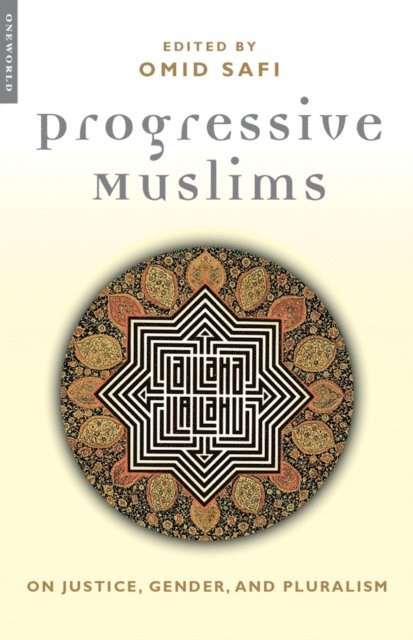
Developed in response to the events of September 11 2001, these 14 articles from prominent Muslim thinkers offer a provocative reassessment of Islam''s relationship with the modern world. Confronting issues such as racism, justice, sexuality and gender, this book reveals the real challenges faced by Muslims of both sexes in contemporary Western society. A probing, frank, and intellectually refreshing testament to the capacity of Islam for renewal, change, and growth, these articles from fifteen Muslim scholars and activists address the challenging and complex issues that confront Muslims today. Avoiding fundamentalist and apologetic approaches, the book concentrates on the key areas of debate in progressive Islamic thought: "Contemporary Islam," "Gender Justice," and "Pluralism." Articles featured include: >Khaled Abou El Fadl on reclaiming the beautiful in Islam >Farid Esack on how to define "Progressive Islam" in the wake of September 11 >Ebrahim Moosa on the debts and burdens of critical Islamic thought >Amina Wadud on issues of race and class in North American Muslim identity With further contributions on subjects as diverse and controversial as the alienation of Muslim youth; Islamic law, marriage, and feminism; and the role of democracy in Islam, this volume will prove thought-provoking for all those interested in the challenges of justice and pluralism facing the Muslim world as it confronts the twenty-first century.
Häftad, Engelska, 2003
473 kr
Skickas inom 5-8 vardagar
Developed in response to the events of September 11, 2001, these 14 articles from prominent Muslim thinkers offer a provocative reassessment of Islam's relationship with the modern world. Confronting issues such as racism, justice, sexuality and gender, this book reveals the real challenges faced by Muslims of both sexes in contemporary Western society.A probing, frank, and intellectually refreshing testament to the capacity of Islam for renewal, change, and growth, these articles from fifteen Muslim scholars and activists address the challenging and complex issues that confront Muslims today. Avoiding fundamentalist and apologetic approaches, the book concentrates on the key areas of debate in progressive Islamic thought: "Contemporary Islam," "Gender Justice," and "Pluralism."With further contributions on subjects as diverse and controversial as the alienation of Muslim youth; Islamic law, marriage, and feminism; and the role of democracy in Islam, this volume will prove thought-provoking for all those interested in the challenges of justice and pluralism facing the Muslim world as it confronts the twenty-first century.
E-bok
Arabiska, 2025109 kr
Läs direkt efter köp
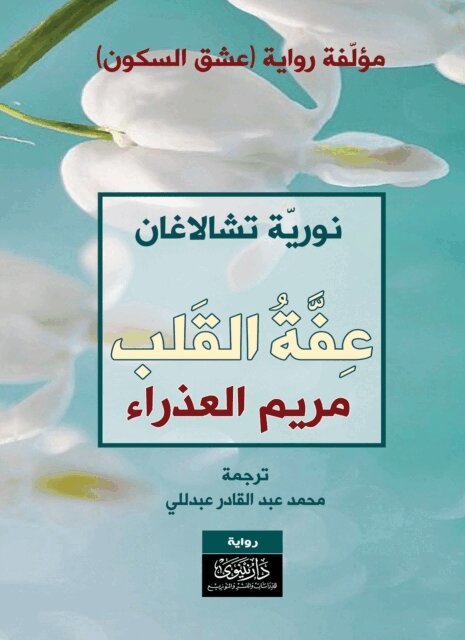
Sufis, who seek God as their beloved and cherished above all else, more than heaven, hell, or salvation, speak to Him in intimate whispers and prayers brimming with passion, called "Munajat." This collection contains the whispers of love spoken by a select few Sufis who sought God above all else and found a path to Him here and now through the love God bestowed upon His creation. We are all told that we will meet God face to face on the Day of Judgment, but these Sufis cannot wait for that hour; they want to see God''s face during their lifetimes. This collection contains poems and teachings on the path of love, trodden by Muslim sages, poets, dreamers, and lovers. This love, divine love blended with humanity, is a means of spiritual ascent for these seekers who yearn to see God here and now.