Pasqualina Laganà – författare
Visar alla böcker från författaren Pasqualina Laganà. Handla med fri frakt och snabb leverans.
8 produkter
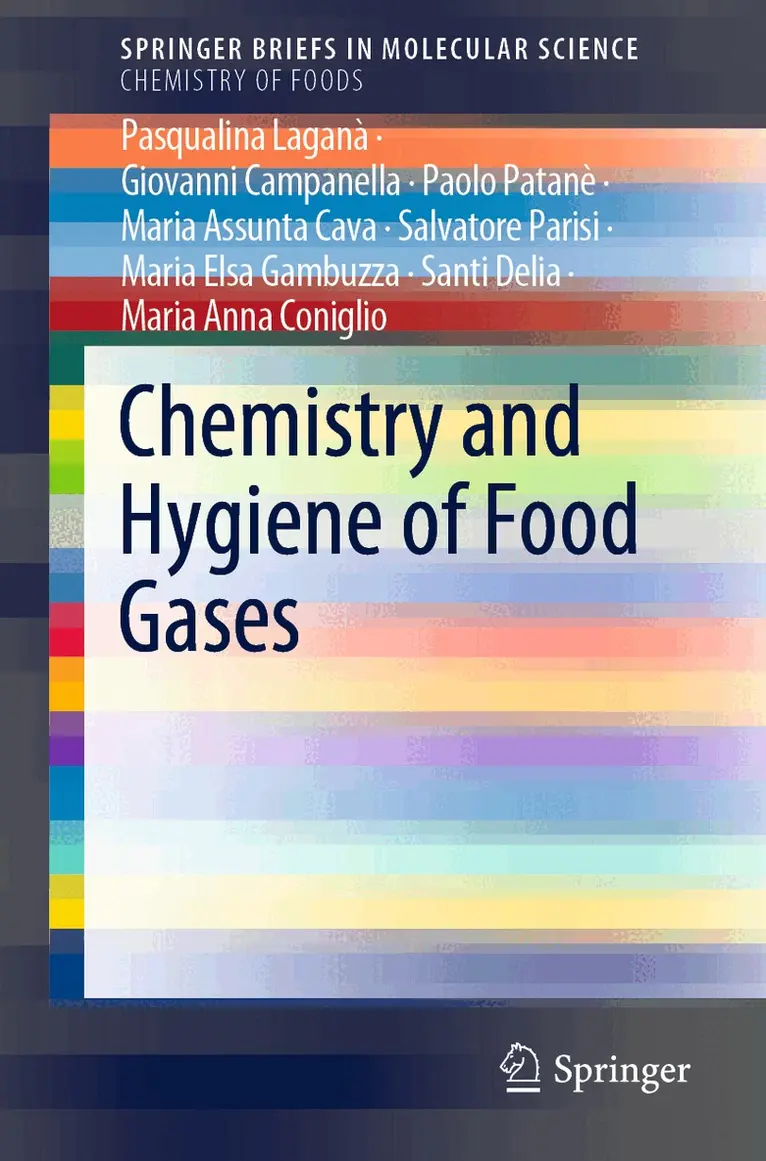
Chemistry and Hygiene of Food Gases
Av Pasqualina Laganà, Giovanni Campanella m. fl.
Häftad, 2020
507 kr
Lägg i varukorg
This book focuses on the use of food gases in the food industry, their different applications and their role in food processing, packaging and transportation. Since these gases come into contact with food, they must comply with strict of labeling, purity and hygiene standards in order to ensure …
Chemistry and Hygiene of Food Gases
Av Maria Anna Coniglio, Santi Delia m. fl.
E-bok, 2019
675 kr
Lägg i varukorg
This book focuses on the use of food gases in the food industry, their different applications and their role in food processing, packaging and transportation. Since these gases come into contact with food, they must comply with strict of labeling, purity and hygiene standards in order to ensure …
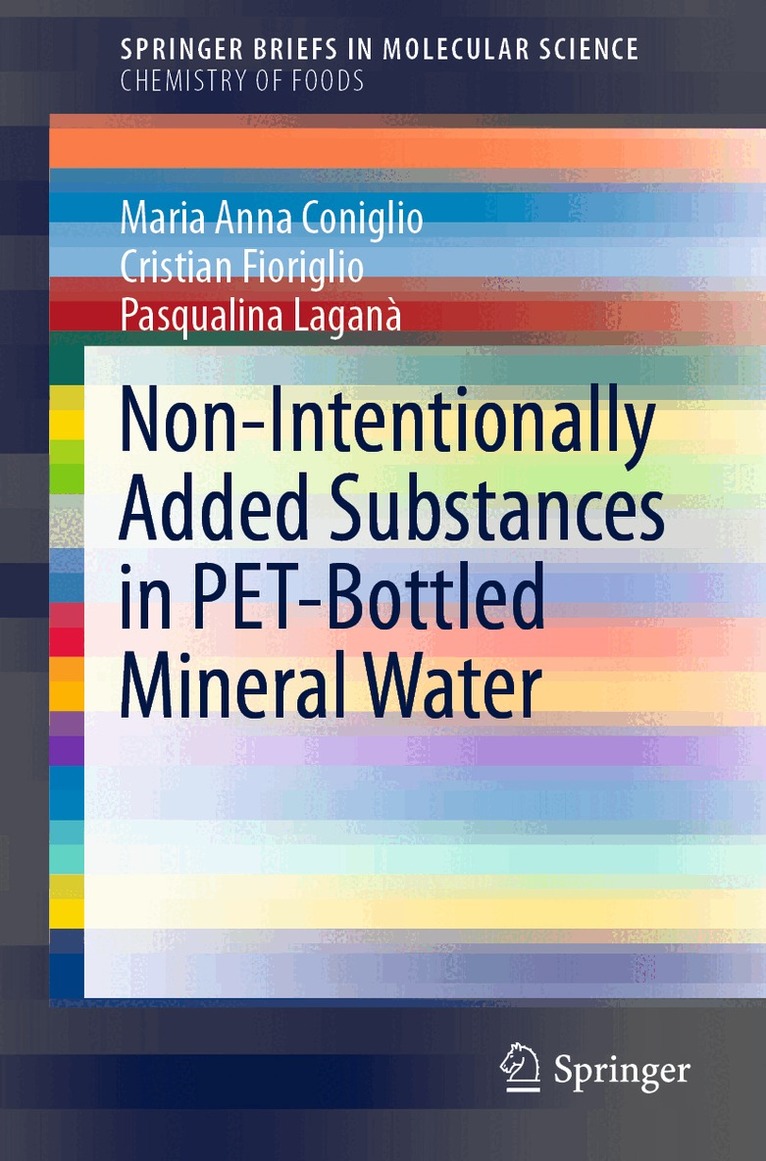
Non-Intentionally Added Substances in PET-Bottled Mineral Water
Av Maria Anna Coniglio, Cristian Fioriglio m. fl.
Häftad, 2020
567 kr
Lägg i varukorg
This book discusses a major issue in the food contact materials industry: non-intentionally added substances (NIAS), and their impact on PET-bottled water. NIAS are chemical compounds that are present in food contact materials but have not been added for technical reasons during the production …
Non-Intentionally Added Substances in PET-Bottled Mineral Water
Av Pasqualina Lagana, Cristian Fioriglio m. fl.
E-bok, 2020
675 kr
Lägg i varukorg
This book discusses a major issue in the food contact materials industry: non-intentionally added substances (NIAS), and their impact on PET-bottled water. NIAS are chemical compounds that are present in food contact materials but have not been added for technical reasons during the production …
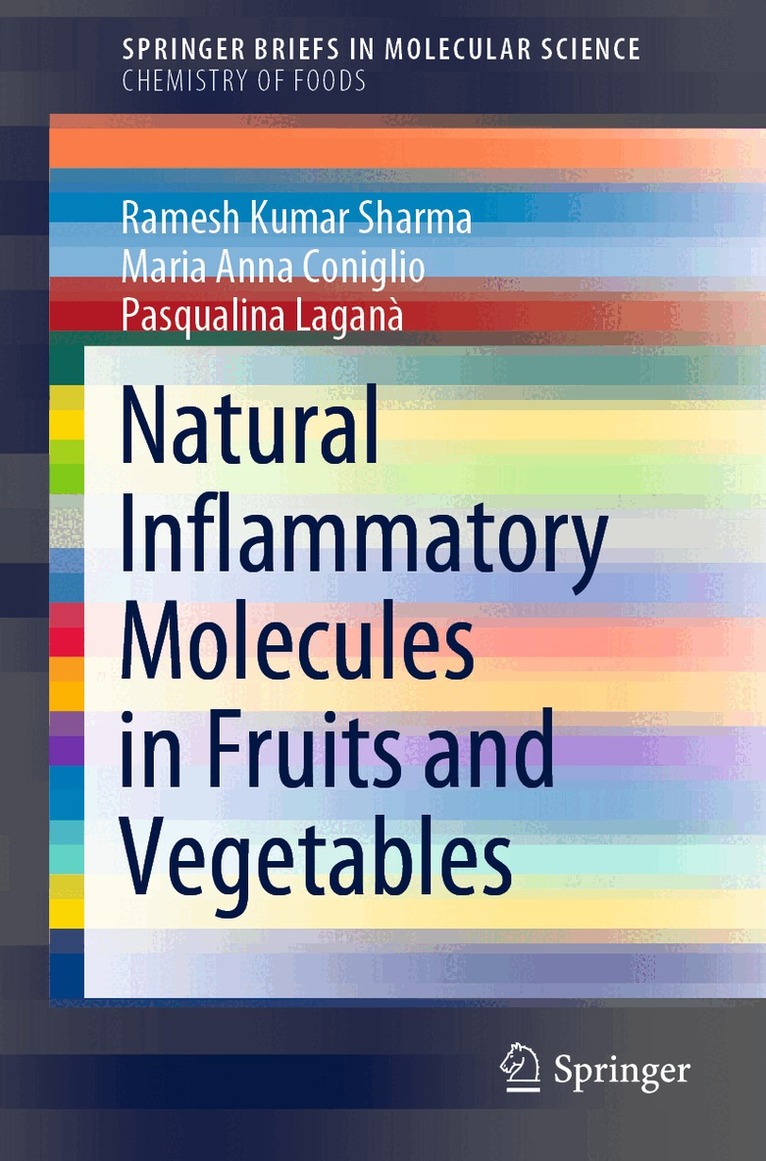
Natural Inflammatory Molecules in Fruits and Vegetables
Av Ramesh Kumar Sharma, Maria Anna Coniglio m. fl.
Häftad, 2021
679 kr
Lägg i varukorg
This book explores the role that some natural molecules found in fruits and vegetables, and their derivatives, play in excessive oxidation reactions that lead to inflammation in the human body. Particular attention is given to oxidation during food processing, especially when it comes to …
Natural Inflammatory Molecules in Fruits and Vegetables
Av Pasqualina Lagana, Maria Anna Coniglio m. fl.
E-bok, 2021
923 kr
Lägg i varukorg
This book explores the role that some natural molecules found in fruits and vegetables, and their derivatives, play in excessive oxidation reactions that lead to inflammation in the human body. Particular attention is given to oxidation during food processing, especially when it comes to …
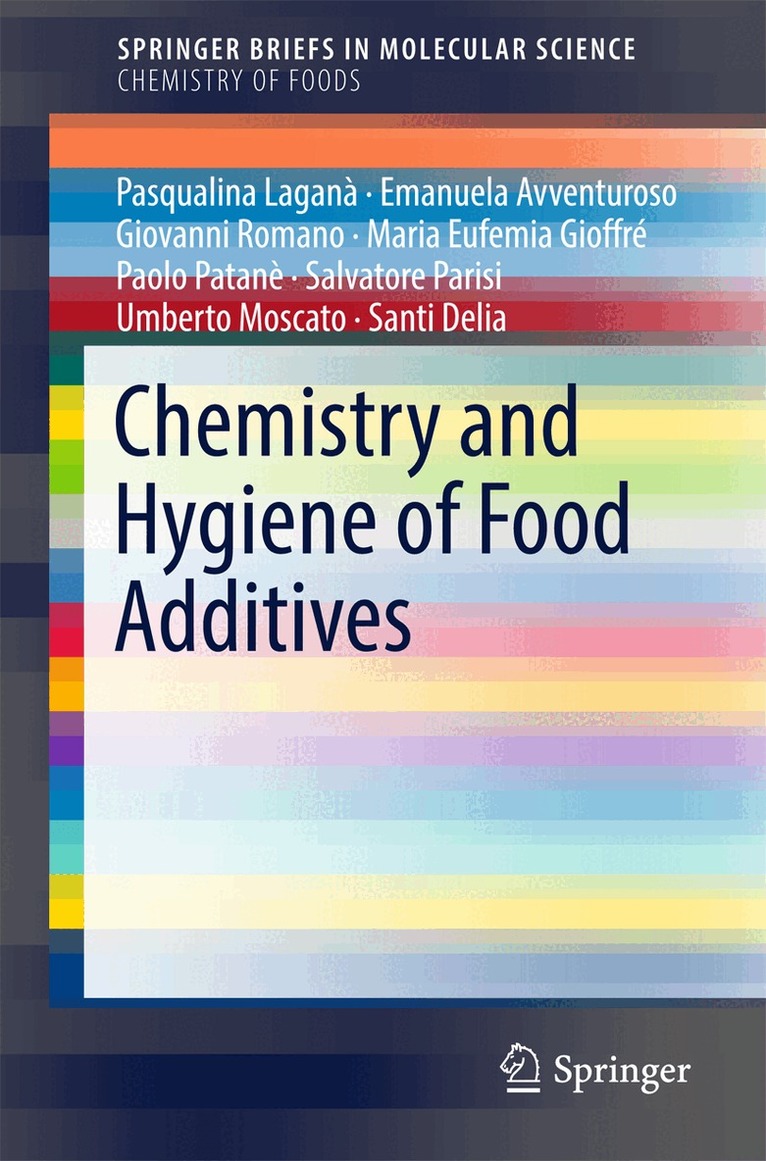
Chemistry and Hygiene of Food Additives
Av Pasqualina Laganà, Emanuela Avventuroso m. fl.
Häftad, 2017
557 kr
Lägg i varukorg
This brief addresses important aspects of food additives. Through four chapters, the authors describe the chemistry of food additives, the regulatory classification of additives on a large-scale, the risks involved in using chemicals for food preparation – including implications this has on food …
Chemistry and Hygiene of Food Additives
Av Santi Delia, Umberto Moscato m. fl.
E-bok, 2017
750 kr
Lägg i varukorg
This brief addresses important aspects of food additives. Through four chapters, the authors describe the chemistry of food additives, the regulatory classification of additives on a large-scale, the risks involved in using chemicals for food preparation – including implications this has on food …