Patricia A. Ganz – författare
Visar alla böcker från författaren Patricia A. Ganz. Handla med fri frakt och snabb leverans.
15 produkter
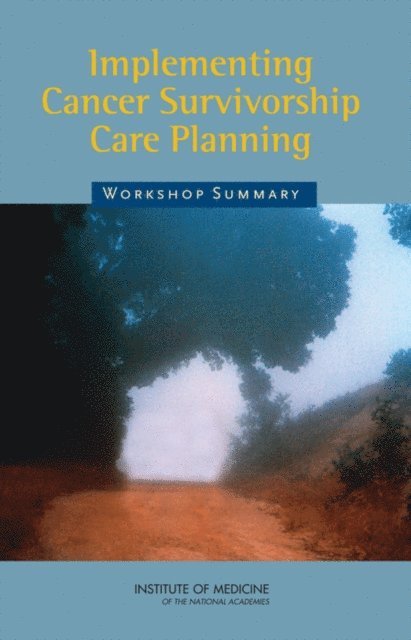
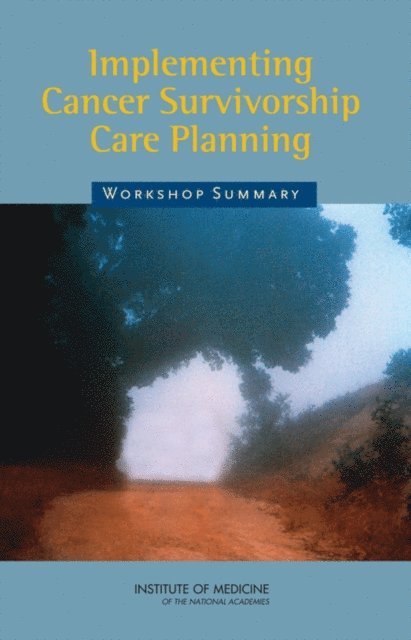
Implementing Cancer Survivorship Care Planning
Workshop Summary
Av Institute of Medicine, The Lance Armstrong Foundation m. fl.
E-bok, 2006
981 kr
Lägg i varukorg
One of the key recommendations of the joint IOM and NRC book, From Cancer Patient to Cancer Survivor: Lost in Transition , is that patients completing their primary treatment for cancer be given a summary of their treatment and a comprehensive plan for follow-up. This book answers practical …
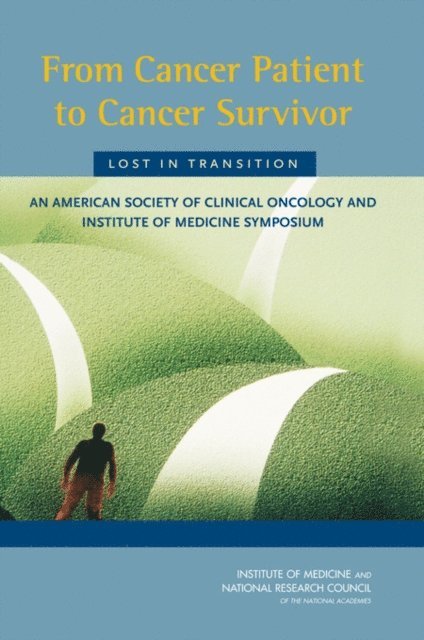
From Cancer Patient to Cancer Survivor: Lost in Transition
An American Society of Clinical Oncology and Institute of Medicine Symposium
Av Institute of Medicine, National Research Council m. fl.
E-bok, 2006
642 kr
Lägg i varukorg
This report of the proceedings of a symposium held in conjunction with the release of the IOM report, From Cancer Patient to Cancer Survivor: Lost in Transition, represents an effort on the part of the American Society of Clinical Oncology (ASCO), the National Coalition for Cancer Survivorship …
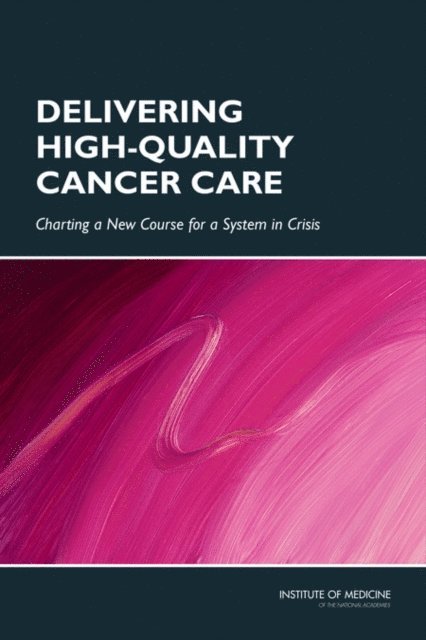
Delivering High-Quality Cancer Care
Charting a New Course for a System in Crisis
Av Committee on Improving the Quality of Cancer Care: Addressing the Challenges of an Aging Population, Board on Health Care Services m. fl.
E-bok, 2013
981 kr
Lägg i varukorg
In the United States, approximately 14 million people have had cancer and more than 1.6 million new cases are diagnosed each year. However, more than a decade after the Institute of Medicine (IOM) first studied the quality of cancer care, the barriers to achieving excellent care for all cancer …
From Cancer Patient to Cancer Survivor: Lost in Transition
An American Society of Clinical Oncology and Institute of Medicine Symposium
Av Institute of Medicine, National Research Council m. fl.
E-bok, 2006
607 kr
Lägg i varukorg
This report of the proceedings of a symposium held in conjunction with the release of the IOM report, From Cancer Patient to Cancer Survivor: Lost in Transition, represents an effort on the part of the American Society of Clinical Oncology (ASCO), the National Coalition for Cancer Survivorship …
Implementing Cancer Survivorship Care Planning
Workshop Summary
Av Institute of Medicine, The Lance Armstrong Foundation m. fl.
E-bok, 2006
892 kr
Lägg i varukorg
One of the key recommendations of the joint IOM and NRC book, From Cancer Patient to Cancer Survivor: Lost in Transition , is that patients completing their primary treatment for cancer be given a summary of their treatment and a comprehensive plan for follow-up. This book answers practical …
Oncology
An Evidence-Based Approach
Av Alfred E. Chang, Patricia A. Ganz m. fl.
2005
2654 kr
Lägg i varukorg
Oncology: An Evidence-Based Approach is a textbook designed to reflect the principles and current practice of oncology with contributors from the fields of medical, surgical, and radiation oncology. The textbook will incorporate an evidence-based approach, enabling the reader to make decisions on …
Oncology
An Evidence-Based Approach
Av Victor Strecher, Richard M. Stone m. fl.
E-bok, 2007
3013 kr
Lägg i varukorg
Oncology: An Evidence-Based Approach is a textbook designed to reflect the principles and current practice of oncology with contributors from the fields of medical, surgical, and radiation oncology. The textbook will incorporate an evidence-based approach, enabling the reader to make decisions on …
Cancer Survivorship
Today and Tomorrow
Häftad, 2007
1017 kr
Lägg i varukorg
ancer survivors have increased in number more than threefold over the last 30 years to the current level of 10 million and growing. Among patients diagnosed today, nearly Ctwo-thirds are expected to survive 5 or more years. This success may be attributed to the expertise of physicians and nurses …
Cancer Survivorship
Today and Tomorrow
E-bok, 2007
1335 kr
Lägg i varukorg
ancer survivors have increased in number more than threefold over the last 30 years to the current level of 10 million and growing. Among patients diagnosed today, nearly Ctwo-thirds are expected to survive 5 or more years. This success may be attributed to the expertise of physicians and nurses …
Health Services for Cancer Survivors
Practice, Policy and Research
Av Michael Feuerstein, Patricia A. Ganz
Inbunden, 2011
1690 kr
Lägg i varukorg
Health has been conceptualized by world and national health organizations (WHO, CDC, Healthy People 2010) as more than the absence of disease. It involves a focus on physical, psychosocial, and functional aspects of life as well as the prevention of future illnesses. At this point in the …
Health Services for Cancer Survivors
Practice, Policy and Research
Av Patricia A. Ganz, Michael Feuerstein
E-bok, 2011
2127 kr
Lägg i varukorg
Health has been conceptualized by world and national health organizations (WHO, CDC, Healthy People 2010) as more than the absence of disease. It involves a focus on physical, psychosocial, and functional aspects of life as well as the prevention of future illnesses. At this point in the …
Health Services for Cancer Survivors
Practice, Policy and Research
Av Michael Feuerstein, Patricia A. Ganz
Häftad, 2014
1690 kr
Lägg i varukorg
Health has been conceptualized by world and national health organizations (WHO, CDC, Healthy People 2010) as more than the absence of disease. It involves a focus on physical, psychosocial, and functional aspects of life as well as the prevention of future illnesses. At this point in the …
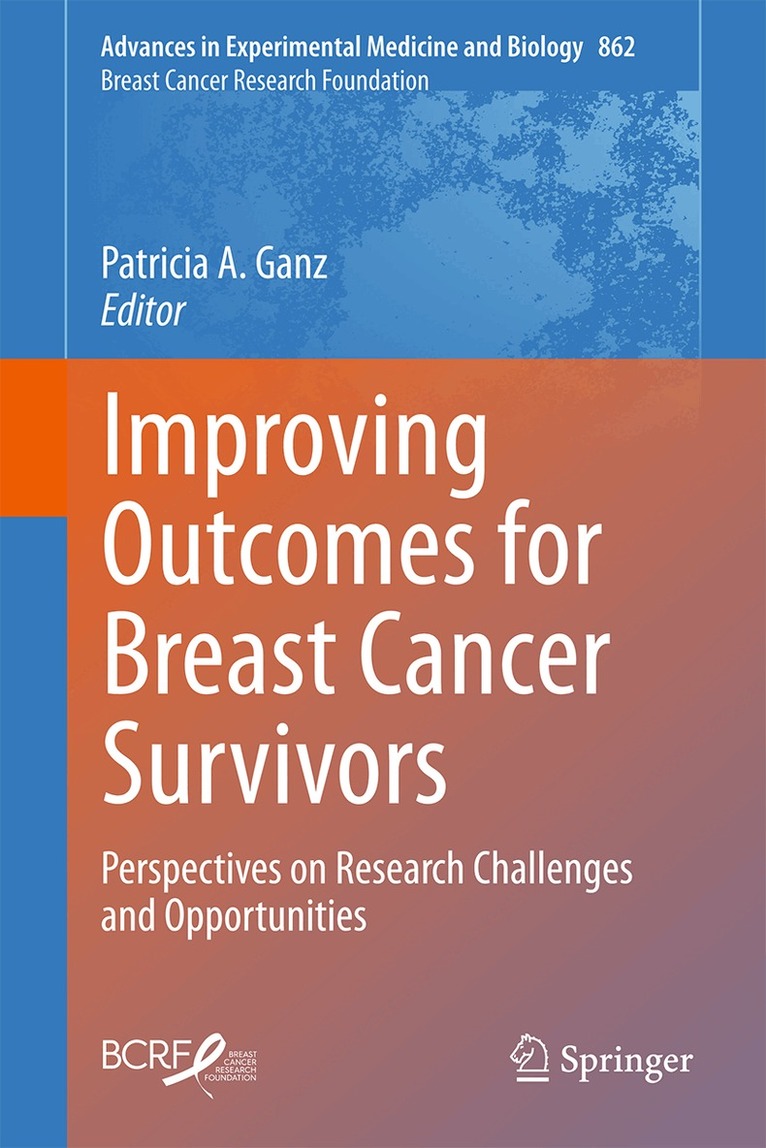
Improving Outcomes for Breast Cancer Survivors
Perspectives on Research Challenges and Opportunities
Inbunden, 2015
1129 kr
Lägg i varukorg
In collaboration with the Breast Cancer Research Foundation (BCRF), this timely volume provides a comprehensive review on all areas of breast cancer survivorship research, highlighting research that is underway or in development. The range of topics covered include the biology and management of …
Improving Outcomes for Breast Cancer Survivors
Perspectives on Research Challenges and Opportunities
E-bok, 2015
1470 kr
Lägg i varukorg
In collaboration with the Breast Cancer Research Foundation (BCRF), this timely volume provides a comprehensive review on all areas of breast cancer survivorship research, highlighting research that is underway or in development. The range of topics covered include the biology and management of …
Improving Outcomes for Breast Cancer Survivors
Perspectives on Research Challenges and Opportunities
Häftad, 2016
1129 kr
Lägg i varukorg
In collaboration with the Breast Cancer Research Foundation (BCRF), this timely volume provides a comprehensive review on all areas of breast cancer survivorship research, highlighting research that is underway or in development. The range of topics covered include the biology and management of …