Patrick Fridenson – författare
Visar alla böcker från författaren Patrick Fridenson. Handla med fri frakt och snabb leverans.
17 produkter
New Perspectives on 20th Century European Retailing
Av Peter Scott, Patrick Fridenson
Inbunden, 2021
2586 kr
Lägg i varukorg
Despite the publication of several studies examining European retailing in relation to the USA, there is still a dearth of recent research, in English, that explores the development of retailing in specific European countries (with the obvious exception of Britain), over the twentieth century. Even …
New Perspectives on 20th Century European Retailing
Av Peter Scott, Patrick Fridenson
Häftad, 2023
712 kr
Lägg i varukorg
Despite the publication of several studies examining European retailing in relation to the USA, there is still a dearth of recent research, in English, that explores the development of retailing in specific European countries (with the obvious exception of Britain), over the twentieth century. Even …
French Home Front, 1914-1918
Inbunden, 1993
2044 kr
Lägg i varukorg
In this exceptional study, the author goes beyond the sphere of party politics to explore the industrial aspects of French wartime history.
French Home Front, 1914-1918
Häftad, 1993
618 kr
Lägg i varukorg
In this exceptional study, the author goes beyond the sphere of party politics to explore the industrial aspects of French wartime history.
New Perspectives on 20th Century European Retailing
Av Patrick Fridenson, Peter Scott
E-bok, 2021
820 kr
Lägg i varukorg
Despite the publication of several studies examining European retailing in relation to the USA, there is still a dearth of recent research, in English, that explores the development of retailing in specific European countries (with the obvious exception of Britain), over the twentieth century. Even …
New Perspectives on 20th Century European Retailing
Av Patrick Fridenson, Peter Scott
E-bok, 2021
838 kr
Lägg i varukorg
Despite the publication of several studies examining European retailing in relation to the USA, there is still a dearth of recent research, in English, that explores the development of retailing in specific European countries (with the obvious exception of Britain), over the twentieth century. Even …
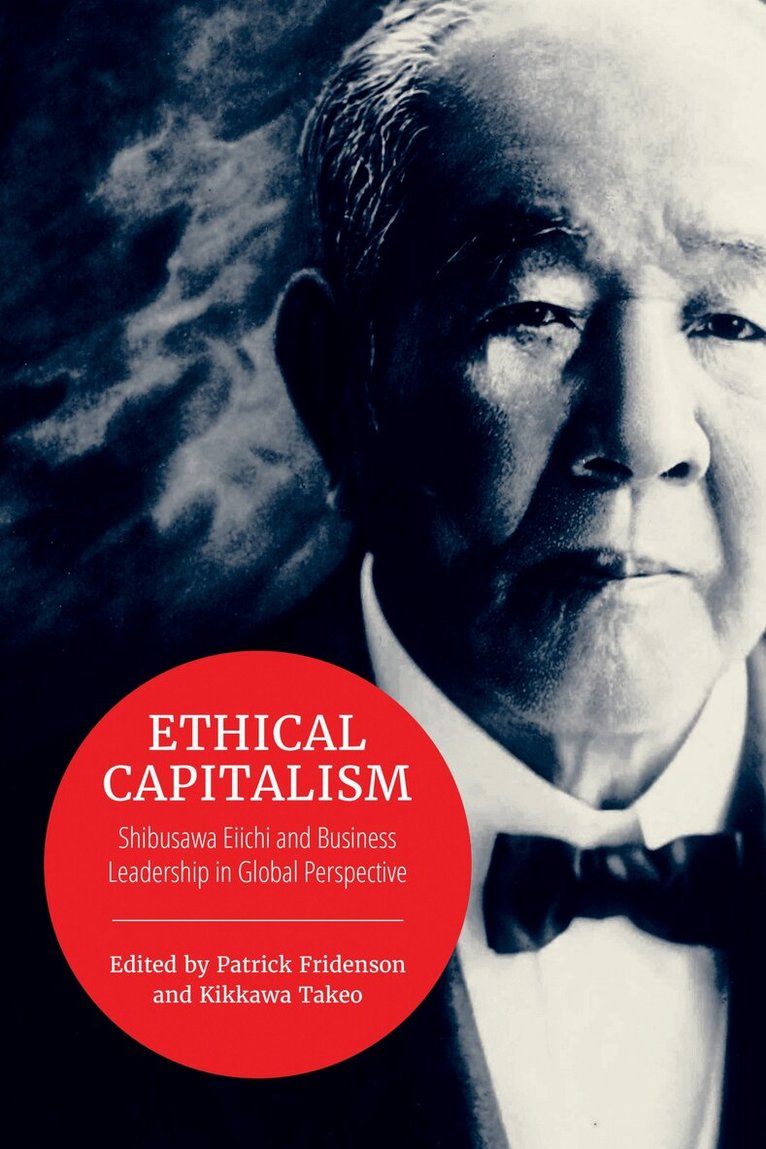
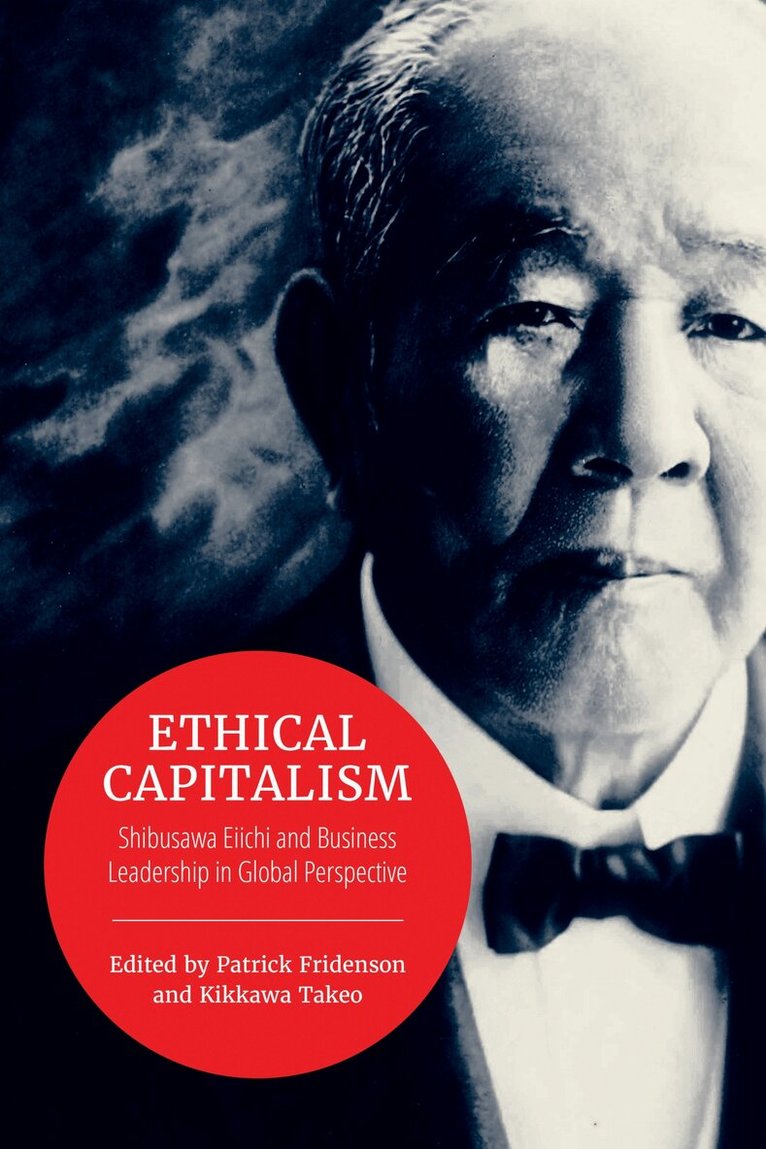
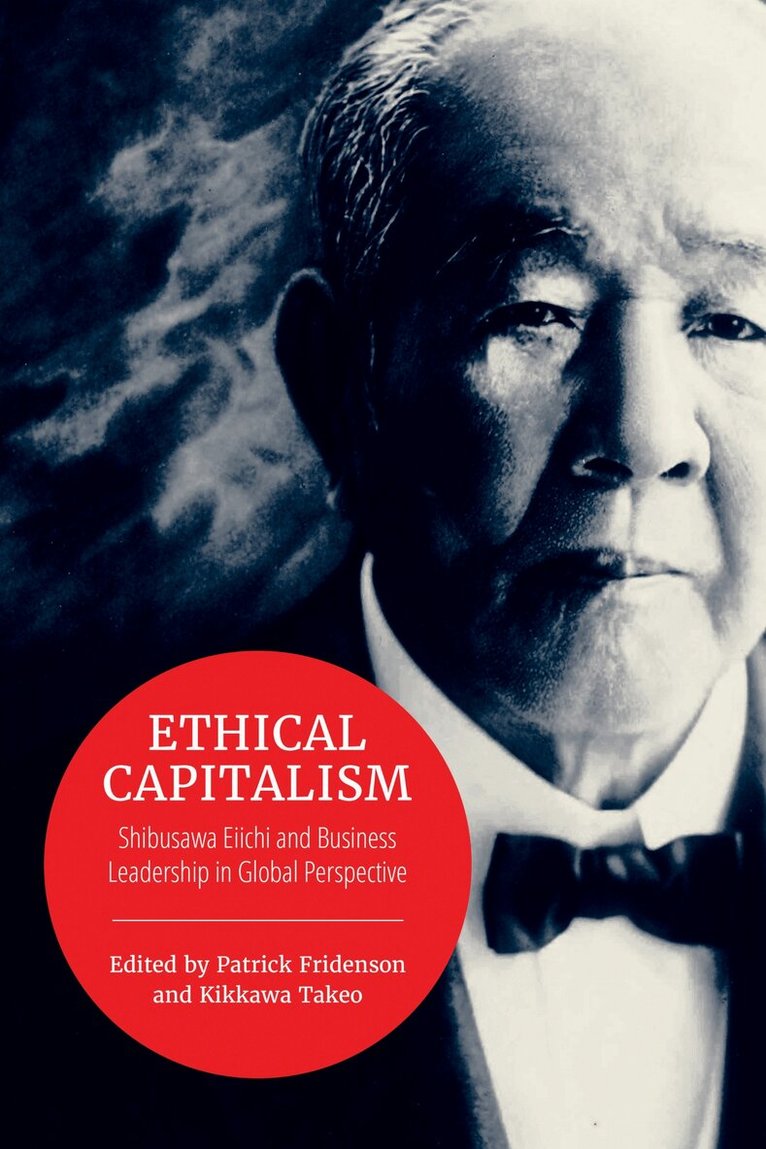
Ethical Capitalism
Shibusawa Eiichi and Business Leadership in Global Perspective
Av Patrick Fridenson, Kikkawa Takeo
E-bok, 2017
453 kr
Lägg i varukorg
Shibusawa Eiichi (1840–1931) was a Japanese banker and industrialist who spearheaded the modernization of Japanese industry and finance during the Meji Restoration. He founded the first modern bank in Japan and his reforms introduced double entry accounting and joint-stock corporations to the …
Ethical Capitalism
Shibusawa Eiichi and Business Leadership in Global Perspective
Av Patrick Fridenson, Kikkawa Takeo
E-bok, 2017
453 kr
Lägg i varukorg
Shibusawa Eiichi (1840–1931) was a Japanese banker and industrialist who spearheaded the modernization of Japanese industry and finance during the Meji Restoration. He founded the first modern bank in Japan and his reforms introduced double entry accounting and joint-stock corporations to the …
Ethical Capitalism
Shibusawa Eiichi and Business Leadership in Global Perspective
Av Patrick Fridenson, Kikkawa Takeo
Häftad, 2017
354 kr
Lägg i varukorg
Shibusawa Eiichi (1840–1931) was a Japanese banker and industrialist who spearheaded the modernization of Japanese industry and finance during the Meji Restoration. He founded the first modern bank in Japan and his reforms introduced double entry accounting and joint-stock corporations to the …
Le Capitalisme français (XIXe-XXe siècle): Blocages et dynamismes d'une croissance
Av Patrick Fridenson, André Straus
Häftad, 2018
797 kr
Lägg i varukorg
France and the Age of Work (1814-2004) / La France et le Temps de travail (1814-2004)
Av Patrick Fridenson, Bénédicte Reynaud
Häftad, 2004
608 kr
Lägg i varukorg
La France et le temps de travail (1814-2004)
Av Benedicte Reynaud, Patrick Fridenson
E-bok, 2004
204 kr
Lägg i varukorg
Pourquoi les 35 heures suscitent-elles tant de polémiques ? Ceux qui sont pour savent bien qu’elles n’ont pas résorbé le chômage. Ceux qui sont contre n’ignorent pas qu’elles ont changé la vie. Pour éclairer le débat, ce livre le met en perspective dans la longue durée historique. Il montre comment …
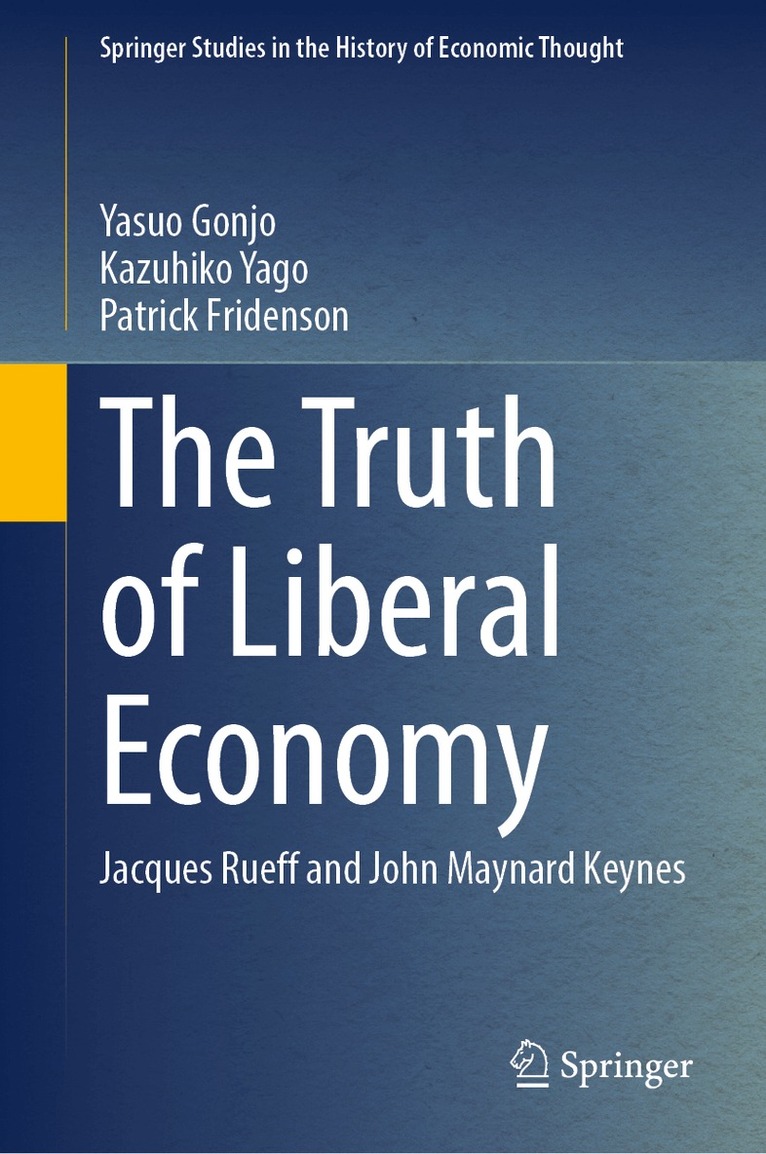
Truth of Liberal Economy
Jacques Rueff and John Maynard Keynes
Av Yasuo Gonjo, Kazuhiko Yago m. fl.
Inbunden, 2023
1249 kr
Lägg i varukorg
This book provides historical, theoretical, and biographical perspectives on two giants of contemporary economics, Jacques Rueff (1896-1978) and John Maynard Keynes (1883-1946). The former French bureaucrat and academician championed classical economics; the latter British economist founded …
Truth of Liberal Economy
Jacques Rueff and John Maynard Keynes
Av Patrick Fridenson, Kazuhiko Yago m. fl.
E-bok, 2023
1642 kr
Lägg i varukorg
This book provides historical, theoretical, and biographical perspectives on two giants of contemporary economics, Jacques Rueff (1896-1978) and John Maynard Keynes (1883-1946). The former French bureaucrat and academician championed classical economics; the latter British economist founded …
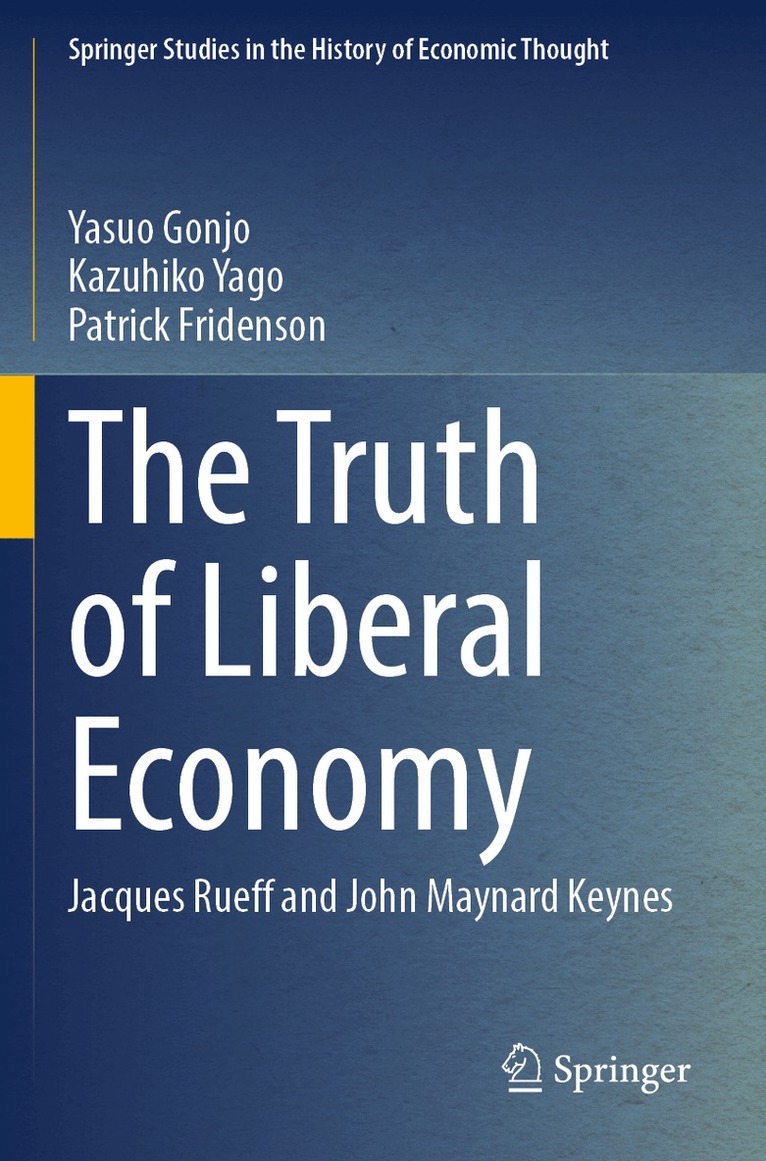
Truth of Liberal Economy
Jacques Rueff and John Maynard Keynes
Av Yasuo Gonjo, Kazuhiko Yago m. fl.
Häftad, 2024
1249 kr
Lägg i varukorg
This book provides historical, theoretical, and biographical perspectives on two giants of contemporary economics, Jacques Rueff (1896-1978) and John Maynard Keynes (1883-1946). The former French bureaucrat and academician championed classical economics; the latter British economist founded …
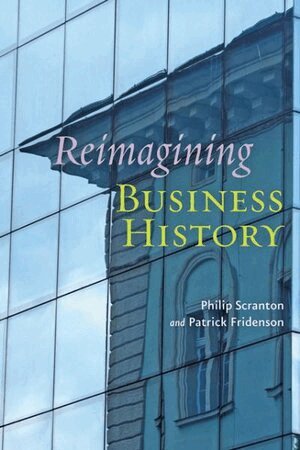
Reimagining Business History
Av Philip Scranton, Patrick Fridenson
Inbunden, 2013
537 kr
Tillfälligt slut
Business history needs a shake-up, Philip Scranton and Patrick Fridenson argue, as many businesses go global and cultural contexts become critical. "Reimagining Business History" prods practitioners to take new approaches to entrepreneurial intentions, company scale, corporate strategies, local …
Reimagining Business History
Av Philip Scranton, Patrick Fridenson
Häftad, 2013
282 kr
Tillfälligt slut
Business history needs a shake-up, Philip Scranton and Patrick Fridenson argue, as many businesses go global and cultural contexts become critical. "Reimagining Business History" prods practitioners to take new approaches to entrepreneurial intentions, company scale, corporate strategies, local …