Paul Robert Magocsi – författare
Visar alla böcker från författaren Paul Robert Magocsi. Handla med fri frakt och snabb leverans.
26 produkter
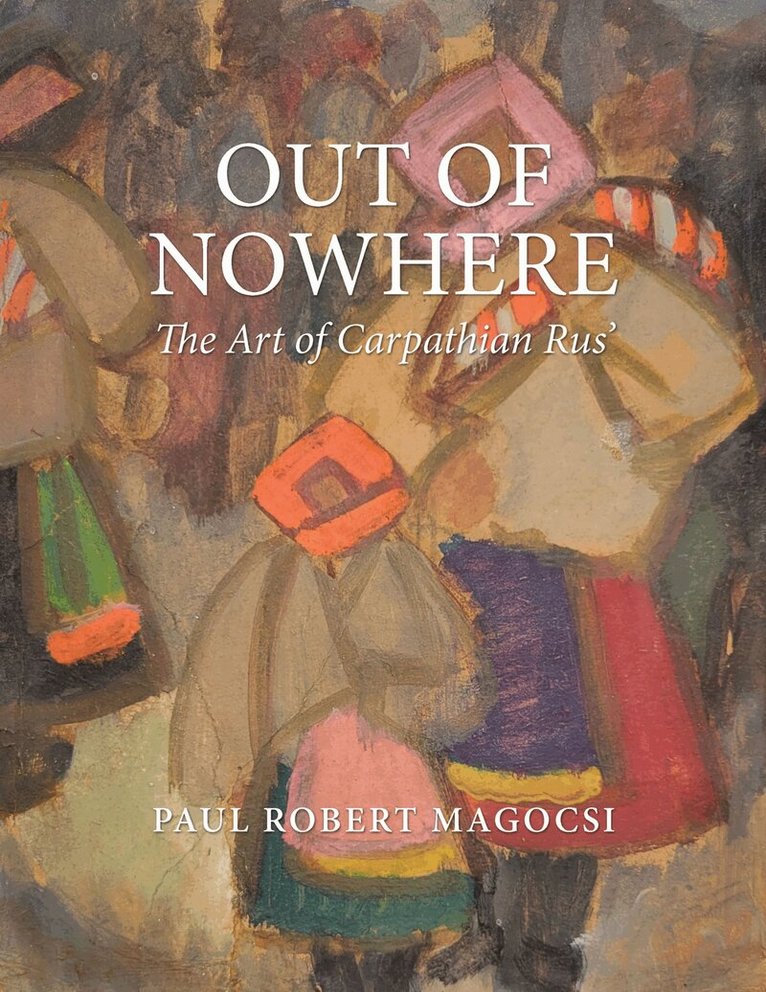
Out of Nowhere
The Art of Carpathian Rus'
Inbunden, 2026
771 kr
Lägg i varukorg
Out of Nowhere is an exploration of the remarkable yet virtually unknown body of art that has emerged out of a historic region in the geographical heart of Europe known as Carpathian Rus’, or simply Ruthenia. Carpathian Rus’ straddles the present-day borders of Poland, Slovakia, and Ukraine and …
Out of Nowhere
The Art of Carpathian Rus'
E-bok, 2026
910 kr
Lägg i varukorg
Out of Nowhere is an exploration of the remarkable yet virtually unknown body of art that has emerged out of a historic region in the geographical heart of Europe known as Carpathian Rus', or simply Ruthenia. Carpathian Rus' straddles the present-day borders of Poland, Slovakia, and Ukraine and …
Out of Nowhere
The Art of Carpathian Rus'
E-bok, 2026
940 kr
Lägg i varukorg
Out of Nowhere is an exploration of the remarkable yet virtually unknown body of art that has emerged out of a historic region in the geographical heart of Europe known as Carpathian Rus', or simply Ruthenia. Carpathian Rus' straddles the present-day borders of Poland, Slovakia, and Ukraine and …
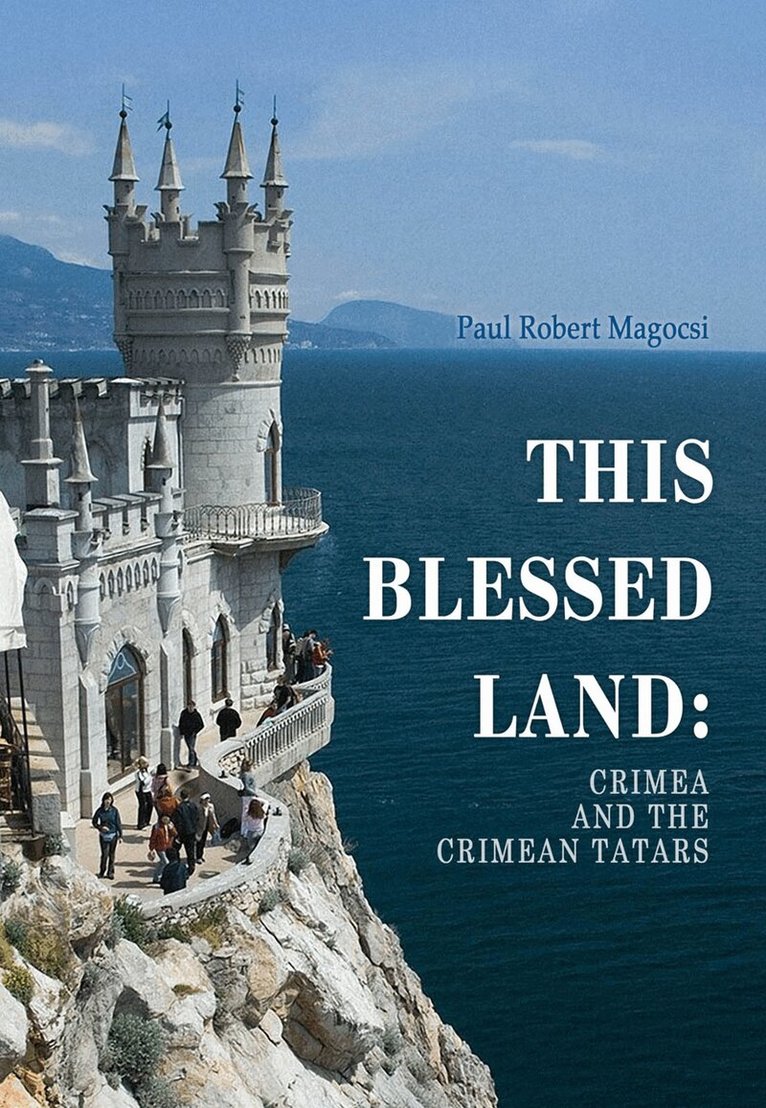
This Blessed Land
Crimea and the Crimean Tatars
Inbunden, 2014
360 kr
Lägg i varukorg
A virtual island in the Black Sea, Crimea is connected to the European continent by only a narrow sliver of land. For centuries it was part of the Ottoman and Russian empires, then the Soviet Union, and today independent Ukraine. But its history goes back even farther, as is evident from a …
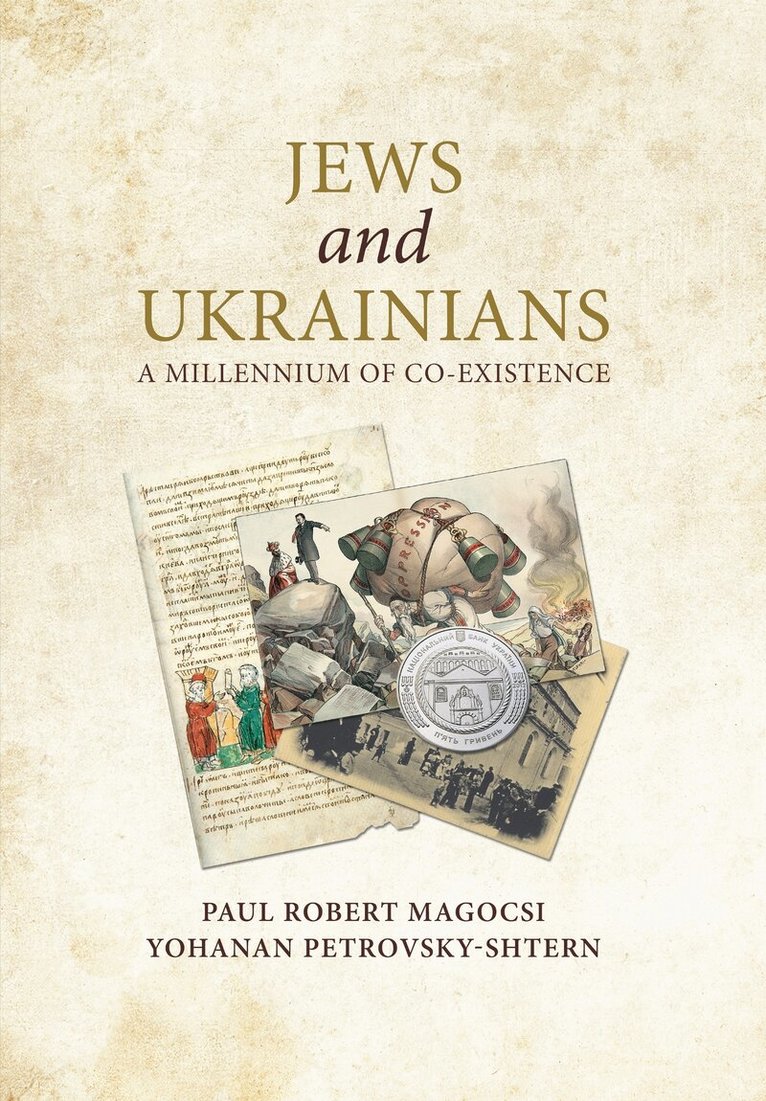
Jews and Ukrainians
A Millennium of Co-Existence
Av Paul Robert Magocsi, Yohanan Petrovsky-Shtern
Inbunden, 2016
506 kr
Lägg i varukorg
There is much that ordinary Ukrainians do not know about Jews and that ordinary Jews do not know about Ukrainians. As a result, those Jews and Ukrainians who may care about their respective ancestral heritages usually view each other through distorted stereotypes, misperceptions, and biases. This …
Babyn Yar
History and Memory
Av Vladyslav Hrynevych, Paul Robert Magocsi
Inbunden, 2023
411 kr
Lägg i varukorg
The twentieth century was filled with many tragedies. During the Second World War, Babyn Yar – a ravine outside Kyiv where victims were shot dead and dumped into pits – became a prominent symbol of the destruction of the European Jews during the Holocaust. This deadly process began in September …
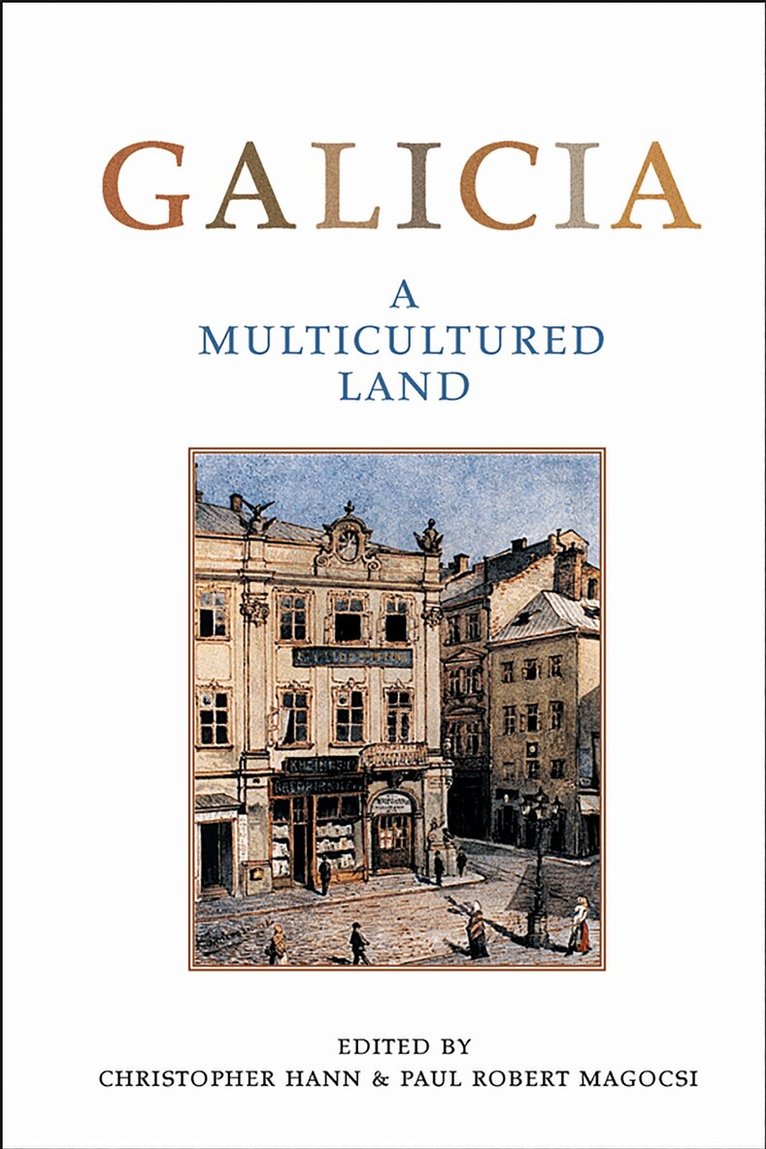
Galicia
A Multicultured Land
Av Christopher Hann, Paul Robert Magocsi
Häftad, 2005
540 kr
Lägg i varukorg
Habsburg Galicia was an area in central Europe covering territory presently occupied by Poland and Ukraine that was distinctive for its multi-ethnic character. With the unraveling of the Austro-Hungarian Empire following the First World War, a new political map of Europe emerged, one based on the …
Aboriginal Peoples of Canada
A Short Introduction
Häftad, 2002
441 kr
Lägg i varukorg
Canada's Aboriginal Peoples: A Short Introduction fills a previously overlooked gap by providing the first comprehensive overview of Canada's First Nations people. Drawn from the highly successful Encyclopedia of Canada's Peoples it offers extensive coverage of Canada's aboriginal peoples, …
Carpatho–Rusyn Studies – An Annotated Biliography, Bibliography, 2005–2009
Av Paul Robert Magocsi, Paul Robert Magocsi
Inbunden, 2011
538 kr
Lägg i varukorg
This fourth volume includes 743 entries listing books, articles, and chapters in books published between 2000 and 2004 that concern various aspects of the Carpatho-Rusyns wherever they may live. Each entry includes full bibliographical data, followed by extended annotation. Journals that focus on …
Carpatho–Rusyn Studies – An Annotated Bibliography, 2005–2009
Av Paul Robert Magocsi, Paul Robert Magocsi
Inbunden, 2013
538 kr
Lägg i varukorg
The fifth volume of Carpatho-Rusyn Studies follows the same format as previous volumes. It includes nearly 800 entries listing books, articles in journals, and chapters in books published during the years 2004 through 2009, and which deal with various aspects of Carpathian Rus' in Europe and of …
History of Ukraine
The Land and Its Peoples, Second Edition
Häftad, 2010
658 kr
Lägg i varukorg
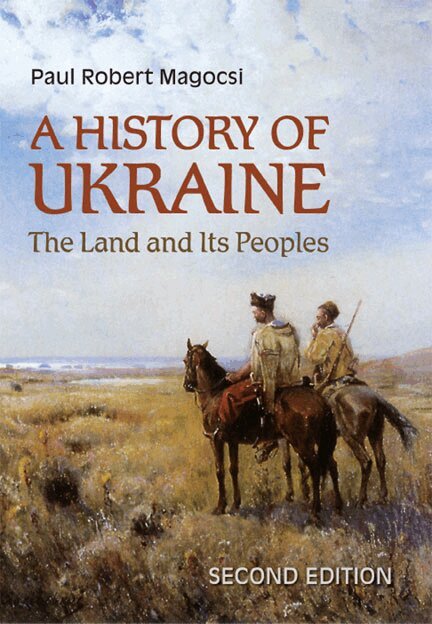
First published in 1996, A History of Ukraine quickly became the authoritative account of the evolution of Europe's second largest country. In this fully revised and expanded second edition, Paul Robert Magocsi examines recent developments in the country's history and uses new scholarship in order …
Roots of Ukrainian Nationalism
Galicia As Ukraine's Piedmont
Häftad, 2011
372 kr
Lägg i varukorg
To the surprise of many, the Soviet Union ceased to exist in 1991, and out of its ruins arose an independent Ukraine. This was a remarkable achievement, and one that owed much to activities in Galicia, as Paul Robert Magocsi reveals here.Magocsi begins with a brief historical survey of Galicia, …
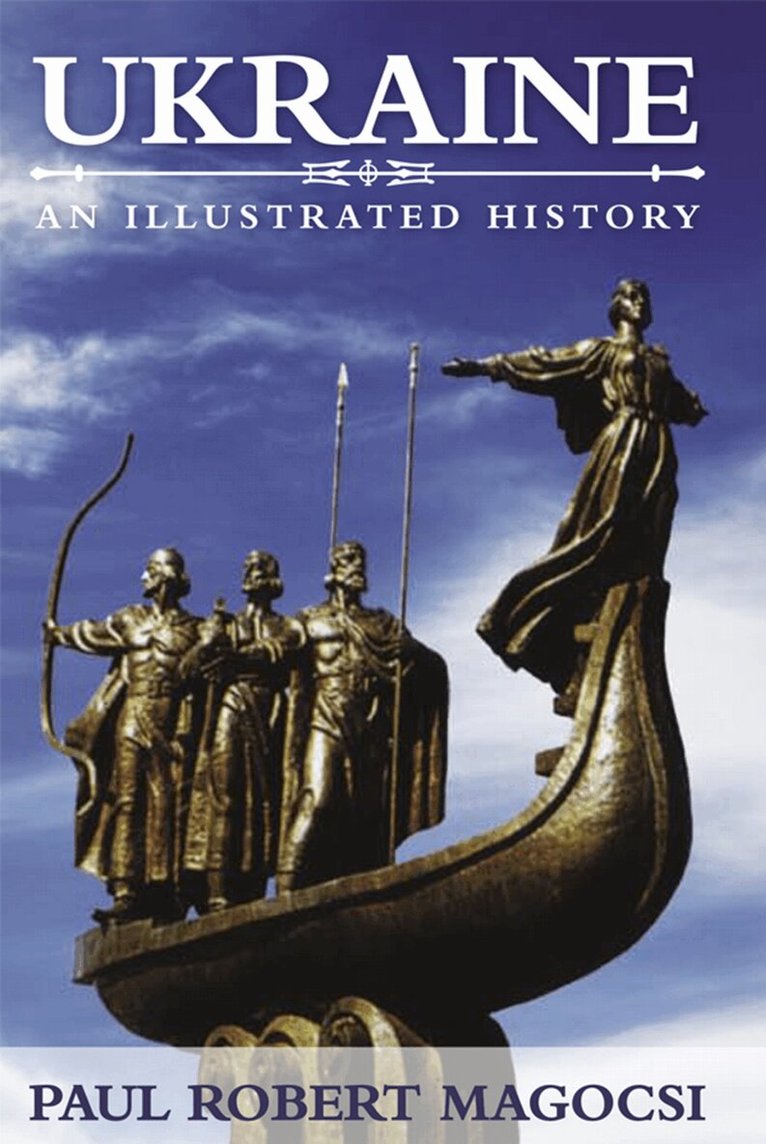
Ukraine
An Illustrated History
E-bok, 2007
655 kr
Lägg i varukorg
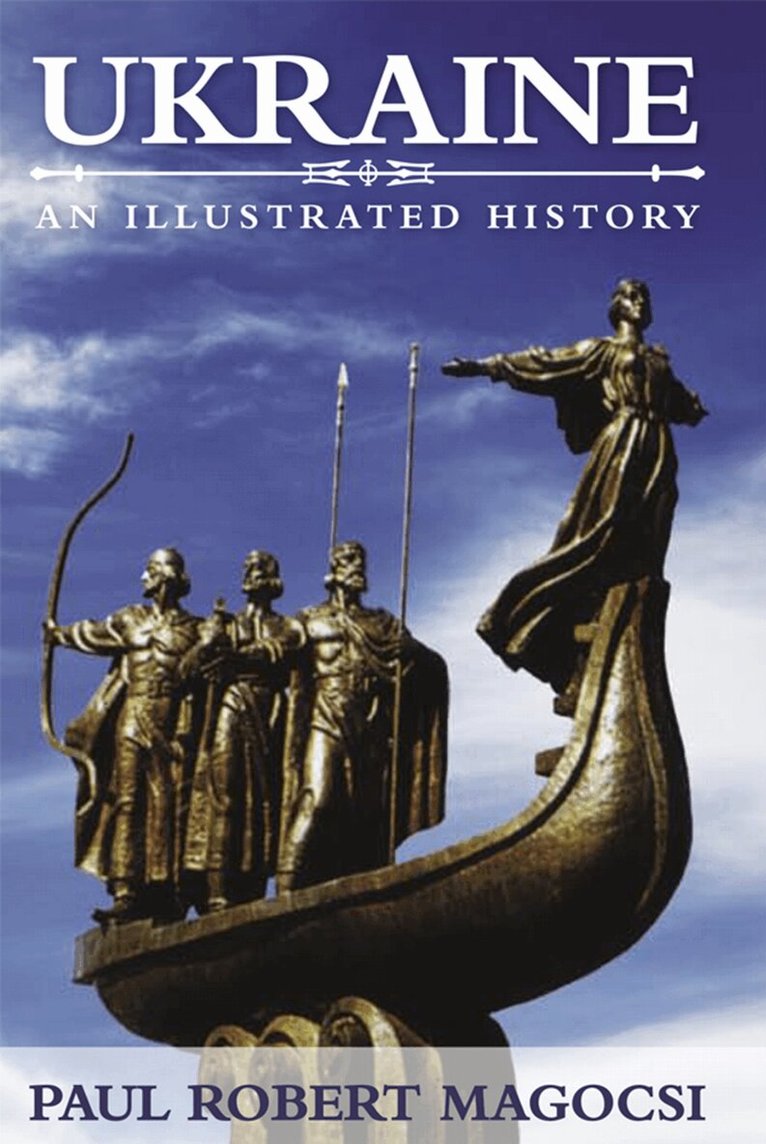
Ukraine is Europe's second state and this lavishly illustrated volume provides a concise and easy to read historical survey of the country from earliest times to the present. Each of the book's forty-six chapters is framed by a historical map, which graphically depicts the key elements of the …
Ukraine
An Illustrated History
E-bok, 2007
655 kr
Lägg i varukorg
Ukraine is Europe's second state and this lavishly illustrated volume provides a concise and easy to read historical survey of the country from earliest times to the present. Each of the book's forty-six chapters is framed by a historical map, which graphically depicts the key elements of the …
Ukraine
An Illustrated History
Häftad, 2014
484 kr
Lägg i varukorg
Ukraine is Europe's second state and this lavishly illustrated volume provides a concise and easy to read historical survey of the country from earliest times to the present. Each of the book's forty-six chapters is framed by a historical map, which graphically depicts the key elements of the …
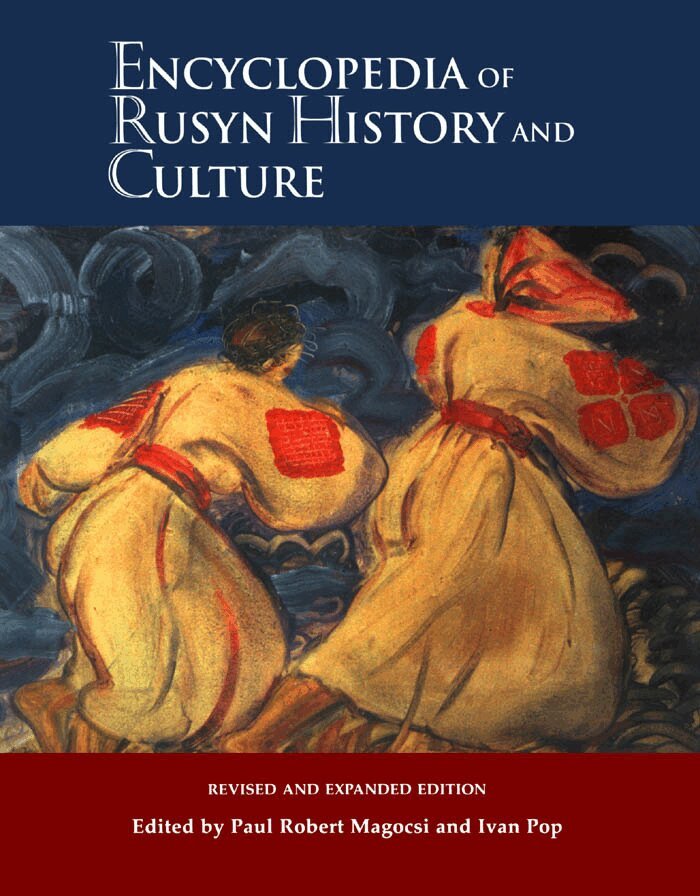
Encyclopedia of Rusyn History and Culture
Av Paul Robert Magocsi, Ivan Pop
E-bok, 2005
1779 kr
Lägg i varukorg
The Carpatho-Rusyns are central European people, numbering approximately 1.2 million, who live within the borders of five states: Poland, Slovakia, Ukraine, Romania, and Hungary. They have never had a state of their own. Disregarded and suppressed by most governments that ruled over them in the …
Galicia
A Historical Survey and Bibliographic Guide
E-bok, 1990
900 kr
Lägg i varukorg
Galicia, an eastern European region that has been ruled by Poland, Austria, and the USSR at various times, has played an important and often crucial role in the Ukrainian historical development. This is the first comprehensive bibliographic guide to its history.The over-all arrangement is …
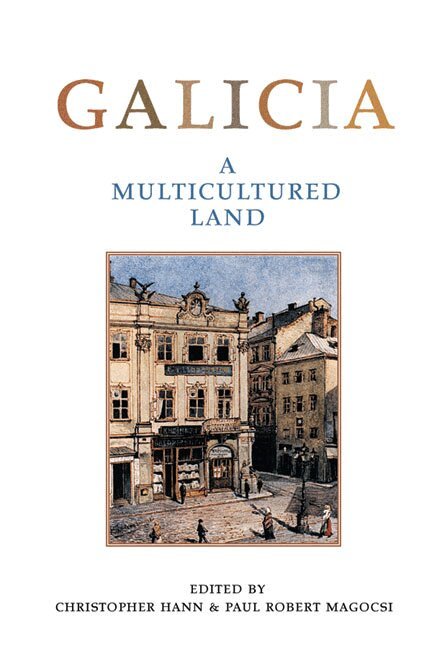
Galicia
A Multicultured Land
Av Christopher Hann, Paul Robert Magocsi
E-bok, 2005
705 kr
Lägg i varukorg
Habsburg Galicia was an area in central Europe covering territory presently occupied by Poland and Ukraine that was distinctive for its multi-ethnic character. With the unraveling of the Austro-Hungarian Empire following the First World War, a new political map of Europe emerged, one based on the …
Roots of Ukrainian Nationalism
Galicia As Ukraine's Piedmont
E-bok, 2002
1058 kr
Lägg i varukorg
To the surprise of many, the Soviet Union ceased to exist in 1991, and out of its ruins arose an independent Ukraine. This was a remarkable achievement, and one that owed much to activities in Galicia, as Paul Robert Magocsi reveals here.Magocsi begins with a brief historical survey of Galicia, …
History of Ukraine
The Land and Its Peoples, Second Edition
E-bok, 2010
838 kr
Lägg i varukorg
First published in 1996, A History of Ukraine quickly became the authoritative account of the evolution of Europe's second largest country. In this fully revised and expanded second edition, Paul Robert Magocsi examines recent developments in the country's history and uses new scholarship in order …
History of Ukraine
The Land and Its Peoples, Second Edition
E-bok, 2010
838 kr
Lägg i varukorg
First published in 1996, A History of Ukraine quickly became the authoritative account of the evolution of Europe's second largest country. In this fully revised and expanded second edition, Paul Robert Magocsi examines recent developments in the country's history and uses new scholarship in order …
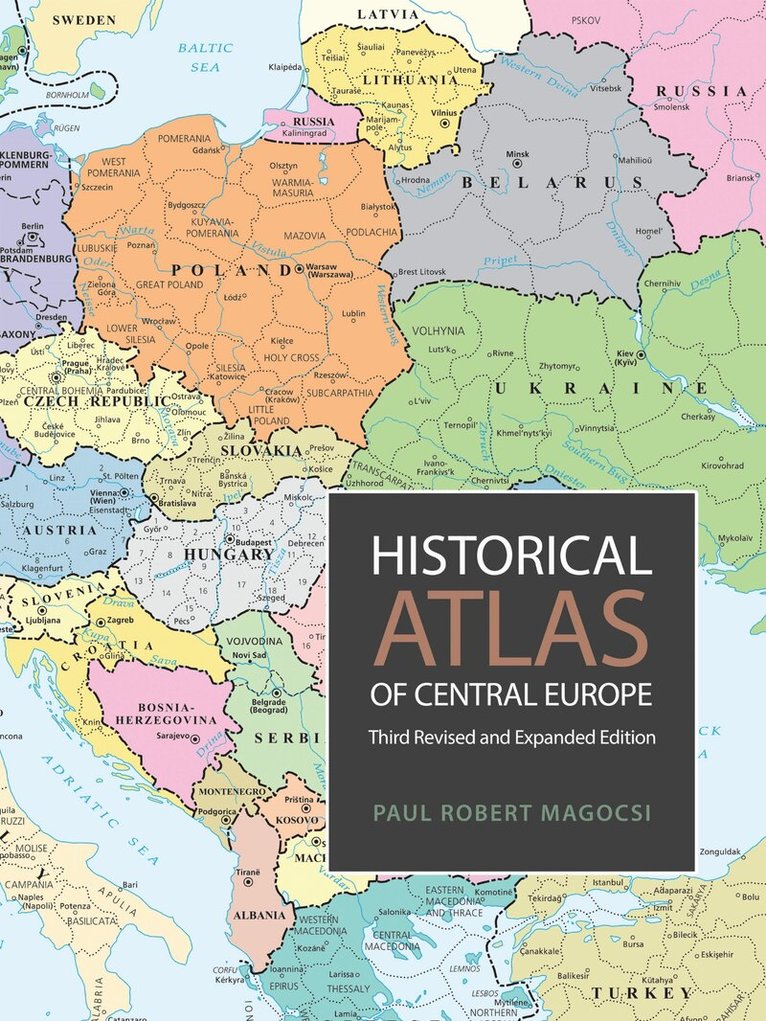
Historical Atlas of Central Europe
Third Revised and Expanded Edition
Häftad, 2018
788 kr
Lägg i varukorg
Central Europe remains a region of ongoing change and continuing significance in the contemporary world. This third, fully revised edition of the Historical Atlas of Central Europe takes into consideration recent changes in the region. The 120 full-colour maps, each accompanied by an explanatory …
Babyn Yar
History and Memory
Av Paul Robert Magocsi, Vladyslav Hrynevych
Inbunden, 2024
376 kr
Lägg i varukorg
The twentieth century was filled with many tragedies. During the Second World War, Babyn Yar – a ravine outside Kyiv where victims were shot dead and dumped into pits – became a prominent symbol of the destruction of the European Jews during the Holocaust. This deadly process began in September …
With Their Backs to the Mountains
A History of Carpathian Rus' and Carpatho-Rusyns
Häftad, 2015
1296 kr
Lägg i varukorg
This is a history of a stateless people, the Carpatho-Rusyns, and their historic homeland, Carpathian Rus’, located in the heart of central Europe. A little over 100,000 Carpatho-Rusyns are registered in official censuses but their population is estimated at around 1,000,000, the greater part in …
With Their Backs to the Mountains
A History of Carpathian Rus' and Carpatho-Rusyns
Inbunden, 2015
2602 kr
Lägg i varukorg
This is a history of a stateless people, the Carpatho-Rusyns, and their historic homeland, Carpathian Rus’, located in the heart of central Europe. A little over 100,000 Carpatho-Rusyns are registered in official censuses but their population is estimated at around 1,000,000, the greater part in …