Paul Strong – författare
Visar alla böcker från författaren Paul Strong. Handla med fri frakt och snabb leverans.
2 produkter
2 produkter
E-bok
Engelska, 202180 kr
Läs direkt efter köp
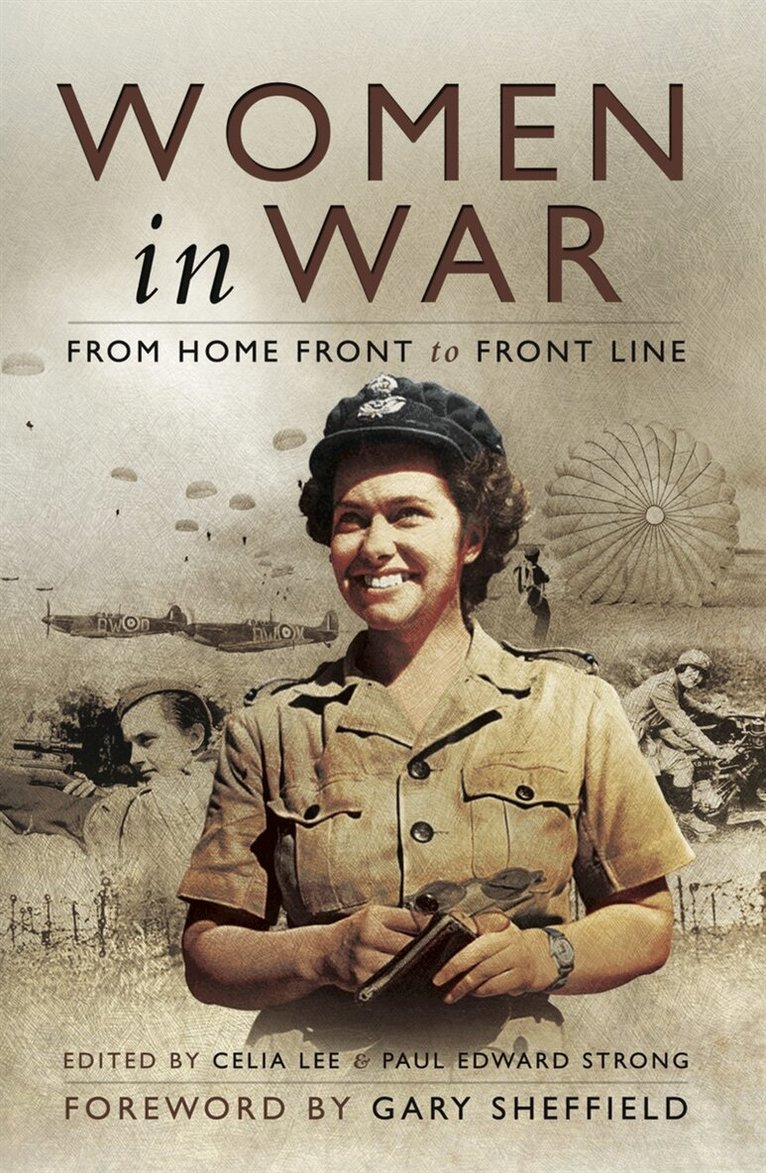
The changing role of women in warfare, a neglected aspect of military history, is the subject of this collection of perceptive, thought-provoking essays. By looking at the wide range of ways in which women have become involved in all the aspects of war, the authors open up this fascinating topic to wider understanding and debate. The discuss how, particularly in the two world wars, women have been increasingly mobilized in all the armed services, originally as support staff, then in defensive combat roles. They also consider the tragic story of women as victims of male violence, and how women have often put up a heroic resistance, and examine how women have been drawn into direct combat roles on an unprecedented level, a trend that is still controversial in the present day. The collection brings together the work of noted academics and historians with the wartime experiences of women who have remarkable personal stories to tell. The book will be a milestone in the study of the recent history of the parts women have played in the history of warfare.AuthorsDr Juliette Pattinson, Professor Mark Connelly, Georgina Natzio, Christine Halsall, Jonathan Walker, Major Imogen Corrigan, Dr. Halik Kochanski, Dr T.A. Heathcote, Elspeth Johnstone, Mike Ryan, Grace Filby, Dr George Bailey, Tatiana Roshupkina, Leicester Chilton, Paul Edward Strong, Celia Lee, John Lee
E-bok
Engelska, 2021123 kr
Läs direkt efter köp
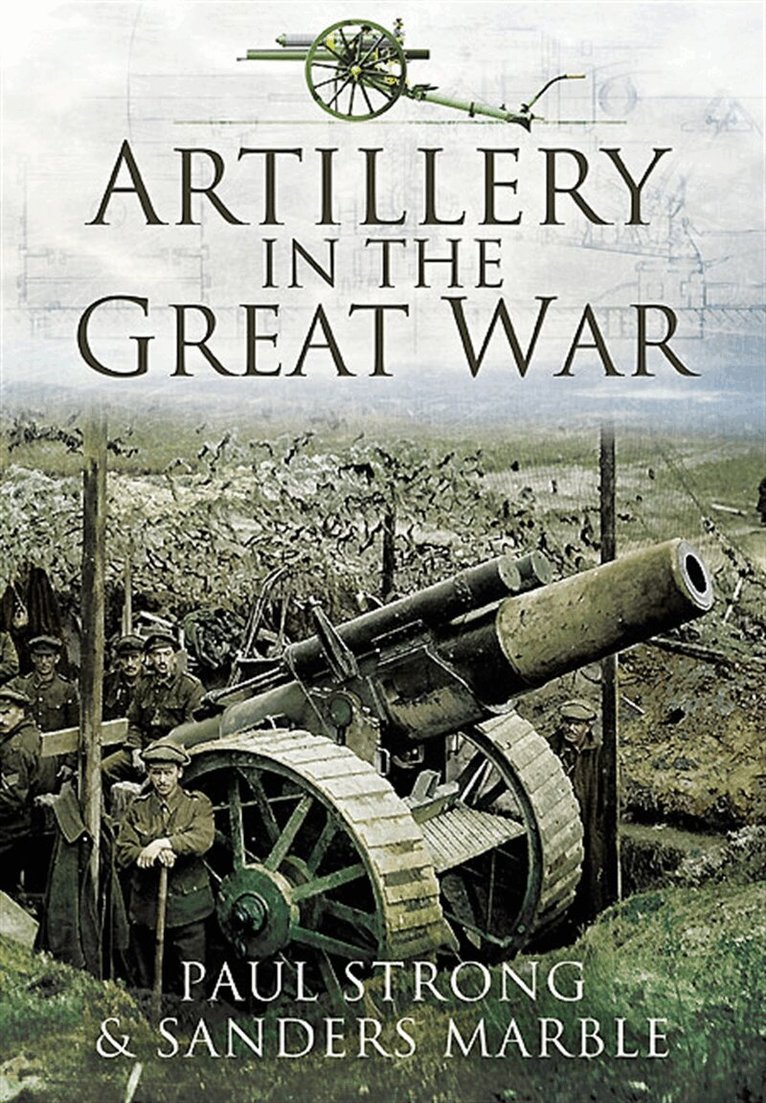
Artillery was the decisive weapon of the Great War – it dominated the battlefields. Yet the history of artillery during the conflict has been neglected, and its impact on the fighting is inadequately understood. Paul Strong and Sanders Marble, in this important and highly readable study, seek to balance the account.Their work shows that artillery was central to the tactics of the belligerent nations throughout the long course of the conflict, in attack and in defense. They describe, in vivid detail, how in theory and practice the use of artillery developed in different ways among the opposing armies, and they reveal how artillery men on all sides coped with the extraordinary challenges that confronted them on the battlefield. They also give graphic accounts of the role played by artillery in specific operations, including the battles of Le Cateau, the Somme and Valenciennes.Their work will be fascinating reading for anyone who is keen to understand the impact of artillery on the Great War and its role in the wider history of modern industrialized warfare.