Peter Healey – författare
Visar alla böcker från författaren Peter Healey. Handla med fri frakt och snabb leverans.
8 produkter
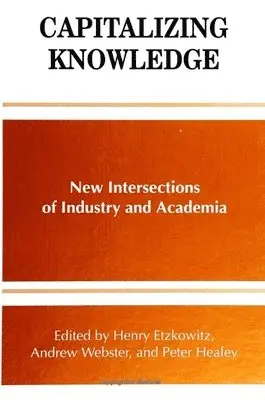
Capitalizing Knowledge
New Intersections of Industry and Academia
Av Henry Etzkowitz, Andrew Webster m. fl.
Häftad, 1998
361 kr
Lägg i varukorg
Examines current trends toward increasing links between industry and academia and the resulting commercialization of universities as they seek to capitalize their research.Capitalizing Knowledge explores the academic–industrial interface in a sustained and critical analysis, drawing on expertise in …
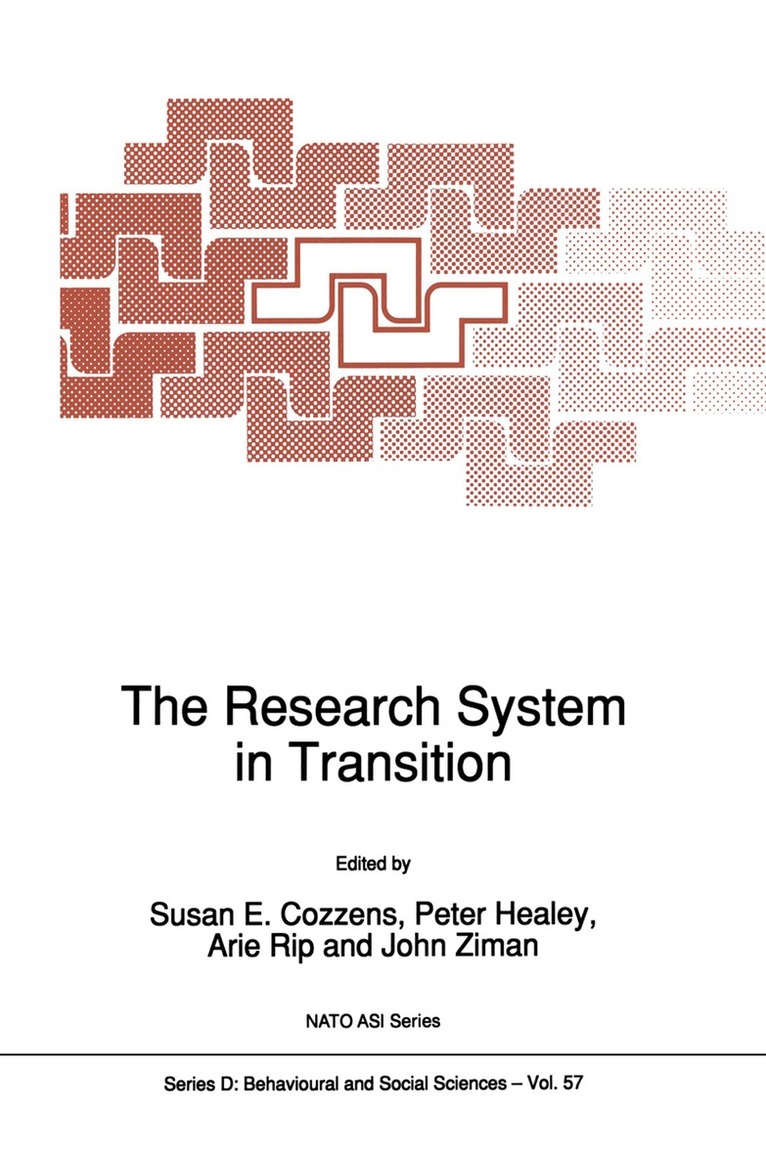
Research System in Transition
Av Susan E. Cozzens, Peter Healey m. fl.
Inbunden, 1990
2183 kr
Lägg i varukorg
On a mountainside in sunny Tuscany, in October 1989, 96 people from 23 countries on five continents gathered to learn and teach about the problems of managing contemporary science. The diversity of economic and political systems represented in the group was matched by our occupations, which …
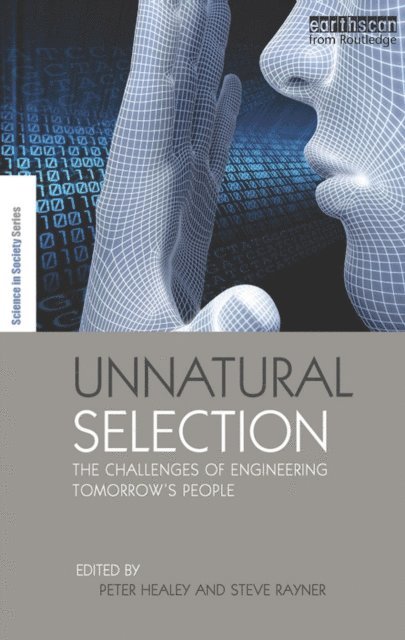
Unnatural Selection
The Challenges of Engineering Tomorrow''s People
E-bok, 2012
237 kr
Lägg i varukorg
With ever-advancing scientific understanding and technological capabilities, humanity stands on the brink of the potential next stage of evolution: evolution engineered by us. Nanotechnology, biotechnology, information technology and cognitive science offer the possibility to enhance human …
Unnatural Selection
The Challenges of Engineering Tomorrow''s People
E-bok, 2012
243 kr
Lägg i varukorg
With ever-advancing scientific understanding and technological capabilities, humanity stands on the brink of the potential next stage of evolution: evolution engineered by us. Nanotechnology, biotechnology, information technology and cognitive science offer the possibility to enhance human …
Unnatural Selection
The Challenges of Engineering Tomorrow's People
Häftad, 2014
210 kr
Lägg i varukorg
With ever-advancing scientific understanding and technological capabilities, humanity stands on the brink of the potential next stage of evolution: evolution engineered by us. Nanotechnology, biotechnology, information technology and cognitive science offer the possibility to enhance human …
Unnatural Selection
The Challenges of Engineering Tomorrow's People
Inbunden, 2008
762 kr
Lägg i varukorg
With ever-advancing scientific understanding and technological capabilities, humanity stands on the brink of the potential next stage of evolution: evolution engineered by us. Nanotechnology, biotechnology, information technology and cognitive science offer the possibility to enhance human …
Research System in Transition
Av John Ziman, Arie Rip m. fl.
E-bok, 2012
2862 kr
Lägg i varukorg
On a mountainside in sunny Tuscany, in October 1989, 96 people from 23 countries on five continents gathered to learn and teach about the problems of managing contemporary science. The diversity of economic and political systems represented in the group was matched by our occupations, which …
Research System in Transition
Av Susan E. Cozzens, Peter Healey m. fl.
Häftad, 2011
2183 kr
Lägg i varukorg
On a mountainside in sunny Tuscany, in October 1989, 96 people from 23 countries on five continents gathered to learn and teach about the problems of managing contemporary science. The diversity of economic and political systems represented in the group was matched by our occupations, which …