Susan E. Cozzens – författare
Visar alla böcker från författaren Susan E. Cozzens. Handla med fri frakt och snabb leverans.
6 produkter
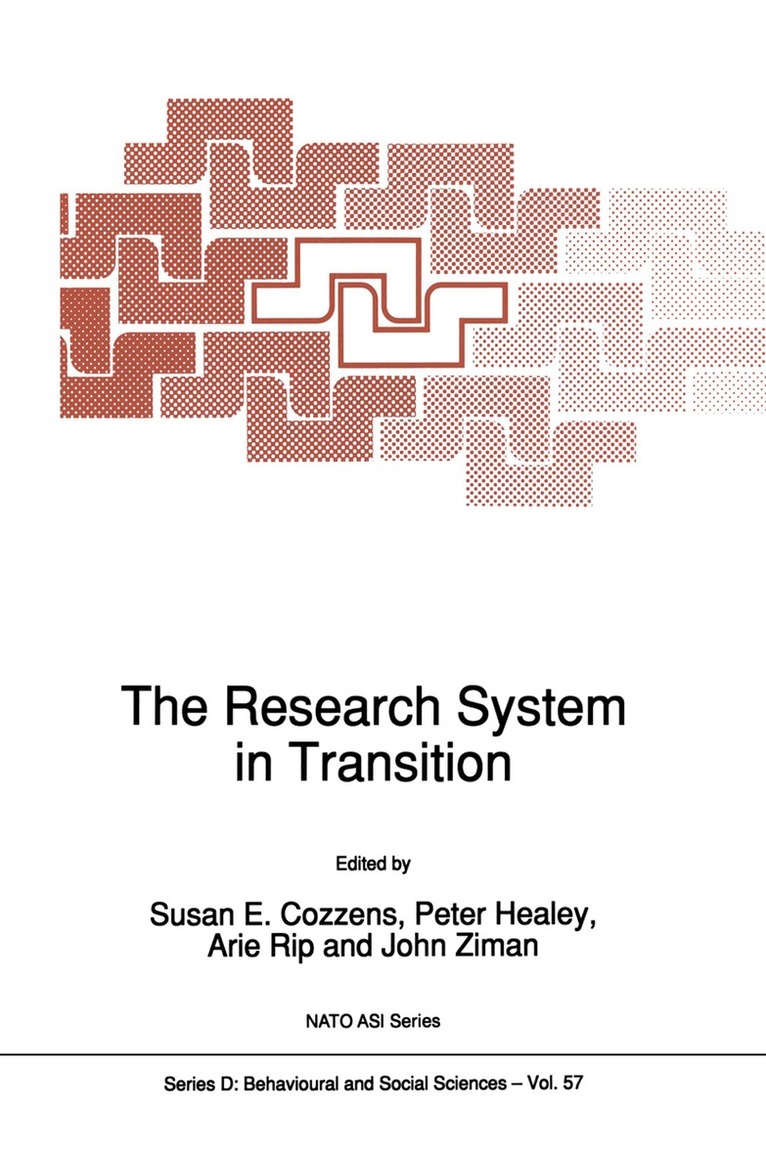
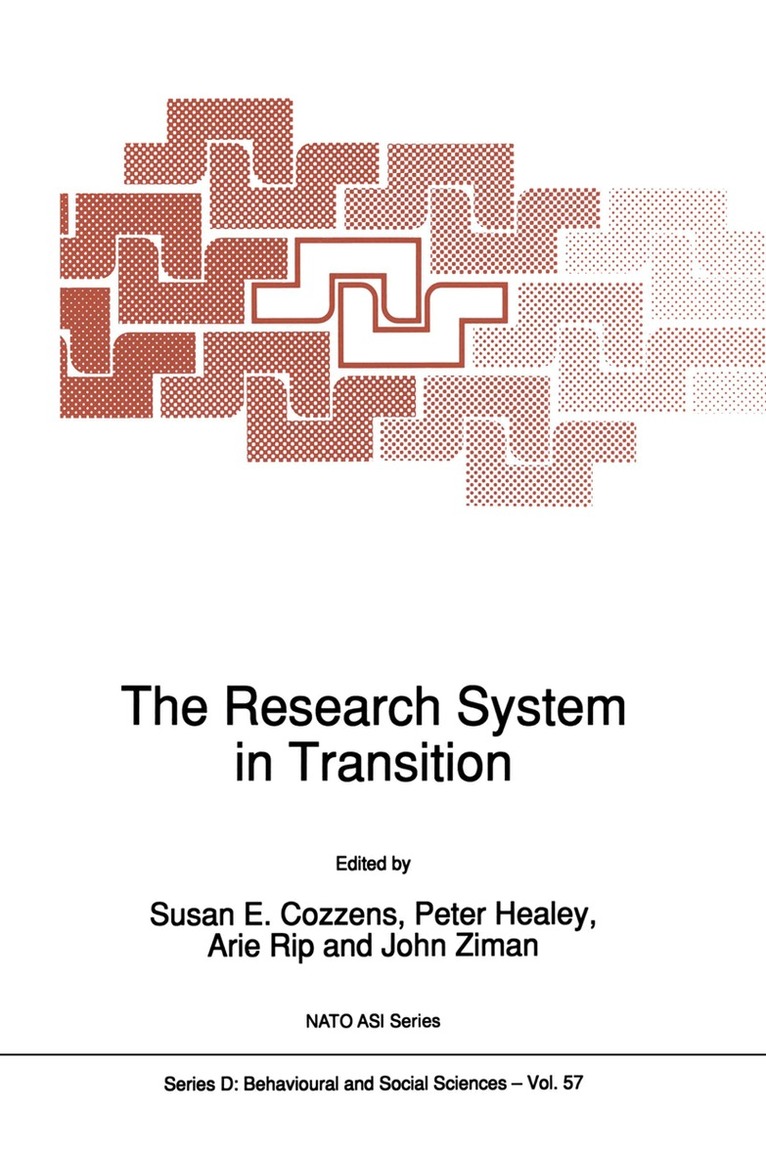
Research System in Transition
Av Susan E. Cozzens, Peter Healey m. fl.
Inbunden, 1990
2183 kr
Lägg i varukorg
On a mountainside in sunny Tuscany, in October 1989, 96 people from 23 countries on five continents gathered to learn and teach about the problems of managing contemporary science. The diversity of economic and political systems represented in the group was matched by our occupations, which …
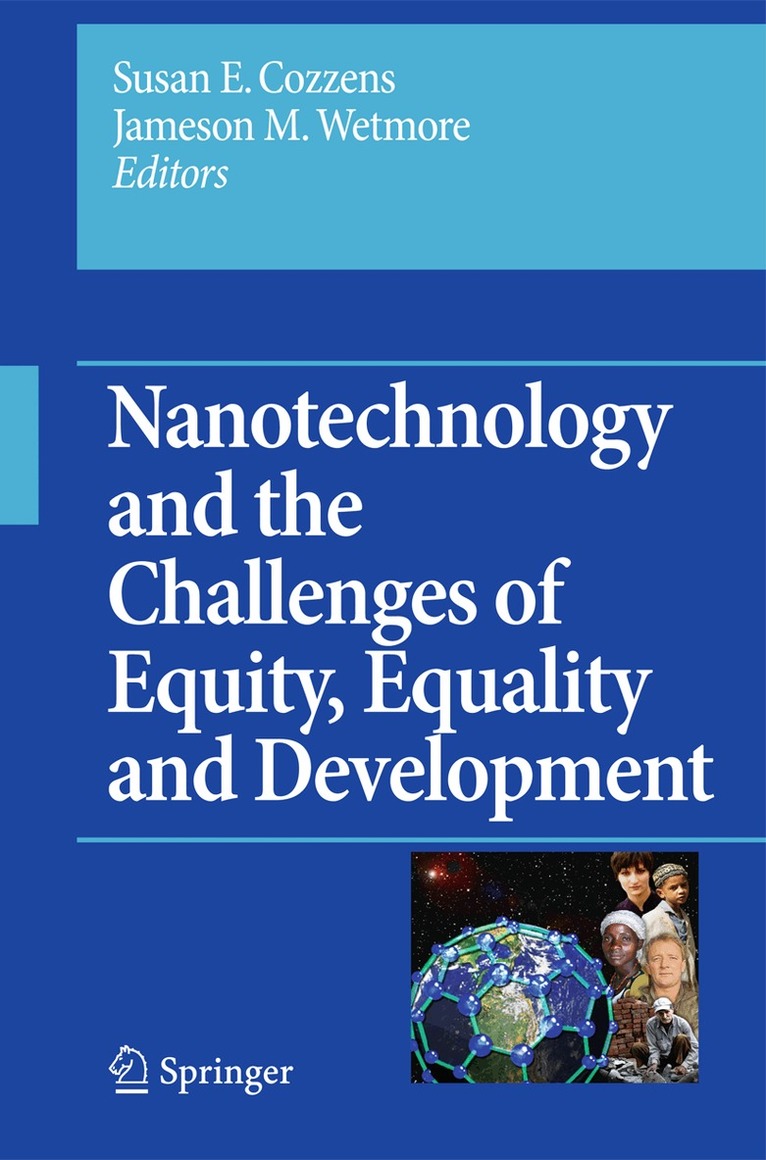
Nanotechnology and the Challenges of Equity, Equality and Development
Av Susan E. Cozzens, Jameson Wetmore
Inbunden, 2010
1643 kr
Lägg i varukorg
Nanotechnology is enabling applications in materials, microelectronics, health, and agriculture, which are projected to create the next big shift in production, comparable to the industrial revolution. Such major shifts always co-evolve with social relationships. This book focuses on how …
Nanotechnology and the Challenges of Equity, Equality and Development
Av Jameson Wetmore, Susan E. Cozzens
E-bok, 2010
2065 kr
Lägg i varukorg
Nanotechnology is enabling applications in materials, microelectronics, health, and agriculture, which are projected to create the next big shift in production, comparable to the industrial revolution. Such major shifts always co-evolve with social relationships. This book focuses on how …
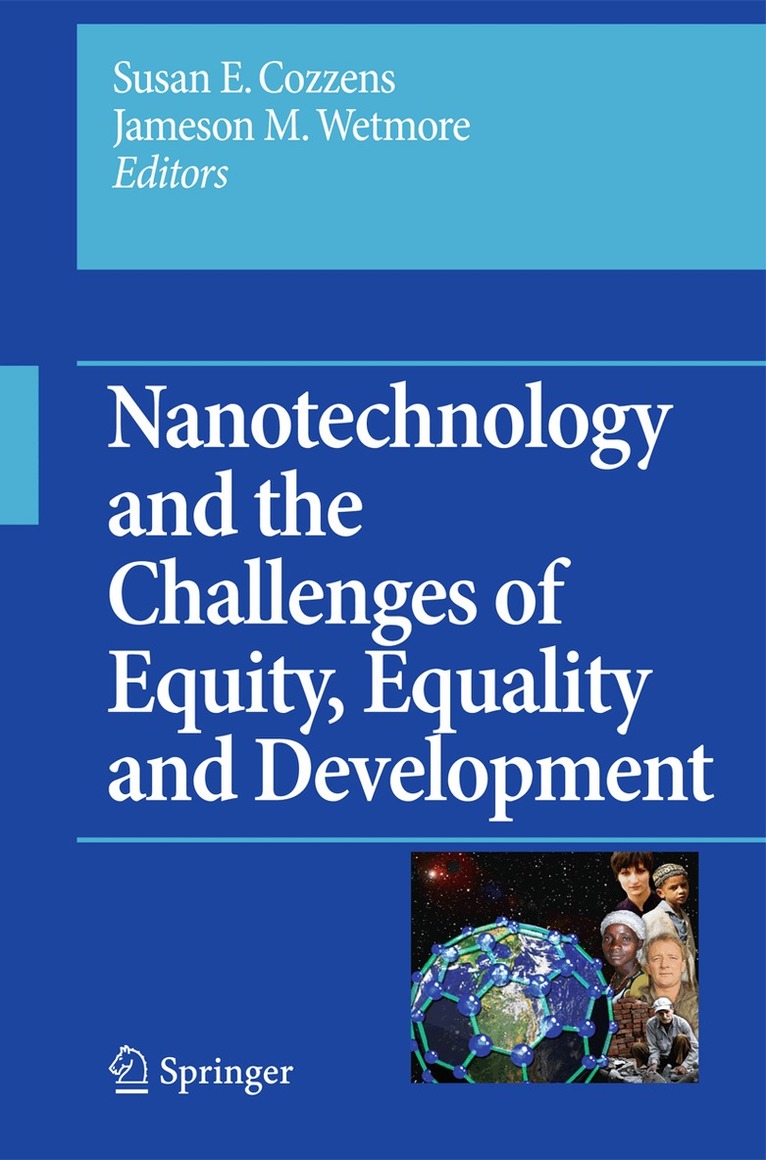
Nanotechnology and the Challenges of Equity, Equality and Development
Av Susan E. Cozzens, Jameson Wetmore
Häftad, 2012
1643 kr
Lägg i varukorg
Nanotechnology is enabling applications in materials, microelectronics, health, and agriculture, which are projected to create the next big shift in production, comparable to the industrial revolution. Such major shifts always co-evolve with social relationships. This book focuses on how …
Research System in Transition
Av John Ziman, Arie Rip m. fl.
E-bok, 2012
2862 kr
Lägg i varukorg
On a mountainside in sunny Tuscany, in October 1989, 96 people from 23 countries on five continents gathered to learn and teach about the problems of managing contemporary science. The diversity of economic and political systems represented in the group was matched by our occupations, which …
Research System in Transition
Av Susan E. Cozzens, Peter Healey m. fl.
Häftad, 2011
2188 kr
Lägg i varukorg
On a mountainside in sunny Tuscany, in October 1989, 96 people from 23 countries on five continents gathered to learn and teach about the problems of managing contemporary science. The diversity of economic and political systems represented in the group was matched by our occupations, which …