Peter Wareing – författare
2 599 kr
Skickas inom 10-15 vardagar
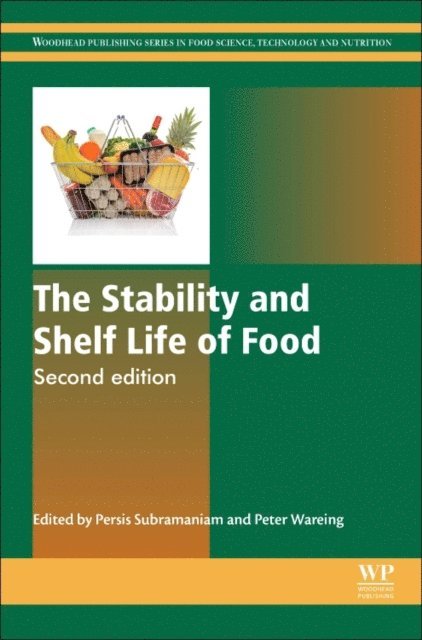
The second edition of The Stability and Shelf-life of Food is a fully revised and thoroughly updated edition of this highly-successful book. This new edition covers methods for shelf-life and stability evaluation, reviewing the modelling and testing of the deterioration of products as well as the use of sensory evaluation methods for testing food spoilage.
The first part of the book focuses on deteriorative processes and factors influencing shelf-life, covering aspects such as chemical deterioration, physical instability and microbiological spoilage. The effects of process and packaging on the stability and shelf-life of products are also covered in this part. Part Two reviews the methods for shelf life and stability evaluation. These include sensory evaluation methods and instrumental methods to determine food quality deterioration. The final section of the book covers stability of important ingredient categories, from oils and fats, to beverages such as beer, wine, coffee and fruit juices, in addition to bakery products and meats.
With updated chapters reflecting advances made in the field and with the addition of new chapters covering the stability and shelf-life a variety of products, this new edition will provide the latest research for both academics working in the field of food quality as well as providing essential information for food scientists working in industry.
Thoroughly revised and updated edition of a very popular and well regarded book Includes dedicated chapters covering the shelf-life and stability of specific products making this book ideal for those working in industry Presents a wide coverage of the processes and factors influencing shelf-life, the evaluation of stability and shelf-life and the stability and shelf-life of particular products makes this book valuable for both academics and those working in industry3 178 kr
Läs direkt efter köp
1 930 kr
Läs direkt efter köp
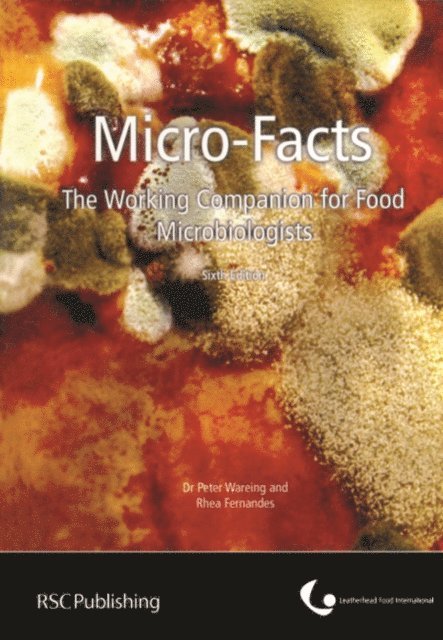
Micro-Facts has proved to be a useful ready reference for practising food microbiologists and others concerned with ensuring the microbiological safety of foods. Micro-Facts 6th Edition is an invaluable tool for food microbiologists everywhere, as a source book of information relevant to the prevention of food-poisoning hazards worldwide.
1 108 kr
Läs direkt efter köp
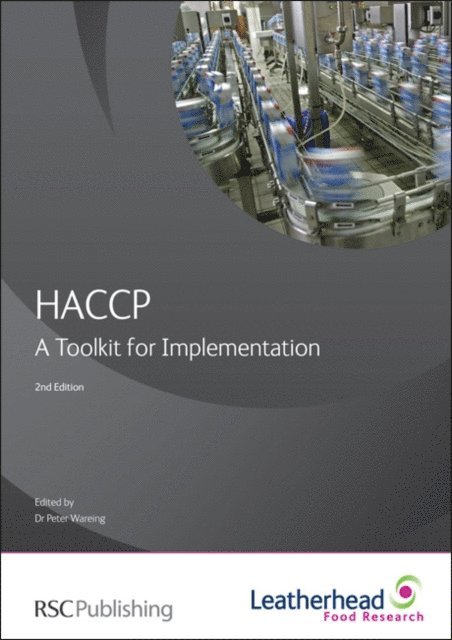
Hazard Analysis and Critical Control Point (HACCP) is a systematic method to identify, evaluate and control food safety hazards. Since its initial development in the 1960s, HACCP has been increasingly used at every stage of the food chain. In many countries, it is a legal requirement for all food business operators to have some form of hazard analysis based on this system, and so there has been a growing interest in all aspects of HACCP.. Leatherhead Food Research has, for many years now, offered a comprehensive food safety training programme. These training courses are now going to be complemented with the first in a series of food safety publications. This guide is designed as an easy-to-use reference book to help all staff implement a thorough HACCP plan into their industry. A good understanding of HACCP is essential right across the board, from team leaders, production and engineering staff, and supervisors to those working the line including CCP monitors. The book contains detailed descriptions of all the basic information required to undertake a HACCP study. In addition to this, the book has been designed to allow photocopying of certain figures, tables and workflow diagrams. This publication has been designed as a practical user-friendly guide to HACCP, and is intended to be used as a reference back in the factory. It can be used as an introduction to the basics for those who have never received HACCP training or as a checklist for those who are already using HACCP on a daily basis.
1 108 kr
Läs direkt efter köp
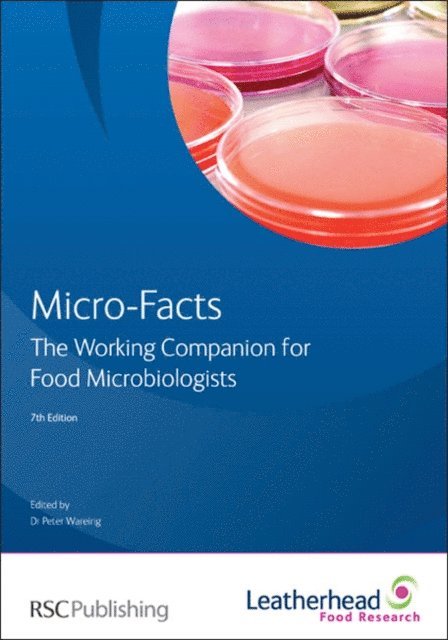
The new seventh edition of Micro-Facts has been fully reviewed and updated to incorporate changes in the technical literature. A key change in the seventh edition is the addition of new sections on mycotoxins, food-spoilage yeasts, and factors affecting the growth of micro-organisms. A glossary of microbiological terms has also been added, together with information on twelve food-spoilage moulds that were not featured in the previous edition. The emphasis of this hugely successful book continues to be serving the needs of the food industry, whether manufacturer, retailer or caterer.