Peter Wegenschimmel – författare
Visar alla böcker från författaren Peter Wegenschimmel. Handla med fri frakt och snabb leverans.
8 produkter
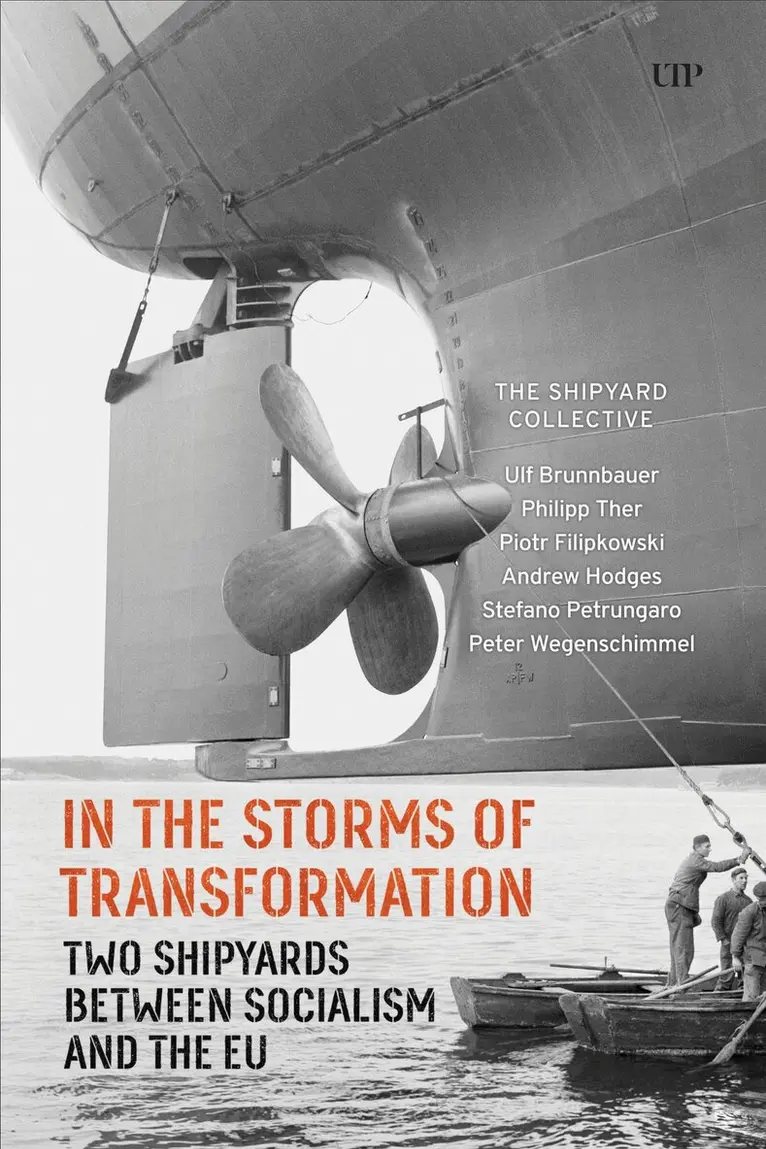
In the Storms of Transformation
Two Shipyards Between Socialism and the EU
Av Ulf Brunnbauer, Philipp Ther m. fl.
Inbunden, 2024
769 kr
Lägg i varukorg
In the 1990s, states in what would become the eastern edge of the European Union transformed their political systems and economies, leaving state socialism behind for liberal democracies and free markets. In the ensuing decades, two shipyards that were once the pride of their cities – in Gdynia, …
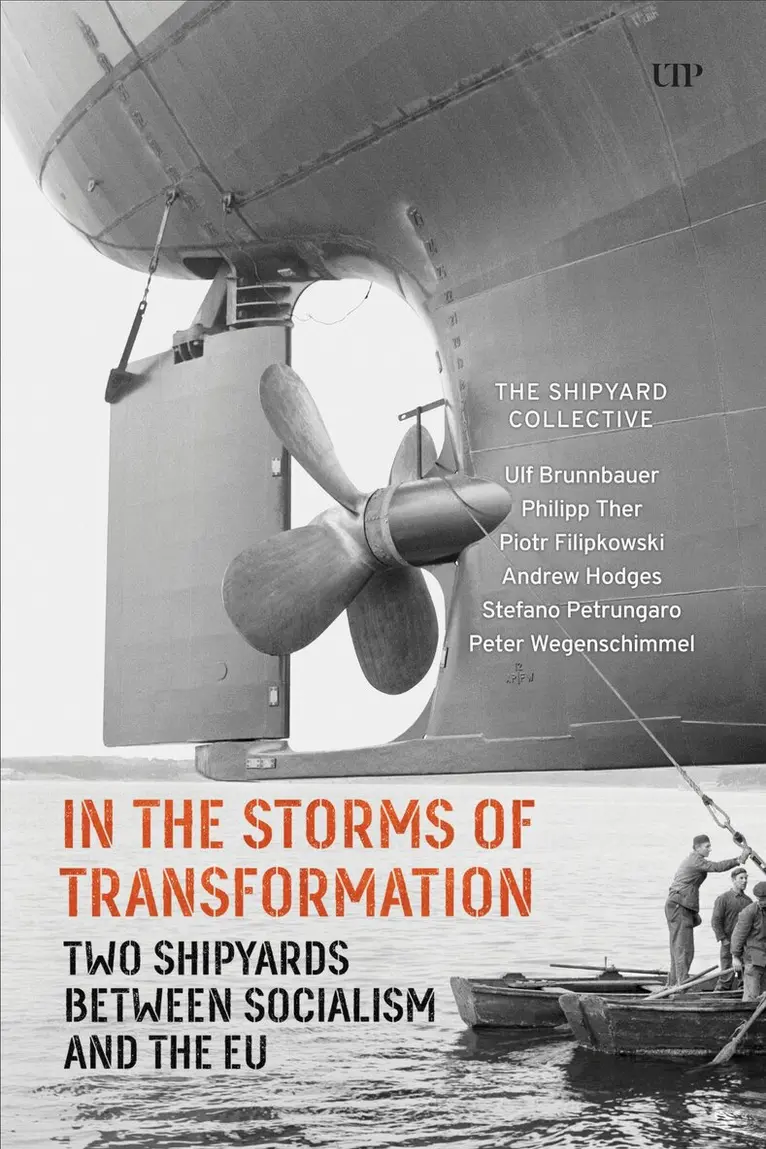
In the Storms of Transformation
Two Shipyards Between Socialism and the EU
Av Ulf Brunnbauer, Philipp Ther m. fl.
Häftad, 2024
367 kr
Lägg i varukorg
In the 1990s, states in what would become the eastern edge of the European Union transformed their political systems and economies, leaving state socialism behind for liberal democracies and free markets. In the ensuing decades, two shipyards that were once the pride of their cities – in Gdynia, …
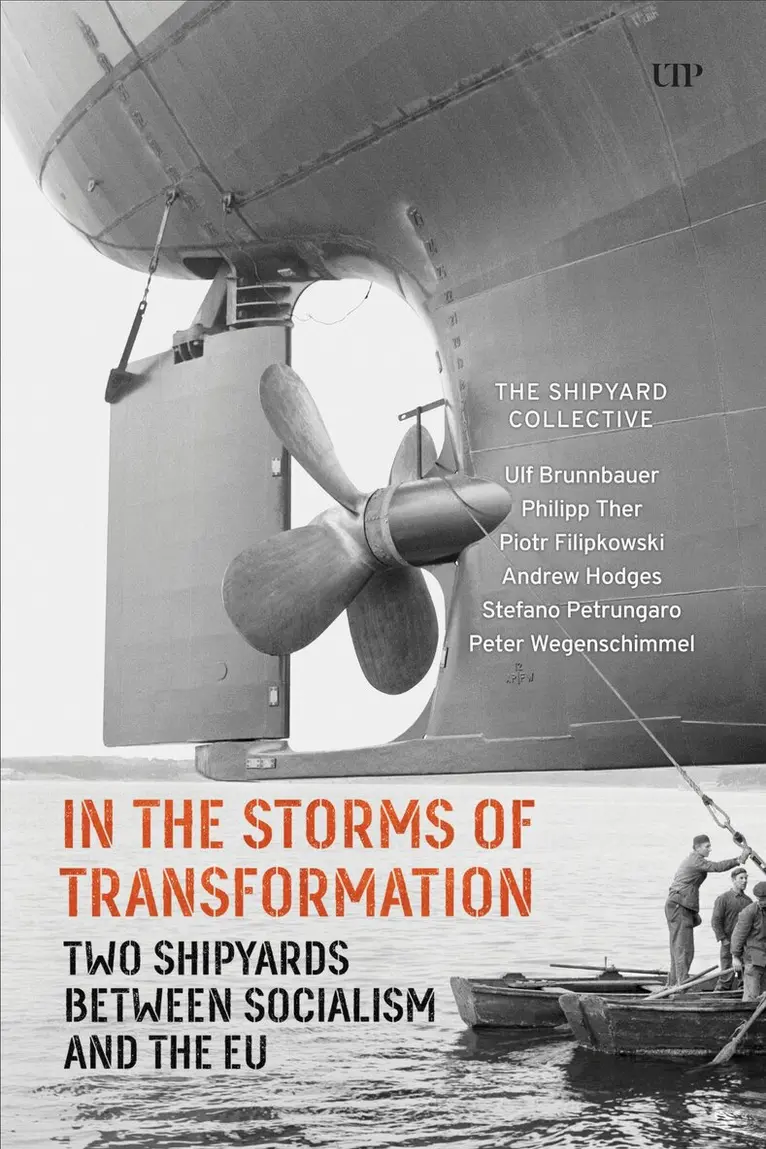
In the Storms of Transformation
Two Shipyards Between Socialism and the EU
Av Ulf Brunnbauer, Philipp Ther m. fl.
E-bok, 2024
427 kr
Lägg i varukorg
In the 1990s, states in what would become the eastern edge of the European Union transformed their political systems and economies, leaving state socialism behind for liberal democracies and free markets. In the ensuing decades, two shipyards that were once the pride of their cities – in Gdynia, …
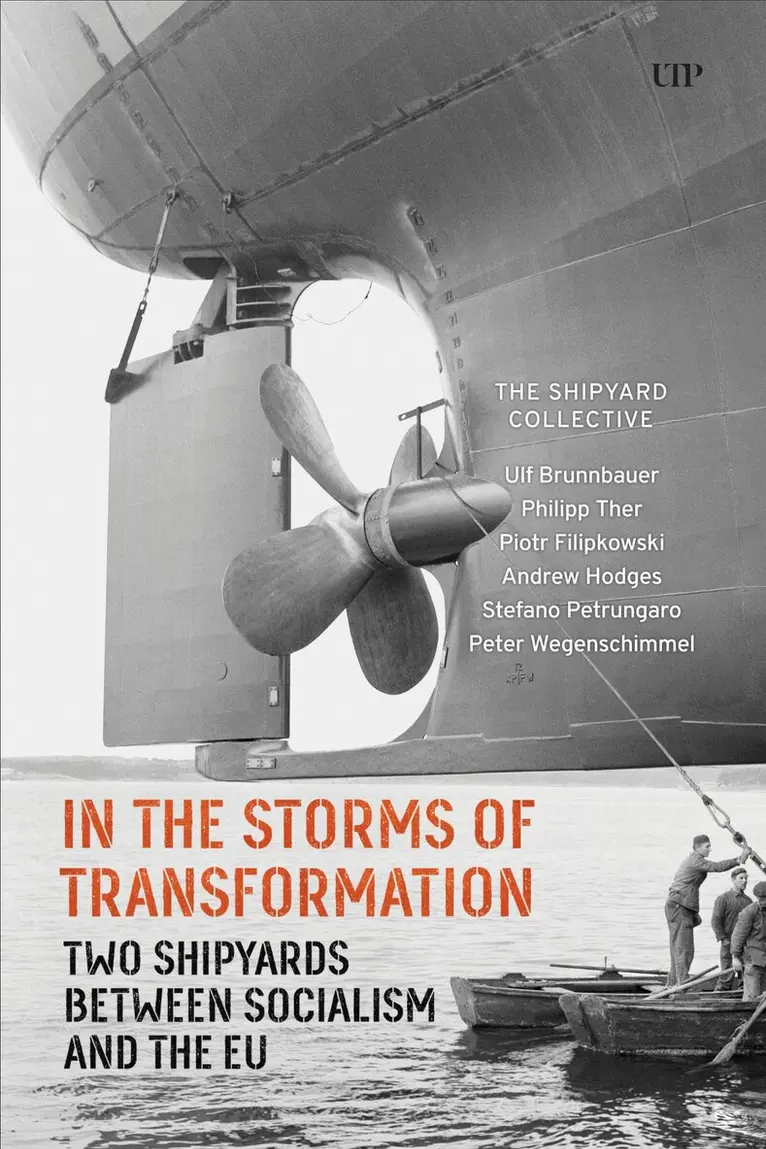
In the Storms of Transformation
Two Shipyards Between Socialism and the EU
Av Ulf Brunnbauer, Philipp Ther m. fl.
E-bok, 2024
437 kr
Lägg i varukorg
In the 1990s, states in what would become the eastern edge of the European Union transformed their political systems and economies, leaving state socialism behind for liberal democracies and free markets. In the ensuing decades, two shipyards that were once the pride of their cities – in Gdynia, …
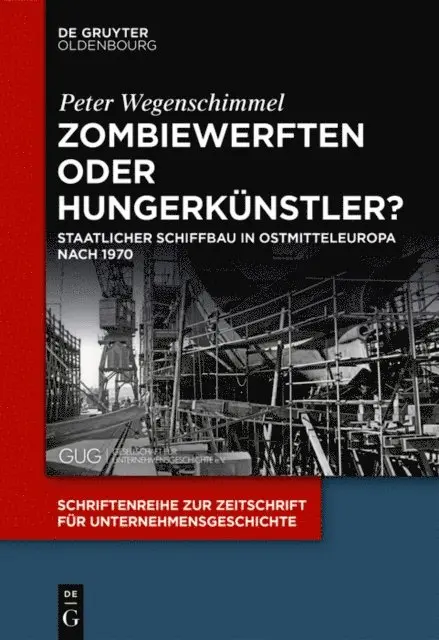
Zombiewerften oder Hungerkünstler?
Staatlicher Schiffbau in Ostmitteleuropa nach 1970
E-bok, 2021
783 kr
Lägg i varukorg
Ölpreisschock, Rezession und Transformation – während Europa einen dramatischen Strukturwandel erlebte, widersetzten sich die Werften Gdynia (Polen) und Uljanik (Kroatien) seit den 1970ern jeder größeren Reform. Trotz permanenter Krise und notorischer Unrentabilität existierten sie noch Jahrzehnte …
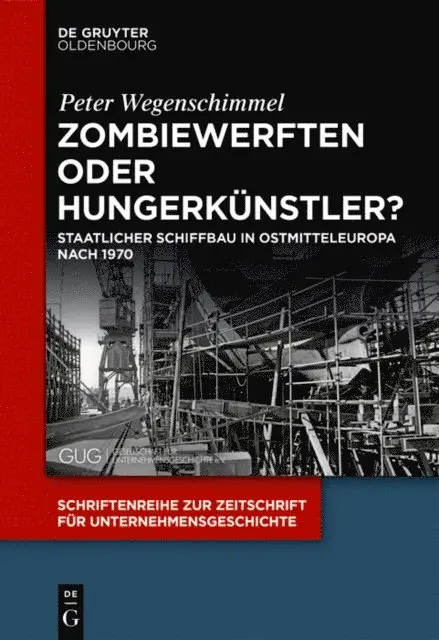
Zombiewerften oder Hungerkünstler?
Staatlicher Schiffbau in Ostmitteleuropa nach 1970
E-bok, 2021
775 kr
Lägg i varukorg
Ölpreisschock, Rezession und Transformation – während Europa einen dramatischen Strukturwandel erlebte, widersetzten sich die Werften Gdynia (Polen) und Uljanik (Kroatien) seit den 1970ern jeder größeren Reform. Trotz permanenter Krise und notorischer Unrentabilität existierten sie noch Jahrzehnte …
Zombiewerften Oder Hungerkünstler?
Staatlicher Schiffbau in Ostmitteleuropa Nach 1970
Häftad, 2021
930 kr
Lägg i varukorg