Philip Pugh – författare
Visar alla böcker från författaren Philip Pugh. Handla med fri frakt och snabb leverans.
11 produkter
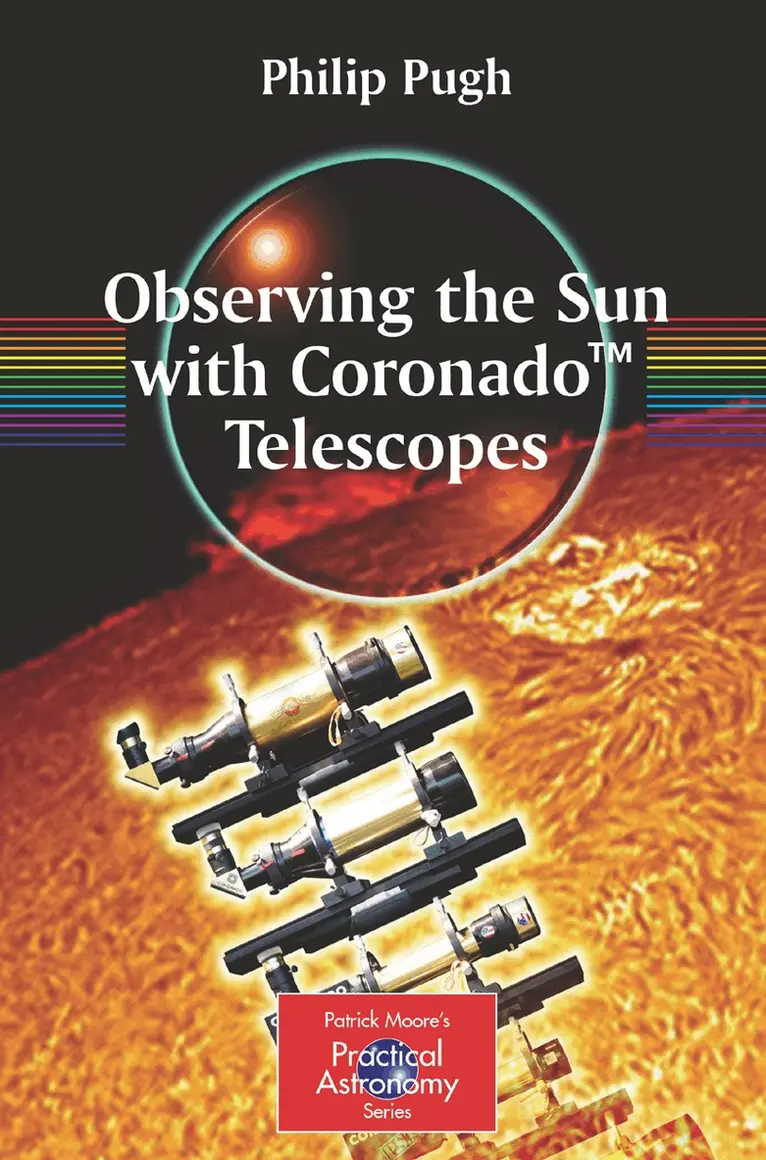
Observing the Sun with Coronado™ Telescopes
Av Philip Pugh
Häftad, 2007
470 kr
Lägg i varukorg
Scientists will often tell you that now is the most exciting time for a particular interest. We will always have just discovered or invented something that will “revolutionize” something or the other. The computer on which I am typing this, for example, is four times faster than its predecessor and …
Observing the Sun with Coronado(TM) Telescopes
Av Philip Pugh
E-bok, 2007
652 kr
Lägg i varukorg
Scientists will often tell you that now is the most exciting time for a particular interest. We will always have just discovered or invented something that will “revolutionize” something or the other. The computer on which I am typing this, for example, is four times faster than its predecessor and …
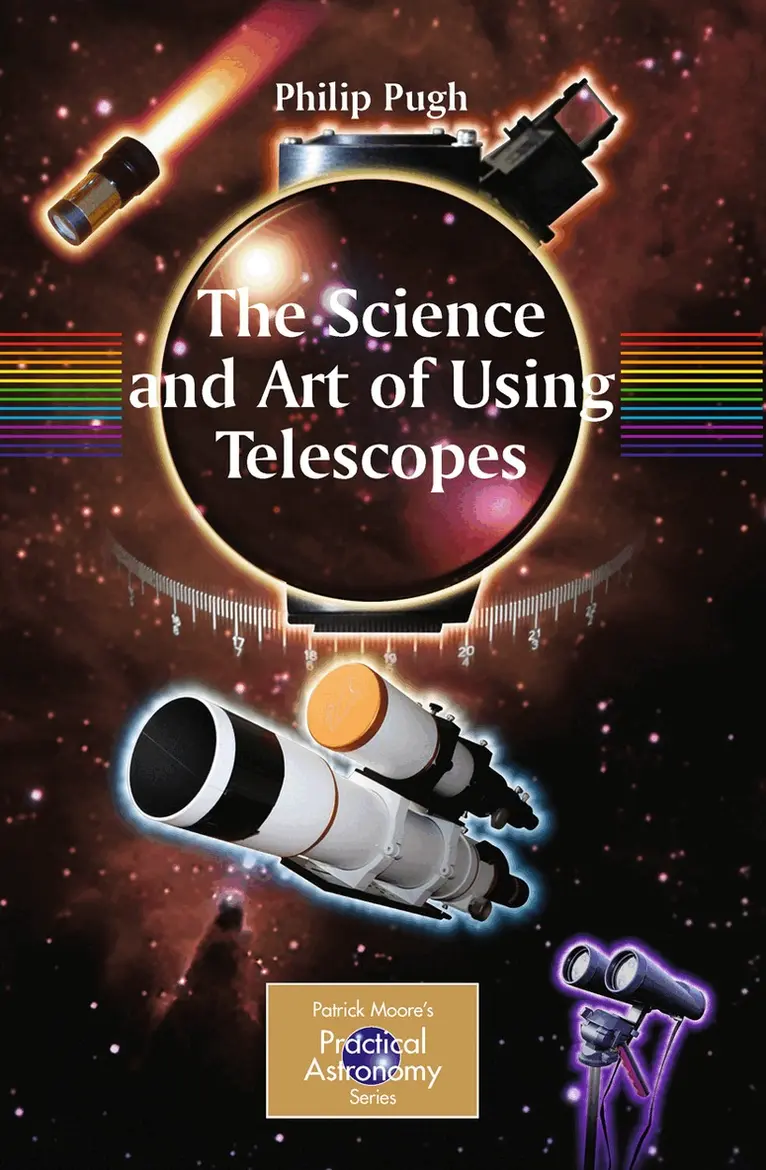
Science and Art of Using Telescopes
Av Philip Pugh
Häftad, 2009
386 kr
Lägg i varukorg
Amateur astronomers have to start somewhere. Most begin by buying a modest astronomical telescope and getting to know the night sky. After a while, many want to move on to the next stage, but this can be problematic. The magazines advertise a mass of commercially-made equipment – some of it very …
The Science and Art of Using Telescopes
Av Philip Pugh
Inbunden, 2014
526 kr
Lägg i varukorg
Amateur astronomers have to start somewhere. Most begin by buying a modest astronomical telescope and getting to know the night sky. After a while, many want to move on to the next stage, but this can be problematic. The magazines advertise a mass of commercially-made equipment – some of it very …
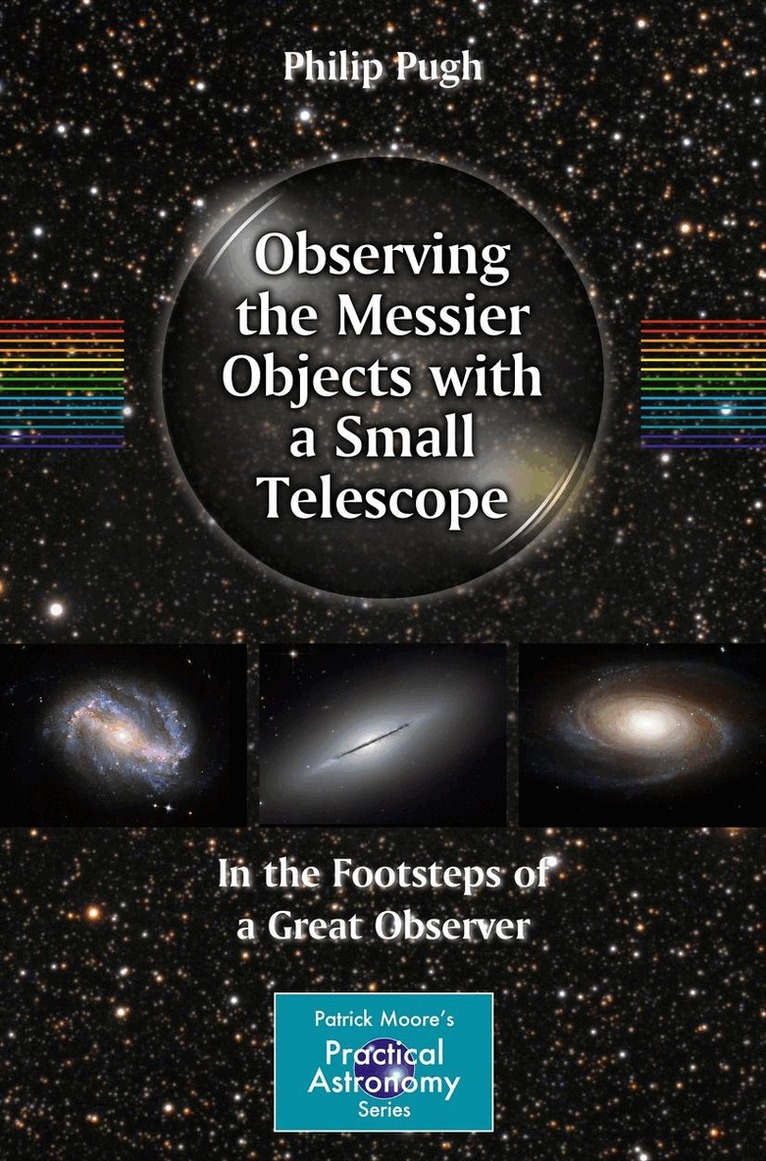
Observing the Messier Objects with a Small Telescope
In the Footsteps of a Great Observer
Av Philip Pugh
Häftad, 2011
1,0 utav 5 stjärnor. Totalt antal röster: (1)
506 kr
Lägg i varukorg
Observing the Messier Objects with a Small Telescope contains descriptions and photographs of the 103 Messier objects, with instructions on how to find them without a computerized telescope or even setting circles. The photographs show how the objects appear through a 127mm Maksutov (and other …
Observing the Messier Objects with a Small Telescope
In the Footsteps of a Great Observer
Av Philip Pugh
E-bok, 2011
734 kr
Lägg i varukorg
Observing the Messier Objects with a Small Telescope contains descriptions and photographs of the 103 Messier objects, with instructions on how to find them without a computerized telescope or even setting circles. The photographs show how the objects appear through a 127mm Maksutov (and other …
Arminianism v. Hyper-Calvinism, Being Three Letters From Philip Pugh to the Rev. Samuel Cozens
Av Philip Pugh
Inbunden, 2022
459 kr
Lägg i varukorg
Arminianism v. Hyper-Calvinism, Being Three Letters From Philip Pugh to the Rev. Samuel Cozens
Av Philip Pugh
Häftad, 2022
311 kr
Lägg i varukorg
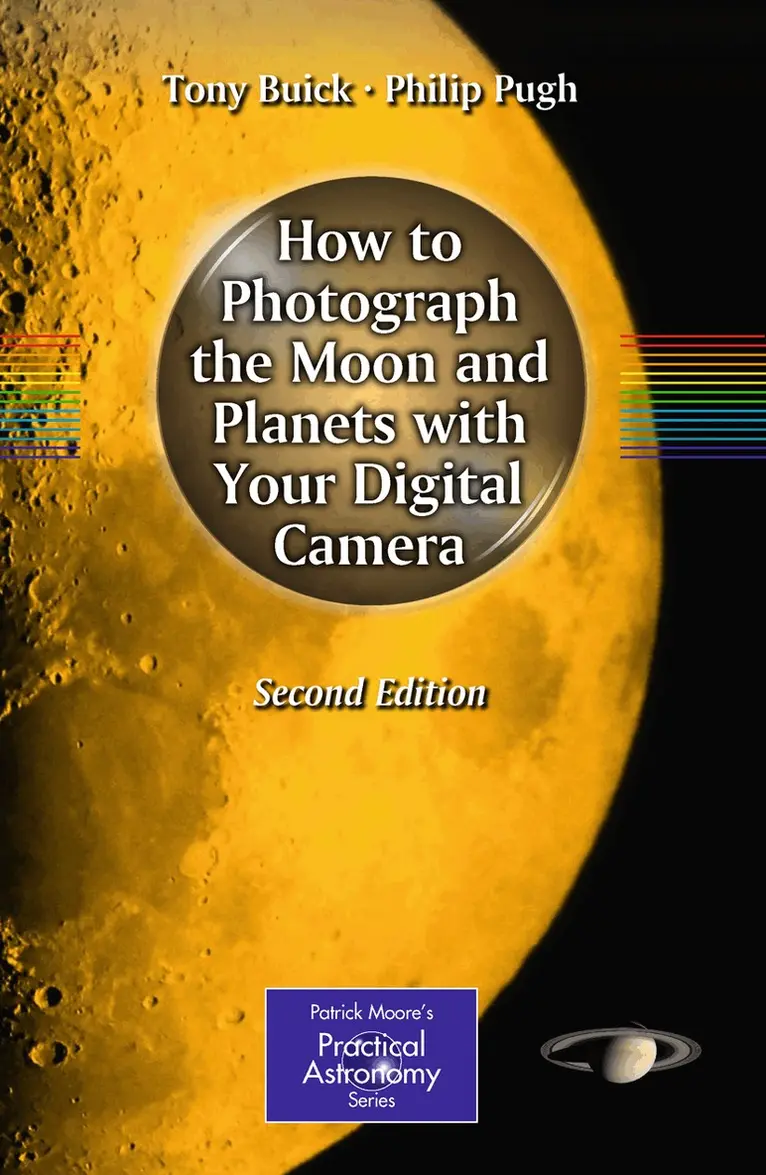
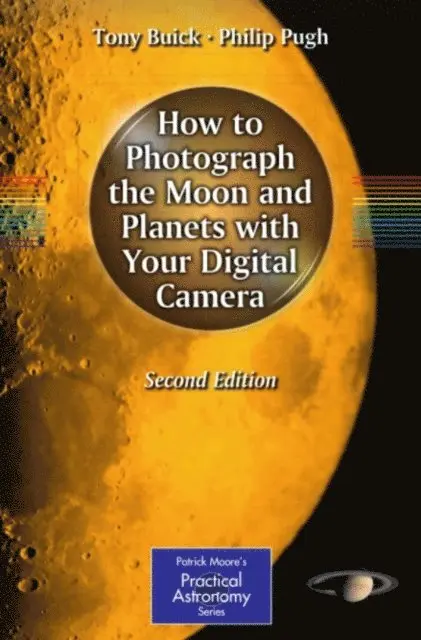
How to Photograph the Moon and Planets with Your Digital Camera
Häftad, 2011
356 kr
Lägg i varukorg
Although astronomical CCD cameras can be very costly, digital cameras – the kind you use on holiday – on the other hand, are relatively inexpensive. Moreover, their technology – especially thermal noise, sensitivity (ISO number) and resolution – has progressed to a point where such cameras are more …
How to Photograph the Moon and Planets with Your Digital Camera
E-bok, 2011
504 kr
Lägg i varukorg
Although astronomical CCD cameras can be very costly, digital cameras – the kind you use on holiday – on the other hand, are relatively inexpensive. Moreover, their technology – especially thermal noise, sensitivity (ISO number) and resolution – has progressed to a point where such cameras are more …