Phyllis J. Kanki – författare
Visar alla böcker från författaren Phyllis J. Kanki. Handla med fri frakt och snabb leverans.
5 produkter
5 produkter
Inbunden, Engelska, 2002
1 681 kr
Skickas inom 10-15 vardagar
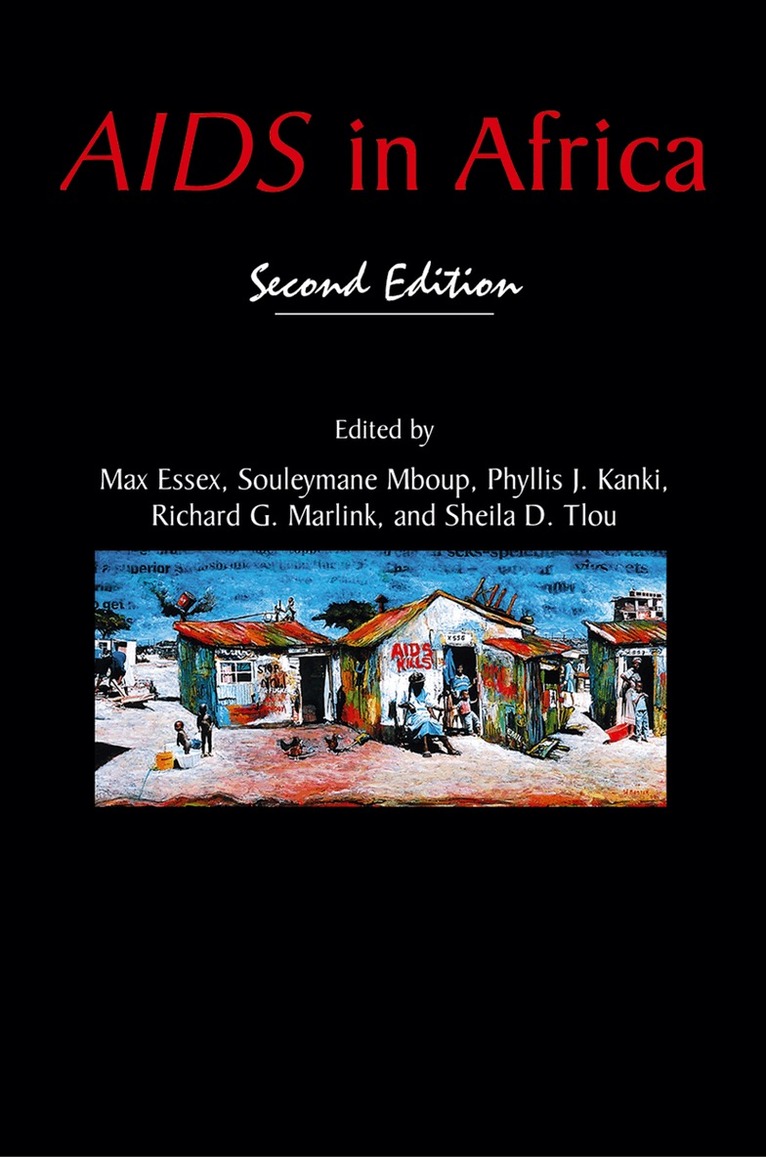
The way we deal with AIDS in Africa will All of them take account of the local cultural determine Africa’s future. The devastation context. But they all have something else in wrought by HIV/AIDS on the continent is so common; they stem from a political will to acute that it has become one of the main fight AIDS, and a recognition that facing up obstacles to development itself. AIDS to the problem is the first step towards c- threatens to unravel whole societies, com- quering it. I am convinced that, given that munities, and economies. In this way, AIDS will, every society can do the same. is not only taking away Africa’s present—it We have seen a growing understanding is taking away Africa’s future. of the inextricable link between prevention This crisis requires an unprecedented and treatment, and a conviction that tre- response. It requires communities, nations, ment can work even in the poorest societies. and regions, the public and the private sector, We have seen AIDS drugs become more international organizations and nongovern- available and affordable in poor countries, mental groups to come together in concerted, and scientific progress promises simplified coordinated action. Only when all these treatment regimes. Above all, we have seen a forces join in a common effort will we be able growing understanding that the key is poli- to expand our fight against the epidemic to cal commitment to providing treatment, decrease risk, vulnerability, and impact. All backed up by community involvement.
E-bok
PDF, Engelska, 20072 036 kr
Läs direkt efter köp
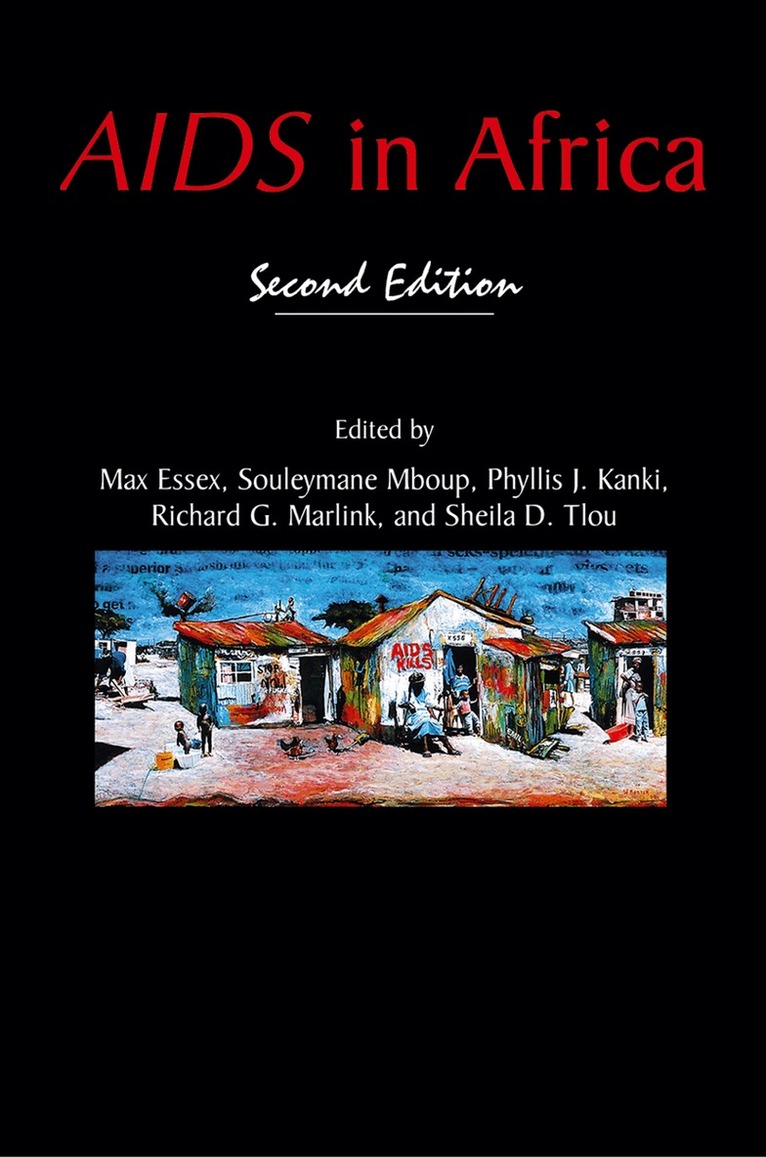
The way we deal with AIDS in Africa will All of them take account of the local cultural determine Africa’s future. The devastation context. But they all have something else in wrought by HIV/AIDS on the continent is so common; they stem from a political will to acute that it has become one of the main fight AIDS, and a recognition that facing up obstacles to development itself. AIDS to the problem is the first step towards c- threatens to unravel whole societies, com- quering it. I am convinced that, given that munities, and economies. In this way, AIDS will, every society can do the same. is not only taking away Africa’s present—it We have seen a growing understanding is taking away Africa’s future. of the inextricable link between prevention This crisis requires an unprecedented and treatment, and a conviction that tre- response. It requires communities, nations, ment can work even in the poorest societies. and regions, the public and the private sector, We have seen AIDS drugs become more international organizations and nongovern- available and affordable in poor countries, mental groups to come together in concerted, and scientific progress promises simplified coordinated action. Only when all these treatment regimes. Above all, we have seen a forces join in a common effort will we be able growing understanding that the key is poli- to expand our fight against the epidemic to cal commitment to providing treatment, decrease risk, vulnerability, and impact. All backed up by community involvement.
Del 1 - Harvard Series on Population and Development Studies
AIDS in Nigeria
A Nation on the Threshold
Häftad, Engelska, 2006
257 kr
Skickas inom 5-8 vardagar
Every minute a Nigerian man, woman, or child becomes infected with HIV. Soon Nigeria will be home to more people living with HIV than any other country in Africa. With 5 percent of its inhabitants already infected, Nigeria has reached the critical threshold that can catapult rates to nearly 40 percent of a country's population. The full magnitude of Nigeria's epidemic will be determined by its response now.AIDS in Nigeria helps guide that response. Written by dozens of the country's leading HIV experts, the book explores the dynamics of the epidemic, analyzes prevention efforts, identifies crucial gaps, and formulates effective strategies for controlling the epidemic. Complementing the experts' words are the dramatic portraits of people whose lives have been forever transformed by AIDS. Their stories reveal the human costs of the epidemic--and the courage required to overcome it.
Del 2 - Harvard Series on Population and Development Studies
Line Drawn in the Sand
Responses to the AIDS Treatment Crisis in Africa
Häftad, Engelska, 2009
265 kr
Skickas inom 5-8 vardagar
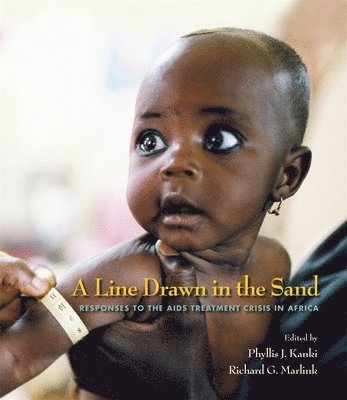
In the nearly three decades since the AIDS epidemic was first recognized, scientists have made tremendous strides in devising treatments for people living with HIV/AIDS. Yet in Africa, where more than 60 percent of HIV-infected people live, treatments remain out of reach for most. A Line Drawn in the Sand captures the determination of several African nations in tackling the challenge of providing lifesaving antiretroviral therapies to their citizens: Botswana, which has some of the highest HIV infection rates worldwide; Nigeria, whose epidemic threatens to become one of the world’s largest; Senegal, often touted as one of the few countries with a model response to the HIV/AIDS epidemic; and Tanzania, whose extreme poverty threatens efforts to stem its epidemic. By emphasizing the dramatic results that investments in AIDS treatments in Africa can bring, the book provides lessons to nations about scaling up their own treatment responses, hope to individuals and communities confronted with the often devastating impact of AIDS, and inspiration to the international HIV/AIDS community.
Häftad, Engelska, 2013
1 681 kr
Skickas inom 10-15 vardagar
The way we deal with AIDS in Africa will All of them take account of the local cultural determine Africa’s future. The devastation context. But they all have something else in wrought by HIV/AIDS on the continent is so common; they stem from a political will to acute that it has become one of the main fight AIDS, and a recognition that facing up obstacles to development itself. AIDS to the problem is the first step towards c- threatens to unravel whole societies, com- quering it. I am convinced that, given that munities, and economies. In this way, AIDS will, every society can do the same. is not only taking away Africa’s present—it We have seen a growing understanding is taking away Africa’s future. of the inextricable link between prevention This crisis requires an unprecedented and treatment, and a conviction that tre- response. It requires communities, nations, ment can work even in the poorest societies. and regions, the public and the private sector, We have seen AIDS drugs become more international organizations and nongovern- available and affordable in poor countries, mental groups to come together in concerted, and scientific progress promises simplified coordinated action. Only when all these treatment regimes. Above all, we have seen a forces join in a common effort will we be able growing understanding that the key is poli- to expand our fight against the epidemic to cal commitment to providing treatment, decrease risk, vulnerability, and impact. All backed up by community involvement.