Pintu Pandit – författare
3 193 kr
Skickas inom 10-15 vardagar
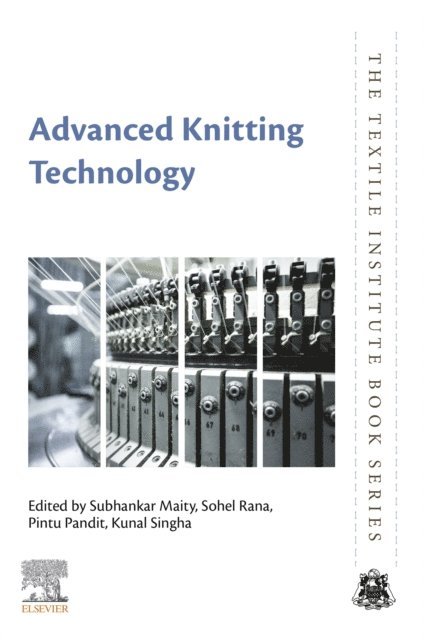
Advanced Knitting Technology provides complete coverage of the latest innovations and developments in knitting technology, including emerging methods as well as the latest best practice for classical processes. Many technologies can be used for the production of cloth such as weaving, knitting, nonwoven, and braiding. Knitting methods are being selected for a growing range of applications due to the spectacular properties of knitted fabric, such as softer tactile quality, higher stretchability, bulkiness, and functional properties that compare favorably with other woven fabrics. Beyond the well-known apparel applications, specially designed knitted structures are uniquely suitable for high performance applications like reinforcement for composites, medical implants, and geotextiles.
This book presents recent advances in knitting technology, including structures, properties and applications of knitted fabrics in modern apparel, activewear, composites, medical textiles, and geotextiles. With reference to the latest industry practice, testing, quality and process control methods for knitting technologies are discussed.
Advanced Knitting Technology covers recent advances in knitting technology, properties and performance of knitted structures, their applications in apparel and technical fields.
Provides detailed and practical instructions for the sustainable production of knitted textiles, including sustainable chemical processing natural dyeing processes, and sustainability analysis methods Draws on the latest research to discuss the future of knitted apparels and high-tech applications of knitted structures as technical textiles Explores the latest applications of AI and machine learning to the knitting process4 552 kr
Läs direkt efter köp
2 592 kr
Skickas inom 10-15 vardagar
3 693 kr
Läs direkt efter köp
2 592 kr
Skickas inom 10-15 vardagar
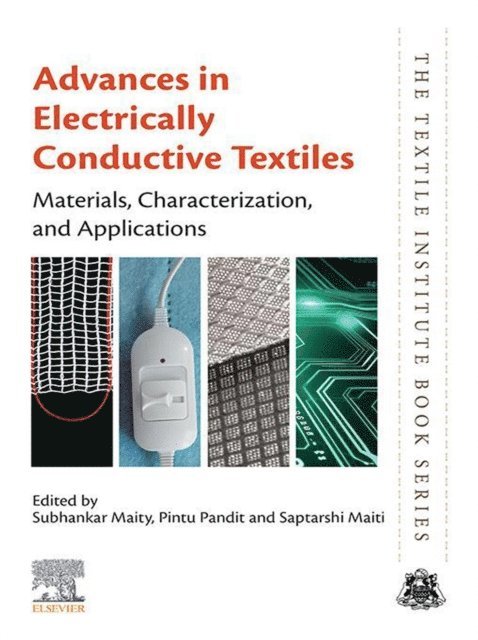
Nonmetallic electroconductive textiles, unlike metals, offer flexibility, durability, moldability, and lightweight attributes. A brilliant quality of these textiles is the capability to alter conductivity through various external stimuli (e.g., strain, torsion, pH, humidity) to suit a specific application such as sensors, heating garments, EMI shielding, energy harvesting devices, and wearable electronics.Based on these concepts, Advances in Electrically Conductive Textiles: Materials, Characterization, and Applications has been structured into three main sections. Section I contains chapters discussing the various preparation methods of electroconductive textiles, Section II contains chapters on their characteristics and features, and Section III details the end-use applications and sustainability of these textiles.
Explores strategies and methods in the development of electroconductive textile composites?????Investigates features of nonmetallic conductive textiles prepared from graphene, conductive polymers, MXene, and carbon nanotubesExamines the application of electroconductive textiles for heat generation, EMI shielding, sensors, antimicrobial, filtration, energy storage, energy harvesting, and smart textiles3 283 kr
Läs direkt efter köp
2 637 kr
Skickas inom 5-8 vardagar
3 007 kr
Läs direkt efter köp
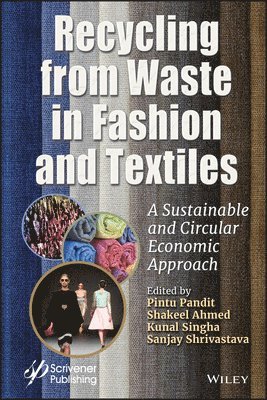
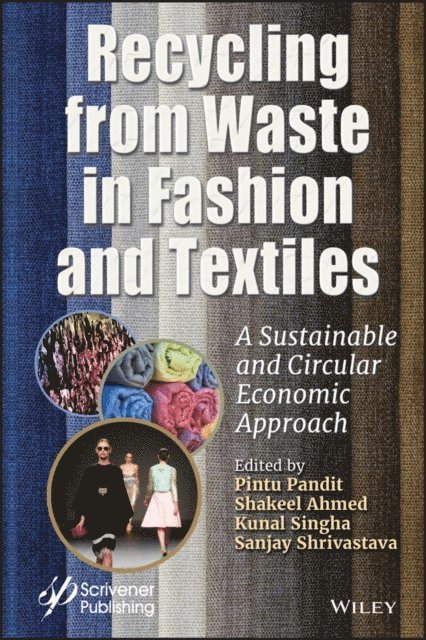
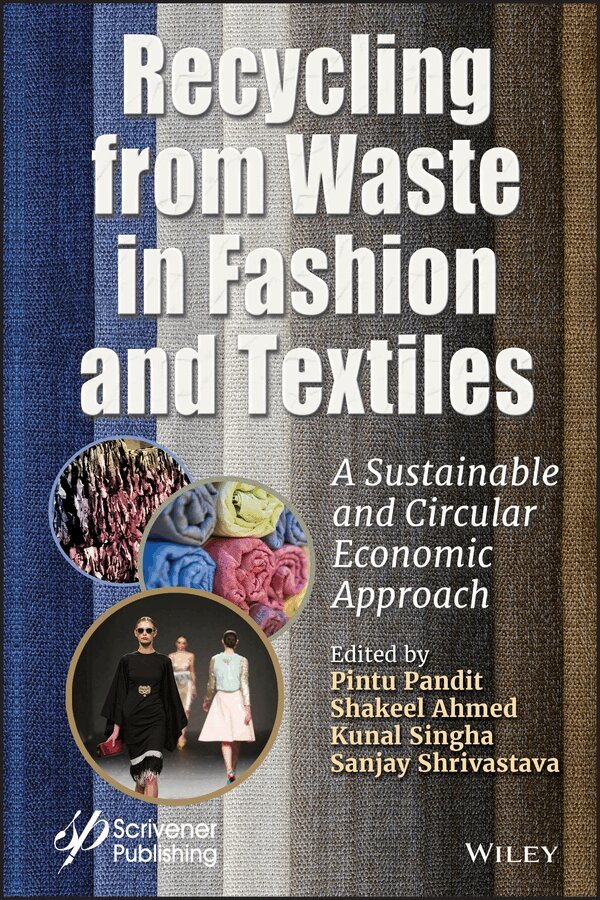
The alarming level of greenhouse gases in the environment, fast depleting natural resources and the increasing level of industrial effluents, have made every single manufacturing activity come under the scrutiny of sustainability. When all kinds of waste such as clothes, furniture, carpets, televisions, shoes, paper, food wastes etc. end up in the landfill, only a few of them are naturally decomposed and thus a large majority remains as non-biodegradable. It is for this reason, efforts are concentrated to reduce the burden on earth by this waste, and as far as used textile products are concerned, there are now attempts to recycle or up-cycle. This book addresses the role of sustainability by using textile waste in fashion and textiles with respect to manufacturing, materials, as well as the economic and business challenges and opportunities it poses.
This wide-ranging book comprises 19 chapters on the various topics including:
· Solutions for sustainable fashion and textile industry
· Agro and bio waste in the fashion industry
· Innovating fashion brands by using textile waste
· Waste in handloom textiles
· Business paradigm shifting: 21st century fashion from recycling and upcycling
· Utilization of natural waste for sustainable textile coloration
· Circular economy in fashion and textile from waste
· Future pathways of waste utilization for fashion
· Sustainable encapsulation of natural dyes from Plant waste for textiles
· Agro-waste applications for bio-remediation of textile effluent
3 007 kr
Läs direkt efter köp
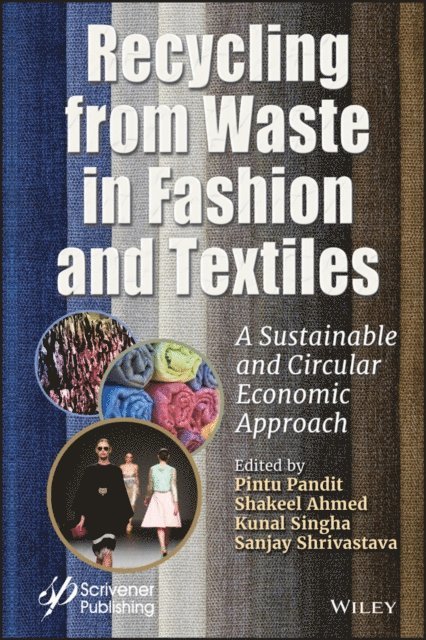
The alarming level of greenhouse gases in the environment, fast depleting natural resources and the increasing level of industrial effluents, have made every single manufacturing activity come under the scrutiny of sustainability. When all kinds of waste such as clothes, furniture, carpets, televisions, shoes, paper, food wastes etc. end up in the landfill, only a few of them are naturally decomposed and thus a large majority remains as non-biodegradable. It is for this reason, efforts are concentrated to reduce the burden on earth by this waste, and as far as used textile products are concerned, there are now attempts to recycle or up-cycle. This book addresses the role of sustainability by using textile waste in fashion and textiles with respect to manufacturing, materials, as well as the economic and business challenges and opportunities it poses.
This wide-ranging book comprises 19 chapters on the various topics including:
· Solutions for sustainable fashion and textile industry
· Agro and bio waste in the fashion industry
· Innovating fashion brands by using textile waste
· Waste in handloom textiles
· Business paradigm shifting: 21st century fashion from recycling and upcycling
· Utilization of natural waste for sustainable textile coloration
· Circular economy in fashion and textile from waste
· Future pathways of waste utilization for fashion
· Sustainable encapsulation of natural dyes from Plant waste for textiles
· Agro-waste applications for bio-remediation of textile effluent
2 441 kr
Skickas inom 5-8 vardagar
2 772 kr
Läs direkt efter köp
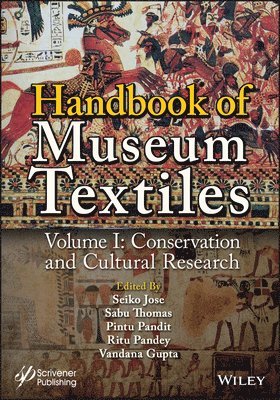
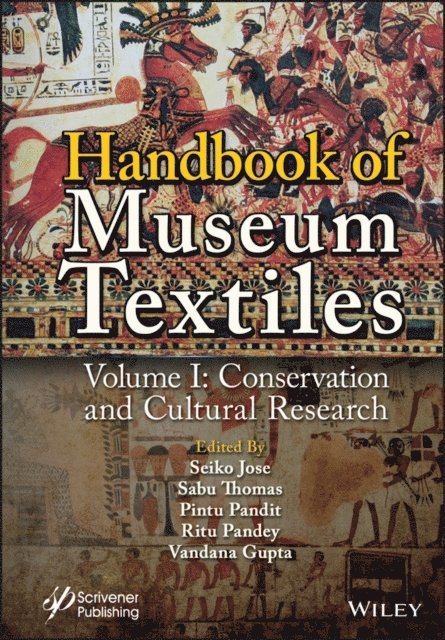
Textiles have been known to us throughout human history and played a vital role in the lives and traditions of people. Clothing was made by using different materials and methods from natural fibers. There are different varieties of textiles, out of which certain traditional textiles, archaeological findings, or fragments are of cultural, historical, and sentimental value such as tapestries, embroideries, flags, shawls, etc. These kinds of textiles, due to their historical use and environmental factors, require special attention to guarantee their long-term stability. Textile conservation is a complex, challenging, and multi-faceted discipline and it is one of the most versatile branches of conservation.
Volume 1 of the Handbook of Museum Textiles focuses on conservation and cultural research and addresses the proper display, storage, upkeep, handling, and conservation technology of textile artifacts to ensure their presence for coming generations. Spread over 19 chapters, the volume is a unique body of knowledge of theoretical and practical details of museum practices. Chapters on textile museums, the importance of cultural heritage, conservation, and documentation of textiles are covered in depth. Conservation case studies and examples are highlighted in many chapters. Management practices and guidelines to pursue a career in the museum textile field have been given due attention. The respective authors of the chapters are of international repute and are researchers, academicians, conservators, and curators in this field.
Audience
The book is a unique asset for textile researchers, fine art scholars, archaeologists, museum curators, designers, and those who are interested in the field of traditional or historic textile collections.
2 748 kr
Läs direkt efter köp
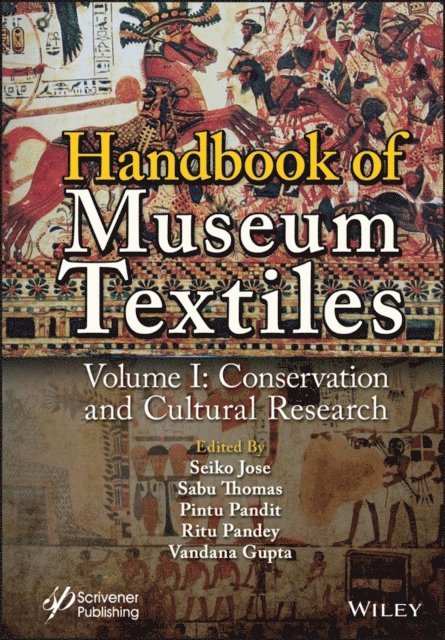
Textiles have been known to us throughout human history and played a vital role in the lives and traditions of people. Clothing was made by using different materials and methods from natural fibers. There are different varieties of textiles, out of which certain traditional textiles, archaeological findings, or fragments are of cultural, historical, and sentimental value such as tapestries, embroideries, flags, shawls, etc. These kinds of textiles, due to their historical use and environmental factors, require special attention to guarantee their long-term stability. Textile conservation is a complex, challenging, and multi-faceted discipline and it is one of the most versatile branches of conservation.
Volume 1 of the Handbook of Museum Textiles focuses on conservation and cultural research and addresses the proper display, storage, upkeep, handling, and conservation technology of textile artifacts to ensure their presence for coming generations. Spread over 19 chapters, the volume is a unique body of knowledge of theoretical and practical details of museum practices. Chapters on textile museums, the importance of cultural heritage, conservation, and documentation of textiles are covered in depth. Conservation case studies and examples are highlighted in many chapters. Management practices and guidelines to pursue a career in the museum textile field have been given due attention. The respective authors of the chapters are of international repute and are researchers, academicians, conservators, and curators in this field.
Audience
The book is a unique asset for textile researchers, fine art scholars, archaeologists, museum curators, designers, and those who are interested in the field of traditional or historic textile collections.
2 698 kr
Skickas inom 5-8 vardagar
3 022 kr
Läs direkt efter köp
The book covers the best possible innovation and advancement in dyes and pigments for application in textile materials.
Green chemistry can be applied across the life cycle of a chemical-intensive product, including its design, manufacture, use, and ultimate disposal. Innovations to green approaches are required either by developing a whole new set of eco-friendly dyes and pigments or by developing and designing unique dyeing methods.
Textile Dyes and Pigments: A Green Chemistry Approach is a response to the many industries currently using conventional textile dyeing and pigmentation methods that are looking for sustainable green chemical options. It describes the various organic and inorganic color pigments and recent developments in vat, reactive, disperse, acid, and azo dyes and their importance in the field of green chemistry. It also covers the various challenges, opportunities, approaches, techniques, marketing, and alternative procedures/sustainable routes involved in developing textile dyes and pigments with green practices. Moreover, the book addresses the structure, process, and the nitty-gritty of modern dyes and pigments in the textile and garment sectors.
Audience
The book will be of prime interest to researchers and industry manufacturers and engineers in dyes, pigments, textile processing technology, fiber technology, and textile chemistry. It will also be an invaluable reference guide to new scholars and industry personnel who wish to learn about green dyes and pigments and their relevant application processes.
3 022 kr
Läs direkt efter köp
The book covers the best possible innovation and advancement in dyes and pigments for application in textile materials.
Green chemistry can be applied across the life cycle of a chemical-intensive product, including its design, manufacture, use, and ultimate disposal. Innovations to green approaches are required either by developing a whole new set of eco-friendly dyes and pigments or by developing and designing unique dyeing methods.
Textile Dyes and Pigments: A Green Chemistry Approach is a response to the many industries currently using conventional textile dyeing and pigmentation methods that are looking for sustainable green chemical options. It describes the various organic and inorganic color pigments and recent developments in vat, reactive, disperse, acid, and azo dyes and their importance in the field of green chemistry. It also covers the various challenges, opportunities, approaches, techniques, marketing, and alternative procedures/sustainable routes involved in developing textile dyes and pigments with green practices. Moreover, the book addresses the structure, process, and the nitty-gritty of modern dyes and pigments in the textile and garment sectors.
Audience
The book will be of prime interest to researchers and industry manufacturers and engineers in dyes, pigments, textile processing technology, fiber technology, and textile chemistry. It will also be an invaluable reference guide to new scholars and industry personnel who wish to learn about green dyes and pigments and their relevant application processes.
2 512 kr
Skickas inom 5-8 vardagar
2 732 kr
Läs direkt efter köp
Textiles have been known to us throughout human history and played a vital role in the lives and traditions of people. Clothing was made by using different materials and methods from natural fibers. There are different varieties of textiles, out of which certain traditional textiles, archaeological findings, or fragments are of cultural, historical, and sentimental value such as tapestries, embroideries, flags, shawls, etc. These kinds of textiles, due to their historical use and environmental factors, require special attention to guarantee their long-term stability. Textile conservation is a complex, challenging, and multi-faceted discipline and it is one of the most versatile branches of conservation.
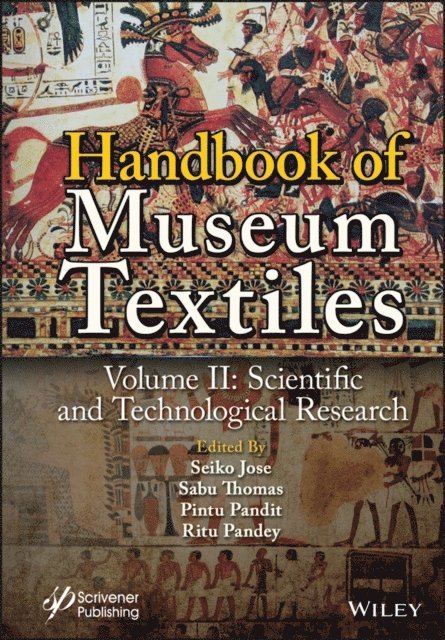
Volume II of the Handbook of Museum Textiles provides precise instruction for conservation techniques to preserve the textile heritage more scientifically and technologically. Additionally, the book covers the most modern techniques used to characterize archaeological textiles and dyes. Progress and innovation in nanotechnology-based interventions in museum textiles are emphasized. Chapters cover the general introduction to biological damage caused by physical and chemical agents and their prevention methods. Information on microscopy and characterization of historical textiles, ancient dyes, and prints is highlighted. Several aspects of assessment of degradation, repair, and stabilization of antique textiles are presented in depth. Experimental research methods for diagnosis and scientific study of fibers and natural dyes using LC-MS and UV-VIS are described. Practical knowledge based on analysis and visualization of historical textiles for the needs of museum conservation, exhibition, digital technology, and virtual museums is addressed as well.
Audience
It will serve as an educational asset and tool for researchers, art scholars, archaeologists, museum curators, and those who are interested in the field of traditional or historic textile collections.
2 732 kr
Läs direkt efter köp
Textiles have been known to us throughout human history and played a vital role in the lives and traditions of people. Clothing was made by using different materials and methods from natural fibers. There are different varieties of textiles, out of which certain traditional textiles, archaeological findings, or fragments are of cultural, historical, and sentimental value such as tapestries, embroideries, flags, shawls, etc. These kinds of textiles, due to their historical use and environmental factors, require special attention to guarantee their long-term stability. Textile conservation is a complex, challenging, and multi-faceted discipline and it is one of the most versatile branches of conservation.
Volume II of the Handbook of Museum Textiles provides precise instruction for conservation techniques to preserve the textile heritage more scientifically and technologically. Additionally, the book covers the most modern techniques used to characterize archaeological textiles and dyes. Progress and innovation in nanotechnology-based interventions in museum textiles are emphasized. Chapters cover the general introduction to biological damage caused by physical and chemical agents and their prevention methods. Information on microscopy and characterization of historical textiles, ancient dyes, and prints is highlighted. Several aspects of assessment of degradation, repair, and stabilization of antique textiles are presented in depth. Experimental research methods for diagnosis and scientific study of fibers and natural dyes using LC-MS and UV-VIS are described. Practical knowledge based on analysis and visualization of historical textiles for the needs of museum conservation, exhibition, digital technology, and virtual museums is addressed as well.
Audience
It will serve as an educational asset and tool for researchers, art scholars, archaeologists, museum curators, and those who are interested in the field of traditional or historic textile collections.