Seiko Jose – författare
3 184 kr
Skickas inom 10-15 vardagar
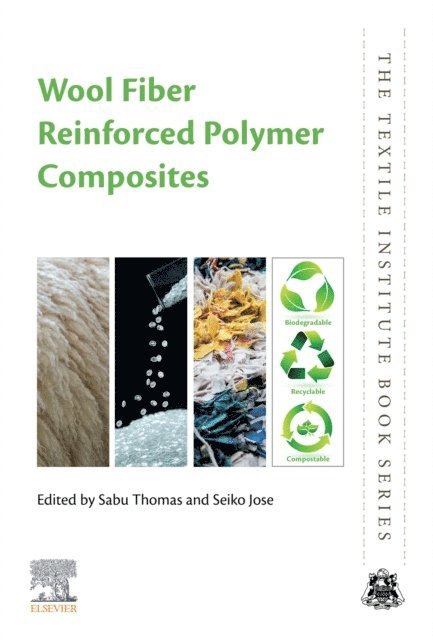
Wool Fiber Reinforced Polymer Composites is an in-depth and practical exploration of wool-based composites, covering everything from the morphology of wool fiber to the industrial applications of wool composites. Wool has emerged in the top position for this role because of its unique characteristics. While fine wool is too costly for many such applications, coarse wool of greater than 35 microns fiber length is globally under-utilized. This pioneering book describes every form of wool composite, woven, nonwoven, felt and fiber, including different fabrication methods.
In unique detail, the international team of expert contributors describe the morphology, structure and properties of wool, methods for the chemical modification of wool, different forms of wool-polymer composites, and many exciting emerging applications.
Provides technical details on a wide range of applications of wool-fiber polymer composites, including in construction and medicine Draws on an interdisciplinary panel of experts from fields such as textiles, polymer science and chemistry to create a guide for readers of all backgrounds Describes wool characterization techniques in detail4 539 kr
Läs direkt efter köp
3 371 kr
Skickas inom 10-15 vardagar
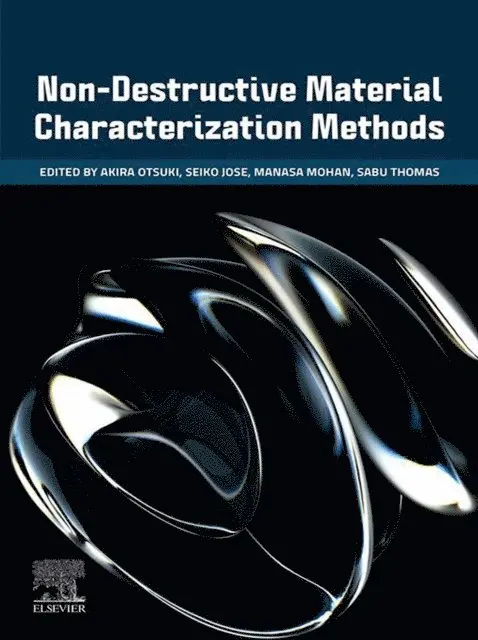
Non-Destructive Material Characterization Methods provides readers with a trove of theoretical and practical insight into how to implement different non-destructive testing methods for effective material characterization. The book starts with an introduction to the field before moving right into a discussion of a wide range of techniques that can be immediately implemented. Various imaging and microscopy techniques are first covered, with step-by-step insights on characterization using a polarized microscope, an atomic force microscope, computed tomography, ultrasonography, magnetic resonance imaging, infrared tomography, and more. Each chapter includes case studies, applications, and recent developments.
From there, elemental assay and mapping techniques are discussed, including Raman spectroscopy, UV spectroscopy, atomic absorption spectroscopy, neutron activation analysis, and various others. The book concludes with sections covering displacement measurement techniques, large-scale facility techniques, and methods involving multiscale analysis and advanced analysis.
Provides an overview of a wide-range of NDT material characterization methods, strengths and weaknesses of these methods, when to apply them, and more Includes eddy current sensing and imaging, ultrasonic sensing and imaging, RF and THz imaging, internet and cloud-based methods, among many others Presents case studies, applications and other insights on putting these methods into practice4 806 kr
Läs direkt efter köp
2 686 kr
Skickas inom 10-15 vardagar
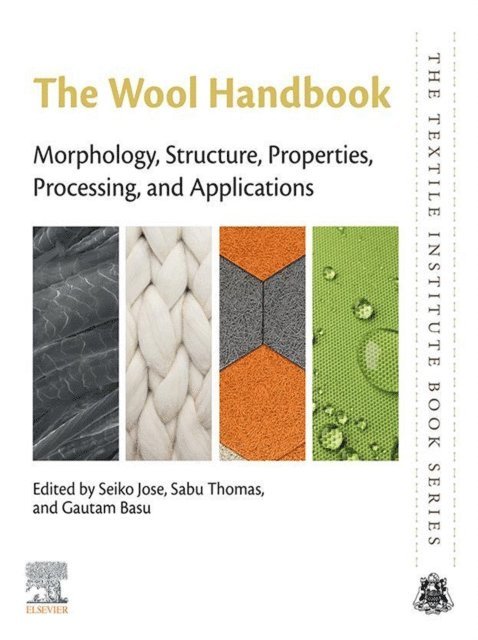
The Wool Handbook: Morphology, Structure, Property and Applications explores the fundamental aspects of wool fibers as well as traditional and novel applications of wool in areas including polymer composites and technical textiles. Apart from textiles and garments, wool has long been used for various diversified applications due to its unique material properties. Wool is inherently fire resistant, antimicrobial, flexible and antibacterial, and as a natural material, it can be used to create environmentally sustainable products. This book explains basic and advanced topics related to wool fibers, from shearing to marketing, drawing on academic and industrial research from a range of subjects.
Providing statistics, processing methods, and testing and characterization techniques for wool fiber, this book will help readers to use wool fibers to find new applications and solutions.
Provides advanced testing methods to explore the material characteristics of wool Includes the latest industrial methods for physical and chemical processing of wool Presents case studies on how wool fibers have been made into successful bio-based composite and textile products3 471 kr
Läs direkt efter köp
2 063 kr
Skickas inom 10-15 vardagar
2 611 kr
Läs direkt efter köp
2 430 kr
Skickas inom 5-8 vardagar
2 847 kr
Läs direkt efter köp
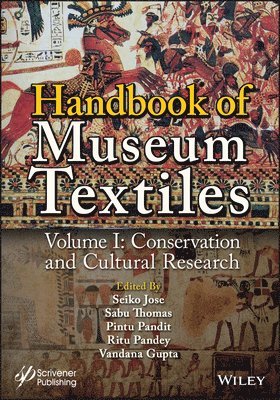
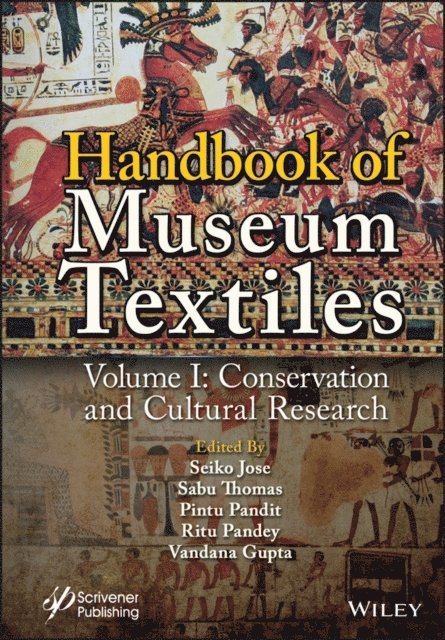
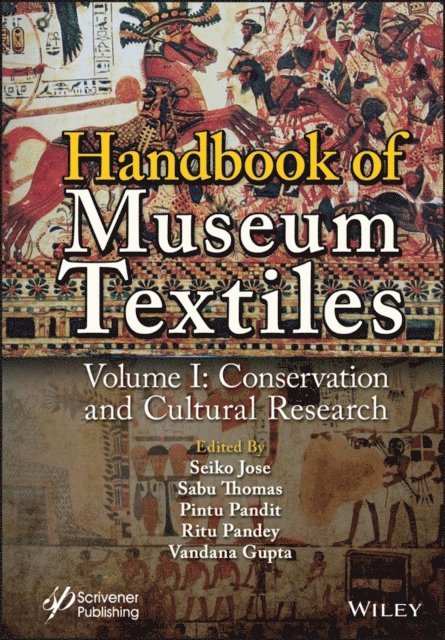
Textiles have been known to us throughout human history and played a vital role in the lives and traditions of people. Clothing was made by using different materials and methods from natural fibers. There are different varieties of textiles, out of which certain traditional textiles, archaeological findings, or fragments are of cultural, historical, and sentimental value such as tapestries, embroideries, flags, shawls, etc. These kinds of textiles, due to their historical use and environmental factors, require special attention to guarantee their long-term stability. Textile conservation is a complex, challenging, and multi-faceted discipline and it is one of the most versatile branches of conservation.
Volume 1 of the Handbook of Museum Textiles focuses on conservation and cultural research and addresses the proper display, storage, upkeep, handling, and conservation technology of textile artifacts to ensure their presence for coming generations. Spread over 19 chapters, the volume is a unique body of knowledge of theoretical and practical details of museum practices. Chapters on textile museums, the importance of cultural heritage, conservation, and documentation of textiles are covered in depth. Conservation case studies and examples are highlighted in many chapters. Management practices and guidelines to pursue a career in the museum textile field have been given due attention. The respective authors of the chapters are of international repute and are researchers, academicians, conservators, and curators in this field.
Audience
The book is a unique asset for textile researchers, fine art scholars, archaeologists, museum curators, designers, and those who are interested in the field of traditional or historic textile collections.
2 847 kr
Läs direkt efter köp
Textiles have been known to us throughout human history and played a vital role in the lives and traditions of people. Clothing was made by using different materials and methods from natural fibers. There are different varieties of textiles, out of which certain traditional textiles, archaeological findings, or fragments are of cultural, historical, and sentimental value such as tapestries, embroideries, flags, shawls, etc. These kinds of textiles, due to their historical use and environmental factors, require special attention to guarantee their long-term stability. Textile conservation is a complex, challenging, and multi-faceted discipline and it is one of the most versatile branches of conservation.
Volume 1 of the Handbook of Museum Textiles focuses on conservation and cultural research and addresses the proper display, storage, upkeep, handling, and conservation technology of textile artifacts to ensure their presence for coming generations. Spread over 19 chapters, the volume is a unique body of knowledge of theoretical and practical details of museum practices. Chapters on textile museums, the importance of cultural heritage, conservation, and documentation of textiles are covered in depth. Conservation case studies and examples are highlighted in many chapters. Management practices and guidelines to pursue a career in the museum textile field have been given due attention. The respective authors of the chapters are of international repute and are researchers, academicians, conservators, and curators in this field.
Audience
The book is a unique asset for textile researchers, fine art scholars, archaeologists, museum curators, designers, and those who are interested in the field of traditional or historic textile collections.
2 502 kr
Skickas inom 5-8 vardagar
2 832 kr
Läs direkt efter köp
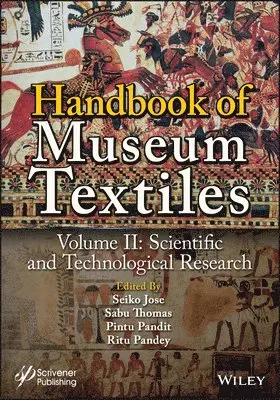
Textiles have been known to us throughout human history and played a vital role in the lives and traditions of people. Clothing was made by using different materials and methods from natural fibers. There are different varieties of textiles, out of which certain traditional textiles, archaeological findings, or fragments are of cultural, historical, and sentimental value such as tapestries, embroideries, flags, shawls, etc. These kinds of textiles, due to their historical use and environmental factors, require special attention to guarantee their long-term stability. Textile conservation is a complex, challenging, and multi-faceted discipline and it is one of the most versatile branches of conservation.
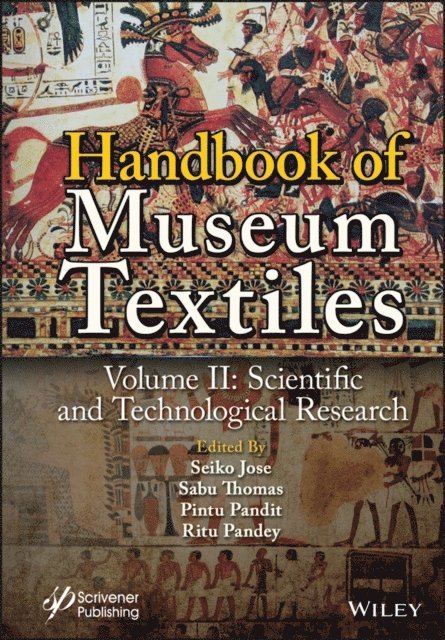
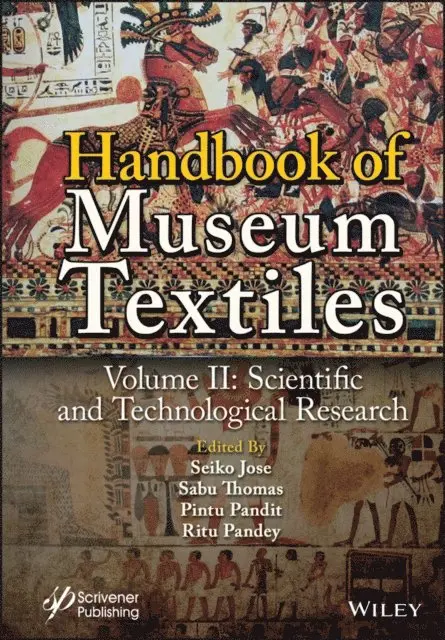
Volume II of the Handbook of Museum Textiles provides precise instruction for conservation techniques to preserve the textile heritage more scientifically and technologically. Additionally, the book covers the most modern techniques used to characterize archaeological textiles and dyes. Progress and innovation in nanotechnology-based interventions in museum textiles are emphasized. Chapters cover the general introduction to biological damage caused by physical and chemical agents and their prevention methods. Information on microscopy and characterization of historical textiles, ancient dyes, and prints is highlighted. Several aspects of assessment of degradation, repair, and stabilization of antique textiles are presented in depth. Experimental research methods for diagnosis and scientific study of fibers and natural dyes using LC-MS and UV-VIS are described. Practical knowledge based on analysis and visualization of historical textiles for the needs of museum conservation, exhibition, digital technology, and virtual museums is addressed as well.
Audience
It will serve as an educational asset and tool for researchers, art scholars, archaeologists, museum curators, and those who are interested in the field of traditional or historic textile collections.
2 832 kr
Läs direkt efter köp
Textiles have been known to us throughout human history and played a vital role in the lives and traditions of people. Clothing was made by using different materials and methods from natural fibers. There are different varieties of textiles, out of which certain traditional textiles, archaeological findings, or fragments are of cultural, historical, and sentimental value such as tapestries, embroideries, flags, shawls, etc. These kinds of textiles, due to their historical use and environmental factors, require special attention to guarantee their long-term stability. Textile conservation is a complex, challenging, and multi-faceted discipline and it is one of the most versatile branches of conservation.
Volume II of the Handbook of Museum Textiles provides precise instruction for conservation techniques to preserve the textile heritage more scientifically and technologically. Additionally, the book covers the most modern techniques used to characterize archaeological textiles and dyes. Progress and innovation in nanotechnology-based interventions in museum textiles are emphasized. Chapters cover the general introduction to biological damage caused by physical and chemical agents and their prevention methods. Information on microscopy and characterization of historical textiles, ancient dyes, and prints is highlighted. Several aspects of assessment of degradation, repair, and stabilization of antique textiles are presented in depth. Experimental research methods for diagnosis and scientific study of fibers and natural dyes using LC-MS and UV-VIS are described. Practical knowledge based on analysis and visualization of historical textiles for the needs of museum conservation, exhibition, digital technology, and virtual museums is addressed as well.
Audience
It will serve as an educational asset and tool for researchers, art scholars, archaeologists, museum curators, and those who are interested in the field of traditional or historic textile collections.
1 941 kr
Skickas
2 484 kr
Läs direkt efter köp
Comprehensive overview of materials derived from biomass, including extraction techniques, important building blocks, and a wide range of applications
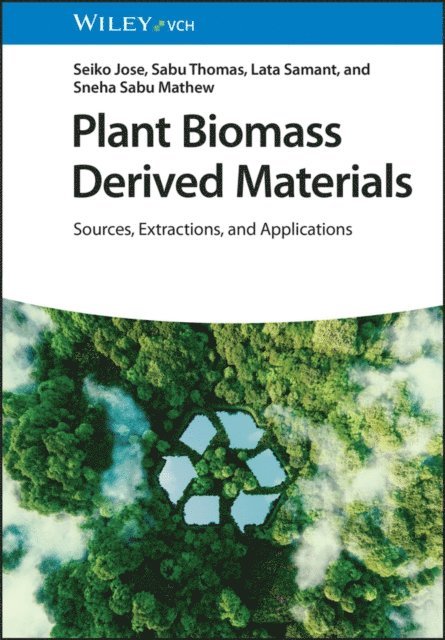
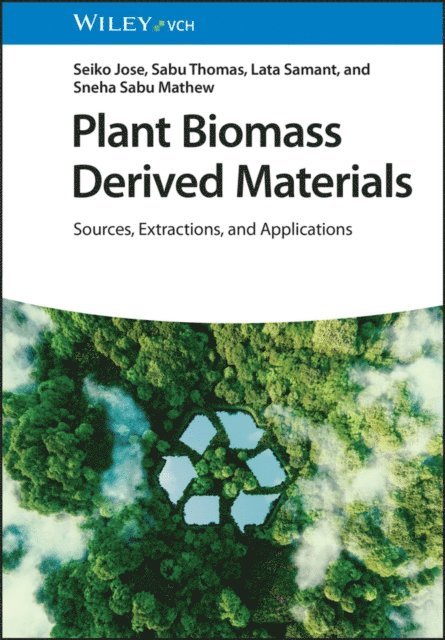
Plant Biomass Derived Materials provides insights into the different sources and kinds of biomass and covers a variety of techniques to derive important building blocks from raw resources; after foundational knowledge is covered, the text continues to discuss a comprehensive list of materials and applications, ranging from nanomaterials, polymers, enzymes, dyes, and composites, to applications in energy, biomedical, water purification, aeronautics, automotive and food applications, and more.
Written by four highly qualified authors with significant experience in both industry and academia, Plant Biomass Derived Materials includes information on:
Biomass and its relationship to the environment, chemistry of biomass, lignin and starch, and recent trends of cashew nutshell liquid in the field Plant biomass mucilage, plant based colorants, revival of sustainable fungal based natural pigments, and algal-based natural pigments for textiles Biorefinery from plant biomass (including a case study in sugarcane straw), forest and agricultural biomass, and manufacture of monomers and precursors Chemical routes for the transformation of bio-monomers into polymers and manufacture of polymer composites from plant fibersProviding foundational knowledge on the subject and a wide array of specific applications of biomass, Plant Biomass Derived Materials is an essential resource for chemists, materials scientists, and all academics and professionals in fields that intersect with biomass: an abundant renewable resource used for many diverse purposes.
2 484 kr
Läs direkt efter köp
Comprehensive overview of materials derived from biomass, including extraction techniques, important building blocks, and a wide range of applications
Plant Biomass Derived Materials provides insights into the different sources and kinds of biomass and covers a variety of techniques to derive important building blocks from raw resources; after foundational knowledge is covered, the text continues to discuss a comprehensive list of materials and applications, ranging from nanomaterials, polymers, enzymes, dyes, and composites, to applications in energy, biomedical, water purification, aeronautics, automotive and food applications, and more.
Written by four highly qualified authors with significant experience in both industry and academia, Plant Biomass Derived Materials includes information on:
Biomass and its relationship to the environment, chemistry of biomass, lignin and starch, and recent trends of cashew nutshell liquid in the field Plant biomass mucilage, plant based colorants, revival of sustainable fungal based natural pigments, and algal-based natural pigments for textiles Biorefinery from plant biomass (including a case study in sugarcane straw), forest and agricultural biomass, and manufacture of monomers and precursors Chemical routes for the transformation of bio-monomers into polymers and manufacture of polymer composites from plant fibersProviding foundational knowledge on the subject and a wide array of specific applications of biomass, Plant Biomass Derived Materials is an essential resource for chemists, materials scientists, and all academics and professionals in fields that intersect with biomass: an abundant renewable resource used for many diverse purposes.