Punit Gupta – författare
Visar alla böcker från författaren Punit Gupta. Handla med fri frakt och snabb leverans.
20 produkter
20 produkter
Inbunden, Engelska, 2022
2 070 kr
Skickas inom 10-15 vardagar
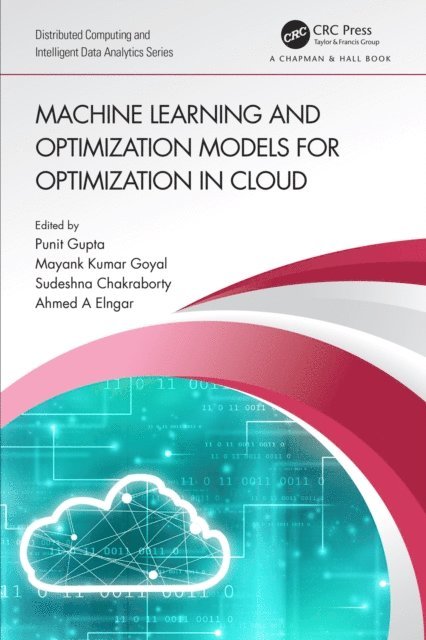
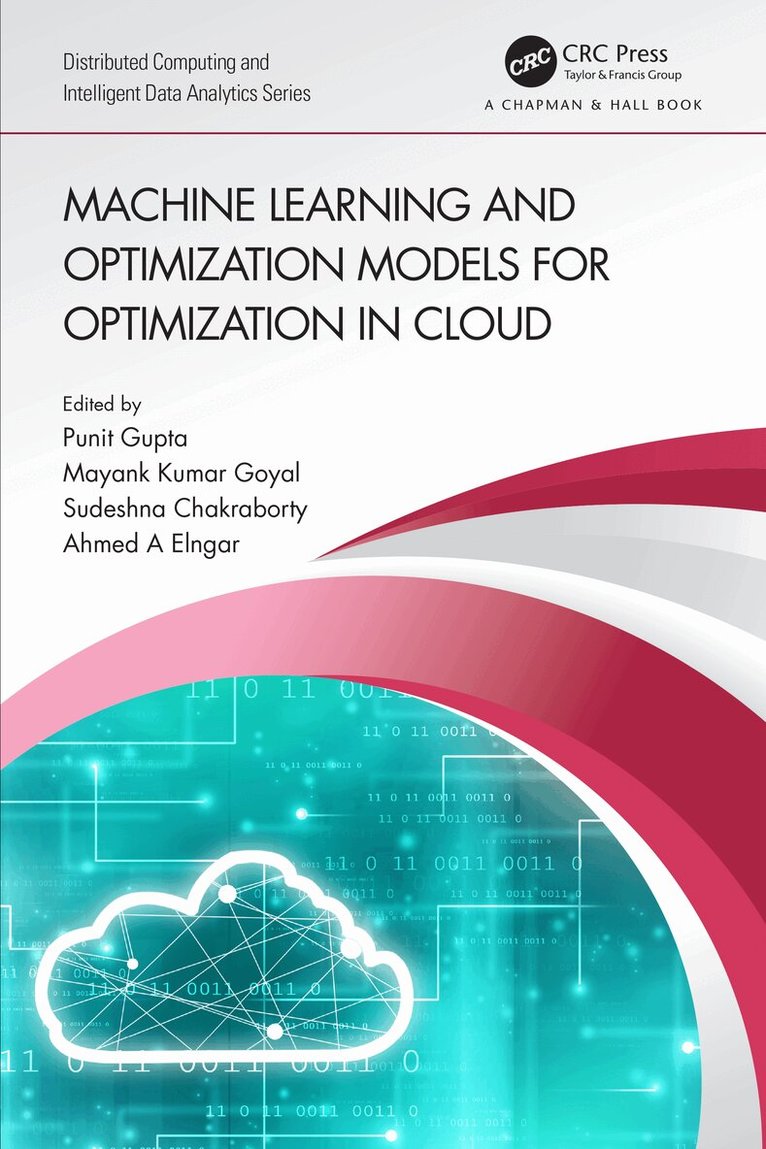
Machine Learning and Models for Optimization in Cloud’s main aim is to meet the user requirement with high quality of service, least time for computation and high reliability. With increase in services migrating over cloud providers, the load over the cloud increases resulting in fault and various security failure in the system results in decreasing reliability. To fulfill this requirement cloud system uses intelligent metaheuristic and prediction algorithm to provide resources to the user in an efficient manner to manage the performance of the system and plan for upcoming requests. Intelligent algorithm helps the system to predict and find a suitable resource for a cloud environment in real time with least computational complexity taking into mind the system performance in under loaded and over loaded condition.This book discusses the future improvements and possible intelligent optimization models using artificial intelligence, deep learning techniques and other hybrid models to improve the performance of cloud. Various methods to enhance the directivity of cloud services have been presented which would enable cloud to provide better services, performance and quality of service to user. It talks about the next generation intelligent optimization and fault model to improve security and reliability of cloud.Key Features· Comprehensive introduction to cloud architecture and its service models.· Vulnerability and issues in cloud SAAS, PAAS and IAAS· Fundamental issues related to optimizing the performance in Cloud Computing using meta-heuristic, AI and ML models· Detailed study of optimization techniques, and fault management techniques in multi layered cloud.· Methods to improve reliability and fault in cloud using nature inspired algorithms and artificial neural network.· Advanced study of algorithms using artificial intelligence for optimization in cloud· Method for power efficient virtual machine placement using neural network in cloud· Method for task scheduling using metaheuristic algorithms.· A study of machine learning and deep learning inspired resource allocation algorithm for cloud in fault aware environment.This book aims to create a research interest & motivation for graduates degree or post-graduates. It aims to present a study on optimization algorithms in cloud for researchers to provide them with a glimpse of future of cloud computing in the era of artificial intelligence.
Häftad, Engelska, 2025
747 kr
Skickas inom 10-15 vardagar
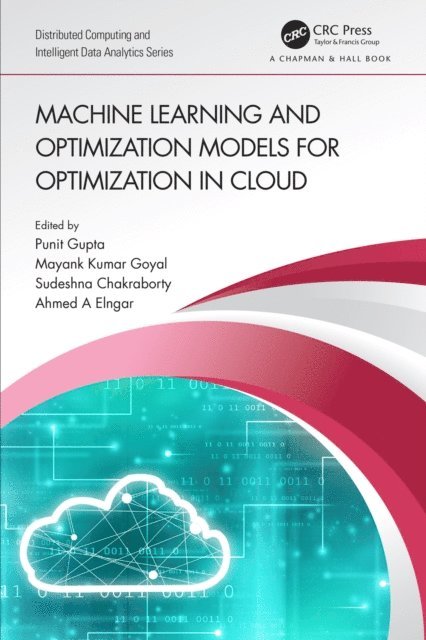
Machine Learning and Models for Optimization in Cloud’s main aim is to meet the user requirement with high quality of service, least time for computation and high reliability. With increase in services migrating over cloud providers, the load over the cloud increases resulting in fault and various security failure in the system results in decreasing reliability. To fulfill this requirement cloud system uses intelligent metaheuristic and prediction algorithm to provide resources to the user in an efficient manner to manage the performance of the system and plan for upcoming requests. Intelligent algorithm helps the system to predict and find a suitable resource for a cloud environment in real time with least computational complexity taking into mind the system performance in under loaded and over loaded condition.This book discusses the future improvements and possible intelligent optimization models using artificial intelligence, deep learning techniques and other hybrid models to improve the performance of cloud. Various methods to enhance the directivity of cloud services have been presented which would enable cloud to provide better services, performance and quality of service to user. It talks about the next generation intelligent optimization and fault model to improve security and reliability of cloud.Key Features· Comprehensive introduction to cloud architecture and its service models.· Vulnerability and issues in cloud SAAS, PAAS and IAAS· Fundamental issues related to optimizing the performance in Cloud Computing using meta-heuristic, AI and ML models· Detailed study of optimization techniques, and fault management techniques in multi layered cloud.· Methods to improve reliability and fault in cloud using nature inspired algorithms and artificial neural network.· Advanced study of algorithms using artificial intelligence for optimization in cloud· Method for power efficient virtual machine placement using neural network in cloud· Method for task scheduling using metaheuristic algorithms.· A study of machine learning and deep learning inspired resource allocation algorithm for cloud in fault aware environment.This book aims to create a research interest & motivation for graduates degree or post-graduates. It aims to present a study on optimization algorithms in cloud for researchers to provide them with a glimpse of future of cloud computing in the era of artificial intelligence.
Inbunden, Engelska, 2022
1 359 kr
Skickas inom 10-15 vardagar
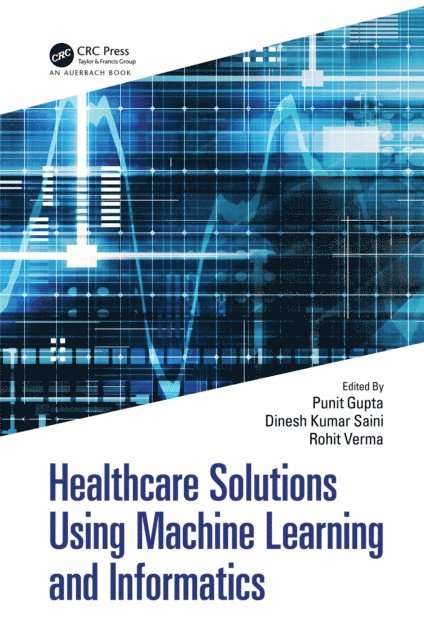
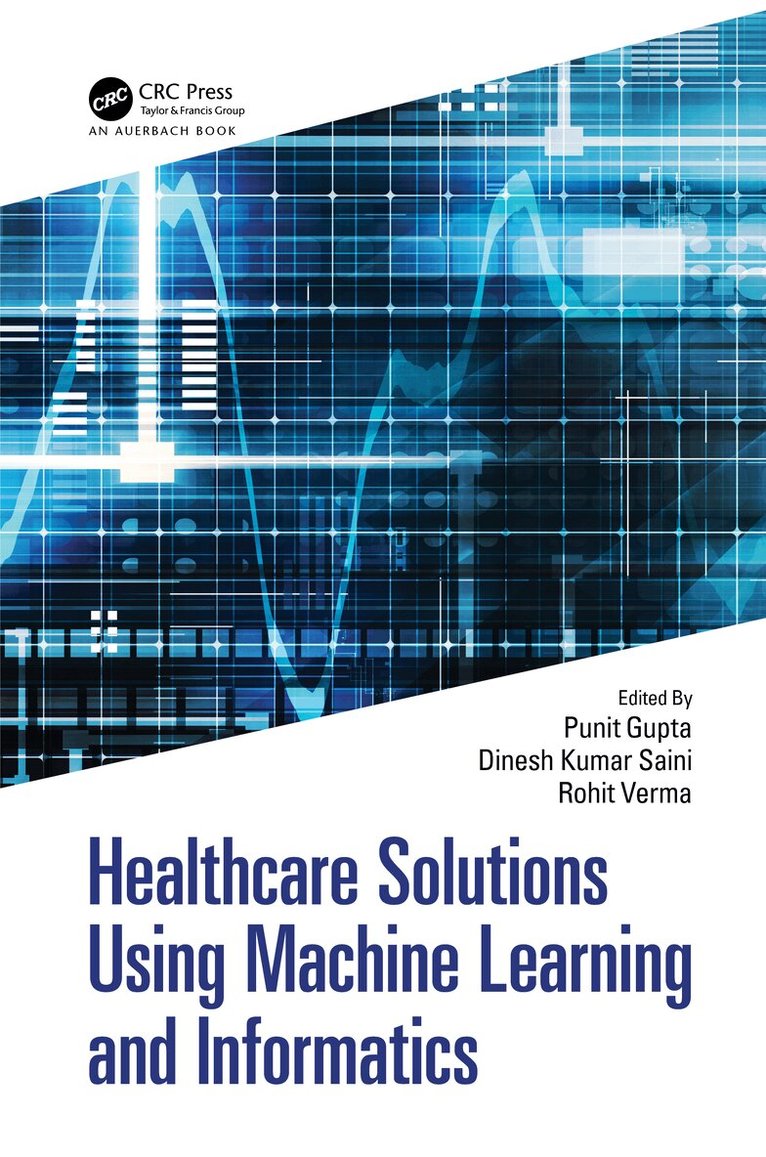
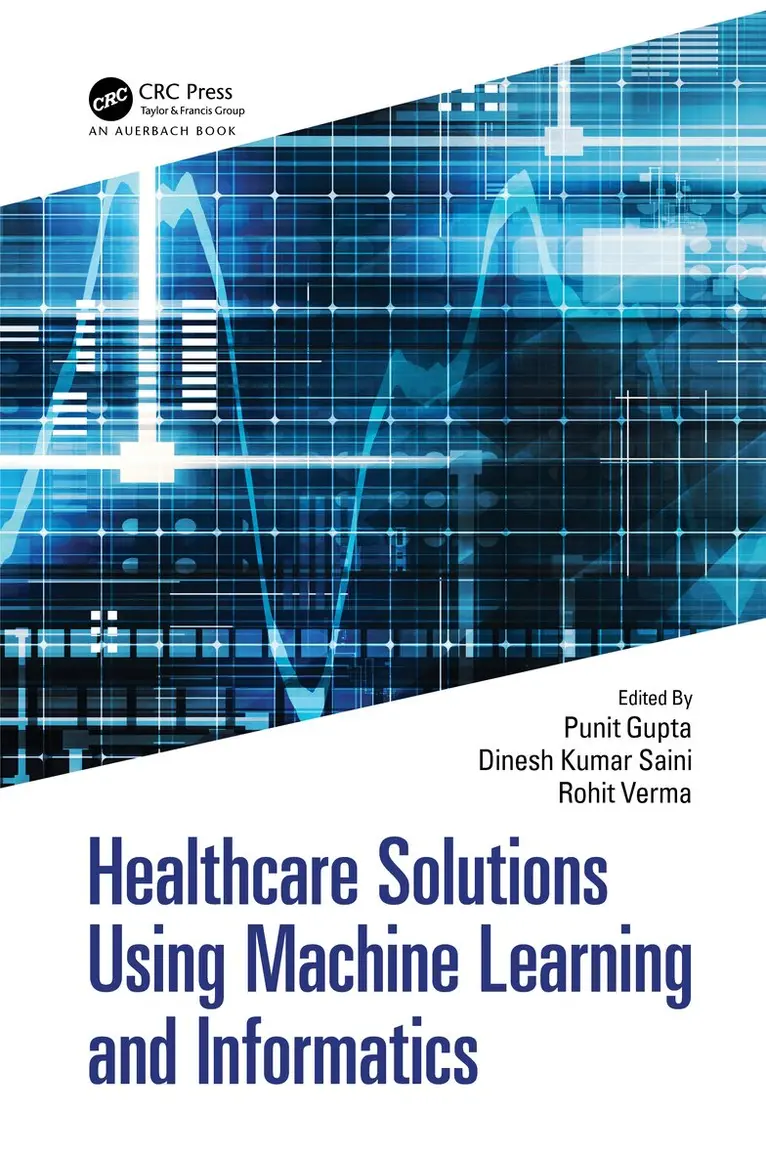
Healthcare Solutions Using Machine Learning and Informatics covers novel and innovative solutions for healthcare that apply machine learning and biomedical informatics technology. The healthcare sector is one of the most critical in society. This book presents a series of artificial intelligence, machine learning, and intelligent IoT-based solutions for medical image analysis, medical big-data processing, and disease predictions. Machine learning and artificial intelligence use cases in healthcare presented in the book give researchers, practitioners, and students a wide range of practical examples of cross-domain convergence.The wide variety of topics covered include:Artificial Intelligence in healthcareMachine learning solutions for such disease as diabetes, arthritis, cardiovascular disease, and COVID-19Big data analytics solutions for healthcare data processingReliable biomedical applications using AI modelsIntelligent IoT in healthcareThe book explains fundamental concepts as well as the advanced use cases, illustrating how to apply emerging technologies such as machine learning, AI models, and data informatics into practice to tackle challenges in the field of healthcare with real-world scenarios. Chapters contributed by noted academicians and professionals examine various solutions, frameworks, applications, case studies, and best practices in the healthcare domain.
Inbunden, Engelska, 2023
1 734 kr
Skickas inom 10-15 vardagar
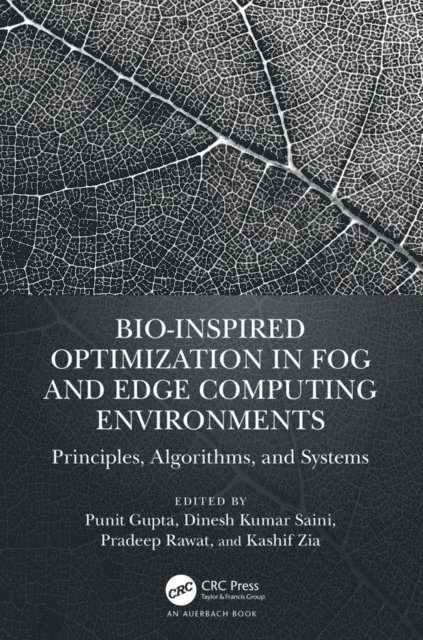
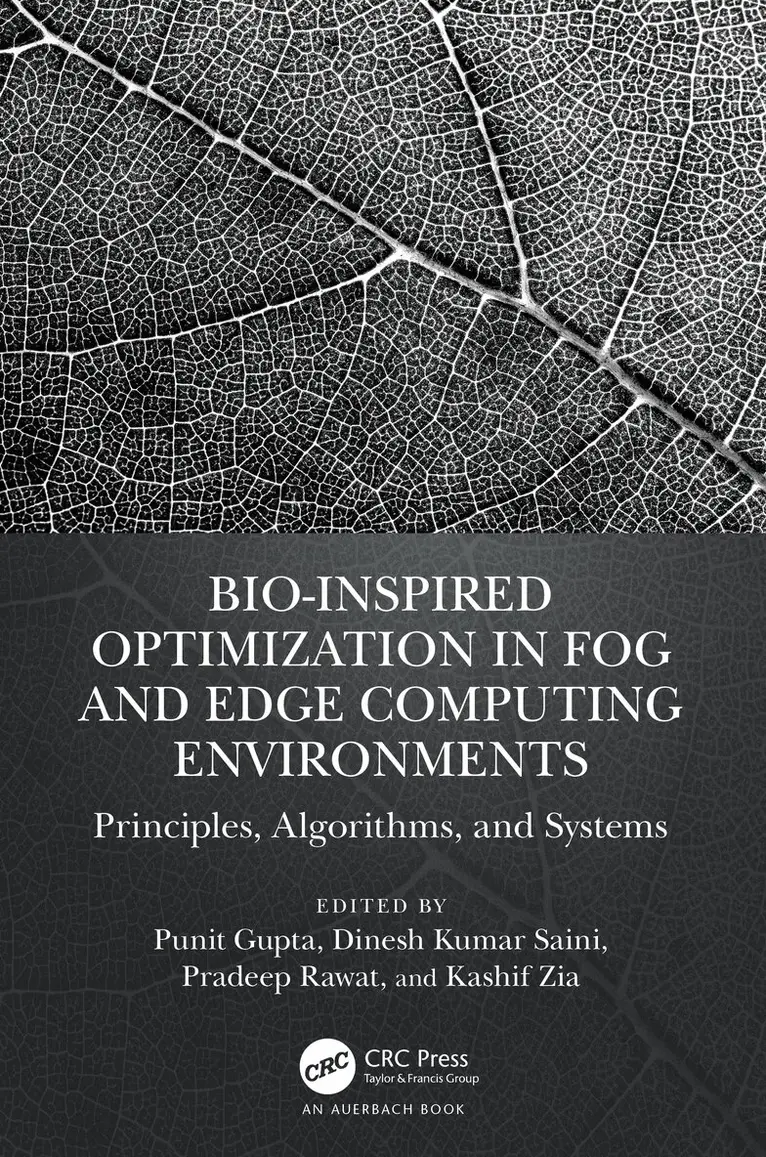
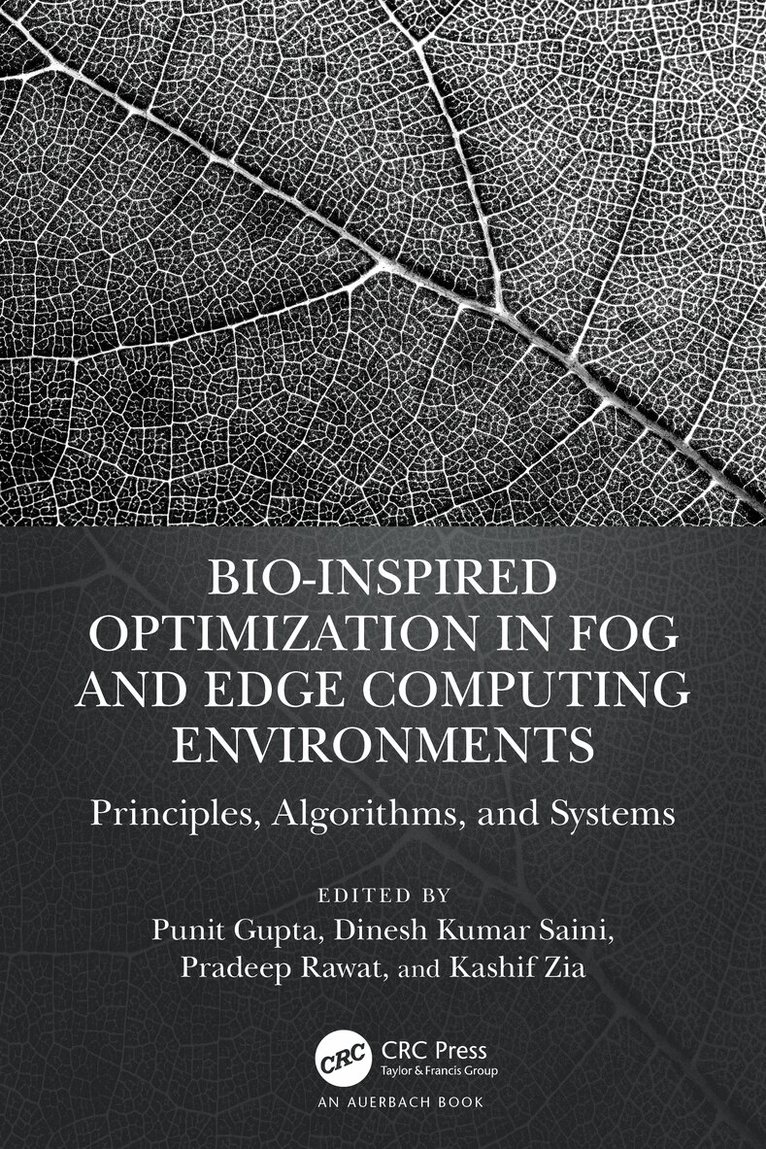
A new era of complexity science is emerging, in which nature- and bio-inspired principles are being applied to provide solutions. At the same time, the complexity of systems is increasing due to such models like the Internet of Things (IoT) and fog computing. Will complexity science, applying the principles of nature, be able to tackle the challenges posed by highly complex networked systems?Bio-Inspired Optimization in Fog and Edge Computing: Principles, Algorithms, and Systems is an attempt to answer this question. It presents innovative, bio-inspired solutions for fog and edge computing and highlights the role of machine learning and informatics. Nature- or biological-inspired techniques are successful tools to understand and analyze a collective behavior. As this book demonstrates, algorithms, and mechanisms of self-organization of complex natural systems have been used to solve optimization problems, particularly in complex systems that are adaptive, ever-evolving, and distributed in nature.The chapters look at ways of enhancingto enhance the performance of fog networks in real-world applications using nature-based optimization techniques. They discuss challenges and provide solutions to the concerns of security, privacy, and power consumption in cloud data center nodes and fog computing networks. The book also examines how:The existing fog and edge architecture is used to provide solutions to future challenges.A geographical information system (GIS) can be used with fog computing to help users in an urban region access prime healthcare.An optimization framework helps in cloud resource management.Fog computing can improve the quality, quantity, long-term viability, and cost-effectiveness in agricultural production.Virtualization can support fog computing, increase resources to be allocated, and be applied to different network layers.The combination of fog computing and IoT or cloud computing can help healthcare workers predict and analyze diseases in patients.
Häftad, Engelska, 2025
676 kr
Skickas inom 10-15 vardagar
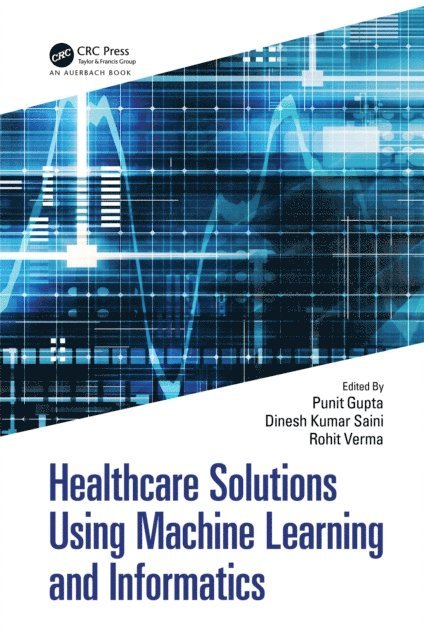
Healthcare Solutions Using Machine Learning and Informatics covers novel and innovative solutions for healthcare that apply machine learning and biomedical informatics technology. The healthcare sector is one of the most critical in society. This book presents a series of artificial intelligence, machine learning, and intelligent IoT-based solutions for medical image analysis, medical big-data processing, and disease predictions. Machine learning and artificial intelligence use cases in healthcare presented in the book give researchers, practitioners, and students a wide range of practical examples of cross-domain convergence.The wide variety of topics covered include:Artificial Intelligence in healthcareMachine learning solutions for such disease as diabetes, arthritis, cardiovascular disease, and COVID-19Big data analytics solutions for healthcare data processingReliable biomedical applications using AI modelsIntelligent IoT in healthcareThe book explains fundamental concepts as well as the advanced use cases, illustrating how to apply emerging technologies such as machine learning, AI models, and data informatics into practice to tackle challenges in the field of healthcare with real-world scenarios. Chapters contributed by noted academicians and professionals examine various solutions, frameworks, applications, case studies, and best practices in the healthcare domain.
Häftad, Engelska, 2024
718 kr
Skickas inom 10-15 vardagar
A new era of complexity science is emerging, in which nature- and bio-inspired principles are being applied to provide solutions. At the same time, the complexity of systems is increasing due to such models like the Internet of Things (IoT) and fog computing. Will complexity science, applying the principles of nature, be able to tackle the challenges posed by highly complex networked systems?Bio-Inspired Optimization in Fog and Edge Computing: Principles, Algorithms, and Systems is an attempt to answer this question. It presents innovative, bio-inspired solutions for fog and edge computing and highlights the role of machine learning and informatics. Nature- or biological-inspired techniques are successful tools to understand and analyze a collective behavior. As this book demonstrates, algorithms, and mechanisms of self-organization of complex natural systems have been used to solve optimization problems, particularly in complex systems that are adaptive, ever-evolving, and distributed in nature.The chapters look at ways of enhancingto enhance the performance of fog networks in real-world applications using nature-based optimization techniques. They discuss challenges and provide solutions to the concerns of security, privacy, and power consumption in cloud data center nodes and fog computing networks. The book also examines how:The existing fog and edge architecture is used to provide solutions to future challenges.A geographical information system (GIS) can be used with fog computing to help users in an urban region access prime healthcare.An optimization framework helps in cloud resource management.Fog computing can improve the quality, quantity, long-term viability, and cost-effectiveness in agricultural production.Virtualization can support fog computing, increase resources to be allocated, and be applied to different network layers.The combination of fog computing and IoT or cloud computing can help healthcare workers predict and analyze diseases in patients.
Inbunden, Engelska, 2024
2 563 kr
Skickas inom 10-15 vardagar
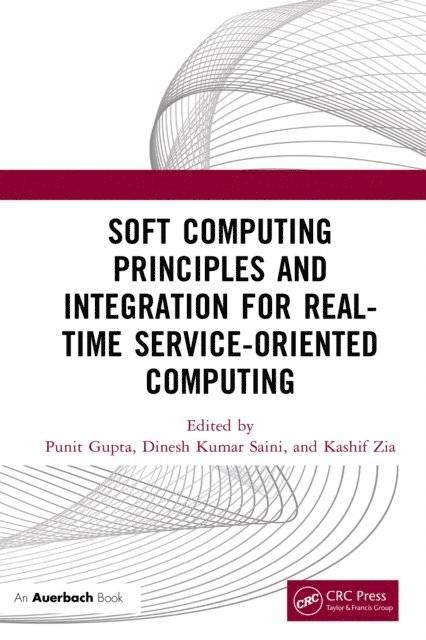
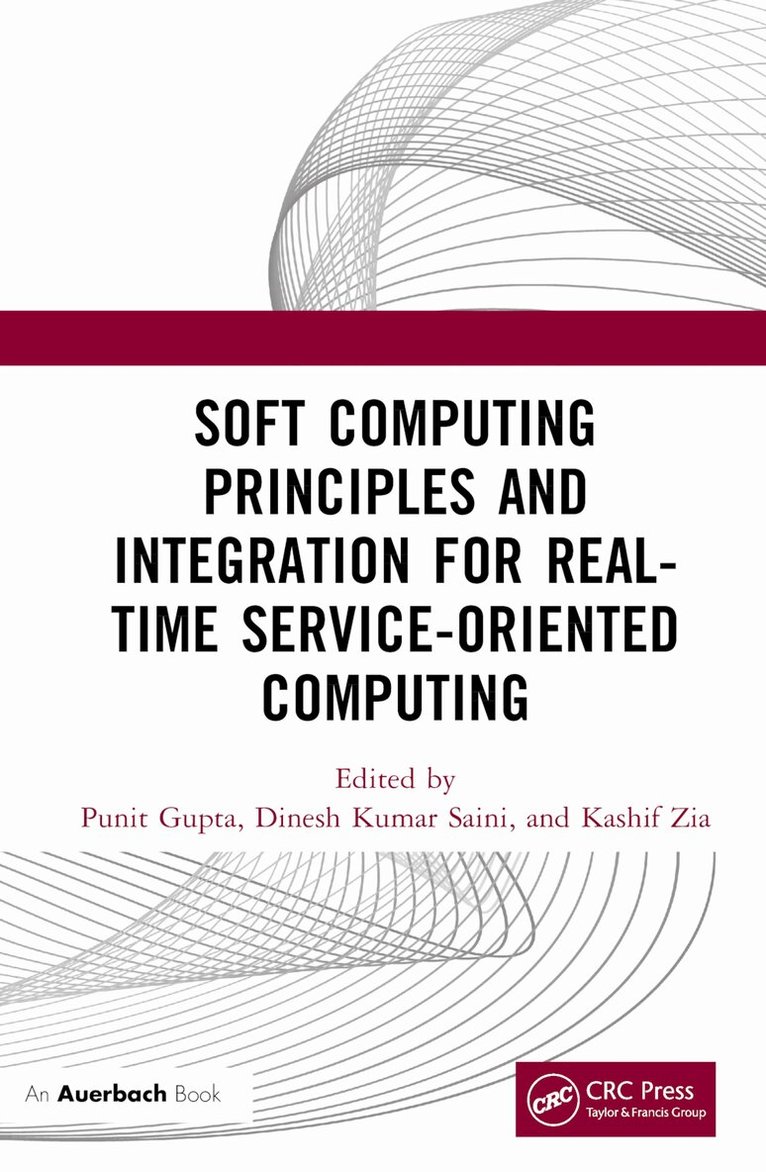
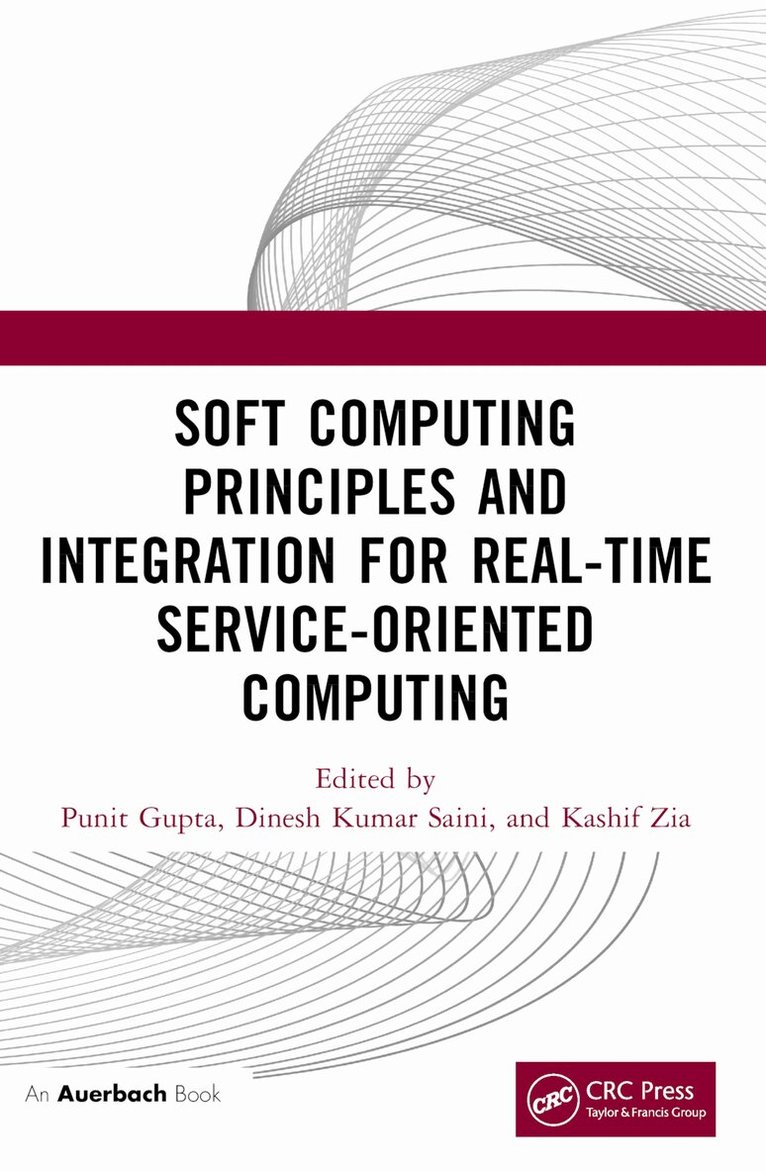
In recent years, soft computing techniques have emerged as a successful tool to understand and analyze the collective behavior of service- oriented computing software. Algorithms and mechanisms of self- organization of complex natural systems have been used to solve problems, particularly in complex systems, which are adaptive, ever- evolving, and distributed in nature across the globe. What fits more perfectly into this scenario other than the rapidly developing era of Fog, IoT, and Edge computing environment? Service- oriented computing can be enhanced with soft computing techniques embedded inside the Cloud, Fog, and IoT systems.Soft Computing Principles and Integration for Real-Time Service-Oriented Computing explores soft computing techniques that have wide application in interdisciplinary areas. These soft computing techniques provide an optimal solution to the optimization problem using single or multiple objectives.The book focuses on basic design principles and analysis of soft computing techniques. It discusses how soft computing techniques can be used to improve quality-of-service in serviceoriented architectures. The book also covers applications and integration of soft computing techniques with a service- oriented computing paradigm. Highlights of the book include:A general introduction to soft computingAn extensive literature study of soft computing techniques and emerging trends Soft computing techniques based on the principles of artificial intelligence, fuzzy logic, and neural networks The implementation of SOC with a focus on service composition and orchestration, quality of service (QoS) considerations, security and privacy concerns, governance challenges, and the integration of legacy systemsThe applications of soft computing in adaptive service composition, intelligent service recommendation, fault detection and diagnosis, SLA management, and securitySuch principles underlying SOC as loose coupling, reusability, interoperability, and abstractionAn IoT based framework for real time data collection and analysis using soft computing
Inbunden, Engelska, 2024
2 425 kr
Skickas inom 10-15 vardagar
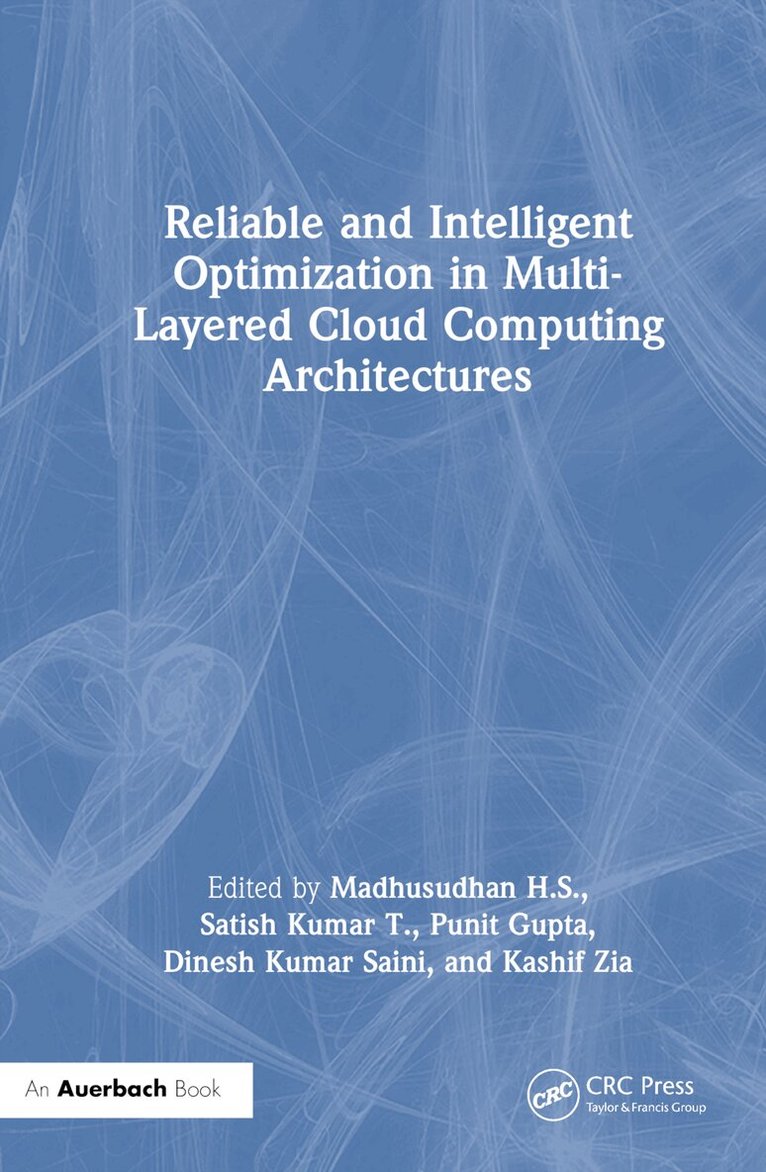
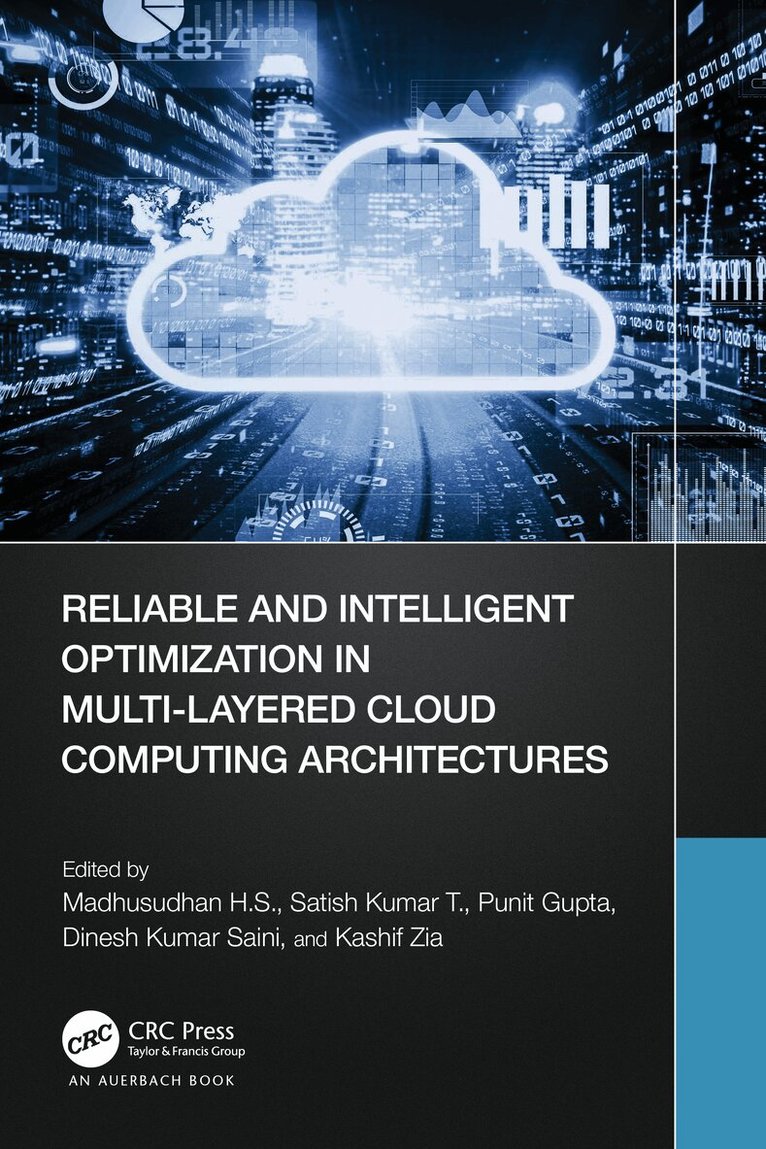
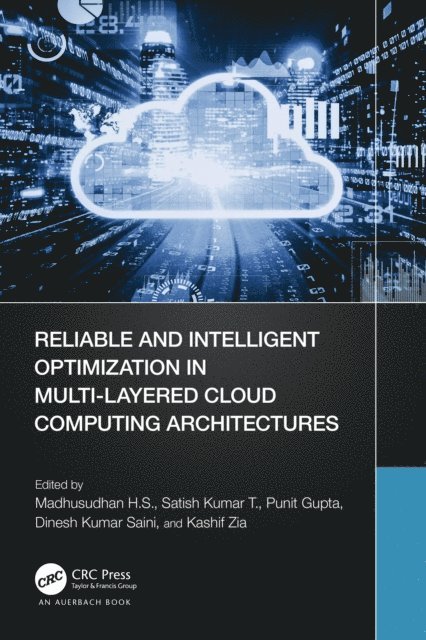
One of the major developments in the computing field has been cloud computing, which enables users to do complicated computations that local devices are unable to handle. The computing power and flexibility that have made the cloud so popular do not come without challenges. It is particularly challenging to decide which resources to use, even when they have the same configuration but different levels of performance because of the variable structure of the available resources. Cloud data centers can host millions of virtual machines, and where to locate these machines in the cloud is a difficult problem. Additionally, fulfilling optimization needs is a complex problem.Reliable and Intelligent Optimization in Multi-Layered Cloud Computing Architectures examines ways to meet these challenges. It discusses virtual machine placement techniques and task scheduling techniques that optimize resource utilization and minimize energy consumption of cloud data centers. Placement techniques presented can provide an optimal solution to the optimization problem using multiple objectives. The book focuses on basic design principles and analysis of virtual machine placement techniques and task allocation techniques. It also looks at virtual machine placement techniques that can improve quality-of-service (QoS) in service-oriented architecture (SOA) computing. The aims of virtual machine placement include minimizing energy usage, network traffic, economical cost, maximizing performance, and maximizing resource utilization. Other highlights of the book include:Improving QoS and resource efficiencyFault-tolerant and reliable resource optimization modelsA reactive fault tolerance method using checkpointing restartCost and network-aware metaheuristics.Virtual machine scheduling and placementElectricity consumption in cloud data centersWritten by leading experts and researchers, this book provides insights and techniques to those dedicated to improving cloud computing and its services.
Häftad, Engelska, 2024
822 kr
Skickas inom 10-15 vardagar
One of the major developments in the computing field has been cloud computing, which enables users to do complicated computations that local devices are unable to handle. The computing power and flexibility that have made the cloud so popular do not come without challenges. It is particularly challenging to decide which resources to use, even when they have the same configuration but different levels of performance because of the variable structure of the available resources. Cloud data centers can host millions of virtual machines, and where to locate these machines in the cloud is a difficult problem. Additionally, fulfilling optimization needs is a complex problem.Reliable and Intelligent Optimization in Multi-Layered Cloud Computing Architectures examines ways to meet these challenges. It discusses virtual machine placement techniques and task scheduling techniques that optimize resource utilization and minimize energy consumption of cloud data centers. Placement techniques presented can provide an optimal solution to the optimization problem using multiple objectives. The book focuses on basic design principles and analysis of virtual machine placement techniques and task allocation techniques. It also looks at virtual machine placement techniques that can improve quality-of-service (QoS) in service-oriented architecture (SOA) computing. The aims of virtual machine placement include minimizing energy usage, network traffic, economical cost, maximizing performance, and maximizing resource utilization. Other highlights of the book include:Improving QoS and resource efficiencyFault-tolerant and reliable resource optimization modelsA reactive fault tolerance method using checkpointing restartCost and network-aware metaheuristics.Virtual machine scheduling and placementElectricity consumption in cloud data centersWritten by leading experts and researchers, this book provides insights and techniques to those dedicated to improving cloud computing and its services.
Inbunden, Engelska, 2024
2 284 kr
Skickas inom 10-15 vardagar
This book focuses on the current trends in research and analysis of virtual machine placement in a cloud data center. It discusses the integration of machine learning models and metaheuristic approaches for placement techniques. Taking into consideration the challenges of energy-efficient resource management in cloud data centers, it emphasizes upon computing resources being suitably utilised to serve application workloads in order to reduce energy utilisation, while maintaining apt performance. This book provides information on fault-tolerant mechanisms in the cloud and provides an outlook on task scheduling techniques.Focuses on virtual machine placement and migration techniques for cloud data centersPresents the role of machine learning and metaheuristic approaches for optimisation in cloud computing servicesIncludes application of placement techniques for quality of service, performance, and reliability improvementExplores data center resource management, load balancing and orchestration using machine learning techniquesAnalyses dynamic and scalable resource scheduling with a focus on resource managementThe text is for postgraduate students, professionals, and academic researchers working in the fields of computer science and information technology.
Häftad, Engelska, 2026
774 kr
Kommande
This book focuses on the current trends in research and analysis of virtual machine placement in a cloud data center. It discusses the integration of machine learning models and metaheuristic approaches for placement techniques. Taking into consideration the challenges of energy-efficient resource management in cloud data centers, it emphasizes upon computing resources being suitably utilised to serve application workloads in order to reduce energy utilisation, while maintaining apt performance. This book provides information on fault-tolerant mechanisms in the cloud and provides an outlook on task scheduling techniques.Focuses on virtual machine placement and migration techniques for cloud data centersPresents the role of machine learning and metaheuristic approaches for optimisation in cloud computing servicesIncludes application of placement techniques for quality of service, performance, and reliability improvementExplores data center resource management, load balancing and orchestration using machine learning techniquesAnalyses dynamic and scalable resource scheduling with a focus on resource managementThe text is for postgraduate students, professionals, and academic researchers working in the fields of computer science and information technology.
Häftad, Engelska, 2025
877 kr
Skickas inom 10-15 vardagar
In recent years, soft computing techniques have emerged as a successful tool to understand and analyze the collective behavior of service- oriented computing software. Algorithms and mechanisms of self- organization of complex natural systems have been used to solve problems, particularly in complex systems, which are adaptive, ever- evolving, and distributed in nature across the globe. What fits more perfectly into this scenario other than the rapidly developing era of Fog, IoT, and Edge computing environment? Service- oriented computing can be enhanced with soft computing techniques embedded inside the Cloud, Fog, and IoT systems.Soft Computing Principles and Integration for Real-Time Service-Oriented Computing explores soft computing techniques that have wide application in interdisciplinary areas. These soft computing techniques provide an optimal solution to the optimization problem using single or multiple objectives.The book focuses on basic design principles and analysis of soft computing techniques. It discusses how soft computing techniques can be used to improve quality-of-service in serviceoriented architectures. The book also covers applications and integration of soft computing techniques with a service- oriented computing paradigm. Highlights of the book include:A general introduction to soft computingAn extensive literature study of soft computing techniques and emerging trends Soft computing techniques based on the principles of artificial intelligence, fuzzy logic, and neural networks The implementation of SOC with a focus on service composition and orchestration, quality of service (QoS) considerations, security and privacy concerns, governance challenges, and the integration of legacy systemsThe applications of soft computing in adaptive service composition, intelligent service recommendation, fault detection and diagnosis, SLA management, and securitySuch principles underlying SOC as loose coupling, reusability, interoperability, and abstractionAn IoT based framework for real time data collection and analysis using soft computing
Inbunden, Engelska, 2025
1 941 kr
Skickas inom 10-15 vardagar
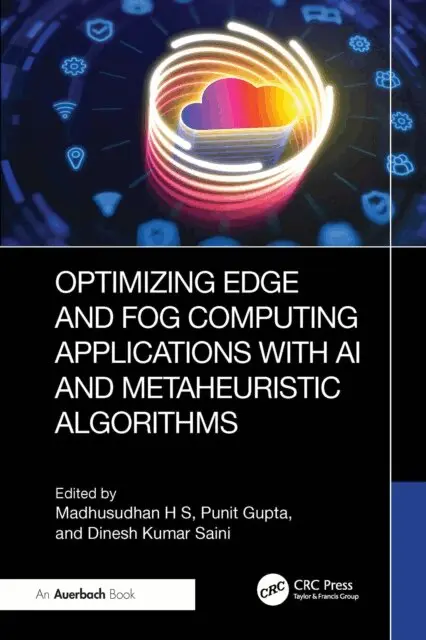
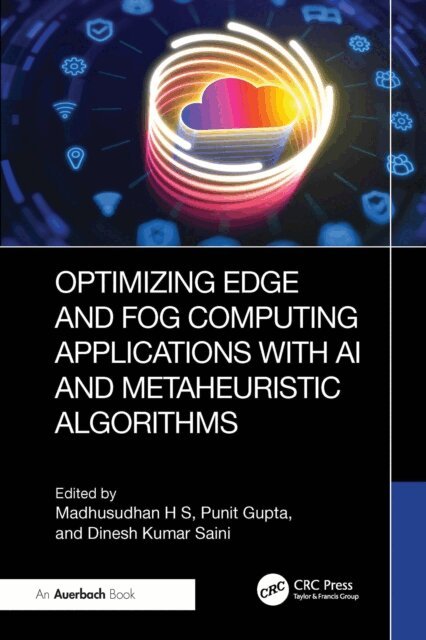
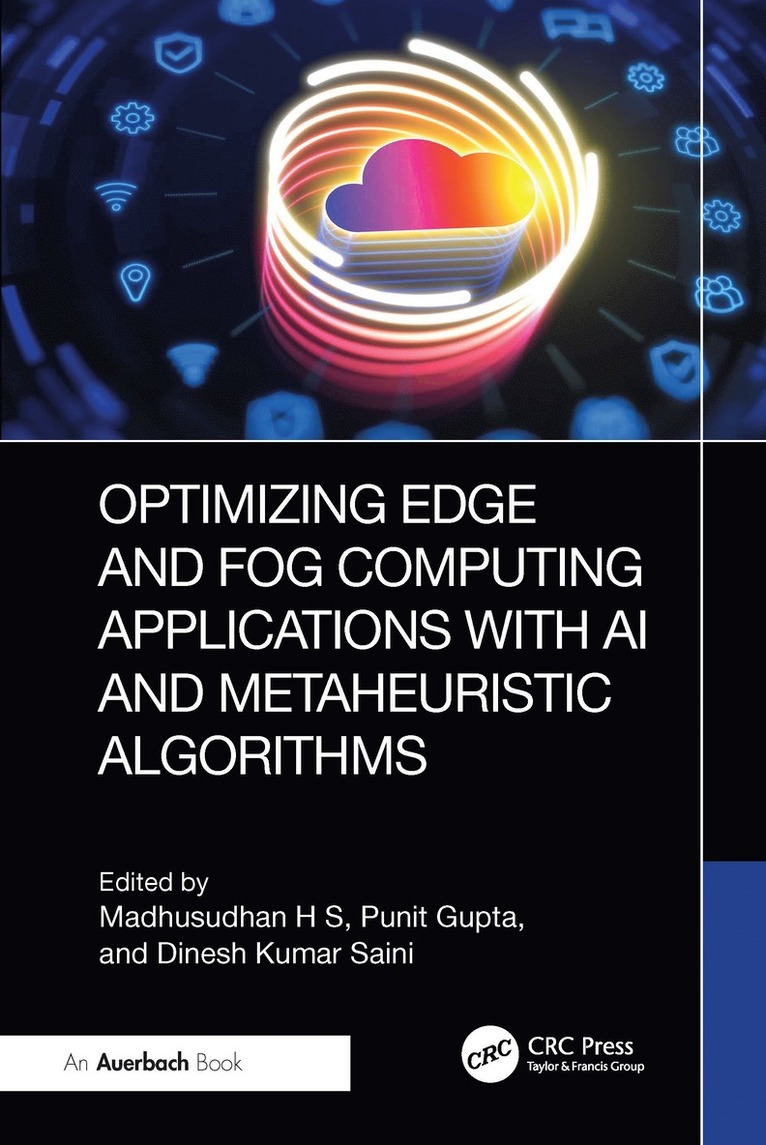
Fog and edge computing are two paradigms that have emerged to address the challenges associated with processing and managing data in the era of the Internet of Things (IoT). Both models involve moving computation and data storage closer to the source of data generation, but they have subtle differences in their architectures and scopes. These differences are one of the subjects covered in Optimizing Edge and Fog Computing Applications with AI and Metaheuristic Algorithms. Other subjects covered in the book include:Designing machine learning (ML) algorithms that are aware of the resource constraints at the edge and fog layers ensures efficient use of computational resourcesResource-aware models using ML and deep leaning models that can adapt their complexity based on available resources and balancing the load, allowing for better scalabilityImplementing secure ML algorithms and models to prevent adversarial attacks and ensure data privacySecuring the communication channels between edge devices, fog nodes, and the cloud to protect model updates and inferencesKubernetes container orchestration for fog computingFederated learning that enables model training across multiple edge devices without the need to share raw dataThe book discusses how resource optimization in fog and edge computing is crucial for achieving efficient and effective processing of data close to the source. It explains how both fog and edge computing aim to enhance system performance, reduce latency, and improve overall resource utilization. It examines the combination of intelligent algorithms, effective communication protocols, and dynamic management strategies required to adapt to changing conditions and workload demands. The book explains how security in fog and edge computing requires a combination of technological measures, advanced techniques, user awareness, and organizational policies to effectively protect data and systems from evolving security threats. Finally, it looks forward with coverage of ongoing research and development, which are essential for refining optimization techniques and ensuring the scalability and sustainability of fog and edge computing environments.
Inbunden, Engelska, 2025
1 928 kr
Skickas inom 10-15 vardagar
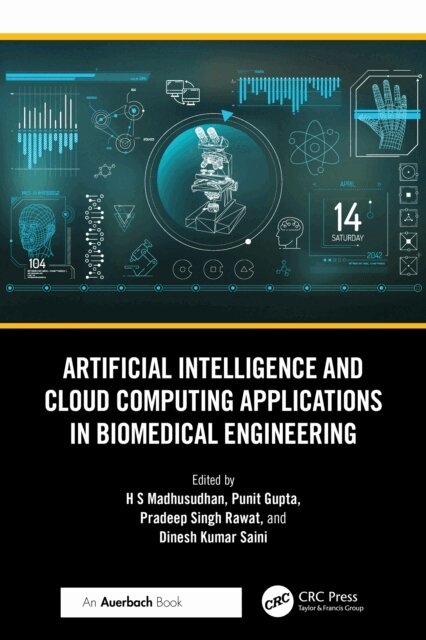
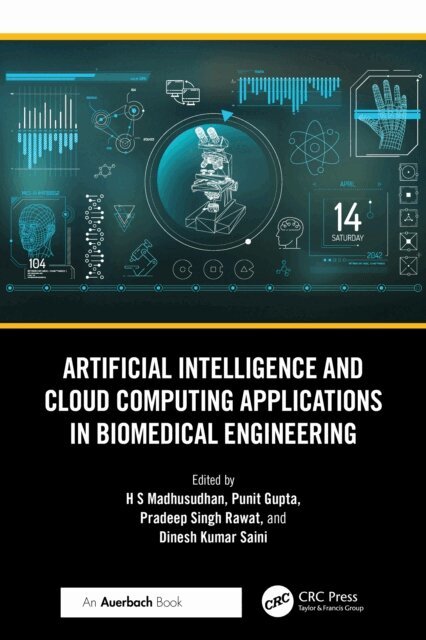
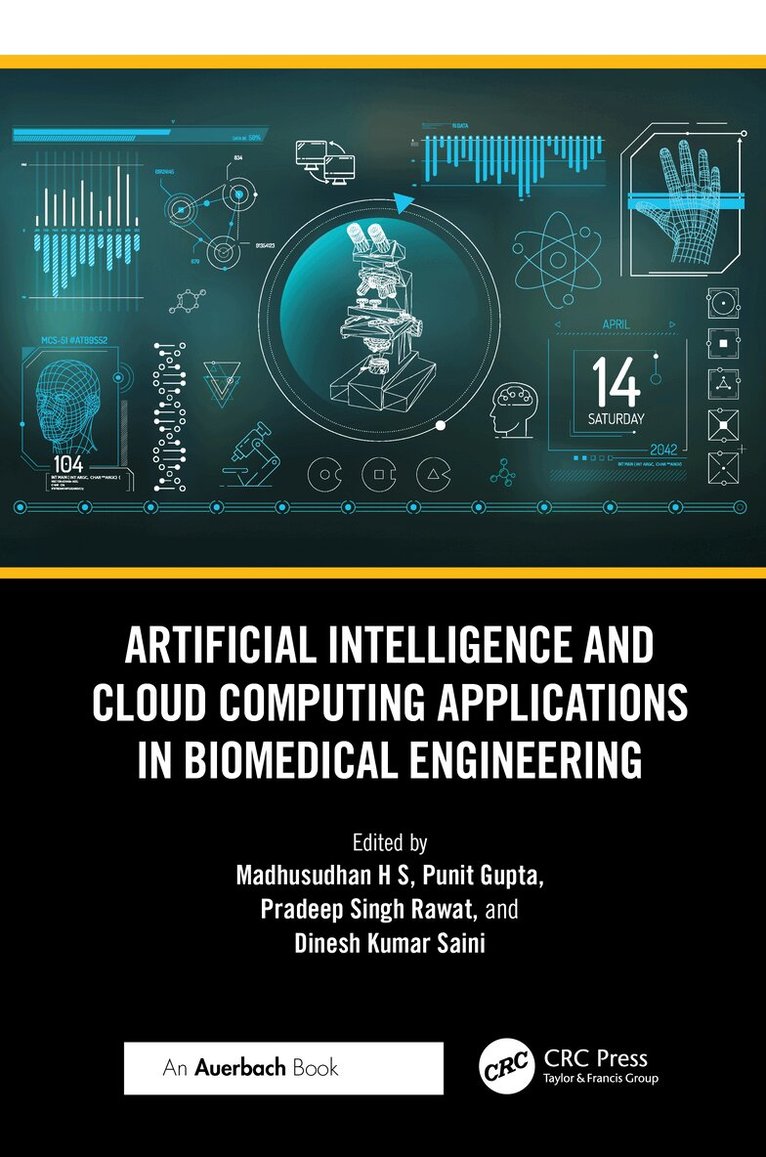
Biomedical engineering is undergoing a transformation because of AI, which is allowing creative solutions that enhance patient outcomes, diagnosis, treatment planning, and healthcare delivery. Artificial Intelligence and Cloud Computing Applications in Biomedical Engineering examines the salient characteristics of AI in biomedical engineering, highlighting its practical applications and new directions. Highlights of the book include:Genome sequence and visualizationThe role of AI and cloud in detection of diseasesNature-inspired algorithms for disease detectionFrameworks for disease classificationWith a focus on designing AI techniques for disease detection, the book explores the role of AI in biomedical engineering. It discusses how machine learning (ML) and deep learning (DL) are at the heart of AI applications in biomedical engineering. ML algorithms, particularly those based on neural networks, enable computers to learn from large datasets, identify patterns, and make predictions or decisions without explicit programming, and implementing ML algorithms is a focus of the book. Another focus is on DL, a subset of ML, and how it uses multi-layered neural networks to achieve high accuracy in such complex tasks as image and speech recognition. Biomedical engineering generates massive amounts of data from medical imaging, genomic sequencing, wearable devices, electronic health records (EHR), and other sources. This book also discusses AI-driven big data analytics, which allows researchers and clinicians to derive from data meaningful insights, aiding in early disease detection, personalized treatment plans, and patient monitoring.
Häftad, Engelska, 2025
775 kr
Skickas inom 10-15 vardagar
Biomedical engineering is undergoing a transformation because of AI, which is allowing creative solutions that enhance patient outcomes, diagnosis, treatment planning, and healthcare delivery. Artificial Intelligence and Cloud Computing Applications in Biomedical Engineering examines the salient characteristics of AI in biomedical engineering, highlighting its practical applications and new directions. Highlights of the book include:Genome sequence and visualizationThe role of AI and cloud in detection of diseasesNature-inspired algorithms for disease detectionFrameworks for disease classificationWith a focus on designing AI techniques for disease detection, the book explores the role of AI in biomedical engineering. It discusses how machine learning (ML) and deep learning (DL) are at the heart of AI applications in biomedical engineering. ML algorithms, particularly those based on neural networks, enable computers to learn from large datasets, identify patterns, and make predictions or decisions without explicit programming, and implementing ML algorithms is a focus of the book. Another focus is on DL, a subset of ML, and how it uses multi-layered neural networks to achieve high accuracy in such complex tasks as image and speech recognition. Biomedical engineering generates massive amounts of data from medical imaging, genomic sequencing, wearable devices, electronic health records (EHR), and other sources. This book also discusses AI-driven big data analytics, which allows researchers and clinicians to derive from data meaningful insights, aiding in early disease detection, personalized treatment plans, and patient monitoring.
Inbunden, Engelska, 2020
1 076 kr
Skickas inom 10-15 vardagar
This book discusses various aspects of cloud computing, in which trust and fault-tolerance models are included in a multilayered, cloud architecture.
Häftad, Engelska, 2021
1 076 kr
Skickas inom 10-15 vardagar
This book discusses various aspects of cloud computing, in which trust and fault-tolerance models are included in a multilayered, cloud architecture.
Häftad, Portugisiska, 2021
325 kr
Skickas inom 5-8 vardagar
Häftad, Engelska, 2020
471 kr
Skickas inom 5-8 vardagar
Häftad, Italienska, 2023
497 kr
Skickas inom 5-8 vardagar