Raj M. Desai – författare
Visar alla böcker från författaren Raj M. Desai. Handla med fri frakt och snabb leverans.
9 produkter
After the Spring
Economic Transitions in the Arab World
Av Magdi Amin, Ragui Assaad m. fl.
Inbunden, 2012
871 kr
Lägg i varukorg
The Arab Spring constitutes perhaps the most far-reaching political and economic transition since the end of communism in Europe. For too long, the economic aspirations of the people in the region, especially young people, have been ignored by leaders in Arab countries and abroad. Competing views …
After the Spring
Economic Transitions in the Arab World
Av Daniel Kaufmann, Carol Graham m. fl.
E-bok, 2012
554 kr
Lägg i varukorg
This volume examines the economic problems of Arab countries following the Arab Spring. The authors argue that reforms need to accomplish four objectives: more opportunities for youth, modernization of the state, creation of a competitive private economy, and integration of Arab countries with the …
After the Spring
Economic Transitions in the Arab World
Av Daniel Kaufmann, Carol Graham m. fl.
E-bok, 2012
554 kr
Lägg i varukorg
This volume examines the economic problems of Arab countries following the Arab Spring. The authors argue that reforms need to accomplish four objectives: more opportunities for youth, modernization of the state, creation of a competitive private economy, and integration of Arab countries with the …
Can Russia Compete?
Av Raj M. Desai, Itzhak Goldberg
E-bok, 2009
578 kr
Lägg i varukorg
In recent years the Russian government, concerned about sustaining its economic performance, has sought to promote more diversified and broader economic growth beyond the profitable natural-resource sector. Economic officials would like to see something closer to a ""knowledge-based economy."" One …
Can Russia Compete?
Av Raj M. Desai, Itzhak Goldberg
Häftad, 2008
515 kr
Lägg i varukorg
In recent years the Russian government, concerned about sustaining its economic performance, has sought to promote more diversified and broader economic growth beyond the profitable natural-resource sector. Economic officials would like to see something closer to a ""knowledge-based economy."" One …
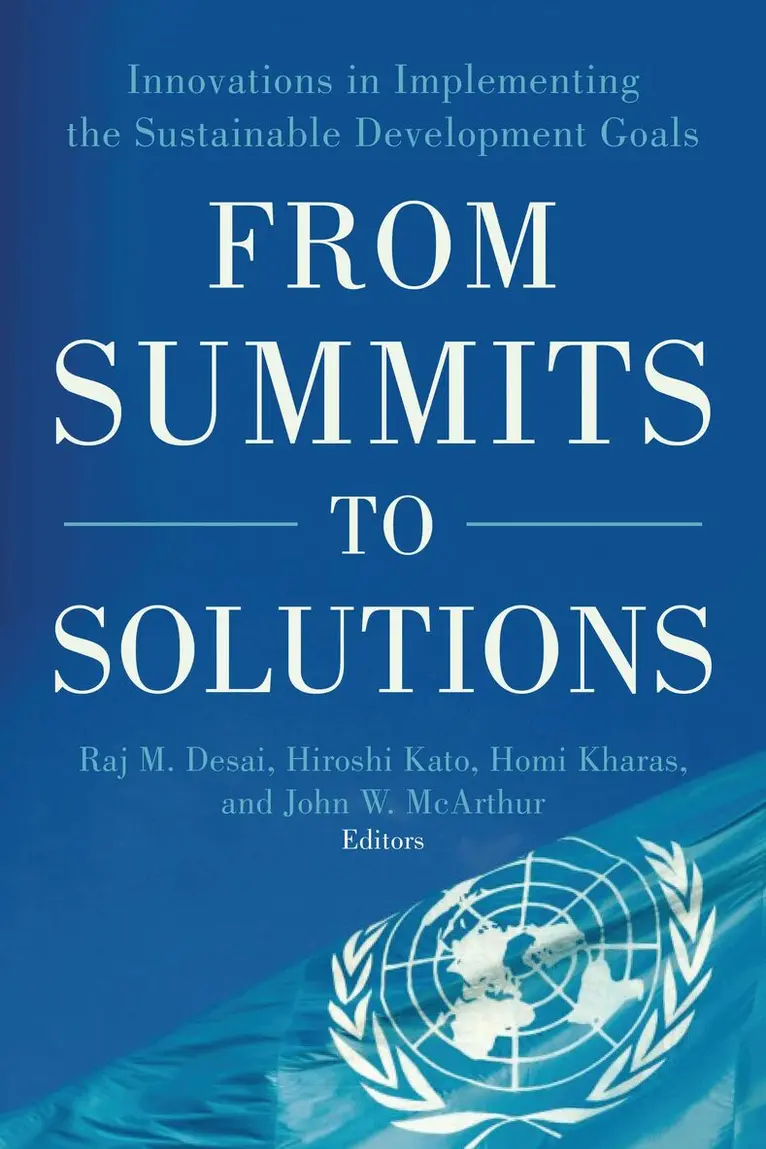
From Summits to Solutions
Innovations in Implementing the Sustainable Development Goals
Av Hiroshi Kato, Raj M. Desai m. fl.
Häftad, 2018
558 kr
Lägg i varukorg
A positive agenda for achieving the Sustainable Development Goals by 2030All 193 member nations of the United Nations agreed in September 2015 to adopt a set of seventeen "Sustainable Development Goals," to be achieved by 2030. Each of the goals—in such areas as education and health care —is …
From Summits to Solutions
Innovations in Implementing the Sustainable Development Goals
Av Hiroshi Kato, Raj M. Desai m. fl.
E-bok, 2018
608 kr
Lägg i varukorg
A positive agenda for achieving the Sustainable Development Goals by 2030 All 193 member nations of the United Nations agreed in September 2015 to adopt a set of seventeen "Sustainable Development Goals," to be achieved by 2030. Each of the goals-in such areas as education and health care -is …
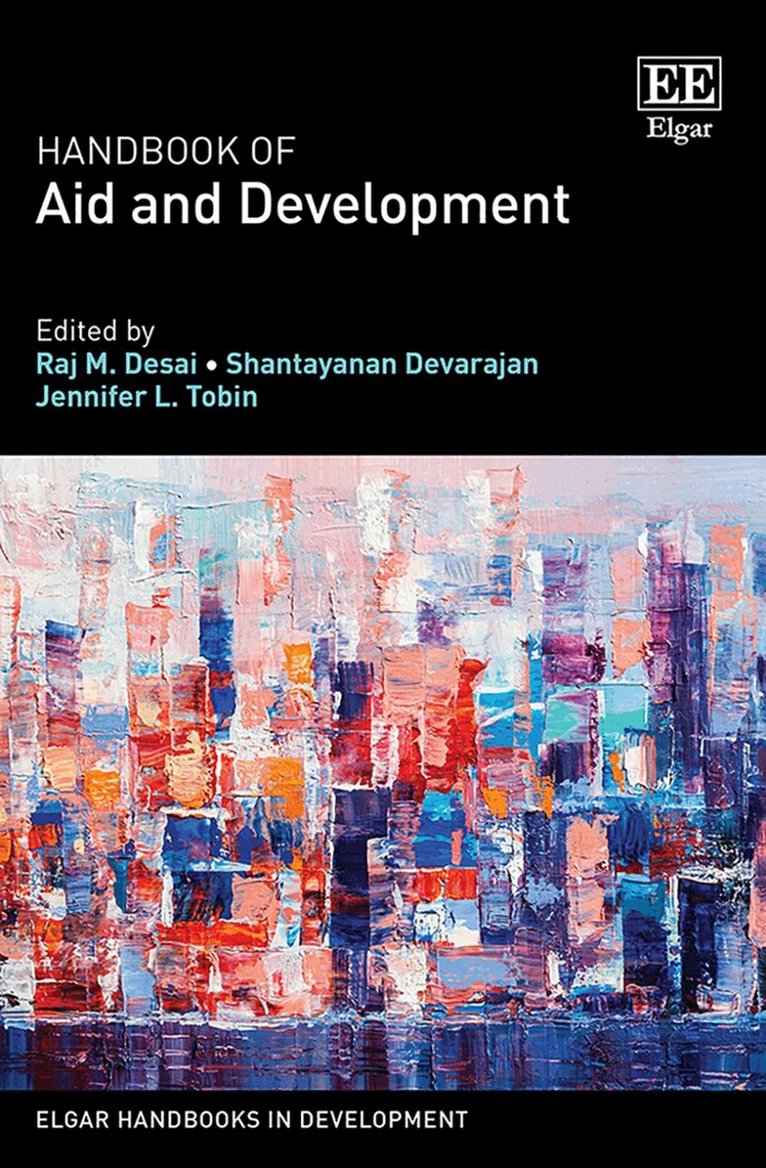
Handbook of Aid and Development
Av Raj M. Desai, Shantayanan Devarajan m. fl.
Inbunden, 2024
3874 kr
Lägg i varukorg
With intellectual rigour, the Handbook of Aid and Development not only critically examines the relationship between aid and development, but also discusses recent trends within the field and judiciously considers its future prospects.Bringing together unique perspectives from across the globe, this …
Handbook of Aid and Development
Av Jennifer L. Tobin, Shantayanan Devarajan m. fl.
E-bok, 2024
880 kr
Lägg i varukorg
With intellectual rigour, the Handbook of Aid and Development not only critically examines the relationship between aid and development, but also discusses recent trends within the field and judiciously considers its future prospects. Bringing together unique perspectives from across the globe, …