Randall McGowen - Böcker
Visar alla böcker från författaren Randall McGowen. Handla med fri frakt och snabb leverans.
3 produkter
3 produkter
1 063 kr
Skickas inom 3-6 vardagar
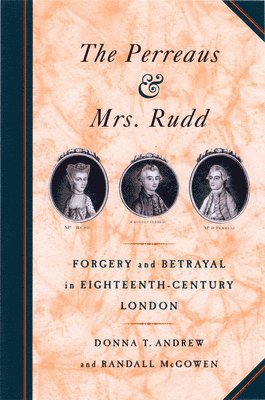
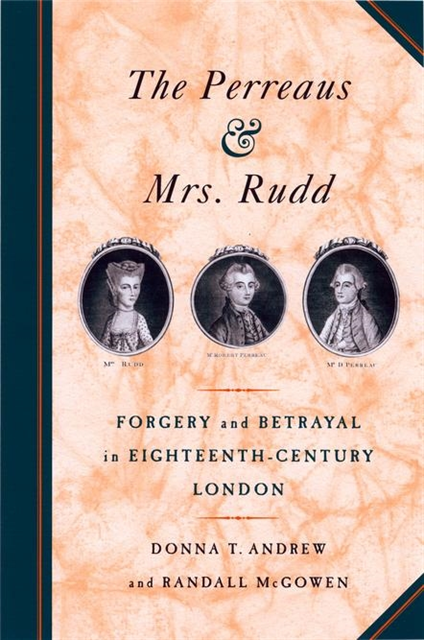
The Perreaus and Mrs. Rudd tells the remarkable story of a complex forgery uncovered in London in 1775. Like the trials of Martin Guerre and O.J. Simpson, the Perreau-Rudd case - filled with scandal, deceit, and mystery - preoccupied a public hungry for sensationalism. Peopled with such familiar figures as John Wilkes, King George III, Lord Mansfield, and James Boswell, this story reveals the deep anxieties of this period of English capitalism. The case acts as a prism that reveals the hopes, fears, and prejudices of that society. Above all, this episode presents a parable of the 1770s, when London was the center of European finance and national politics, of fashionable life and tell-all journalism, of empire achieved and empire lost. The crime, a hanging offense, came to light with the arrest of identical twin brothers, Robert and Daniel Perreau, after the former was detained trying to negotiate a forged bond. At their arraignment they both accused Daniel's mistress, Margaret Caroline Rudd, of being responsible for the crime.The brothers' trials coincided with the first reports of bloodshed in the American colonies at Lexington and Concord and successfully competed for space in the newspapers. From March until the following January, people could talk of little other than the fate of the Perreaus and the impending trial of Mrs. Rudd. The participants told wildly different tales and offered strikingly different portraits of themselves. The press was filled with letters from concerned or angry correspondents. The public, deeply divided over who was guilty, was troubled by evidence that suggested not only that fair might be foul, but that it might not be possible to decide which was which. While the decade of the 1770s has most frequently been studied in relation to imperial concerns and their impact upon the political institutions of the day, this book draws a different portrait of the period, making a cause celebre its point of entry. Exhaustively researched and brilliantly presented, it offers both a vivid panorama of London and a gauge for tracking the shifting social currents of the period.
941 kr
Skickas inom 10-15 vardagar
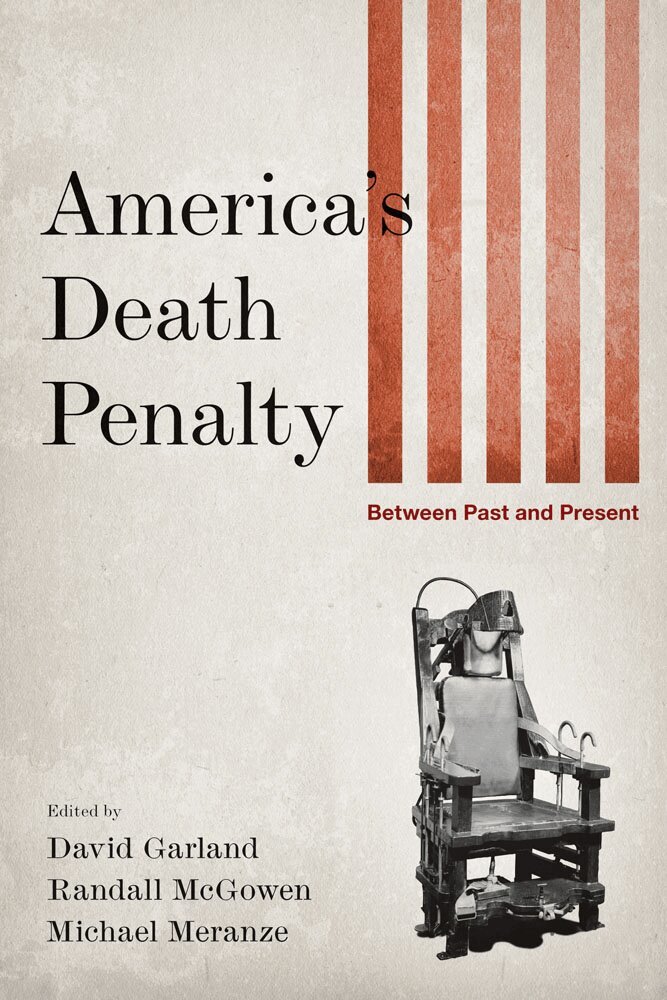
Over the past three decades, the United States has embraced the death penalty with tenacious enthusiasm. While most of those countries whose legal systems and cultures are normally compared to the United States have abolished capital punishment, the United States continues to employ this ultimate tool of punishment. The death penalty has achieved an unparalleled prominence in our public life and left an indelible imprint on our politics and culture. It has also provoked intense scholarly debate, much of it devoted to explaining the roots of American exceptionalism.America's Death Penalty takes a different approach to the issue by examining the historical and theoretical assumptions that have underpinned the discussion of capital punishment in the United States today. At various times the death penalty has been portrayed as an anachronism, an inheritance, or an innovation, with little reflection on the consequences that flow from the choice of words. This volume represents an effort to restore the sense of capital punishment as a question caught up in history. Edited by leading scholars of crime and justice, these original essays pursue different strategies for unsettling the usual terms of the debate. In particular, the authors use comparative and historical investigations of both Europe and America in order to cast fresh light on familiar questions about the meaning of capital punishment. This volume is essential reading for understanding the death penalty in America.Contributors: David Garland, Douglas Hay, Randall McGowen, Michael Meranze, Rebecca McLennan, and Jonathan Simon.
373 kr
Skickas inom 7-10 vardagar
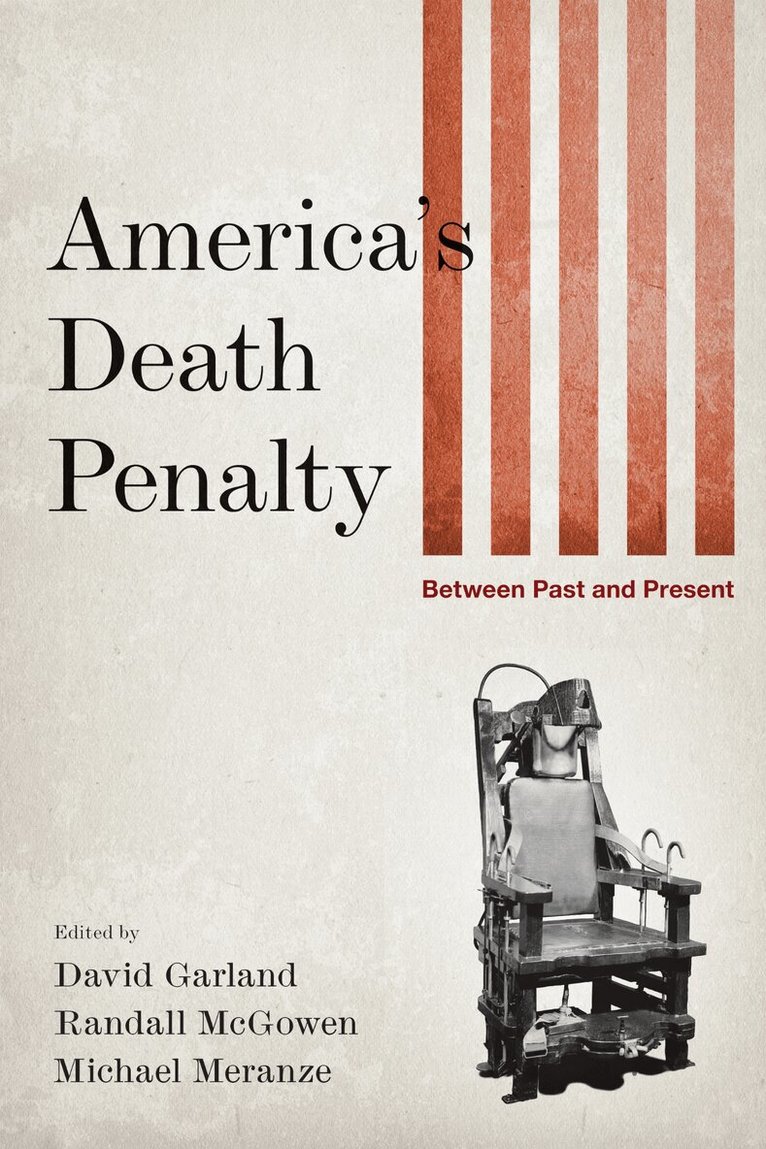
Over the past three decades, the United States has embraced the death penalty with tenacious enthusiasm. While most of those countries whose legal systems and cultures are normally compared to the United States have abolished capital punishment, the United States continues to employ this ultimate tool of punishment. The death penalty has achieved an unparalleled prominence in our public life and left an indelible imprint on our politics and culture. It has also provoked intense scholarly debate, much of it devoted to explaining the roots of American exceptionalism.America's Death Penalty takes a different approach to the issue by examining the historical and theoretical assumptions that have underpinned the discussion of capital punishment in the United States today. At various times the death penalty has been portrayed as an anachronism, an inheritance, or an innovation, with little reflection on the consequences that flow from the choice of words. This volume represents an effort to restore the sense of capital punishment as a question caught up in history. Edited by leading scholars of crime and justice, these original essays pursue different strategies for unsettling the usual terms of the debate. In particular, the authors use comparative and historical investigations of both Europe and America in order to cast fresh light on familiar questions about the meaning of capital punishment. This volume is essential reading for understanding the death penalty in America.Contributors: David Garland, Douglas Hay, Randall McGowen, Michael Meranze, Rebecca McLennan, and Jonathan Simon.