Raul Cârstocea - Böcker
Visar alla böcker från författaren Raul Cârstocea. Handla med fri frakt och snabb leverans.
4 produkter
4 produkter
1 245 kr
Skickas inom 10-15 vardagar
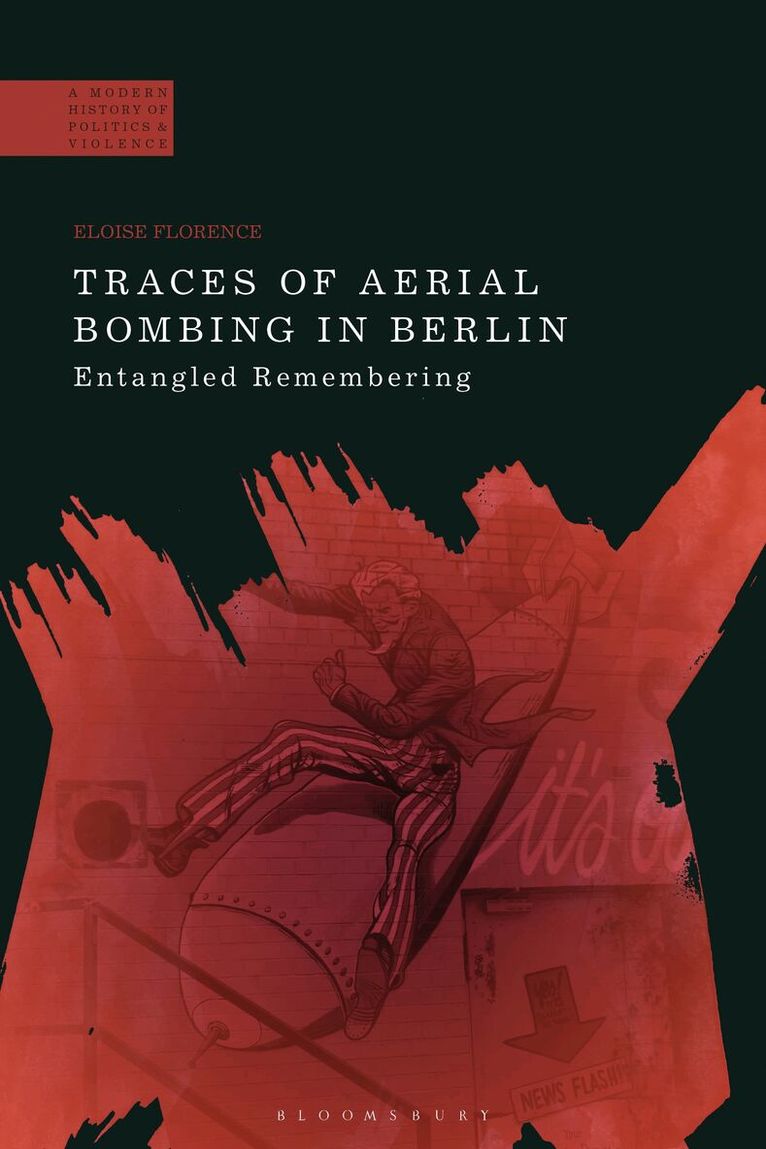
The destruction of monuments during the Black Lives Matter movement of 2020 shows how many nations are being forced to grapple with their national histories. It is clear that the things which make up our streets form a core part of our historical, political and cultural identity. Here, Eloise Florence turns to Berlin and the deeply entrenched English-language narratives about World War II to explore the complicated relationship between violence, place and memory in the Anglo-American consciousness.Centered upon Teufelsberg – a hill in Berlin born from the rubble caused by Allied bombing – and other sites of violence across Germany's capital, this interdisciplinary study unpicks the use and abuse of area bombing and its cultural memory in Anglo-American audiences. Grounded in theories of new materialism and post-humanism, and drawing on extensive empirical and auto-ethnographic data, the issues addressed include: moving through urban landscapes as an embodied means of memorializing war and trauma; remembering destruction as a means to advance or challenge traditional war mythologies; and curation as an entry point for tourists to reconsider the impact of British and American aerial raids, including modern drone warfare.This innovative volume shines an important light on both the dark legacy of the aerial bombing of Berlin and the ways in which we record and read violent histories more generally. As such, Traces of Aerial Bombing in Berlin will be an invaluable resource for all scholars of World War II, memory culture and public history.
1 799 kr
Kommande
The Comparative History of Fascism in Eastern Europe provides a comprehensive outline of the history of fascism in the region. It includes a general introduction to comparative fascist studies, with a focus on the general features of, and historiographical debates on, fascism in Eastern Europe. It then charts the history, organisation and leadership of the fascist movements and regimes in that region through an extensive set of encyclopedia entries and a rich and previously unpublished collection of primary source material, in English translation, that cover the significant individuals, parties, groups and concepts.Illustrated throughout, this is an essential volume for anyone wanting to know more about the history of fascism in 20th-century Europe.
1 074 kr
Skickas inom 10-15 vardagar
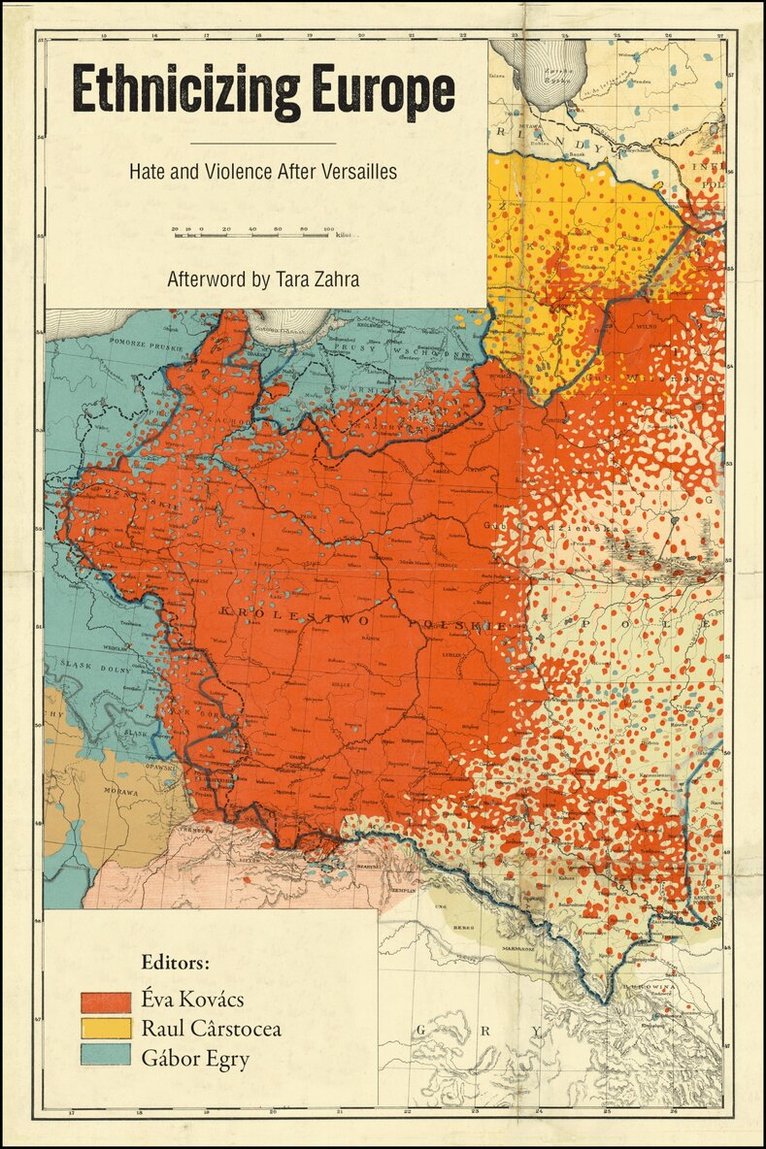
Ethnicizing Europe focuses on the dynamics of interethnic violence in Europe between the two world wars. The new international system that was enshrined by the Versailles peace treaties after World War I did not bring stability to East-Central Europe. Rather, it resulted in a host of conditions like self-determination, international oversight, revolutionary political ideas, and democratic processes, which eventually gave new meaning to already established conflicts, as well as igniting new conflicts in the region. This book opens with a discussion of the theoretical scholarship on ethnicity before proceeding to specific case studies investigating the different ways in which ethnicity was enacted and contested during a period of European transformation, focusing mostly on ethnically heterogeneous locales. Rather than concentrating on either political violence or ethnonationalism, this collection brings these two literatures together to show how ethnicization, the legal concepts of citizenship, and violence were intertwined in post-Versailles Europe, not only shaping the period between the wars, but also the Europe we know today. The book concludes with an afterword by Tara Zahra, which expands this perspective to the wider transatlantic region.
567 kr
Skickas inom 10-15 vardagar
Ethnicizing Europe focuses on the dynamics of interethnic violence in Europe between the two world wars. The new international system that was enshrined by the Versailles peace treaties after World War I did not bring stability to East-Central Europe. Rather, it resulted in a host of conditions like self-determination, international oversight, revolutionary political ideas, and democratic processes, which eventually gave new meaning to already established conflicts, as well as igniting new conflicts in the region. This book opens with a discussion of the theoretical scholarship on ethnicity before proceeding to specific case studies investigating the different ways in which ethnicity was enacted and contested during a period of European transformation, focusing mostly on ethnically heterogeneous locales. Rather than concentrating on either political violence or ethnonationalism, this collection brings these two literatures together to show how ethnicization, the legal concepts of citizenship, and violence were intertwined in post-Versailles Europe, not only shaping the period between the wars, but also the Europe we know today. The book concludes with an afterword by Tara Zahra, which expands this perspective to the wider transatlantic region.