Renata Seweryn – författare
698 kr
Läs direkt efter köp
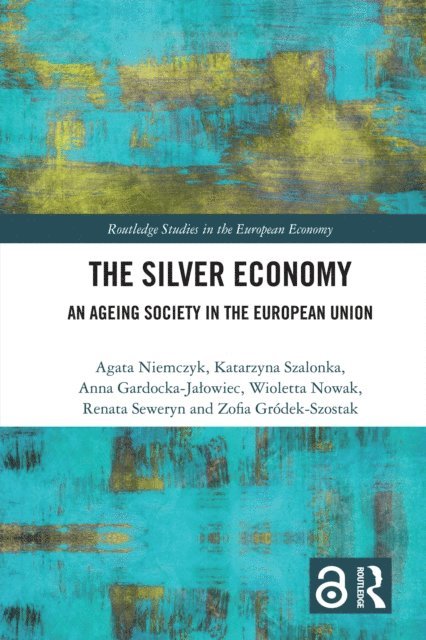
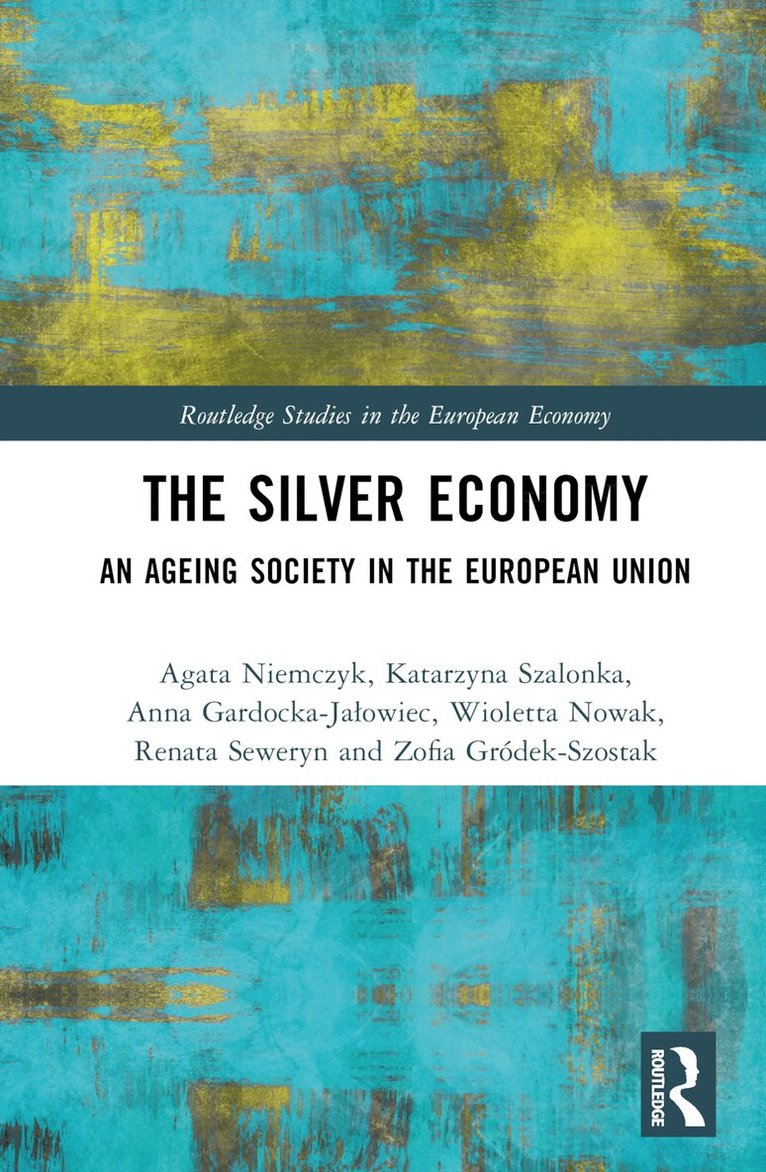
The definition of “old” has evolved intensively over the years due to demographic changes, and the ageing population is one of the most frequently discussed issues in recent decades. The profile of the 21st century senior is completely different from the senior in the second half of the 21st-century senior is completely different from the senior in the second half of the 20th century, not to mention earlier periods in history. As an increasing group of benefactors of human activity, they create demand for products and experiences. The system of goods and services that aims to leverage their purchasing potential and satisfy their consumption needs, including living, health, tourism, cultural, information, and communication needs, has been referred to as the so-called Silver Economy. The book reviews the phenomenon of ageing of the EU’s population over 50. It also presents a multidimensional view of the potential for the development of this group’s economic, social, medical, family, personal and technological demand in the early 21st century.
The book analyses the market behaviour of seniors and argues that the Silver Economy will grow in importance and profitability every year in various areas, both public and private. This includes health, finance, employment, leisure and well-being, education, and the use of digital tools.
This publication is recommended for policymakers and business players who are considering how to achieve economic development through the growing and changing demand of the ageing population. For the world is now facing a challenge that no community has ever faced before – the coexistence of a long-lived population on the one hand and the growing popularity of digital technologies on the other.
Chapter 4 of this book is available for free in PDF format as Open Access from the individual product page at www.routledge.com. It has been made available under a Creative Commons Attribution-Non Commercial-No Derivatives (CC-BY-NC-ND) 4.0 license. The publication was financed by a subsidy for the University of Wroclaw, Funds for the “Excellence Initiative – Research University” program, a subsidy for the University of Bialystok and a grant from the Krakow University of Economics (057/ ZZE/2022/POT).
698 kr
Läs direkt efter köp
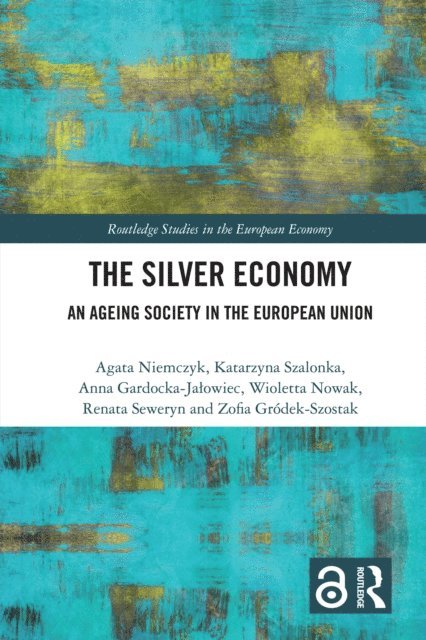
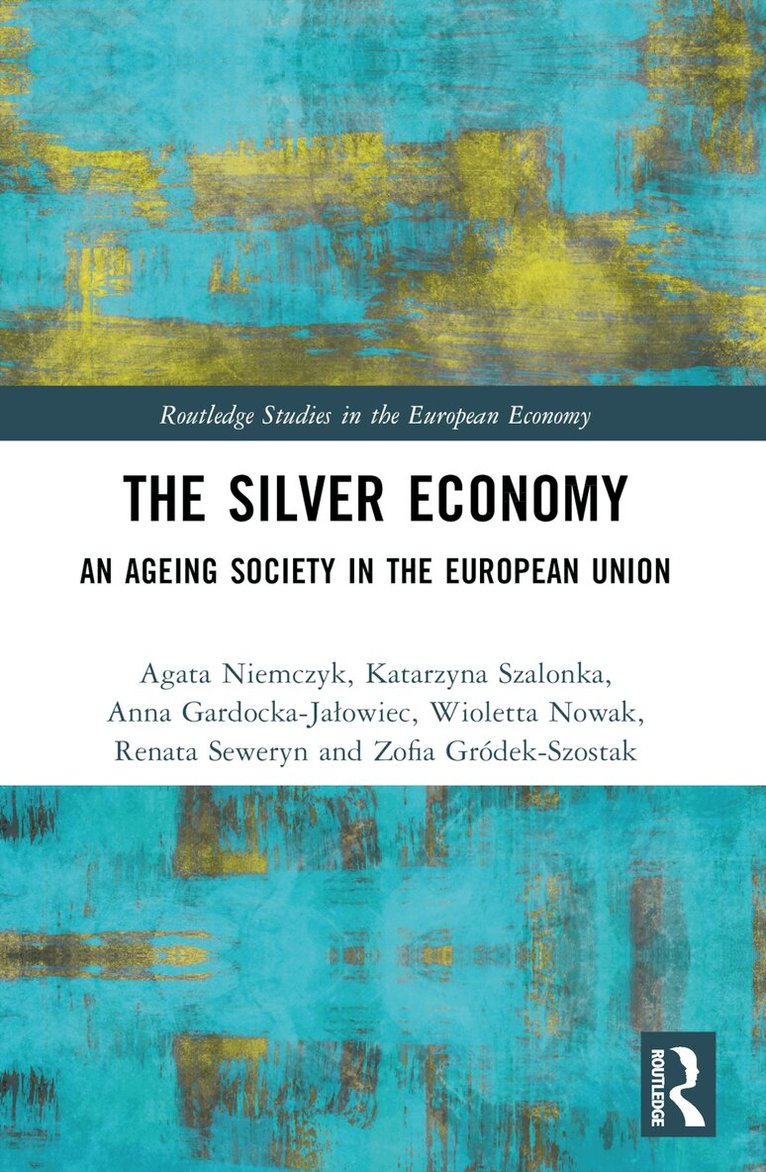
The definition of “old” has evolved intensively over the years due to demographic changes, and the ageing population is one of the most frequently discussed issues in recent decades. The profile of the 21st century senior is completely different from the senior in the second half of the 21st-century senior is completely different from the senior in the second half of the 20th century, not to mention earlier periods in history. As an increasing group of benefactors of human activity, they create demand for products and experiences. The system of goods and services that aims to leverage their purchasing potential and satisfy their consumption needs, including living, health, tourism, cultural, information, and communication needs, has been referred to as the so-called Silver Economy. The book reviews the phenomenon of ageing of the EU’s population over 50. It also presents a multidimensional view of the potential for the development of this group’s economic, social, medical, family, personal and technological demand in the early 21st century.
The book analyses the market behaviour of seniors and argues that the Silver Economy will grow in importance and profitability every year in various areas, both public and private. This includes health, finance, employment, leisure and well-being, education, and the use of digital tools.
This publication is recommended for policymakers and business players who are considering how to achieve economic development through the growing and changing demand of the ageing population. For the world is now facing a challenge that no community has ever faced before – the coexistence of a long-lived population on the one hand and the growing popularity of digital technologies on the other.
Chapter 4 of this book is available for free in PDF format as Open Access from the individual product page at www.routledge.com. It has been made available under a Creative Commons Attribution-Non Commercial-No Derivatives (CC-BY-NC-ND) 4.0 license. The publication was financed by a subsidy for the University of Wroclaw, Funds for the “Excellence Initiative – Research University” program, a subsidy for the University of Bialystok and a grant from the Krakow University of Economics (057/ ZZE/2022/POT).
2 176 kr
Skickas inom 10-15 vardagar
651 kr
Skickas inom 10-15 vardagar
2 097 kr
Skickas inom 10-15 vardagar
685 kr
Kommande
769 kr
Läs direkt efter köp
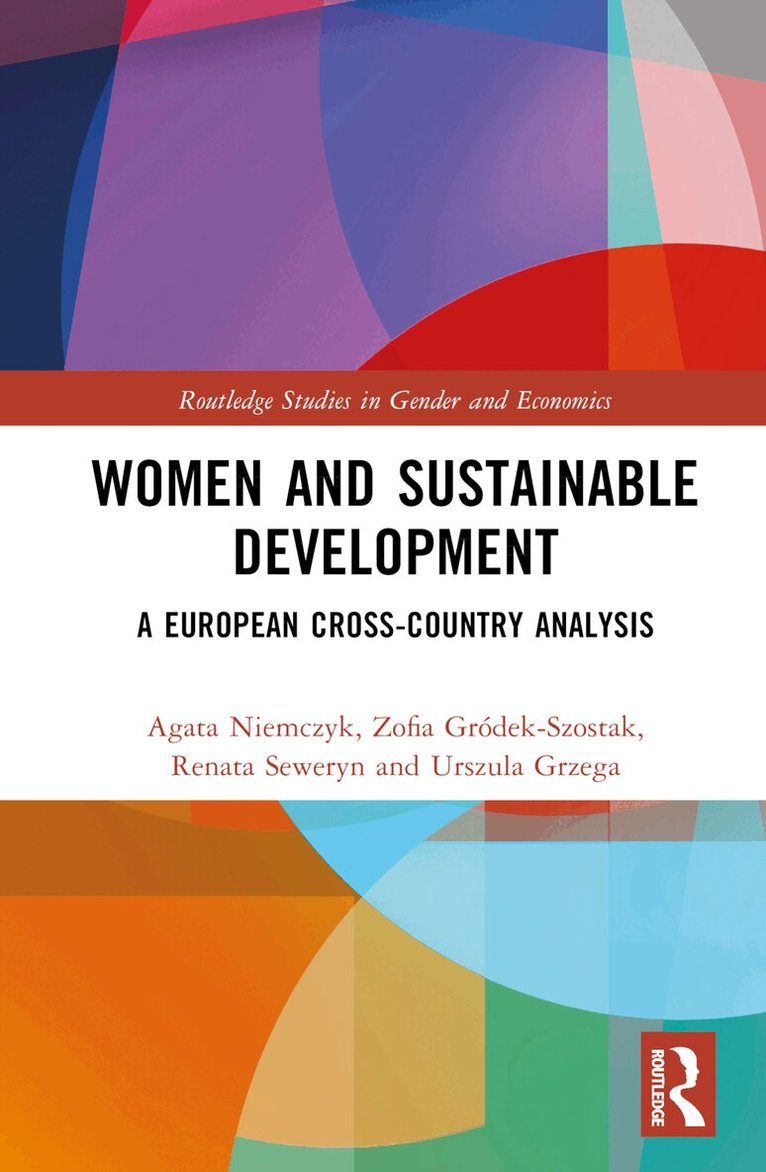
Sustainable development has been recognized as a paradigm for considering a future in which environmental, social, and economic concerns are balanced in the pursuit of improving quality of life. The ideals and principles behind this paradigm are based on the concepts of generational and gender equality, social tolerance, poverty reduction, environmental protection and restoration, natural resource conservation, and the building of fair and peaceful societies. This book identifies and characterizes selected aspects of women''s functioning in modern societies, in the context of the goals, assumptions and challenges of sustainable development. It offers an innovative, multidimensional perspective on the potential and role of women in the context of sustainable development.
The book is divided into five chapters. The first is dedicated to the role of women in the modern economy and their demographic and social characteristics in the European Union. The second focuses on the role of women in meeting the Sustainable Development Goals (SDGs), including the perspective of EU horizontal policies. The third offers an analysis of women''s living conditions in the EU, in terms of their social, professional and economic situation and leisure time management. The next chapter considers female entrepreneurship in the EU in terms of social and geopolitical changes, while the final one is devoted to the analysis of the situation of women in selected industry markets.
The book summarizes interdisciplinary research questions, focusing on sustainability, gender, human rights and the economy and the trends, tendencies, dependencies and results will be an important source of comparison for academic researchers and a starting point for further in-depth analyses.
769 kr
Läs direkt efter köp
Sustainable development has been recognized as a paradigm for considering a future in which environmental, social, and economic concerns are balanced in the pursuit of improving quality of life. The ideals and principles behind this paradigm are based on the concepts of generational and gender equality, social tolerance, poverty reduction, environmental protection and restoration, natural resource conservation, and the building of fair and peaceful societies. This book identifies and characterizes selected aspects of women''s functioning in modern societies, in the context of the goals, assumptions and challenges of sustainable development. It offers an innovative, multidimensional perspective on the potential and role of women in the context of sustainable development.
The book is divided into five chapters. The first is dedicated to the role of women in the modern economy and their demographic and social characteristics in the European Union. The second focuses on the role of women in meeting the Sustainable Development Goals (SDGs), including the perspective of EU horizontal policies. The third offers an analysis of women''s living conditions in the EU, in terms of their social, professional and economic situation and leisure time management. The next chapter considers female entrepreneurship in the EU in terms of social and geopolitical changes, while the final one is devoted to the analysis of the situation of women in selected industry markets.
The book summarizes interdisciplinary research questions, focusing on sustainability, gender, human rights and the economy and the trends, tendencies, dependencies and results will be an important source of comparison for academic researchers and a starting point for further in-depth analyses.