Rene van Woudenberg – författare
Visar alla böcker från författaren . Handla med fri frakt och snabb leverans.
14 produkter
14 produkter
Inbunden, Engelska, 2019
958 kr
Skickas inom 5-8 vardagar
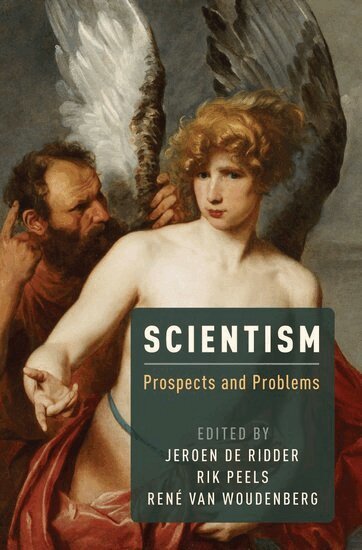
Can only science deliver genuine knowledge about the world and ourselves? Is science our only guide to what exists? Scientism answers both questions with yes. Scientism is increasingly influential in popular scientific literature and intellectual life in general, but philosophers have hitherto largely ignored it. This collection is one of the first to develop and assess scientism as a serious philosophical position. It features twelve new essays by both proponents and critics of scientism.Before scientism can be evaluated, it needs to be clear what it is. Hence, the collection opens with essays that provide an overview of the many different versions of scientism and their mutual interrelations. Next, several card-carrying proponents of scientism make their case, either by developing and arguing directly for their preferred version of scientism or by responding to objections. Then, the floor is given to critics of scientism. It is examined whether scientism is epistemically vicious, whether scientism presents a plausible general epistemological outlook and whether science has limits. The final four essays zoom out and connect scientism to ongoing debates elsewhere in philosophy. What does scientism mean for religious epistemology? What can science tell us about morality and is a scientistic moral epistemology plausible? How is scientism related to physicalism? And is experimental philosophy really a form of scientism tailored to philosophy?
E-bok
PDF, Engelska, 20181 068 kr
Läs direkt efter köp
Can only science deliver genuine knowledge about the world and ourselves? Is science our only guide to what exists? Scientism answers both questions with yes. Scientism is increasingly influential in popular scientific literature and intellectual life in general, but philosophers have hitherto largely ignored it. This collection is one of the first to develop and assess scientism as a serious philosophical position. It features twelve new essays by both proponents and critics of scientism.Before scientism can be evaluated, it needs to be clear what it is. Hence, the collection opens with essays that provide an overview of the many different versions of scientism and their mutual interrelations. Next, several card-carrying proponents of scientism make their case, either by developing and arguing directly for their preferred version of scientism or by responding to objections. Then, the floor is given to critics of scientism. It is examined whether scientism is epistemically vicious, whether scientism presents a plausible general epistemological outlook and whether science has limits. The final four essays zoom out and connect scientism to ongoing debates elsewhere in philosophy. What does scientism mean for religious epistemology? What can science tell us about morality and is a scientistic moral epistemology plausible? How is scientism related to physicalism? And is experimental philosophy really a form of scientism tailored to philosophy?
E-bok
Engelska, 20181 068 kr
Läs direkt efter köp
Can only science deliver genuine knowledge about the world and ourselves? Is science our only guide to what exists? Scientism answers both questions with yes. Scientism is increasingly influential in popular scientific literature and intellectual life in general, but philosophers have hitherto largely ignored it. This collection is one of the first to develop and assess scientism as a serious philosophical position. It features twelve new essays by both proponents and critics of scientism.Before scientism can be evaluated, it needs to be clear what it is. Hence, the collection opens with essays that provide an overview of the many different versions of scientism and their mutual interrelations. Next, several card-carrying proponents of scientism make their case, either by developing and arguing directly for their preferred version of scientism or by responding to objections. Then, the floor is given to critics of scientism. It is examined whether scientism is epistemically vicious, whether scientism presents a plausible general epistemological outlook and whether science has limits. The final four essays zoom out and connect scientism to ongoing debates elsewhere in philosophy. What does scientism mean for religious epistemology? What can science tell us about morality and is a scientistic moral epistemology plausible? How is scientism related to physicalism? And is experimental philosophy really a form of scientism tailored to philosophy?
Inbunden, Engelska, 2025
1 198 kr
Skickas inom 7-10 vardagar
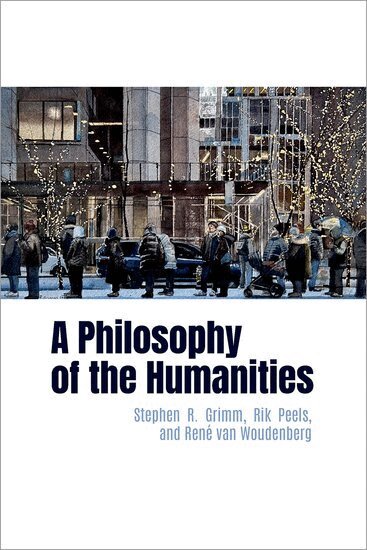
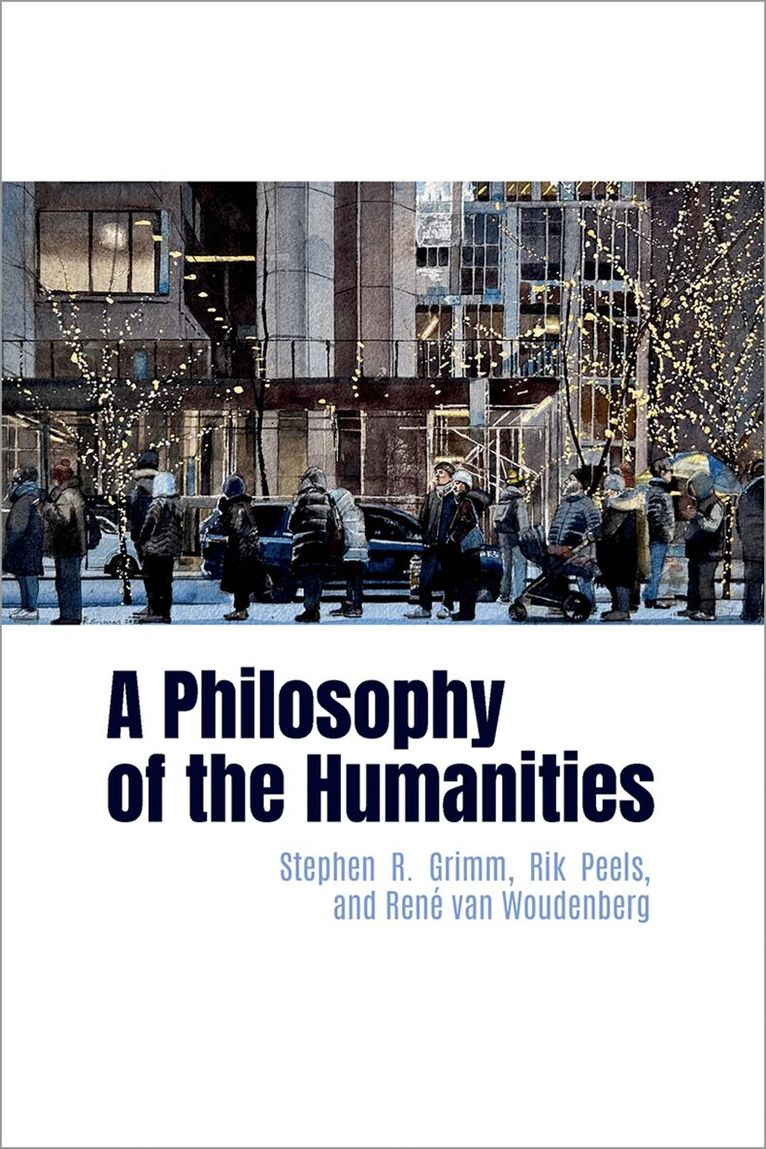
Co-authored by three philosophers, this ground-breaking book explores a range of new and classic questions concerning the humanities. For example, do the humanities (like the sciences) really make progress? Is there anything that unifies scholarship in the humanities, across fields as diverse as history, literary studies, philosophy, and musicology? And what should we make of the political aims of the humanities--for example, the desire by many scholars in the humanities to uncover systems of oppression and domination? Does this interfere with "objective" scholarship or not?In many ways this book is the first of its kind, considering new topics such as the value of replication studies in the humanities, and deference to other humanities scholars. A Philosophy of the Humanities offers new ways of thinking about the nature of the humanities and the distinctive contributions they make to human understanding.
Häftad, Engelska, 2025
394 kr
Skickas inom 11-20 vardagar
Co-authored by three philosophers, this ground-breaking book explores a range of new and classic questions concerning the humanities. For example, do the humanities (like the sciences) really make progress? Is there anything that unifies scholarship in the humanities, across fields as diverse as history, literary studies, philosophy, and musicology? And what should we make of the political aims of the humanities--for example, the desire by many scholars in the humanities to uncover systems of oppression and domination? Does this interfere with "objective" scholarship or not?In many ways this book is the first of its kind, considering new topics such as the value of replication studies in the humanities, and deference to other humanities scholars. A Philosophy of the Humanities offers new ways of thinking about the nature of the humanities and the distinctive contributions they make to human understanding.
E-bok
PDF, Engelska, 2025342 kr
Läs direkt efter köp
Co-authored by three philosophers, this ground-breaking book explores a range of new and classic questions concerning the humanities. For example, do the humanities (like the sciences) really make progress? Is there anything that unifies scholarship in the humanities, across fields as diverse as history, literary studies, philosophy, and musicology? And what should we make of the political aims of the humanities--for example, the desire by many scholars in the humanities to uncover systems of oppression and domination? Does this interfere with "e;objective"e; scholarship or not?In many ways this book is the first of its kind, considering new topics such as the value of replication studies in the humanities, and deference to other humanities scholars. A Philosophy of the Humanities offers new ways of thinking about the nature of the humanities and the distinctive contributions they make to human understanding.
E-bok
Engelska, 2025342 kr
Läs direkt efter köp
Co-authored by three philosophers, this ground-breaking book explores a range of new and classic questions concerning the humanities. For example, do the humanities (like the sciences) really make progress? Is there anything that unifies scholarship in the humanities, across fields as diverse as history, literary studies, philosophy, and musicology? And what should we make of the political aims of the humanities--for example, the desire by many scholars in the humanities to uncover systems of oppression and domination? Does this interfere with "e;objective"e; scholarship or not?In many ways this book is the first of its kind, considering new topics such as the value of replication studies in the humanities, and deference to other humanities scholars. A Philosophy of the Humanities offers new ways of thinking about the nature of the humanities and the distinctive contributions they make to human understanding.
Häftad, Engelska, 2022
655 kr
Skickas inom 10-15 vardagar
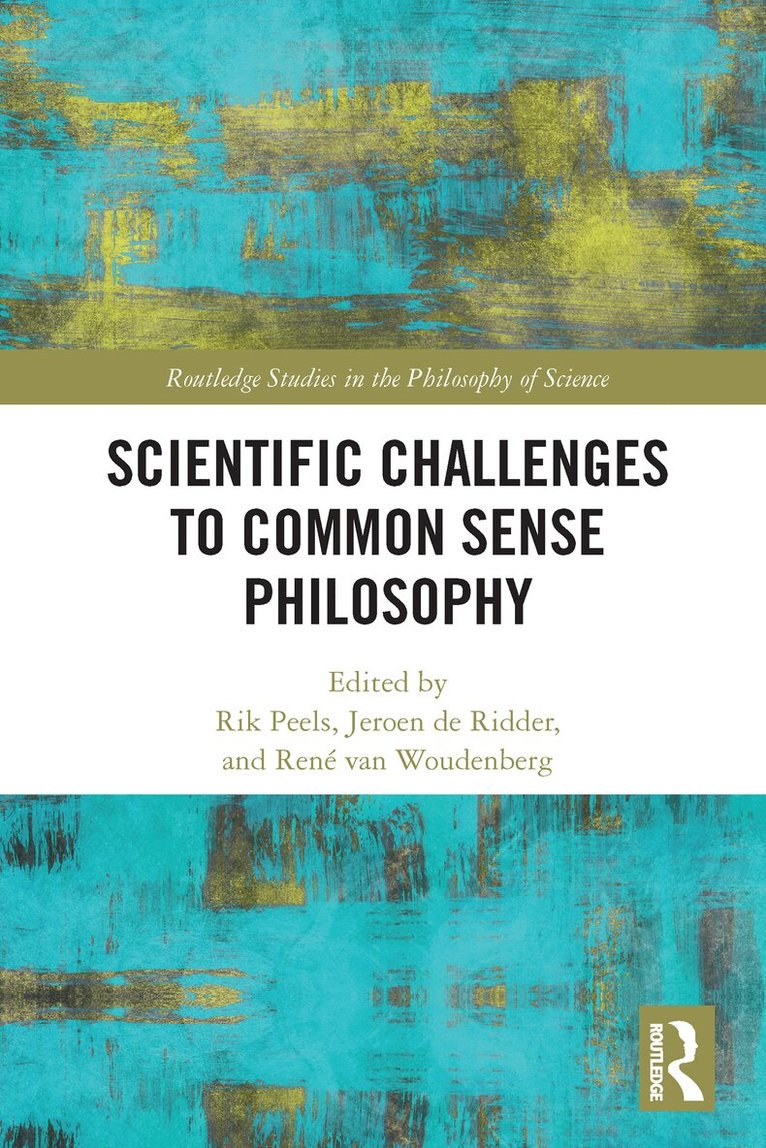
Common sense philosophy holds that widely and deeply held beliefs are justified in the absence of defeaters. While this tradition has always had its philosophical detractors who have defended various forms of skepticism or have sought to develop rival epistemological views, recent advances in several scientific disciplines claim to have debunked the reliability of the faculties that produce our common sense beliefs. At the same time, however, it seems reasonable that we cannot do without common sense beliefs entirely. Arguably, science and the scientific method are built on, and continue to depend on, common sense.This collection of essays debates the tenability of common sense in the face of recent challenges from the empirical sciences. It explores to what extent scientific considerations—rather than philosophical considerations—put pressure on common sense philosophy. The book is structured in a way that promotes dialogue between philosophers and scientists. Noah Lemos, one of the most influential contemporary advocates of the common sense tradition, begins with an overview of the nature and scope of common sense beliefs, and examines philosophical objections to common sense and its relationship to scientific beliefs. Then, the volume features essays by scientists and philosophers of science who discuss various proposed conflicts between commonsensical and scientific beliefs: the reality of space and time, about the nature of human beings, about free will and identity, about rationality, about morality, and about religious belief. Notable philosophers who embrace the common sense tradition respond to these essays to explore the connection between common sense philosophy and contemporary debates in evolutionary biology, neuroscience, physics, and psychology.
E-bok
PDF, Engelska, 2004507 kr
Läs direkt efter köp
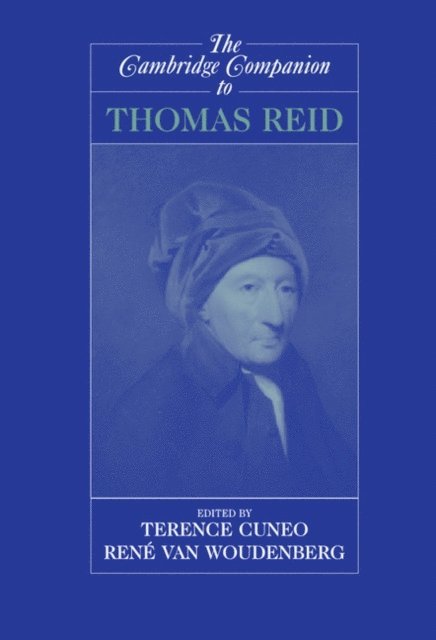
Widely acknowledged as the principal architect of Scottish common sense philosophy, Thomas Reid is increasingly recognized today as one of the finest philosophers of the eighteenth century. Combining a sophisticated response to the skeptical and idealist views of his day, Reid''s thought stands as an important alternative to Humean skepticism, Kantian idealism and Cartesian rationalism. This volume is the first comprehensive overview of Reid''s output and covers not only his philosophy in detail, but also his scientific work and his extensive historical influence.
Häftad, Engelska, 2004
419 kr
Skickas inom 7-10 vardagar
Widely acknowledged as the principal architect of Scottish common sense philosophy, Thomas Reid is increasingly recognized today as one of the finest philosophers of the eighteenth century. Combining a sophisticated response to the skeptical and idealist views of his day, Reid's thought stands as an important alternative to Humean skepticism, Kantian idealism and Cartesian rationalism. This volume is the first comprehensive overview of Reid's output and covers not only his philosophy in detail, but also his scientific work and his extensive historical influence.
E-bok
PDF, Engelska, 2021412 kr
Läs direkt efter köp
Reading and textual interpretation are ordinary human activities, performed inside as well as outside academia, but precisely how they function as unique sources of knowledge is not well understood. In this book, René van Woudenberg explores the nature of reading and how it is distinct from perception and (attending to) testimony, which are two widely acknowledged knowledge sources. After distinguishing seven accounts of interpretation, van Woudenberg discusses the question of whether all reading inevitably involves interpretation, and shows that although reading and interpretation often go together, they are distinct activities. He goes on to argue that both reading and interpretation can be paths to realistically conceived truth, and explains the conditions under which we are justified in believing that they do indeed lead us to the truth. Along the way, he offers clear and novel analyses of reading, meaning, interpretation, and interpretative knowledge.
E-bok
PDF, Engelska, 2020459 kr
Läs direkt efter köp
Common-sense philosophy is important because it maintains that we can know many things about the world, about ourselves, about morality, and even about things of a metaphysical nature. The tenets of common-sense philosophy, while in some sense obvious and unsurprising, give rise to powerful arguments that can shed light on fundamental philosophical issues, including the perennial problem of scepticism and the emerging challenge of scientism. This Companion offers an exploration of common-sense philosophy in its many forms, tracing its development as a concept and considering the roles it has been assigned to play throughout the history of philosophy. Containing fifteen newly commissioned chapters from leading experts in the history of philosophy, epistemology, the philosophy of science, moral philosophy and metaphysics, the volume will be an essential guide for students and scholars hoping to gain a greater understanding of the value and enduring appeal of common-sense philosophy.
Inbunden, Engelska, 2020
2 193 kr
Skickas inom 10-15 vardagar
Common sense philosophy holds that widely and deeply held beliefs are justified in the absence of defeaters. While this tradition has always had its philosophical detractors who have defended various forms of skepticism or have sought to develop rival epistemological views, recent advances in several scientific disciplines claim to have debunked the reliability of the faculties that produce our common sense beliefs. At the same time, however, it seems reasonable that we cannot do without common sense beliefs entirely. Arguably, science and the scientific method are built on, and continue to depend on, common sense.This collection of essays debates the tenability of common sense in the face of recent challenges from the empirical sciences. It explores to what extent scientific considerations—rather than philosophical considerations—put pressure on common sense philosophy. The book is structured in a way that promotes dialogue between philosophers and scientists. Noah Lemos, one of the most influential contemporary advocates of the common sense tradition, begins with an overview of the nature and scope of common sense beliefs, and examines philosophical objections to common sense and its relationship to scientific beliefs. Then, the volume features essays by scientists and philosophers of science who discuss various proposed conflicts between commonsensical and scientific beliefs: the reality of space and time, about the nature of human beings, about free will and identity, about rationality, about morality, and about religious belief. Notable philosophers who embrace the common sense tradition respond to these essays to explore the connection between common sense philosophy and contemporary debates in evolutionary biology, neuroscience, physics, and psychology.
E-bok
Engelska, 2004489 kr
Läs direkt efter köp
Widely acknowledged as the principal architect of Scottish common sense philosophy, Thomas Reid is increasingly recognized today as one of the finest philosophers of the eighteenth century. Combining a sophisticated response to the skeptical and idealist views of his day, Reid''s thought stands as an important alternative to Humean skepticism, Kantian idealism and Cartesian rationalism. This volume is the first comprehensive overview of Reid''s output and covers not only his philosophy in detail, but also his scientific work and his extensive historical influence.