Stephen R. Grimm – författare
1 172 kr
Skickas inom 5-8 vardagar
979 kr
Läs direkt efter köp
979 kr
Läs direkt efter köp
1 047 kr
Skickas inom 5-8 vardagar
1 015 kr
Läs direkt efter köp
1 015 kr
Läs direkt efter köp
1 198 kr
Skickas inom 7-10 vardagar
325 kr
Skickas inom 5-8 vardagar
342 kr
Läs direkt efter köp
342 kr
Läs direkt efter köp
681 kr
Skickas inom 10-15 vardagar
2 647 kr
Skickas inom 10-15 vardagar
774 kr
Läs direkt efter köp
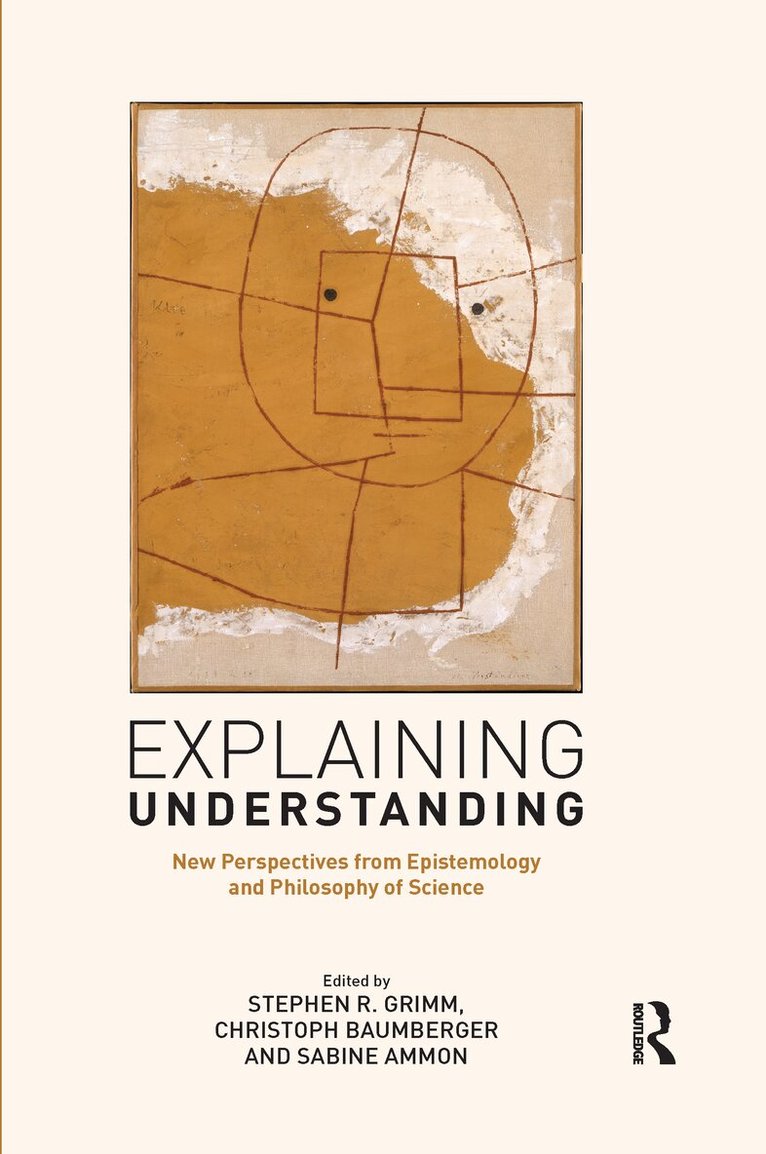
What does it mean to understand something? What types of understanding can be distinguished? Is understanding always provided by explanations? And how is it related to knowledge? Such questions have attracted considerable interest in epistemology recently. These discussions, however, have not yet engaged insights about explanations and theories developed in philosophy of science. Conversely, philosophers of science have debated the nature of explanations and theories, while dismissing understanding as a psychological by-product.
In this book, epistemologists and philosophers of science together address basic questions about the nature of understanding, providing a new overview of the field. False theories, cognitive bias, transparency, coherency, and other important issues are discussed. Its 15 original chapters are essential reading for researchers and graduate students interested in the current debates about understanding.
774 kr
Läs direkt efter köp
What does it mean to understand something? What types of understanding can be distinguished? Is understanding always provided by explanations? And how is it related to knowledge? Such questions have attracted considerable interest in epistemology recently. These discussions, however, have not yet engaged insights about explanations and theories developed in philosophy of science. Conversely, philosophers of science have debated the nature of explanations and theories, while dismissing understanding as a psychological by-product.
In this book, epistemologists and philosophers of science together address basic questions about the nature of understanding, providing a new overview of the field. False theories, cognitive bias, transparency, coherency, and other important issues are discussed. Its 15 original chapters are essential reading for researchers and graduate students interested in the current debates about understanding.